
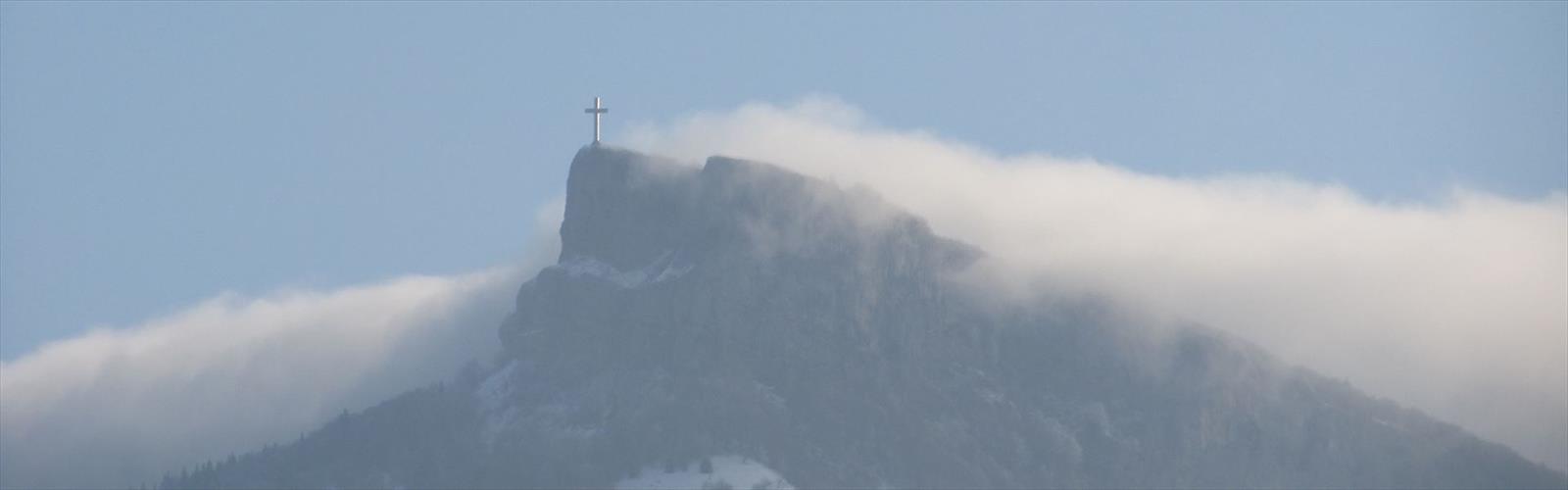

Ready to explore Croix du Nivolet? Here's everything you need to know before you go!
Discover the trail
Trail description
The Croix du Nivolet stands as one of Savoie's most rewarding summit hikes, offering a challenging climb through diverse alpine terrain to reach spectacular panoramic views. This demanding 6.5-kilometer trail takes you through 640 meters of elevation gain over approximately 3 hours and 15 minutes as you ascend toward the distinctive cross that marks the summit, making it a favorite among experienced hikers seeking both physical challenge and scenic payoff in the French Alps.
The trail begins in dense mixed forest, where the path winds steadily upward through stands of beech, fir, and spruce. Early morning hikers often encounter deer and various bird species in these lower elevations, while the forest canopy provides welcome shade during warmer months. The initial forest section establishes the relentless nature of this climb, with switchbacks cutting through the understory as you begin accumulating the substantial elevation gain that defines this hike.
As you gain elevation, the character of the hike transforms dramatically, with the dense woodland gradually giving way to more open terrain. The transition zone offers glimpses of what lies ahead while still providing some shelter from wind and weather. This middle elevation band showcases the diverse ecosystems that make Savoie hiking so compelling, as alpine influences begin to assert themselves over the temperate forest environment.
Technical Challenges and Terrain
The middle section of the ascent presents the most technical challenges, with rocky passages and steeper grades that demand careful footing and steady endurance. Here, the trail cuts across exposed slopes where hikers get their first glimpses of the surrounding Savoie peaks. The terrain becomes increasingly alpine in character, with hardy mountain vegetation replacing the forest understory and expansive views beginning to open up across the valley below.
This hike demands respect for its technical nature and significant elevation gain. The trail surface varies considerably throughout the ascent, from well-maintained forest paths in the lower sections to more rugged, rocky terrain as you approach the summit. Hikers should expect some loose rock and potentially muddy conditions, particularly after recent rainfall or during snowmelt periods. The moderate difficulty rating reflects both the sustained climbing and the varied technical demands that characterize different sections of the route.
The substantial elevation gain makes this a workout that requires good cardiovascular fitness and strong legs. The ascent is relentless in places, with few flat sections to provide relief. Proper hiking boots with good ankle support and aggressive tread are essential, as the varied terrain includes everything from forest floor to exposed rock faces.
Summit Experience
The final approach to the Croix du Nivolet requires navigating rocky outcrops and potentially some scrambling sections, depending on the exact route conditions. The summit cross itself serves as both a landmark and a rewarding destination, marking the high point of this challenging ascent. From this vantage point, hikers are treated to sweeping views across the Savoie region, with clear days revealing distant peaks of the greater Alpine chain.
The summit area provides an ideal spot for a well-earned rest and meal, though hikers should come prepared for potentially windy conditions and temperature drops compared to the trailhead. The exposed nature of the summit means weather can change quickly, making proper layering essential even on seemingly mild days. The cross itself stands as a testament to the mountain's significance in the local landscape, providing both a tangible goal and a perfect photo opportunity.
Seasonal Considerations and Timing
The Croix du Nivolet hike is best attempted from late spring through early fall, when snow conditions don't present additional hazards on the upper reaches. Summer months offer the most reliable weather windows, though afternoon thunderstorms can develop quickly in the mountains. Early morning starts are recommended both for weather considerations and to avoid the heat of midday on exposed sections.
Spring hikers may encounter lingering snow patches on north-facing slopes and around the summit area, while fall brings spectacular foliage in the lower forest sections but also increased likelihood of wet and slippery conditions. The changing seasons dramatically alter the character of this hike, from the fresh greens of spring emergence to the golden displays of autumn in the deciduous sections.
Winter ascents are possible for experienced mountaineers with proper equipment, but the trail becomes a serious alpine undertaking requiring technical skills and gear. The moderate summer rating can quickly escalate to advanced difficulty when snow and ice enter the equation.
Equipment and Preparation
Given the challenging nature of this hike, proper preparation is crucial for both safety and enjoyment. Sturdy hiking boots are non-negotiable, as the varied terrain and significant elevation gain demand reliable footwear. Trekking poles prove invaluable for the steep sections and can provide crucial stability on the rockier portions of the trail.
Weather protection becomes increasingly important as you gain elevation, with conditions at the summit often dramatically different from those at the trailhead. A layering system that includes wind and rain protection is essential, as the exposed summit area offers little shelter from the elements. Plenty of water and high-energy snacks are necessary to fuel the demanding ascent, particularly given the sustained nature of the climbing.
Navigation and Safety
While the main trail to Croix du Nivolet is generally well-marked, the varied terrain and potential for weather changes make proper navigation skills important. A detailed topographic map and compass or GPS device should be standard equipment, particularly for hikers unfamiliar with the area. The rocky sections near the summit can present route-finding challenges, especially in poor visibility conditions.
The remote nature of this hike means that self-sufficiency is important. Cell phone coverage may be spotty, particularly in the forested lower sections, so hikers should inform others of their planned route and expected return time. The technical nature of some sections also means that hiking alone is not recommended, especially for those unfamiliar with the trail.
This demanding Savoie summit offers experienced hikers a genuine alpine challenge with commensurate rewards, combining technical terrain, significant physical demands, and spectacular mountain scenery into one memorable adventure that showcases the best of what the French Alps have to offer.
The Essential Hiking Checklist
Everything you need for your next hike. Bilingual, printable, 1 page.
Get your free hiking checklistRecommended gear for this trail
As an Amazon Associate I earn from qualifying purchases.


Ready to go?
Everything you need to know before you goWhen?
How much?
As an Amazon Associate I earn from qualifying purchases.
Affiliate links — LGPO may earn a commission at no extra cost to you.
- Hiking shoes Essential
- → Salomon Elixir Tour Mid WP · 203.38 $
- Layered clothing Essential
- Rain jacket Essential
- Trekking poles
- → Black Diamond Trail Ergo Cork · 69.99 $
- Headlamp
- → Petzl Actik Core 625 · 103.95 $
FAQ - Frequently asked questions
Everything you need to knowSimilar hikes nearby
Discover other trails you might enjoy
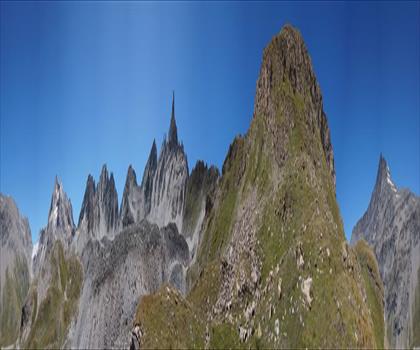
Lac de la Sassière
Savoie
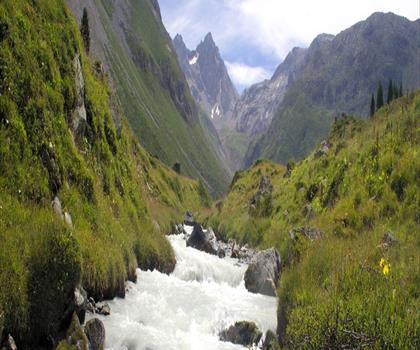
Réserve naturelle nationale du plan de Tuéda
Savoie
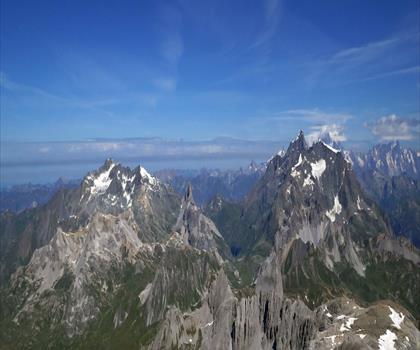
Parc national de la Vanoise
Savoie
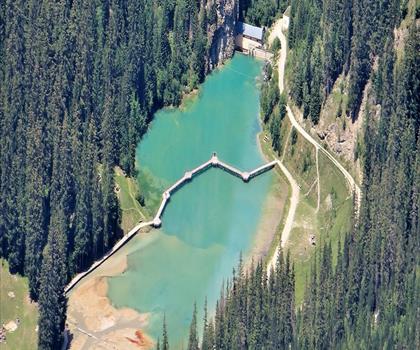
Lac de la Rosière
Savoie
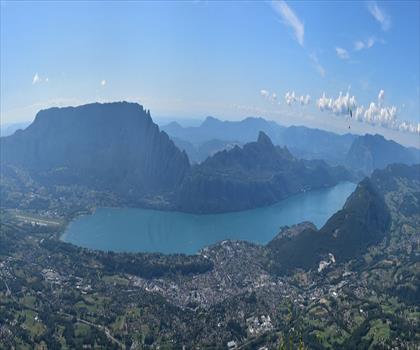
Belvédère du Revard
Savoie
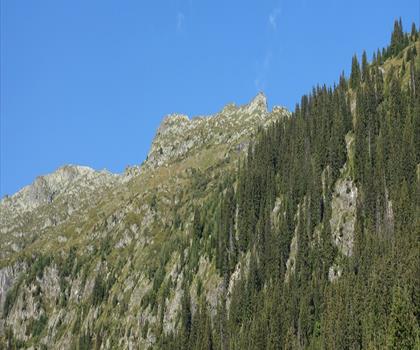
Lac de Saint-Guérin
Savoie
Hiking near Sydney
22 trails to explore ~4981 km away
We work hard to provide the most up-to-date and error-free data possible. If something seems incorrect, let us know! Your contribution helps the whole community.
Hikers' opinions
Be the first to review!
No hiker has shared their experience yet. Share your impressions and help other hikers!