
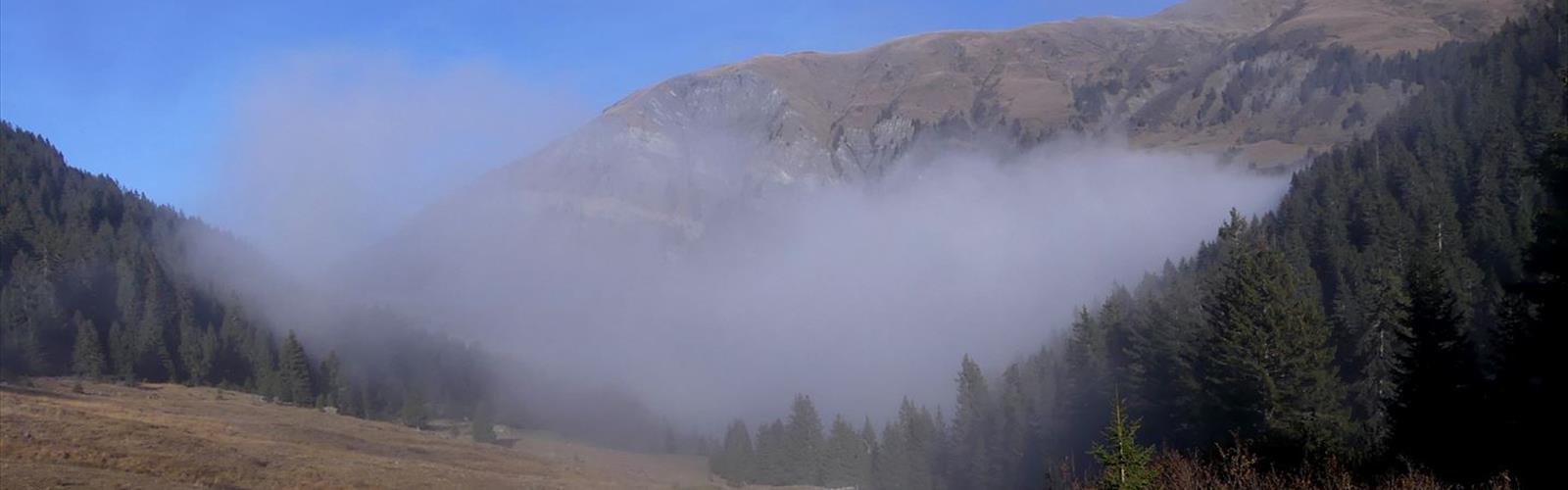

Ready to explore Lac des Fées? Here's everything you need to know before you go!


Trail description
Lac des Fées sits nestled in the heart of Savoie, offering hikers a rewarding alpine adventure that combines moderate challenge with spectacular mountain scenery. This pristine mountain lake, whose name translates to "Lake of the Fairies," lives up to its enchanting moniker with crystal-clear waters that mirror the surrounding peaks and create an almost magical atmosphere that captivates visitors throughout the hiking season.
The trail to Lac des Fées winds through diverse alpine terrain that showcases the best of the Savoyard landscape. Starting from the trailhead, hikers immediately enter a world of dense coniferous forests dominated by spruce and fir trees, their branches heavy with the scent of pine resin. The path begins gently but gradually increases in steepness as it climbs 500 meters of elevation gain through this mountain environment.
As you progress along the trail, the forest canopy occasionally opens to reveal glimpses of the dramatic peaks that define this region of the French Alps. The terrain transitions from soft forest floor covered in pine needles to rockier sections where the underlying geology of the mountains becomes visible. Granite outcroppings and weathered limestone create natural stepping stones and add visual interest to the ascent.
Trail Experience and Terrain
The hiking experience at Lac des Fées offers a perfect introduction to alpine hiking for those ready to tackle moderate elevation gain. The trail surface varies considerably, beginning on well-maintained dirt paths that gradually become more rugged and rocky as elevation increases. Hikers will encounter root systems crossing the path in forested sections, requiring careful foot placement, especially during wet conditions when these natural obstacles become slippery.
Midway through the ascent, the trail emerges from dense forest into more open terrain where alpine meadows begin to dominate the landscape. During summer months, these meadows burst with wildflowers including gentians, alpine asters, and mountain avens, creating colorful carpets that contrast beautifully with the darker greens of the surrounding conifers. The changing vegetation zones provide excellent opportunities for nature photography and botanical observation.
The final approach to Lac des Fées involves navigating steeper terrain where the trail becomes more challenging. Rocky sections require sure footing, and hikers should be prepared for loose stones and potentially muddy conditions, particularly after rainfall or during snowmelt periods. The effort required for this final push is immediately rewarded upon reaching the lake's shoreline.
The Lake and Surrounding Environment
Lac des Fées itself represents the crown jewel of this hiking destination. The lake's pristine waters reflect the surrounding mountain peaks with mirror-like clarity on calm days, creating stunning photographic opportunities and moments of serene contemplation. The lake's alpine setting means water temperatures remain quite cold throughout the year, though some hardy visitors do take quick dips during the warmest summer days.
The shoreline offers several excellent spots for rest and lunch breaks, with flat rocks and small clearings providing natural seating areas. The lake's perimeter can be partially explored, though dense vegetation and steep terrain limit complete circumnavigation. The eastern shore typically offers the best views and most comfortable resting spots, with optimal lighting for photography during morning and early afternoon hours.
Wildlife observation opportunities abound in this protected alpine environment. Marmots frequently sun themselves on rocks near the lake, their distinctive whistling calls echoing across the water. Golden eagles and other raptors soar overhead, taking advantage of thermal currents created by the mountain terrain. Hikers with patience and quiet observation skills may spot chamois on distant rocky slopes, though these agile mountain goats typically maintain safe distances from human activity.
Seasonal Considerations and Planning
The hiking season at Lac des Fées typically extends from late spring through early autumn, with optimal conditions generally occurring between June and September. Snow can persist at higher elevations well into May, making early season attempts potentially challenging and requiring appropriate equipment and experience with snow travel.
Summer months provide the most reliable access and comfortable hiking conditions, though this also means encountering more fellow hikers, particularly on weekends and during French holiday periods. Early morning starts help avoid crowds and provide the best lighting conditions for photography while temperatures remain cooler for the ascent.
Autumn hiking offers spectacular foliage displays as deciduous trees and shrubs transform into brilliant yellows and reds, though weather becomes increasingly unpredictable and early snowfall becomes possible at higher elevations. Hikers choosing autumn visits should monitor weather forecasts carefully and be prepared for rapidly changing conditions.
Practical Hiking Information
Proper footwear proves essential for safely enjoying the trail to Lac des Fées. Sturdy hiking boots with good ankle support and aggressive tread patterns help navigate the varied terrain, from forest paths to rocky sections near the lake. Trekking poles provide valuable stability and reduce stress on knees during both ascent and descent.
Water requirements should be planned carefully, as no reliable water sources exist along the trail route. Carrying sufficient water for the entire hike, plus emergency reserves, ensures proper hydration throughout the journey. While the lake itself provides water, proper purification would be necessary before consumption.
Weather protection becomes crucial given the alpine environment's tendency toward rapid weather changes. Even during summer months, temperatures can drop significantly, and afternoon thunderstorms develop quickly in mountain regions. Layered clothing systems, rain protection, and warm layers should be standard equipment regardless of morning weather conditions.
The 500-meter elevation gain demands respect and proper pacing, particularly for hikers unaccustomed to mountain terrain. Taking regular breaks, maintaining steady but comfortable pace, and listening to your body's signals help ensure an enjoyable and safe hiking experience to this beautiful Savoyard destination.
The Essential Hiking Checklist
Everything you need for your next hike. Bilingual, printable, 1 page.
Get your free hiking checklistRecommended gear for this trail
As an Amazon Associate I earn from qualifying purchases.


Ready to go?
Everything you need to know before you goWhen?
How much?
As an Amazon Associate I earn from qualifying purchases.
Affiliate links — LGPO may earn a commission at no extra cost to you.
- Hiking shoes Essential
- → Salomon Elixir Tour Mid WP · 203.38 $
- Layered clothing Essential
- Rain jacket Essential
- Trekking poles
- → Black Diamond Trail Ergo Cork · 69.99 $
- Headlamp
- → Petzl Actik Core 625 · 103.95 $
FAQ - Frequently asked questions
Everything you need to knowSimilar hikes nearby
Discover other trails you might enjoy
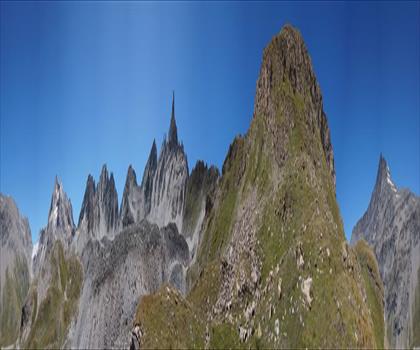
Lac de la Sassière
Savoie
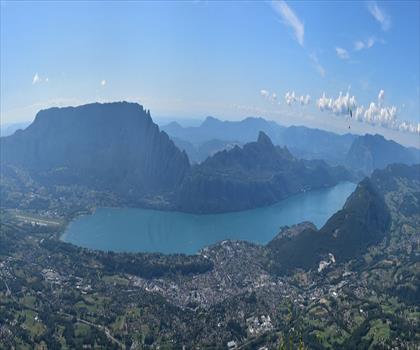
Belvédère du Revard
Savoie
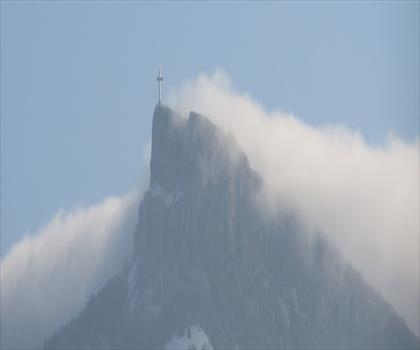
Croix du Nivolet
Savoie
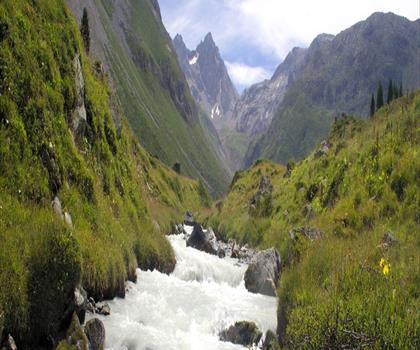
Réserve naturelle nationale du plan de Tuéda
Savoie
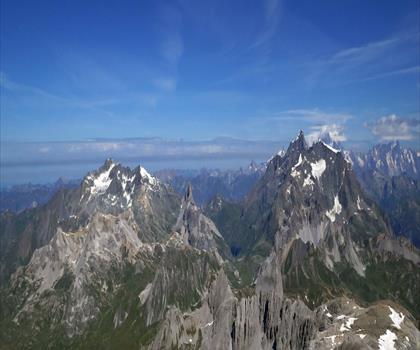
Parc national de la Vanoise
Savoie
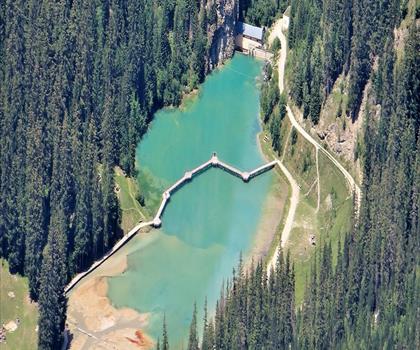
Lac de la Rosière
Savoie
Hiking near Sydney
22 trails to explore ~5025 km away
We work hard to provide the most up-to-date and error-free data possible. If something seems incorrect, let us know! Your contribution helps the whole community.
Hikers' opinions
Be the first to review!
No hiker has shared their experience yet. Share your impressions and help other hikers!