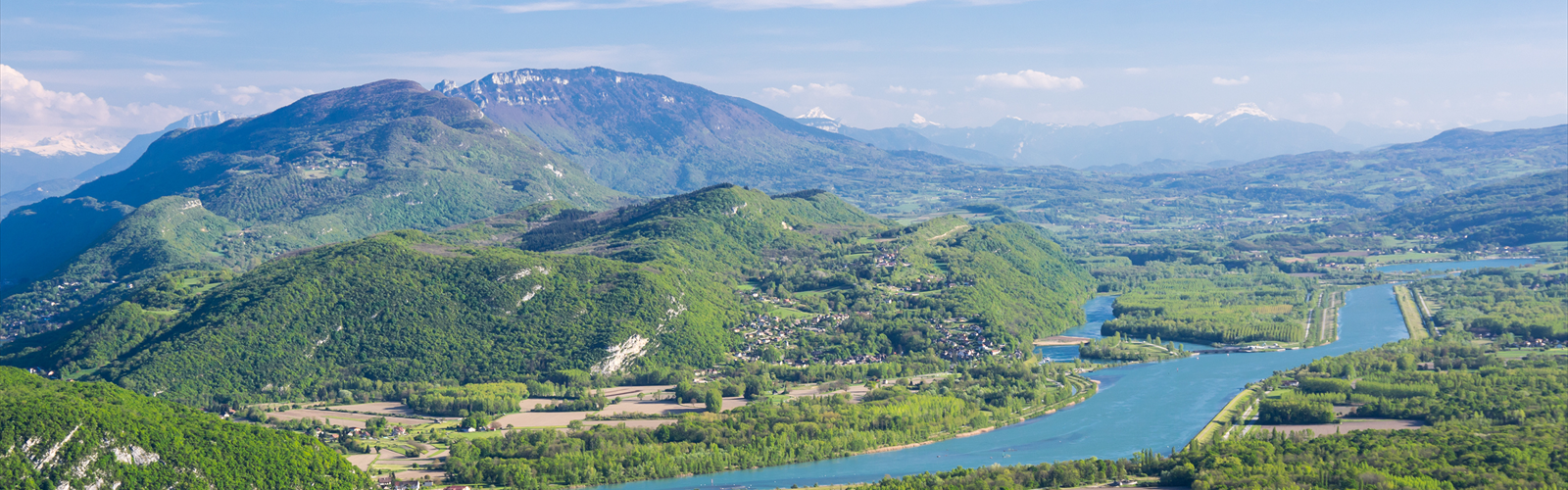
Parc naturel régional du Morvan
- Dogs: to be confirmed
or pick your starting city — the number is how many trails we list.
Bourgogne-Franche-Comté · Côte-d'Or
One outing. Just the right one.
One hiking trail in Côte-d'Or, with its duration, level and access.
By François Dumaine · updated March 14, 2026
See the trails in Côte-d'Or
1 trail
No trail matches these filters.
Coordinates: LGPO database · map © OpenStreetMap contributors
Trails can close or change with the season: thaw, snow, maintenance. Each trail page links to the site manager, who publishes closures.
Our practical tipsThe dog rules are not yet confirmed on our trail pages for this region.
Our practical tipsCounts based on our 1 trail in Côte-d'Or; details and sources are on each trail page.
We list 1: 1 moderate.
Each trail page links to the site manager's website (park, municipality, reserve), which publishes closures and rules. During the thaw and after heavy rain, some trails may be closed.
Nestled in the heart of Burgundy, Côte-d'Or offers an exceptional playground for hiking enthusiasts, where rolling vineyards meet ancient forests and limestone cliffs create dramatic landscapes. This diverse department combines the prestige of world-renowned wine regions with wild natural spaces, making it an ideal destination for outdoor adventures.
The randonnée Côte-d'Or experience is defined by remarkable geological diversity and cultural richness. The region showcases the stunning contrast between the Côte viticole, with its perfectly aligned vineyard rows stretching across gentle slopes, and the rugged limestone plateaus of the Châtillonnais. Ancient beech and oak forests carpet the higher elevations, while the famous Climats of Burgundy create a unique patchwork landscape recognized by UNESCO.
The department's position along the Saône River valley and its proximity to the Morvan Regional Natural Park provide exceptional biodiversity. Hikers can encounter diverse ecosystems, from Mediterranean-influenced dry grasslands on south-facing slopes to cool, humid forest environments that shelter rare orchids and wildlife.
The sentiers Côte-d'Or network offers remarkable variety for all preferences. The GR 7 traverses the department from north to south, providing long-distance hikers with an authentic Burgundian experience through vineyards, forests, and historic villages. The Côte de Nuits wine trail combines cultural discovery with gentle walking, passing through legendary appellations like Gevrey-Chambertin and Vosne-Romanée.
For those seeking more challenging terrain, the limestone cliffs around Châtillon-sur-Seine offer dramatic viewpoints and geological wonders. The Forêt de Cîteaux provides peaceful forest walks steeped in monastic history, while the Source de la Seine trail leads to the symbolic birthplace of France's most famous river.
Côte-d'Or's topographical diversity ensures options for all fitness levels. Gentle vineyard walks and river valley paths welcome families and casual walkers, while the department's limestone plateaus and forest ridges challenge experienced hikers with steeper ascents and longer distances. The varied terrain allows for progressive skill building and diverse hiking experiences within a single region.
Plein air Côte-d'Or activities extend far beyond traditional hiking. The region's rivers and canals offer excellent canoeing and kayaking opportunities, particularly along the Saône and through the Burgundy Canal system. Rock climbing enthusiasts find challenging routes on the limestone cliffs, while mountain biking trails wind through forests and vineyard landscapes.
Wine tourism naturally complements outdoor activities, with numerous domaines offering tastings after trail adventures. The region's rich historical heritage, including Romanesque churches and medieval castles, adds cultural depth to any outdoor expedition.
Late spring through early autumn provides optimal conditions for randonnée Côte-d'Or adventures, with May through September offering the most reliable weather. The region is easily accessible via major highways and the TGV rail network, with Dijon serving as the primary gateway.
Standard hiking equipment suffices for most trails, though sturdy footwear is recommended for limestone terrain. Weather can change quickly in forested areas, so layered clothing and rain protection are advisable year-round.
Free guide: 25 hikes under 2 hours from Montreal
Drive time, distance and level for each one. The ones we go back to ourselves.
Get the guide