


Ready to explore Sentier Karstique du Grand Bois? Here's everything you need to know before you go!
Discover the trail
Trail description
The Sentier Karstique du Grand Bois offers hikers a fascinating journey through one of the Doubs region's most distinctive geological landscapes. This trail winds through ancient limestone terrain where centuries of water erosion have carved out a remarkable underground world of caves, sinkholes, and hidden waterways that occasionally surface to create an almost mystical hiking experience.
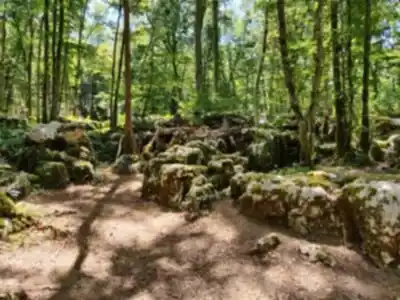
Located in the heart of the Jura Mountains, this karst trail takes you through dense mixed forests where beech, oak, and spruce trees create a canopy that filters sunlight into dappled patterns across the forest floor. The terrain here tells the story of geological time, with exposed limestone outcroppings revealing fossils and evidence of the ancient sea that once covered this region millions of years ago.
Trail Experience and Terrain
The path follows natural contours through the Grand Bois forest, where the karst topography creates a landscape unlike typical mountain trails. You'll encounter dolines—circular depressions where the ground has collapsed into underground cavities—creating natural amphitheaters surrounded by towering trees. These geological features give the trail its unique character and provide excellent spots for rest and observation.
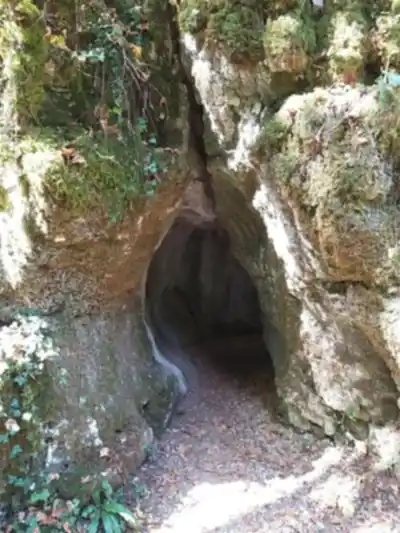
The limestone bedrock beneath your feet has been sculpted by millennia of groundwater flow, creating a network of underground rivers and caves. While most of this subterranean world remains hidden, hikers will notice how streams appear and disappear seemingly at random, vanishing into swallow holes only to emerge from springs further along the trail. This hydrological mystery adds an element of discovery to every hike.
With 150 meters of elevation gain distributed throughout the route, the trail offers a moderate workout without overwhelming steep sections. The ascents and descents follow the natural rhythm of the karst landscape, where you'll climb over limestone ridges and descend into valleys carved by ancient water flow. The varied elevation provides changing perspectives of the surrounding Doubs countryside and glimpses of the broader Jura mountain range.
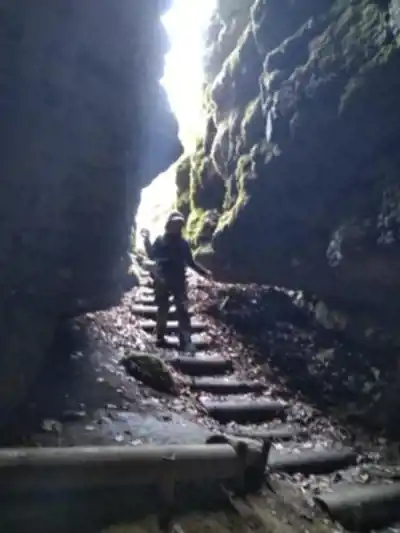
The trail surface alternates between packed earth sections and areas where you walk directly on exposed limestone bedrock. This variety keeps the hiking experience engaging, though it requires attention to foot placement, especially when the rock is wet. The natural limestone pavement creates interesting textures underfoot and showcases the geological processes that shaped this unique landscape.
What Makes This Trail Special
What sets the Sentier Karstique du Grand Bois apart from other trails in the Bourgogne-Franche-Comté region is its exceptional display of karst phenomena. The trail serves as an outdoor geology classroom where you can observe firsthand how water shapes limestone landscapes over geological time. The interplay between surface and underground water systems creates a dynamic environment that changes with seasons and weather patterns.
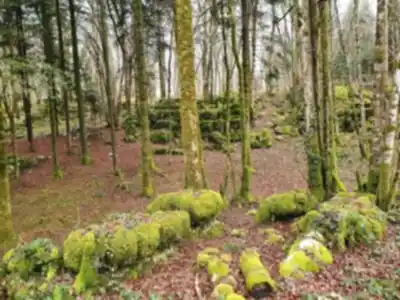
The forest itself has adapted to the unique conditions of karst terrain. Trees grow in unusual patterns, with some appearing to emerge directly from rock crevices where their roots have found purchase in the limestone joints. This creates dramatic visual compositions and demonstrates nature's remarkable ability to thrive in challenging conditions.
Rock formations along the trail display clear stratification layers, telling the story of ancient marine environments. Fossil enthusiasts will find plenty to examine in the exposed limestone faces, where marine creatures from millions of years ago are preserved in stone. These geological features make the trail particularly rewarding for hikers interested in earth sciences and natural history.
Flora and Wildlife
The Grand Bois forest supports a rich ecosystem adapted to the unique conditions of karst terrain. The well-drained limestone soil creates ideal conditions for wildflowers, particularly in spring when wood anemones, wild garlic, and various orchid species bloom in the forest clearings. The diverse plant life includes both mountain and lowland species, creating botanical interest throughout the hiking season.
Wildlife thrives in this protected forest environment. Deer are commonly spotted in the early morning and evening hours, while red squirrels can be observed year-round gathering nuts and navigating the tree canopy. The area's caves and rock crevices provide habitat for several bat species, and patient hikers might spot these nocturnal creatures emerging at dusk. Bird life includes woodpeckers, nuthatches, and various songbirds that appreciate the mature forest habitat.
The karst environment creates unique microhabitats that support specialized plant communities. In the deeper dolines, cooler and more humid conditions allow ferns and mosses to flourish, creating lush green carpets that contrast beautifully with the surrounding limestone. These microclimates add diversity to the forest ecosystem and provide interesting botanical discoveries for observant hikers.
Seasonal Considerations
Each season transforms the Sentier Karstique du Grand Bois into a different hiking experience. Spring brings wildflower blooms and the most active water flow, when underground streams are at their fullest and the sound of hidden water creates a constant soundtrack to your hike. The fresh green foliage provides excellent contrast against the pale limestone formations.
Summer hiking offers the most comfortable conditions, with the forest canopy providing natural air conditioning even on warm days. The limestone terrain stays relatively cool, and the well-established trail remains dry and stable. This is the ideal season for families and those wanting to take time exploring the geological features without weather concerns.
Autumn transforms the forest into a spectacular display of colors, with the mixed deciduous trees creating a brilliant canopy of reds, yellows, and oranges. The fallen leaves reveal more of the underlying rock formations and make the karst features more visible and photographable.
Winter hiking is possible but requires extra caution, as limestone can become slippery when wet or icy. However, the bare trees reveal the full scope of the karst landscape, and snow highlights the dramatic contours of dolines and rock formations that might be less obvious during leafy seasons.
Practical Hiking Information
The trail is well-marked with standard French hiking blazes, making navigation straightforward for hikers familiar with European trail systems. Good hiking boots with solid grip are essential, particularly in wet conditions when limestone becomes slippery. The rocky terrain demands attention to foot placement, but the trail is well-maintained and suitable for hikers with basic fitness levels.
Water sources along the trail are unreliable due to the karst hydrology, so carry sufficient water for the estimated duration of 1 hour and 15 minutes. While springs do appear along the route, their flow varies seasonally and water quality cannot be guaranteed without proper filtration.
The geological nature of this trail makes it particularly educational for families with older children who can appreciate the unique landscape features. Photography enthusiasts will find excellent opportunities throughout the hike, from macro shots of limestone textures and fossil details to landscape views of the surrounding Doubs region.
The Essential Hiking Checklist
Everything you need for your next hike. Bilingual, printable, 1 page.
Get your free hiking checklistRecommended gear for this trail
As an Amazon Associate I earn from qualifying purchases.


Ready to go?
Everything you need to know before you goWhen?
How much?
As an Amazon Associate I earn from qualifying purchases.
Affiliate links — LGPO may earn a commission at no extra cost to you.
- Hiking shoes Essential
- → Salomon Elixir Tour Mid WP · 203.38 $
- Layered clothing Essential
- Rain jacket Essential
- Trekking poles
- → Black Diamond Trail Ergo Cork · 69.99 $
- Headlamp
- → Petzl Actik Core 625 · 103.95 $
FAQ - Frequently asked questions
Everything you need to knowHiking near Sydney
22 trails to explore ~4915 km away
We work hard to provide the most up-to-date and error-free data possible. If something seems incorrect, let us know! Your contribution helps the whole community.
Hikers' opinions
Be the first to review!
No hiker has shared their experience yet. Share your impressions and help other hikers!