

Ready to explore Gorges de l'Auvézère? Here's everything you need to know before you go!
Discover the trail
Trail description
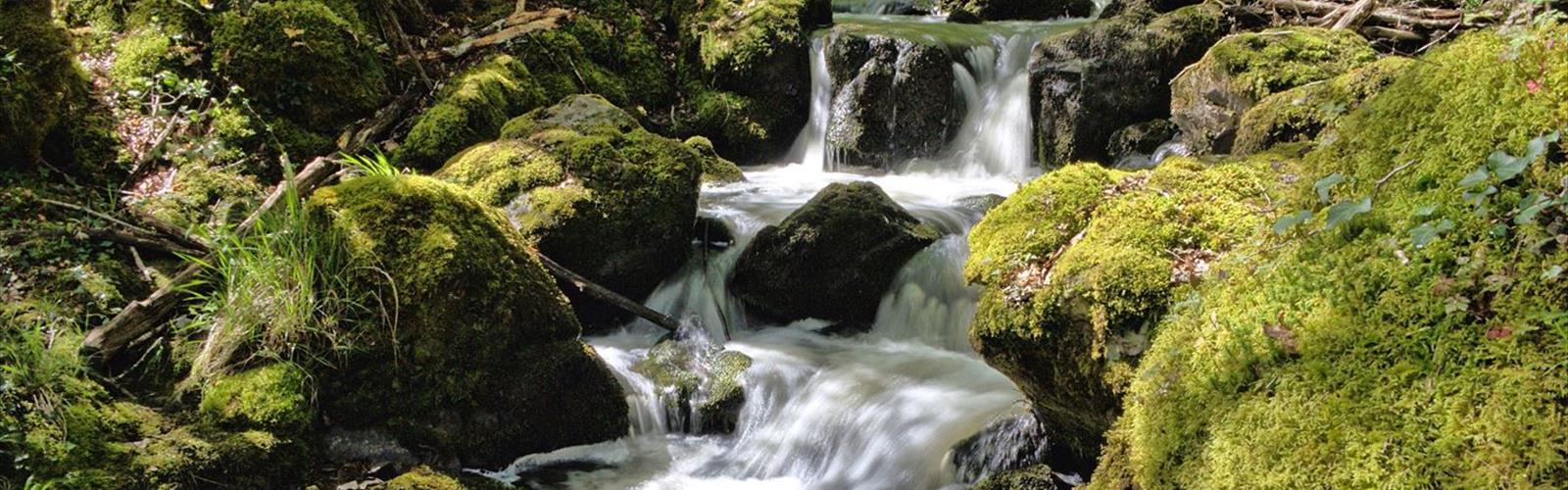
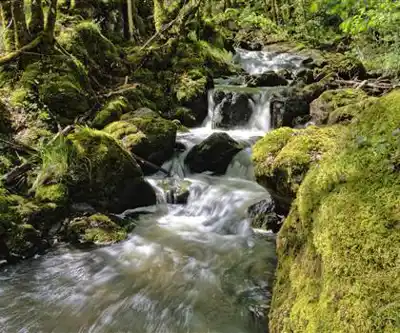
The Gorges de l'Auvézère cuts through one of the Dordogne's most striking limestone landscapes, where the river has spent centuries carving deep into the rock to create a canyon that genuinely feels removed from the modern world. At 3.2 kilometers with 200 meters of elevation change, this moderate hike delivers a surprisingly immersive experience for its length — the kind of trail where you consistently find yourself stopping not because you're tired, but because something caught your eye.
The trail starts near the village of Saint-Mesmin, where a small gravel parking area sits at the gorge entrance. From the first few steps, the temperature drops noticeably as the cliffs close in and the tree canopy thickens overhead. That natural air conditioning is one of the gorge's most appreciated features, making it a genuinely comfortable option even when summer heat makes other regional trails feel punishing.
How the Trail Unfolds
The route descends into the canyon from the trailhead, which means you're banking most of the 200 meters of elevation change on the way in. It's a gradual descent, nothing that requires scrambling, but it does mean the return leg is where you'll feel the hike in your legs. Keep that in mind when you're tempted to linger at the halfway point — and you will be tempted.
The terrain shifts as you move deeper into the gorge. The first section follows a well-maintained dirt path through mixed oak and beech forest, where the light filters through in long shafts and the sound of the Auvézère River builds gradually. As the canyon narrows, the trail becomes rockier and demands more attention underfoot, particularly on the limestone sections that turn genuinely slippery after rain. The path crosses the river multiple times via wooden bridges and stepping stones, which adds variety to the route and gives kids something to look forward to at regular intervals.
The midpoint of the hike is where the gorge earns its reputation. The walls rise nearly vertically on both sides, the river sound echoes off the rock, and the honey-colored Périgord limestone — streaked with rust-red iron deposits — creates a visual texture that's hard to describe without sounding like a travel brochure. It's genuinely impressive in a quiet, geological way. The caves visible along the canyon walls here connect the site to the broader prehistoric heritage of the region, though the gorge itself is the main draw rather than any specific archaeological feature.
Wildlife Along the Route
The gorge sits within the Périgord-Limousin Regional Natural Park, and the protected status shows in the wildlife density. European kingfishers are the highlight for most visitors — they move fast, a streak of blue and orange low over the water, and you'll hear the sharp call before you see the bird. Grey herons are easier to spot, standing motionless in the shallower pools as if they're part of the rock. Roe deer are most active at the canyon entrance during early morning and evening, and wild boar are present in the forest though rarely visible during daylight hours.
The river itself supports a healthy ecosystem, and the combination of flowing water, cliff faces, and mixed deciduous forest creates enough habitat diversity that wildlife sightings feel like a consistent part of the experience rather than a lucky bonus.
Seasonal Conditions
Spring is the most dramatic season in the gorge. Snowmelt pushes the Auvézère higher and faster, wildflowers cover the forest floor, and the whole canyon feels alive in a way that's specific to that window. The tradeoff is mud on the trail and more challenging stream crossings — worth knowing before you show up in April with road shoes.
Summer is the most comfortable season for most hikers. The gorge's natural shade and the river's cooling effect keep temperatures manageable even when the surrounding Dordogne countryside is baking. Autumn brings the mixed forest into full color, gold and crimson against the pale limestone, which makes for some of the best photography of the year. Winter hiking is possible but requires real caution — the sheltered position of the gorge means it holds snow and ice longer than the surrounding area, and wet limestone in freezing temperatures is not forgiving.
What to Bring
Sturdy hiking boots with ankle support are the right call here. The rocky sections and stream crossings are manageable, but trail runners or casual shoes will make the wet limestone sections more stressful than they need to be. Trekking poles are genuinely useful on the steeper return climb and when navigating the stepping stone crossings.
Bring more water than you think you need. The humidity inside the gorge combined with the physical effort of the return climb adds up, and there are no water sources or facilities on the trail itself. Snacks are worth packing for the same reason — the estimated 1 hour 30 minutes assumes a steady pace, but most people end up spending closer to 2 to 3 hours once you factor in time at the caves, the river crossings, and the inevitable stops to watch the kingfishers.
Families and Dogs
The trail works well for families with children over 8 who have some hiking experience. The stream crossings and rocky sections need adult supervision, but the varied terrain — water, caves, bridges, wildlife — keeps kids engaged in a way that a straightforward forest path often doesn't. Younger children or those without hiking experience may find the return climb and the rocky midsection more challenging than expected.
Dogs are welcome but must stay leashed throughout the hike. Wildlife protection regulations and the presence of livestock in adjacent fields make this a firm requirement rather than a suggestion. The multiple river crossings give dogs plenty of opportunity to cool off, which makes the leash rule easier to manage on warm days.
Getting There and Parking
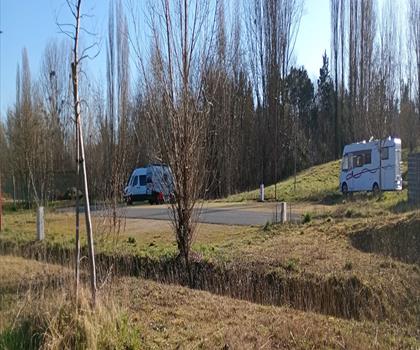
The small gravel parking area near Saint-Mesmin fills up quickly on peak season weekends. If it's full, parking is available in the village itself, which adds roughly 500 meters to the total distance. There are no access fees for the trail. Restrooms, restaurants, and supplies are available in Saint-Mesmin village before you head in — the trail has no facilities of its own.
As part of the Périgord-Limousin Regional Natural Park, the gorge is subject to Leave No Trace principles, and the trail's condition reflects the care that regular visitors put into maintaining it.
The Essential Hiking Checklist
Everything you need for your next hike. Bilingual, printable, 1 page.
Get your free hiking checklistRecommended gear for this trail
As an Amazon Associate I earn from qualifying purchases.


Ready to go?
Everything you need to know before you goWhen?
How much?
As an Amazon Associate I earn from qualifying purchases.
Affiliate links — LGPO may earn a commission at no extra cost to you.
- Hiking shoes Essential
- → Salomon Elixir Tour Mid WP · 203.38 $
- Layered clothing Essential
- Rain jacket Essential
- Trekking poles
- → Black Diamond Trail Ergo Cork · 69.99 $
- Headlamp
- → Petzl Actik Core 625 · 103.95 $
FAQ - Frequently asked questions
Everything you need to knowSimilar hikes nearby
Discover other trails you might enjoy
Hiking near Sydney
22 trails to explore ~4654 km away
We work hard to provide the most up-to-date and error-free data possible. If something seems incorrect, let us know! Your contribution helps the whole community.
Hikers' opinions
Be the first to review!
No hiker has shared their experience yet. Share your impressions and help other hikers!