
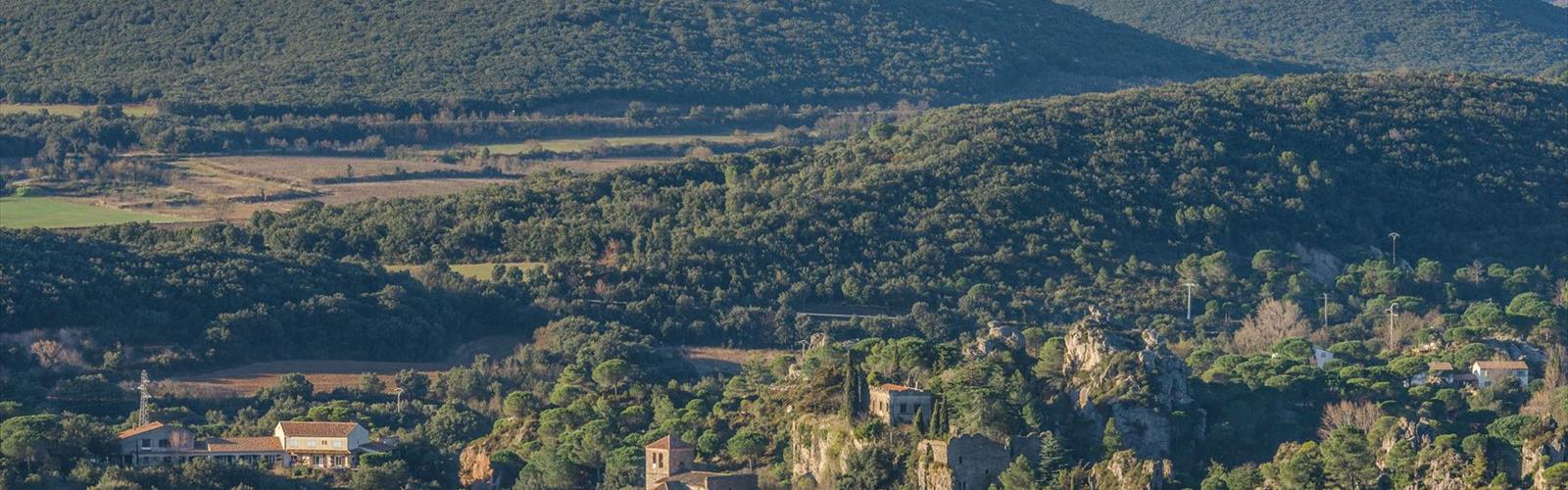

Ready to explore Cirque de Mourèze? Here's everything you need to know before you go!
Discover the trail
Trail description
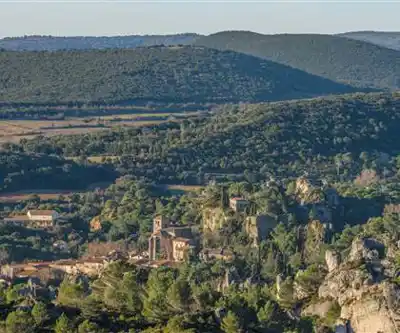
The Cirque de Mourèze is one of the most striking natural sites in southern France — a vast limestone amphitheater in the heart of Hérault that genuinely stops you in your tracks the first time you see it. The scale of the place is hard to grasp from photos. You're walking through a maze of dolomitic rock pillars, some rising over 100 meters, sculpted by millions of years of erosion into shapes that look almost deliberate. Locals have named the most recognizable ones — The Sphinx, The Camel, The Elephant — and once you see them, the names make perfect sense.
The pale gray and white stone against a deep blue Mediterranean sky is a combination that never gets old. This isn't a hike where you put your head down and grind out kilometers. It's a place where you stop constantly, look up, squeeze through narrow corridors, and wonder how the rock ended up looking exactly like that.
The Trail
The main circuit through the cirque covers 3.5 km with 300 meters of elevation gain, and most hikers complete it in around 2 hours 15 minutes. That puts it firmly in the easy category, though the terrain keeps things interesting the whole way. The path weaves through the heart of the formation, passing between massive stone pillars and through tight passages where the walls close in on both sides. It's not technical, but it's not a flat stroll either.
The 300 meters of elevation are spread across the circuit rather than concentrated in one brutal climb, which makes the effort feel manageable. There are a few steeper sections that reward you with elevated viewpoints over the entire cirque — worth pausing at, especially in the morning when the light hits the stone at a low angle.
Trail markers are color-coded and generally reliable, which matters here because the rock formations are genuinely disorienting. Many passages look similar, and it's easy to convince yourself you know where you're going when you don't. Stick to the marked routes, especially on your first visit.
Terrain and Conditions
The surface underfoot shifts constantly — smooth limestone slabs, rocky steps, loose scree in spots. Sturdy hiking boots with good grip are the right call here. The limestone can be extremely slippery when wet, and the pale rock reflects and amplifies sunlight during summer, making the cirque feel significantly hotter than the surrounding area.
There are no water sources within the cirque itself, so carry more than you think you need, particularly from late spring through early fall. Sun protection — hat, sunglasses, sunscreen — is non-negotiable in summer. The reflective stone means you're getting hit from multiple angles.
The rock formations create natural microclimates throughout the circuit. Some corridors stay cool and shaded for most of the day, while open sections bake in full sun. That variation is part of what makes the place interesting, but it also means conditions can change quickly as you move through.
Flora and Wildlife
The cirque looks barren at first glance, but it supports a real diversity of life adapted to Mediterranean limestone conditions. Thyme, rosemary, and lavender grow in pockets of soil between the rocks — after rain or in the early morning, the fragrance is noticeable. Small oaks and pines have taken hold in more sheltered spots, while drought-resistant shrubs dominate the exposed lower sections.
Wall geckos are common in the rock crevices, and birds of prey regularly use the thermal currents rising off the sun-heated stone. Wild boar tracks show up in softer soil areas, though the animals themselves tend to stay out of sight during the day. Spring brings wildflowers that add unexpected color to the otherwise monochromatic stone landscape.
Seasonal Notes
Spring is the most comfortable season for hiking the cirque — mild temperatures, blooming vegetation, and good light for photography. The contrast between fresh green growth and pale limestone is at its best in April and May.
Summer is doable but demands an early start. By mid-morning the stone is already radiating heat, and midday in the cirque can be genuinely punishing. Aim for before 9 a.m. or wait until late afternoon.
Autumn brings cooler air and clearer skies, often the best visibility of the year. It's a strong season for the cirque and tends to be less crowded than summer.
Winter visits are possible, but wet or icy limestone is a serious hazard. The rock becomes treacherous quickly, and some of the higher sections of trail are best avoided in poor conditions. Rain transforms the cirque visually — temporary waterfalls appear on the rock faces and the stone takes on darker, more dramatic tones — but it's not the time to be scrambling around on it.
Practical Information
Parking is available near the village of Mourèze, with additional access points offering different entry routes into the formation. The site is accessible year-round, though summer visits require planning around the heat.
Rock climbers also use the cirque, and routes of various difficulties are spread throughout the formation. Hikers should stay aware of potential rockfall in active climbing areas and respect any temporary closures posted for nesting birds or safety reasons.
Dogs are welcome but need to be kept close. The maze-like terrain makes it easy for a dog to get separated, the sharp limestone is hard on paw pads, and there's no water in the cirque — bring enough for your pet as well.
Families with kids will find the cirque genuinely captivating — the rock shapes, the narrow passages, and the sense of exploration make it a natural hit with younger hikers. That said, supervision matters. The passages and elevation changes create real opportunities for a curious kid to wander somewhere they shouldn't, and some sections involve drops that require attention.
What Makes It Worth the Trip
There are plenty of limestone landscapes in southern France, but the Cirque de Mourèze has a density and scale of rock formations that sets it apart. The 3.5 km circuit is short enough that you can take your time, double back through passages that caught your eye, and still be done before lunch. It's the kind of place that rewards slow exploration more than fast hiking — the details are in the rock, and the rock is everywhere you look.
The Essential Hiking Checklist
Everything you need for your next hike. Bilingual, printable, 1 page.
Get your free hiking checklistRecommended gear for this trail
As an Amazon Associate I earn from qualifying purchases.


Ready to go?
Everything you need to know before you goWhen?
How much?
As an Amazon Associate I earn from qualifying purchases.
Affiliate links — LGPO may earn a commission at no extra cost to you.
- Hiking shoes Essential
- → Salomon Elixir Tour Mid WP · 203.38 $
- Layered clothing Essential
- Rain jacket Essential
- Trekking poles
- → Black Diamond Trail Ergo Cork · 69.99 $
- Headlamp
- → Petzl Actik Core 625 · 103.95 $
FAQ - Frequently asked questions
Everything you need to knowSimilar hikes nearby
Discover other trails you might enjoy
Hiking near Sydney
22 trails to explore ~4892 km away
We work hard to provide the most up-to-date and error-free data possible. If something seems incorrect, let us know! Your contribution helps the whole community.
Hikers' opinions
Be the first to review!
No hiker has shared their experience yet. Share your impressions and help other hikers!