
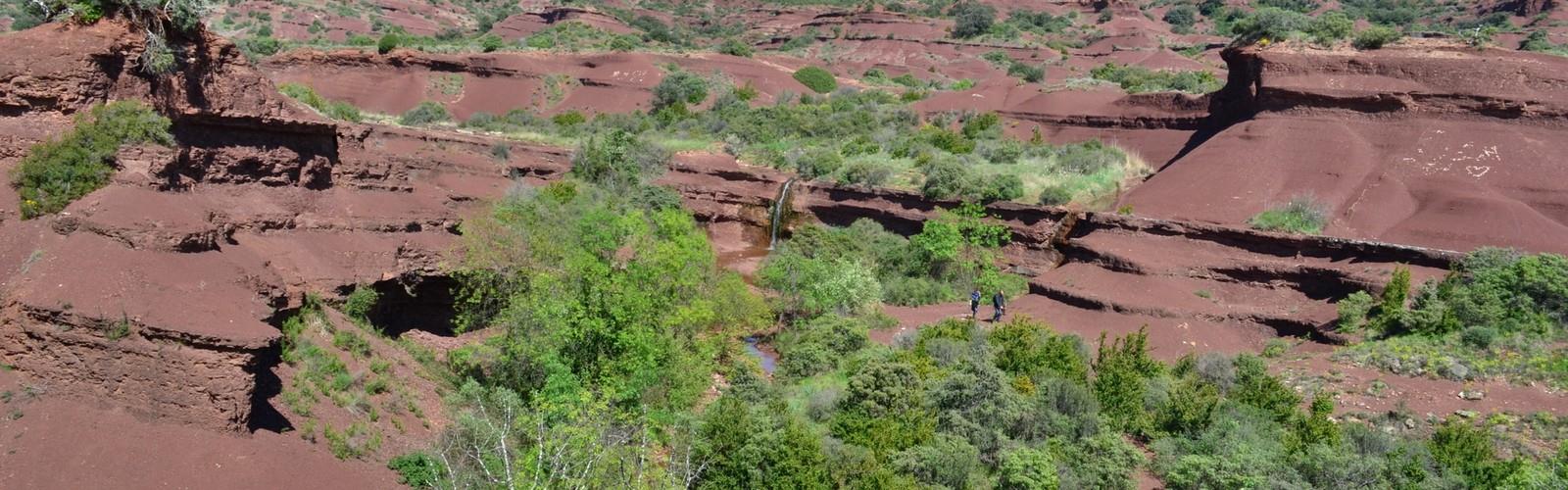

Ready to explore Canyon du diable? Here's everything you need to know before you go!
Discover the trail
Oh no! We don't have any photos 😢
This trail hasn't been captured yet. Be the first to share your adventure!Trail description
Canyon du diable is one of the most striking natural features in Hérault, where centuries of water cutting through limestone have produced a gorge system that genuinely earns its dramatic name. The terrain here is raw and physical — narrow passages, towering rock walls, hidden pools, and the constant presence of water shaping everything around you. It's the kind of place that rewards hikers who come prepared and pay attention.
At 3.5 km with 300 meters of elevation change, this is a moderate route that takes roughly 1 hour and 45 minutes to complete. Those numbers don't fully capture the effort involved, though. The terrain is technical enough that you'll be moving carefully through much of it, reading the rock and the water rather than just walking a trail.
What the Terrain Actually Feels Like
Dropping into the canyon, the first thing you notice is the temperature shift. The deep walls block direct sun and trap cool, humid air — a welcome contrast to the dry Mediterranean scrubland above. The rock walls close in on both sides, and the sound of your footsteps starts bouncing back at you in ways that feel almost enclosed, almost intimate.
The route mixes several types of movement: boulder scrambles, narrow ledge traversals, and stretches where you're walking directly in the streambed. None of it is technically extreme, but it requires focus throughout. The limestone here has been polished smooth by water over millennia, and wet surfaces can be genuinely slippery. Loose rock appears in certain sections as well, particularly where material has fallen from the walls above, so you're constantly making small decisions about footing.
The elevation change plays out as a combination of steep descents into the gorge and climbs back out or around obstacles. It's not a gradual grade — the canyon dictates the rhythm, and you follow it.
Water and the Canyon Environment
Water defines this place. Depending on recent rainfall and the time of year, you might encounter dry rocky passages, flowing streams, or deep pools that reflect the light filtering down from the canyon rim. The sound of water echoing through the narrower sections creates an atmosphere unlike anything you'll find on a standard trail in the region.
The moisture supports vegetation that feels out of place compared to the surrounding landscape. Ferns grow from crevices in the rock face, moss covers stones in the shadowed sections, and the overall feel is cooler and greener than the terrain just above. Salamanders and other amphibians use the pools and damp rock faces as habitat, and raptors nest in the upper reaches of the canyon walls.
That same water also creates the primary hazard here. After significant rainfall, water levels can rise quickly in a confined canyon system, and flash flood risk is real. Checking the weather forecast before you go isn't optional — it's a basic part of trip planning for this route.
Navigation
The canyon generally follows a natural drainage line, which gives you a logical direction of travel. That said, GPS reception can be unreliable in the deeper sections where the rock walls limit satellite visibility. Trail markers are sparse in places, partly because the canyon environment makes conventional signage difficult to maintain.
You'll need to stay alert for side passages and potential dead ends, and some sections involve basic scrambling to get around obstacles or navigate between large boulders. It's not technical climbing, but it's more than walking. Hikers who aren't comfortable with route-finding in complex terrain should go with someone who is.
Gear and Safety
Footwear matters more here than on most trails in Hérault. You want aggressive tread, solid ankle support, and ideally quick-drying materials for the water crossings. Approach shoes or light canyoning boots work well for the wet rock sections. Standard trail runners can work, but avoid anything with smooth soles.
- Footwear: Grippy soles, ankle support, quick-drying if possible
- Layers: The canyon is noticeably cooler than the surrounding area — bring an extra layer even in summer
- Emergency gear: The enclosed terrain complicates rescue access, so carrying basic emergency supplies is worth it
- Weather check: Flash flood risk makes pre-trip weather verification essential
Group travel is strongly recommended. The terrain complexity and potential hazards make solo hiking here a higher-risk proposition than it would be on a standard trail. Having other people with you improves both safety and route-finding.
Seasonal Conditions
Spring brings the highest water flow through the canyon — snowmelt and seasonal rain fill the pools and create rushing streams. The water features are at their most impressive, but the risk of sudden level changes is also at its peak. Go early in the day and keep a close eye on upstream weather.
Summer makes Canyon du diable one of the more appealing destinations in the region precisely because of the shade and cool air in the gorge. Water levels drop significantly, exposing more of the rocky streambed and making passage easier in many sections. It's a natural refuge from the heat that defines Occitanie summers.
Autumn tends to offer the most stable conditions overall — moderate temperatures, predictable water levels, and fewer people on the trail. If you want the canyon to yourself and the most consistent footing, this is the season to aim for.
Winter hiking is possible but requires extra caution. Shaded sections of the canyon can hold ice well after temperatures rise elsewhere, and the risk of sudden weather changes in a confined gorge is not something to underestimate.
What Makes This Trail Worth It
Canyon du diable offers something genuinely different from the typical Hérault hiking experience. The geology is on full display in the layered canyon walls, the microclimate creates an ecosystem that feels disconnected from the Mediterranean landscape above, and the physical engagement of the route keeps you present in a way that easier trails don't. The 3.5 km distance is short enough to complete in an afternoon, but the terrain ensures you'll feel like you actually worked for it.
The Essential Hiking Checklist
Everything you need for your next hike. Bilingual, printable, 1 page.
Get your free hiking checklistRecommended gear for this trail
As an Amazon Associate I earn from qualifying purchases.


Ready to go?
Everything you need to know before you goWhen?
How much?
As an Amazon Associate I earn from qualifying purchases.
Affiliate links — LGPO may earn a commission at no extra cost to you.
- Hiking shoes Essential
- → Salomon Elixir Tour Mid WP · 203.38 $
- Layered clothing Essential
- Rain jacket Essential
- Trekking poles
- → Black Diamond Trail Ergo Cork · 69.99 $
- Headlamp
- → Petzl Actik Core 625 · 103.95 $
FAQ - Frequently asked questions
Everything you need to knowSimilar hikes nearby
Discover other trails you might enjoy
Hiking near Sydney
22 trails to explore ~4895 km away
We work hard to provide the most up-to-date and error-free data possible. If something seems incorrect, let us know! Your contribution helps the whole community.
Hikers' opinions
Be the first to review!
No hiker has shared their experience yet. Share your impressions and help other hikers!