


Ready to explore Saddle Peak, California? Here's everything you need to know before you go!
Discover the trail
Oh no! We don't have any photos 😢
This trail hasn't been captured yet. Be the first to share your adventure!Trail description
Description
Saddle Peak rises prominently in the Santa Monica Mountains, straddling the boundary between Malibu and Calabasas. This 5.6-kilometer hike with 554 meters of elevation gain offers hikers multiple route options and sweeping views of both the Pacific Ocean and the surrounding mountain ridges. The moderate difficulty and 2.5-hour duration make it accessible to most hikers with basic fitness levels.
Trail Access and Route Options
Three distinct trails lead to Saddle Peak's summit, each offering a different hiking experience. The most established route follows the Backbone Trail, the spine trail of the Santa Monica Mountains that connects numerous peaks across the range. This well-maintained path provides steady climbing through varied terrain and connects seamlessly with the broader trail network.
For a more direct approach, take the feeder trail maintained by the Santa Monica Mountains Conservancy. This trail begins near the top of Stunt Road, just one block below the ridge intersection with Scheuren Road at the viewpoint. The trailhead's proximity to the ridge means you'll gain elevation quickly while enjoying immediate mountain vistas. This route appeals to hikers who want to maximize their time on the summit rather than the approach.
The third option is an informal trail that starts at the bottom of the peak's eastern nose, directly across from the Scheuren Viewpoint intersection. This route offers the most adventurous approach, winding past a distinctive water tower before connecting with the main trail system near the summit. While less maintained than the other options, this path provides a sense of discovery as it navigates the mountain's natural contours and typically sees fewer hikers.
The Hiking Experience
The ascent begins gradually but becomes more demanding as you approach the summit area. The trail surface varies from well-packed dirt on the Backbone Trail to rockier, more uneven terrain on the informal routes. Switchbacks help manage the steeper sections, though some direct climbs test your endurance, especially during warmer weather.
What makes this hike particularly engaging is the constantly changing perspective. As you gain elevation, new ridgelines come into view, and the relationship between the mountains and the nearby Pacific becomes increasingly dramatic. The moderate difficulty means you can focus on the scenery without being overwhelmed by technical challenges.
The final push to the summit involves navigating through sparse vegetation and exposed rock. Here, the trail becomes less defined, requiring some basic route-finding skills to reach the true summit on the southeastern hummock. This adds an element of adventure without creating serious navigation challenges.
Terrain and Vegetation
The landscape changes dramatically as you ascend Saddle Peak. Lower elevations feature scattered oak trees that provide welcome shade during warmer months. These trees create natural rest stops and frame views of the surrounding peaks. As you climb, the vegetation transitions to dwarf forest and chaparral, creating a dense, Mediterranean-style ecosystem typical of Southern California mountains.
The chaparral sections can feel almost tunnel-like, with manzanita, ceanothus, and other native shrubs creating walls on either side of the trail. This vegetation provides habitat for local wildlife but also means limited views during portions of the climb. The dense growth demonstrates how quickly these mountains recover from disturbances when left undeveloped.
The summit area presents a stark contrast to the approaches. Vegetation becomes sparse, dominated by scrub plants and grasses that have adapted to the exposed conditions. This openness, while making the peak feel somewhat barren, creates unobstructed viewing opportunities in all directions. The true summit sits on the southeastern hummock, though erosion has degraded this high point over time.
Summit Views and Features
From Saddle Peak's true summit, hikers enjoy commanding views that showcase the diversity of the Santa Monica Mountains region. To the west, the Pacific Ocean stretches to the horizon, with the coastline visible on clear days. The contrast between the rugged mountain terrain and the smooth ocean creates one of Southern California's most distinctive landscapes.
The eastern and western views reveal the rolling ridges and peaks that define this mountain range, creating a sense of the vast wilderness that exists surprisingly close to Los Angeles. On exceptionally clear days, you can trace the ridgeline connections that link Saddle Peak to other prominent summits in the range.
A second summit lies to the northwest, accessible via private road and marked by a wire-fenced compound housing numerous radio relay towers. While hikers cannot access this area, it's visible from the main summit and adds to the peak's distinctive profile. The towers serve as a landmark visible from many other peaks in the Santa Monica Mountains.
Beyond this compound, the remnants of a house foundation sit in disrepair, a reminder of past development attempts. This northwestern slope bears scars from a 1989 fire, demonstrating the ongoing cycle of fire and regeneration that shapes these mountains. The fire scars provide insight into how these ecosystems adapt and recover over decades.
Wildlife and Safety Considerations
The Santa Monica Mountains Conservancy trail occasionally hosts rattlesnakes, particularly during warmer months when these reptiles are most active. Hikers should stay alert, stick to established trails, and avoid reaching into areas where visibility is limited. Making noise while hiking and wearing appropriate footwear reduces the likelihood of surprising a snake.
The chaparral sections provide habitat for various bird species, and you might spot hawks circling the thermals around the peak. Coyotes inhabit the area but typically avoid human contact. The exposed nature of much of the trail means encounters with larger wildlife are less common than in more densely forested areas.
The exposed nature of the summit area means hikers face full sun exposure during much of the climb and at the top. This exposure, combined with the moderate elevation gain, can make the hike more challenging than the distance suggests, especially during summer months. Wind can be significant on the summit, so bring layers even on warm days.
Planning Your Visit
The multiple access points make Saddle Peak flexible for different hiking preferences and skill levels. The Backbone Trail approach works well for hikers wanting a longer, more gradual ascent and the option to extend their hike by connecting to other trail segments. The Stunt Road feeder trail appeals to those seeking efficiency and maximum summit time. The informal eastern trail suits hikers looking for a less crowded, more exploratory experience.
Water sources are not available on the mountain, so carry adequate supplies for the 2.5-hour journey. The exposed summit and sparse vegetation mean limited shade, making sun protection essential. Early morning starts help avoid the heat and often provide clearer views before afternoon haze develops.
The proximity to both Malibu and Calabasas makes Saddle Peak easily accessible from multiple directions, though parking near trailheads can be limited. The Stunt Road area offers the most convenient access, while Backbone Trail access points vary depending on your chosen starting location. Weekend parking fills up quickly, so arrive early or consider weekday visits.
Weather conditions can change quickly in the Santa Monica Mountains, with marine layer and fog affecting visibility, particularly in the morning hours. Clear days offer the best viewing opportunities, extending visibility from the Pacific Ocean to the inland valleys and distant mountain ranges.
Recommended gear for this trail


Ready to go?
Everything you need to know before you goStarting Point
To access the hiking trails, you can start from several trailheads. One option is the trailhead located at the end of Stunt Road, where there is a small parking area available. Another starting point is the trailhead on Schueren Road, which also offers parking facilities. Both locations provide convenient access to the trails.
When?
How much?
- Hiking shoes Essential
- → Salomon Elixir Tour Mid WP · 203.38 $
- Layered clothing Essential
- Rain jacket Essential
- Trekking poles
- → Black Diamond Trail Ergo Cork · 69.99 $
- Headlamp
- → Petzl Actik Core 625 · 103.95 $
FAQ - Frequently asked questions
Everything you need to know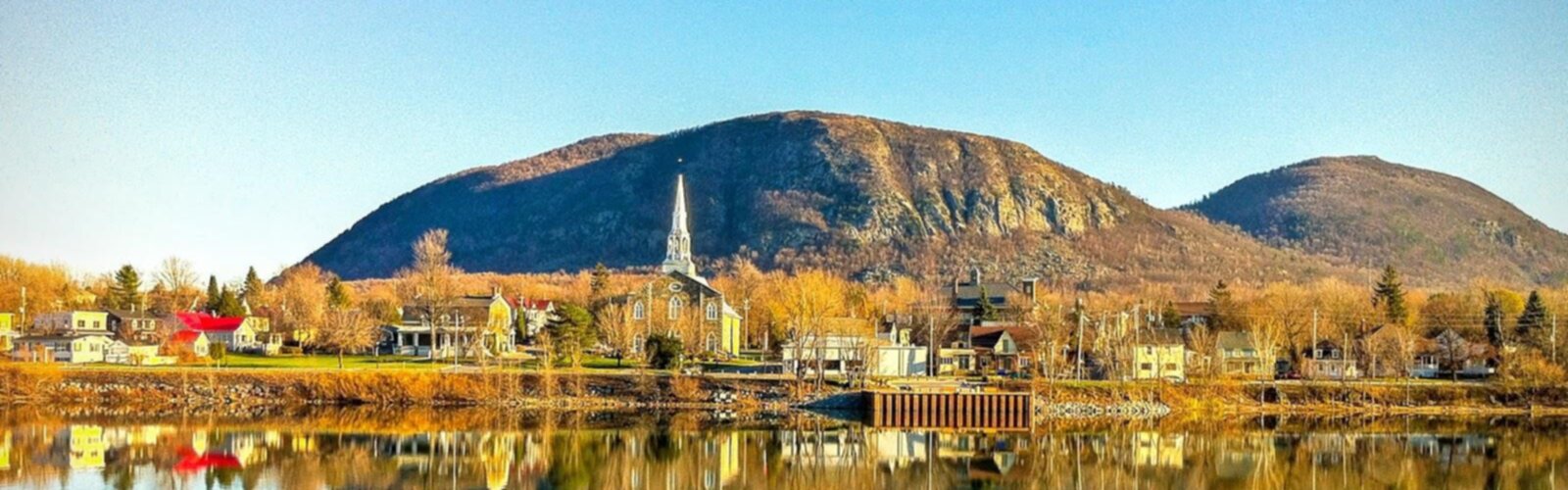
25 hikes under 2 hours from Montreal
Distance, elevation, parking and season for each one. The ones we go back to ourselves.
Get the guideSimilar hikes nearby
Discover other trails you might enjoy

Mount Lowe, California
Greater Los Angeles
Burnt Peak, California
Greater Los Angeles
Castro Peak, California
Greater Los Angeles
Cobblestone Mountain, California
Greater Los Angeles
Cummings Mountain, California
Greater Los Angeles
Double Mountain, California
Greater Los Angeles
Hiking near Victoria
93 trails to explore ~1482 km away
We work hard to provide the most up-to-date and error-free data possible. If something seems incorrect, let us know! Your contribution helps the whole community.
Hikers' opinions
Be the first to review!
No hiker has shared their experience yet. Share your impressions and help other hikers!