

Ready to explore Double Mountain, California? Here's everything you need to know before you go!
Discover the trail
Oh no! We don't have any photos 😢
This trail hasn't been captured yet. Be the first to share your adventure!Trail description
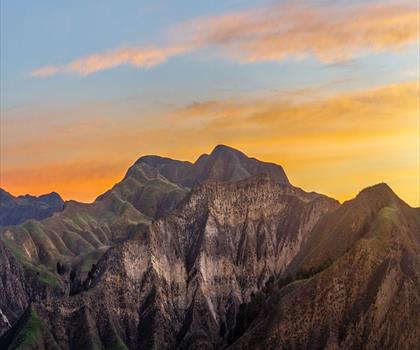
Double Mountain is one of those objectives in the greater Los Angeles backcountry that rewards the people willing to put in the work. Located in California's Mojave Desert fringe northeast of the LA basin, this peak sits in rugged, exposed terrain that feels a world away from the city — even though you're not that far from it. If you're looking for a genuine summit experience with real elevation gain and a sense of accomplishment at the top, Double Mountain delivers.
What Kind of Terrain to Expect
The approach to Double Mountain is not a groomed trail experience. This is desert mountain climbing — loose rock, scrub vegetation, and steep ridgelines that demand your full attention. The terrain is characteristic of the Mojave high desert: sparse Joshua trees and desert shrubs give way to rocky slopes as you gain elevation. The ground underfoot can be unstable in sections, so solid footwear with ankle support is a must, not a suggestion.
The mountain itself has two distinct summits — hence the name — and reaching the higher point requires navigating between them along an exposed ridge. Route-finding is part of the challenge here. There's no single obvious path, and hikers typically piece together the best line based on conditions and their own comfort with scrambling. If you've done cross-country desert hiking before, you'll feel at home. If this is your first time off-trail in the desert, Double Mountain will be a serious introduction.
The Climbing Experience
Double Mountain is often described as a hiking peak, but the upper sections push into scrambling territory. You'll use your hands in places, especially near the summit ridge. The exposure isn't technical climbing — you don't need ropes or gear — but it's enough that people with a fear of heights should think carefully before committing to the final push.
What makes this climb stand out in the greater Los Angeles area is the combination of isolation and panoramic reward. The summit views stretch across the Mojave Desert floor, with the San Gabriel Mountains visible to the south and the high desert spreading out in every direction. On a clear day, the scale of what you can see from up there is genuinely impressive. It's the kind of view that makes the grunt of the ascent feel worth it.
The climb is physical. The elevation gain is significant, and the lack of shade on the upper slopes means heat management is critical. Most people who've done this route will tell you the same thing: start early, bring more water than you think you need, and don't underestimate the return trip. Coming down loose desert terrain on tired legs is its own challenge.
Planning Your Visit
Because Double Mountain sits in the high desert, the best seasons to attempt this climb are fall, winter, and early spring. Summer temperatures in this part of California can be dangerous for exposed desert hiking, and the lack of shade on the upper mountain makes heat a genuine safety concern. Winter ascents are possible and can be rewarding, but snow and ice can appear on the upper slopes, which changes the difficulty significantly — check conditions before you go.
Water is not available on the route. This is a dry desert environment, and you need to carry everything you'll drink from the trailhead. For a climb of this nature, that means planning carefully based on the temperature and your personal hydration needs. Underestimating water needs in the Mojave is how day hikes turn into emergencies.
Navigation skills are useful here. A GPS device or a downloaded offline map is strongly recommended since the route isn't always obvious and cell service can be unreliable in this area. Familiarize yourself with the general line before you leave the car.
Who This Climb Is For
Double Mountain is best suited for hikers who already have experience with off-trail desert travel and aren't intimidated by a bit of scrambling. It's not a beginner destination. The combination of route-finding, loose terrain, significant elevation gain, and desert conditions means you need to come prepared — physically and mentally.
That said, it's not a technical mountaineering objective either. Experienced hikers who are comfortable on rocky terrain and know how to manage themselves in the desert will find this a very achievable and deeply satisfying climb. It's the kind of peak that sits in a sweet spot: challenging enough to feel like a real accomplishment, accessible enough that you don't need specialized gear or training to get there.
- Footwear: Sturdy hiking boots with ankle support — trail runners are marginal on the loose upper slopes
- Water: Carry all water from the trailhead; none available on route
- Navigation: GPS or offline maps recommended; route-finding required
- Start time: Early morning start strongly advised, especially in warmer months
- Scrambling: Expect to use hands on the upper ridge sections
- Season: Fall through early spring is optimal; avoid summer heat
Getting There
Double Mountain is located in the high desert region northeast of the greater Los Angeles area in California. Access roads in this part of the Mojave can be rough, and a vehicle with decent clearance is helpful depending on conditions. Check current road conditions before heading out, particularly after rain, when desert dirt roads can become impassable. Parking at the trailhead is informal and limited.
Leave No Trace
Desert ecosystems are fragile and slow to recover from damage. Stick to established use paths where they exist, avoid trampling desert vegetation, and pack out everything you bring in. Cairns in the desert can sometimes mark the way, but adding to them or building new ones disrupts the natural landscape — leave the rocks where they are. The remoteness of Double Mountain is part of what makes it special, and keeping it that way depends on everyone who visits treating it with care.
The Essential Hiking Checklist
Everything you need for your next hike. Bilingual, printable, 1 page.
Get your free hiking checklistRecommended gear for this trail
As an Amazon Associate I earn from qualifying purchases.


Ready to go?
Everything you need to know before you goWhen?
How much?
As an Amazon Associate I earn from qualifying purchases.
Affiliate links — LGPO may earn a commission at no extra cost to you.
- Hiking shoes Essential
- → Salomon Elixir Tour Mid WP · 203.38 $
- Layered clothing Essential
- Rain jacket Essential
- Trekking poles
- → Black Diamond Trail Ergo Cork · 69.99 $
- Headlamp
- → Petzl Actik Core 625 · 103.95 $
FAQ - Frequently asked questions
Everything you need to knowSimilar hikes nearby
Discover other trails you might enjoy

Mount Lowe, California
Greater Los Angeles
Mount Lukens, California
Greater Los Angeles
Mount Wilson, California
Greater Los Angeles
Mount Zion, California
Greater Los Angeles
Lake Piru
Greater Los Angeles

South Coast Botanic Garden
Greater Los Angeles
Hiking near Victoria
93 trails to explore ~1541 km away
We work hard to provide the most up-to-date and error-free data possible. If something seems incorrect, let us know! Your contribution helps the whole community.
Hikers' opinions
Be the first to review!
No hiker has shared their experience yet. Share your impressions and help other hikers!