
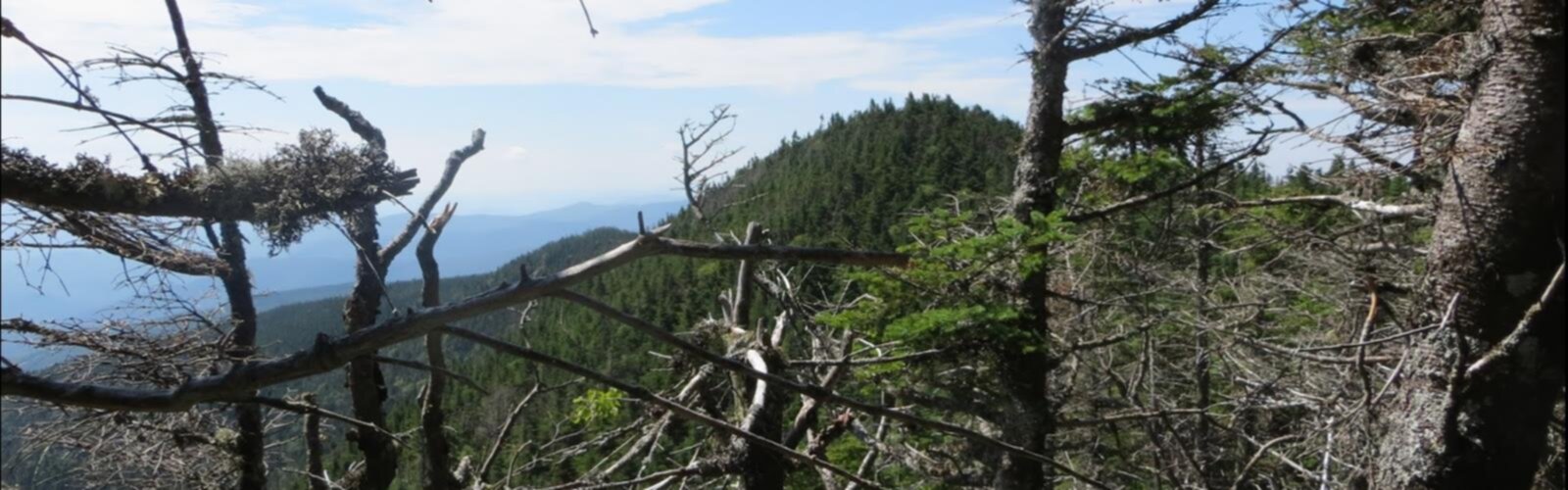

Ready to explore Nancy Hanks Peak, Vermont? Here's everything you need to know before you go!
Discover the trail
Oh no! We don't have any photos 😢
This trail hasn't been captured yet. Be the first to share your adventure!Trail description
Nancy Hanks Peak is one of Vermont's lesser-known but genuinely rewarding summits tucked within the Green Mountains. It doesn't get the same foot traffic as some of the more famous peaks in the range, which is honestly part of its appeal — you're more likely to share the trail with a few locals and the occasional curious bird than with a crowd of weekend warriors. If you're looking to explore the Green Mountains beyond the well-worn paths, Nancy Hanks Peak is worth putting on your list.
The Green Mountains Context
The Green Mountains form the backbone of Vermont, running roughly north to south through the state and shaping nearly everything about the landscape — the weather, the watersheds, the forests, and the character of the communities on either side. This range is part of the larger Appalachian system, ancient and well-worn by geological standards, with rounded ridgelines and dense forest cover that give Vermont its signature look from a distance.
Nancy Hanks Peak sits within this broader landscape, surrounded by the kind of mixed northern hardwood and boreal forest that defines hiking in this part of New England. Expect stands of sugar maple, yellow birch, and beech at lower elevations, transitioning toward spruce and fir as you gain elevation. The forest here is mature and dense, which means shade on warm days and a real sense of being deep in the woods.
What the Terrain Is Like
The Green Mountains don't tend toward dramatic cliffs or exposed scrambles — this is a range defined more by sustained climbing through forest, mossy rocks underfoot, and the occasional open ridge or ledge that rewards patience. Nancy Hanks Peak fits that profile. The approach involves moving through classic Vermont woodland terrain: rooted trails, sections that can be muddy in shoulder seasons, and a gradual but persistent gain in elevation as you work toward the summit.
The footing demands attention. Wet rocks and exposed roots are common, especially after rain or during the spring thaw. Trekking poles are a reasonable choice here, particularly on the descent. Sturdy footwear with ankle support and a grippy sole will serve you better than trail runners on a wet day.
The Summit Experience
Reaching the top of Nancy Hanks Peak puts you in the kind of quiet that's harder to find on the busier Green Mountain summits. The views, framed by the surrounding ridgelines and forest, reflect the layered, rolling character of Vermont's interior — a landscape that rewards those who take the time to sit with it rather than rush through.
The summit area itself is forested in the way many Vermont peaks are, with the tree cover shaping what you can see and where. This is not a bare, wind-blasted alpine summit — it's a wooded high point with pockets of visibility that open up depending on where you stand and the time of year. Late fall and early spring, after the leaves have dropped, tend to offer the most open sightlines through the trees.
Wildlife and Natural Features
The forests around Nancy Hanks Peak support the full range of wildlife you'd expect in the Vermont highlands. White-tailed deer are common, and black bear move through this terrain regularly — standard practice applies: store food properly, make noise on the trail, and give any wildlife you encounter plenty of space.
Birdlife is a genuine highlight in the Green Mountains. The boreal transition zone near higher elevations attracts species like the Blackpoll Warbler, Bicknell's Thrush, and various woodpeckers. If you're a birder, the early morning hours in late spring and early summer are worth the effort.
The forest floor in this part of Vermont is rich with ferns, mosses, and wildflowers that emerge in sequence through the warmer months. Trillium, trout lily, and wood sorrel are among the species that appear in spring, while the understory shifts through summer and into the vivid color show that Vermont is known for in autumn.
Practical Information
A few things worth knowing before you head out:
- Footwear: Waterproof hiking boots with solid traction are strongly recommended. Vermont trails can be wet and rooted regardless of the season.
- Water: Carry enough water for your full outing. If you plan to use natural water sources, bring a filter or purification tablets — giardia is present in Vermont backcountry water sources.
- Navigation: Download an offline map before you go. Cell service in the Green Mountains is unreliable, and trail signage can be sparse on less-traveled routes.
- Leave No Trace: Pack out everything you bring in. The Green Mountains see enough pressure from hikers that every small effort to minimize impact adds up.
- Mud Season: Vermont's mud season, typically mid-March through May, can make trails genuinely difficult and causes real erosion damage. Consider waiting until conditions firm up, or stick to higher-elevation rocky terrain if you're going out during this window.
- Weather: Mountain weather in Vermont changes quickly. Even on a clear morning, afternoon thunderstorms are possible in summer. Check the forecast and be prepared to turn around if conditions deteriorate.
Getting There
Nancy Hanks Peak is located in the Green Mountains of Vermont. As with many peaks in this range, access involves navigating a combination of state highways and forest roads. Confirm current trailhead access and road conditions before your trip, as forest roads in Vermont can be seasonally closed or rough enough to require a higher-clearance vehicle. The Green Mountain National Forest and Vermont's Agency of Natural Resources are good resources for up-to-date access information.
Best Times to Visit
Summer and fall are the most popular windows for hiking in the Green Mountains, and for good reason. Summer offers long days and full forest canopy, while fall brings the color that draws visitors to Vermont from across the region. Early fall — late September into October — tends to hit the sweet spot between foliage color and manageable trail conditions before the first significant snowfall.
Winter hiking is possible for those with the right gear and experience, but the Green Mountains can accumulate significant snowpack, and microspikes or snowshoes become necessary equipment rather than optional extras once the season sets in.
The Essential Hiking Checklist
Everything you need for your next hike. Bilingual, printable, 1 page.
Get your free hiking checklistRecommended gear for this trail
As an Amazon Associate I earn from qualifying purchases.


Ready to go?
Everything you need to know before you goStarting Point
To access the hiking trails, you can start at the trailhead located at the end of Forest Road 71. Parking is available nearby. Another option is to begin from the trailhead on Forest Road 67, where parking is also provided. Both roads are accessible via Route 100.
When?
How much?
As an Amazon Associate I earn from qualifying purchases.
Affiliate links — LGPO may earn a commission at no extra cost to you.
- Hiking shoes Essential
- → Salomon Elixir Tour Mid WP · 203.38 $
- Layered clothing Essential
- Rain jacket Essential
- Trekking poles
- → Black Diamond Trail Ergo Cork · 69.99 $
- Headlamp
- → Petzl Actik Core 625 · 103.95 $
FAQ - Frequently asked questions
Everything you need to knowSimilar hikes nearby
Discover other trails you might enjoy
Mount Abraham, Vermont
Green Mountains
Snowdon Peak, Vermont
Green Mountains
Slate Valley Trails
Green Mountains
Flatlander Farm
Green Mountains
Deer Leap Trail
Green Mountains
Killington Peak
Green Mountains
Hiking near Montpelier
0 trails to explore ~32 km away
We work hard to provide the most up-to-date and error-free data possible. If something seems incorrect, let us know! Your contribution helps the whole community.
Hikers' opinions
Be the first to review!
No hiker has shared their experience yet. Share your impressions and help other hikers!