
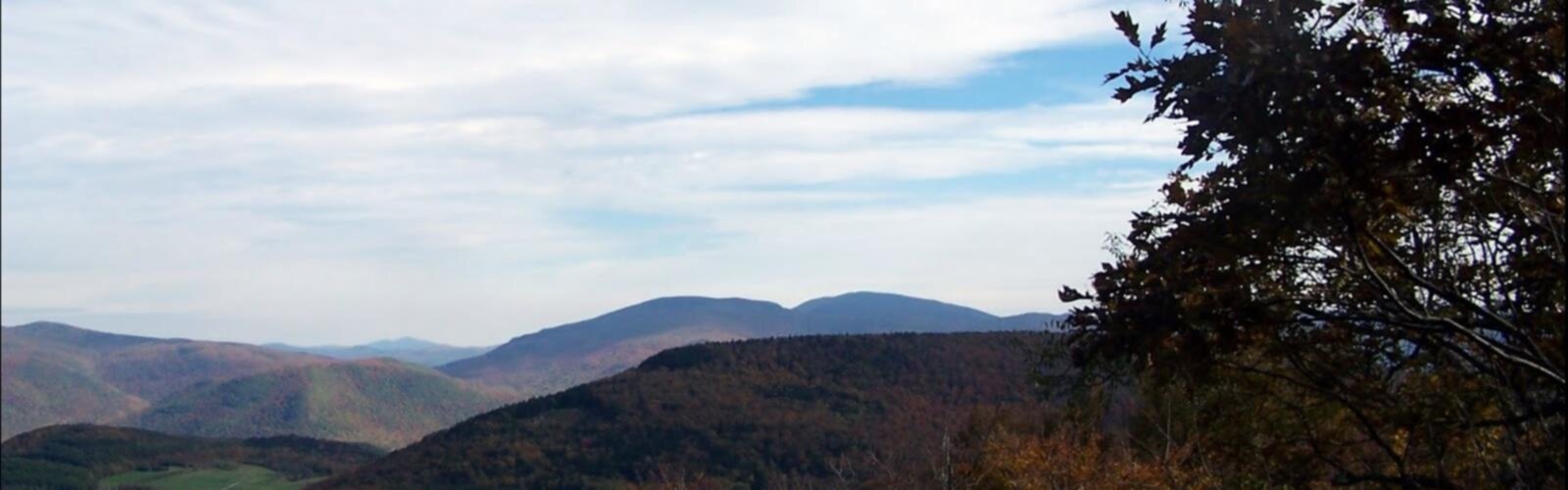

Ready to explore Tinmouth Mountain, Vermont? Here's everything you need to know before you go!
Discover the trail
Oh no! We don't have any photos 😢
This trail hasn't been captured yet. Be the first to share your adventure!Trail description
Tinmouth Mountain sits in the Green Mountains of Vermont, offering hikers a quieter alternative to some of the more heavily trafficked peaks in the region. This is the kind of place where you can actually hear the forest — no crowds, no noise, just the trail doing what a good trail should do.
The Terrain
The mountain is part of Vermont's classic Green Mountain landscape, characterized by dense mixed hardwood and softwood forest. As you gain elevation, the tree cover shifts and the trail opens up in ways that reward the effort. The footing is typical of Vermont backcountry — rooted, rocky in sections, and occasionally muddy after rain or during the spring thaw. Sturdy footwear is the right call here.
The surrounding terrain reflects the broader Green Mountain character: rolling ridgelines, forested slopes, and the kind of quiet that reminds you why people come to Vermont to hike in the first place. Tinmouth Mountain doesn't announce itself with dramatic cliffs or famous viewpoints — it earns its place through atmosphere and solitude.
What to Expect on the Trail
Tinmouth Mountain is not a destination that gets a lot of marketing attention, which is exactly what makes it appealing to hikers who prefer a more self-directed experience. Trail signage may be minimal, so coming prepared with a downloaded map or a GPS track is a smart move before you head out.
The forest here is genuinely immersive. Depending on the season, you'll move through canopies of maple, beech, and birch, with conifers becoming more prominent as you climb. Wildlife sightings are possible — Vermont's Green Mountains support healthy populations of white-tailed deer, wild turkey, and various woodland birds. Keep your eyes open and your pace relaxed and you'll likely see more than you expect.
The trail experience at Tinmouth Mountain leans toward the exploratory. This isn't a summit with a fire tower and a picnic table at the top — it's a place where the journey through the landscape is the point. Hikers who appreciate that kind of outing will feel right at home here.
Access and Parking
Tinmouth Mountain is located in Tinmouth, Vermont, in Rutland County. The area is rural and access roads reflect that — paved roads give way to gravel, and conditions can vary depending on the season. Checking road conditions before you go, especially in mud season (typically April into early May in Vermont), is worth the extra minute.
Parking is limited and informal in nature, consistent with many backcountry access points in this part of Vermont. Arrive early if you're visiting on a weekend, and be respectful of any private property boundaries near the trailhead.
Dogs and Trail Etiquette
Dogs are generally welcome on Vermont's backcountry trails, and Tinmouth Mountain is no exception. Keep your dog under control, pack out waste, and be mindful of other trail users. The low-traffic nature of this area makes it a solid option for hikers who want to bring their dog somewhere that isn't overrun.
Seasons and Conditions
Vermont's Green Mountains have a well-defined hiking season. Summer and fall are the most popular windows — fall in particular brings the kind of foliage that makes Vermont famous, and Tinmouth Mountain's forested slopes are fully part of that show. Early summer can be buggy, so bug spray is a practical addition to your pack from late May through July.
Winter hiking is possible for those with the right gear and experience, but the backcountry nature of the area means you're largely on your own if conditions deteriorate. Spring hiking is possible but expect soft, wet trails and potentially impassable access roads during mud season.
What Makes Tinmouth Mountain Worth the Trip
In a state with no shortage of well-known hiking destinations, Tinmouth Mountain offers something genuinely different: a low-key, forested experience in the heart of the Green Mountains without the crowds that come with more prominent peaks. If you've done the popular trails in the region and you're looking for something that feels more like discovery than tourism, this is a solid option.
- Solitude: Low foot traffic makes this a good choice when you want the trail to yourself.
- Forest immersion: Dense mixed forest throughout, with the character of classic Vermont backcountry.
- Wildlife: The quiet and low disturbance levels make wildlife encounters more likely than on busier trails.
- Dog-friendly: A good backcountry option for hikers with dogs.
- Off the beaten path: Not a destination you'll find on every Vermont hiking list, which is part of the appeal.
What to Bring
Because Tinmouth Mountain is a backcountry experience without extensive infrastructure, a little preparation goes a long way. Bring more water than you think you need, pack a paper or offline map, wear layers (Vermont weather can shift quickly at elevation), and make sure someone knows your plan if you're going solo. The Ten Essentials apply here as much as anywhere else in the Green Mountains.
Tinmouth Mountain rewards hikers who show up ready to engage with the landscape on its own terms — and that's exactly the kind of trail experience that sticks with you long after you've driven back down the mountain road.
The Essential Hiking Checklist
Everything you need for your next hike. Bilingual, printable, 1 page.
Get your free hiking checklistRecommended gear for this trail
As an Amazon Associate I earn from qualifying purchases.


Ready to go?
Everything you need to know before you goStarting Point
To access the hiking trails, head to the trailhead located at 540 Mountain View Road, Tinmouth, VT 05773. This is the primary starting point for exploring the area.
When?
How much?
As an Amazon Associate I earn from qualifying purchases.
Affiliate links — LGPO may earn a commission at no extra cost to you.
- Hiking shoes Essential
- → Salomon Elixir Tour Mid WP · 203.38 $
- Layered clothing Essential
- Rain jacket Essential
- Trekking poles
- → Black Diamond Trail Ergo Cork · 69.99 $
- Headlamp
- → Petzl Actik Core 625 · 103.95 $
FAQ - Frequently asked questions
Everything you need to knowSimilar hikes nearby
Discover other trails you might enjoy
Mount Abraham, Vermont
Green Mountains
Snowdon Peak, Vermont
Green Mountains
Slate Valley Trails
Green Mountains
Flatlander Farm
Green Mountains
Deer Leap Trail
Green Mountains
Killington Peak
Green Mountains
Hiking near Saratoga Springs
0 trails to explore ~69 km away
We work hard to provide the most up-to-date and error-free data possible. If something seems incorrect, let us know! Your contribution helps the whole community.
Hikers' opinions
Be the first to review!
No hiker has shared their experience yet. Share your impressions and help other hikers!