
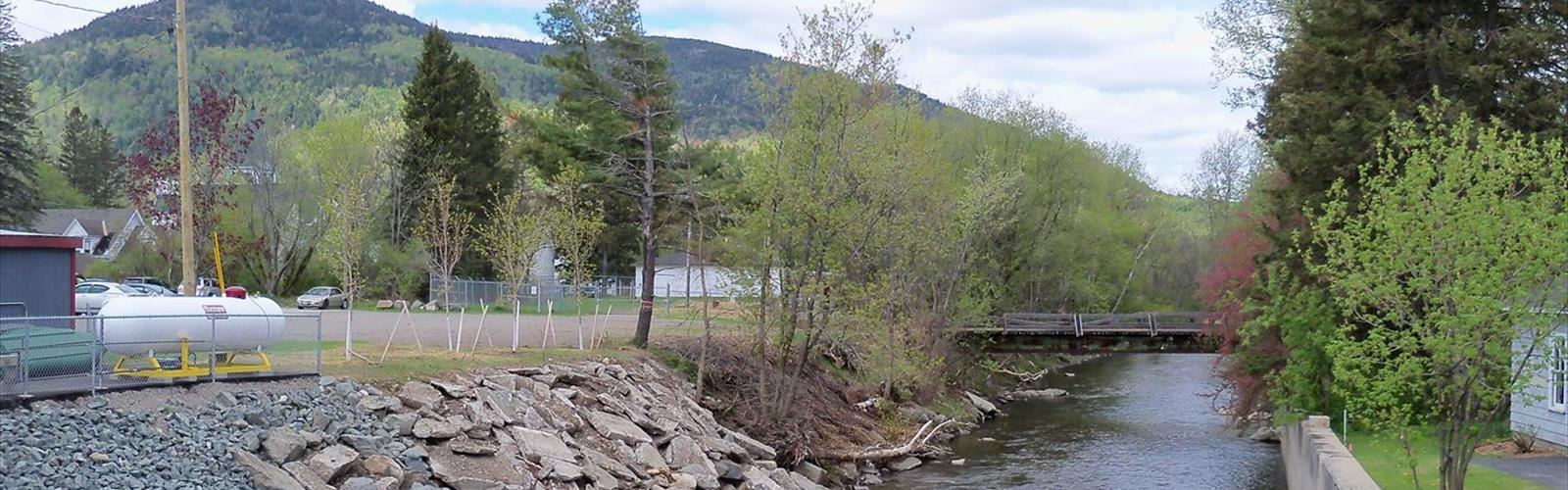

Ready to explore Monadnock Mountain, Vermont? Here's everything you need to know before you go!
Discover the trail
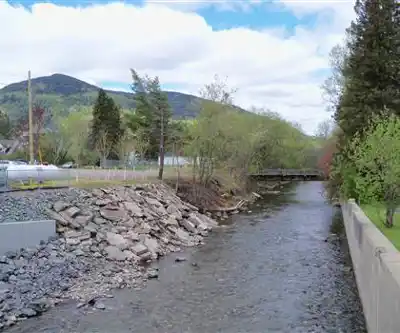
Trail description
Monadnock Mountain in Vermont is one of those summits that rewards the effort with a genuine sense of remoteness. Located near the New Hampshire border in northeastern Vermont, this isn't a heavily trafficked peak — it sits in a quieter corner of the region, far from the crowds that flock to more famous Green Mountain destinations. If you're looking for a climb that feels earned and a summit that feels like yours, Monadnock Mountain delivers.
The Terrain
The mountain rises through classic Northeast Vermont forest — dense northern hardwoods giving way to boreal spruce and fir as you gain elevation. The trail character shifts noticeably as you climb: lower sections move through mixed woodland with a softer, rooted trail surface, while the upper reaches get rockier and more exposed. The footing demands attention, especially on wet days when the rock slabs can be slick.
The summit area opens up enough to give you real views, which is the payoff for the work below. From the CCC-era fire tower at the 3,148-foot summit, you'll find 360-degree views of the Connecticut River Valley, the White Mountains of New Hampshire, and even the mountains of Quebec. On a clear day, the sense of scale is striking.
What to Expect on the Climb
The ascent is a genuine climb with approximately 960 meters of elevation gain — not a casual walk. The trail gains elevation steadily, and there are sections where you'll be using your hands as much as your feet. Hikers should be comfortable on uneven, rocky terrain and prepared for a workout. This isn't a trail that punishes beginners, but it's also not the place to bring someone who's never hiked before and expects a smooth path.
Trail markings are present but the route has a wilder feel than more managed Vermont trails. Pay attention to where you're going, especially near the top where the terrain opens up and the path can be less obvious. Carrying a map — or having the route downloaded offline — is a smart move here.
The Summit Fire Tower
The standout feature of Monadnock Mountain is the historic CCC-era fire tower that crowns the summit. This restored structure provides unobstructed 360-degree views, making it the true reward of the climb. From the tower, you can see across Vermont into the White Mountains of New Hampshire and, on exceptionally clear days, into Quebec.
Trailhead Access
Getting to Monadnock Mountain means committing to northeast Vermont roads — which is part of the experience. The area is rural, and the drive in sets the tone for the hike itself. Give yourself extra time if you're coming from outside the region, and make sure your vehicle is up for the access road conditions, which can vary significantly by season.
Parking at the trailhead is limited and informal, as is typical for less-developed Vermont summits. Arrive early if you're visiting during peak fall foliage season, when even remote destinations see increased traffic.
Gear and Preparation
A few things worth thinking through before you head out:
- Footwear: Sturdy hiking boots with ankle support are the right call here. Trail runners can work for experienced hikers who know the terrain, but the rocky upper sections will punish light footwear.
- Water: Bring more than you think you need. There are no reliable water sources confirmed along the route, so carry everything from the trailhead.
- Layers: Northeast Vermont weather can shift quickly, and the summit is exposed. Even on a warm day in the valley, pack a wind layer and something warm.
- Navigation: Download the route before you go. Cell service in this part of Vermont is unreliable, and you don't want to be troubleshooting navigation at the trailhead.
- Timing: Start early enough to give yourself a comfortable buffer. You don't want to be descending rocky terrain in low light.
Best Seasons
Summer and fall are the prime windows for Monadnock Mountain. Summer brings long days and stable conditions, making it the most forgiving time to tackle the climb. Fall is spectacular — the foliage views from the summit fire tower during peak color are hard to beat.
Spring hiking on Monadnock should be approached with caution. Vermont's mud season is real, and trails can be deeply rutted and wet well into May. Hiking on soft spring trails causes lasting damage to the trail surface — if the ground is soft, consider waiting for drier conditions.
Winter ascents are possible for experienced hikers with the right gear — microspikes or crampons, trekking poles, and appropriate cold-weather layers — but the remote location means you need to be fully self-sufficient. This is not a mountain where you'll run into other hikers who can help if something goes wrong in winter.
Why Monadnock Mountain Stands Out
What makes this summit worth the trip is exactly what makes it inconvenient: the remoteness and solitude. Unlike the more famous Mount Monadnock in New Hampshire, Vermont's Monadnock remains a quiet hidden gem with a genuine sense of wildness. The fire tower summit and 360-degree views make it special, and you're likely to have the trail largely to yourself.
For hikers looking for something that feels more off the beaten path, Monadnock Mountain is a strong answer.
The Essential Hiking Checklist
Everything you need for your next hike. Bilingual, printable, 1 page.
Get your free hiking checklistRecommended gear for this trail
As an Amazon Associate I earn from qualifying purchases.


Ready to go?
Everything you need to know before you goStarting Point
To access the hiking trails, you can start at one of the following trailheads:
Monadnock Mountain Trailhead: Located on Mountain Road in Lemington, Vermont. Parking is available near the trailhead.
Monadnock Fire Tower Trailhead: Accessible from Route 102 in Lemington, Vermont. Look for signage indicating parking areas nearby.
Ensure to check local maps or resources for any additional trailheads or updated parking information before your visit.
When?
How much?
As an Amazon Associate I earn from qualifying purchases.
Affiliate links — LGPO may earn a commission at no extra cost to you.
- Hiking shoes Essential
- → Salomon Elixir Tour Mid WP · 203.38 $
- Layered clothing Essential
- Rain jacket Essential
- Trekking poles
- → Black Diamond Trail Ergo Cork · 69.99 $
- Headlamp
- → Petzl Actik Core 625 · 103.95 $
FAQ - Frequently asked questions
Everything you need to knowSimilar hikes nearby
Discover other trails you might enjoy
Echo Lake Trail
Northeast Kingdom
Lake Willoughby
Northeast Kingdom
Bluff mountain hiking trail head
Northeast Kingdom
Owls Head Mt.
Northeast Kingdom
Willoughby State Forest
Northeast Kingdom
Groton State Forest
Northeast Kingdom
Hiking near Sherbrooke
53 trails to explore ~63 km away
We work hard to provide the most up-to-date and error-free data possible. If something seems incorrect, let us know! Your contribution helps the whole community.
Hikers' opinions
Be the first to review!
No hiker has shared their experience yet. Share your impressions and help other hikers!