
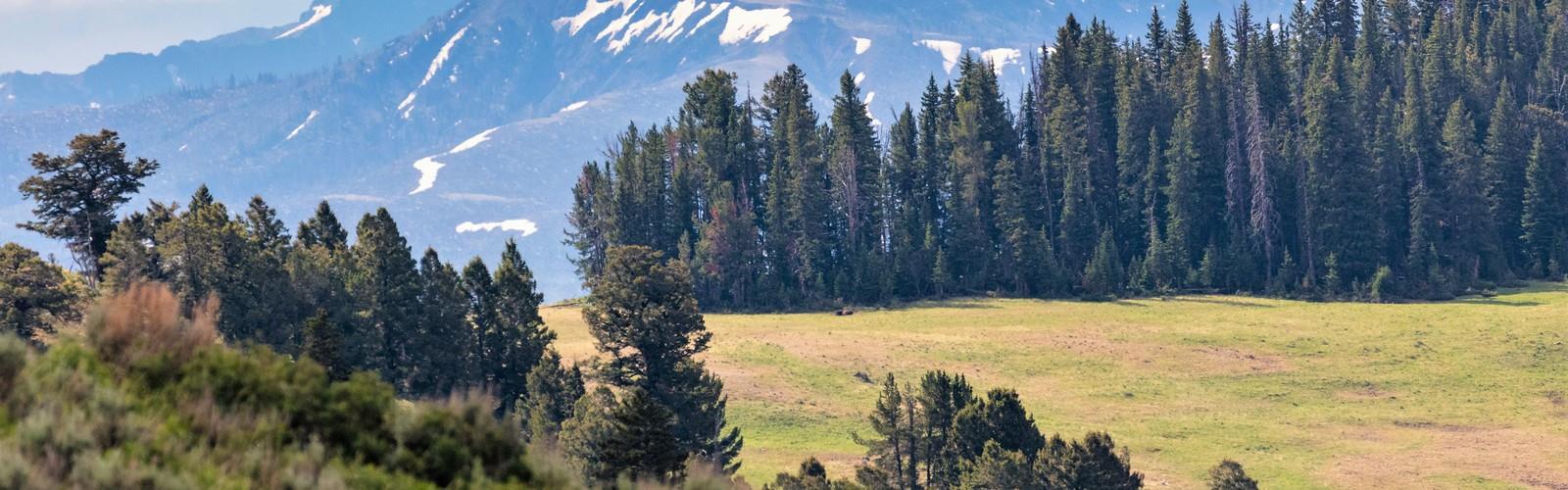
Ready to explore Pollux Peak, Wyoming? Here's everything you need to know before you go!
Discover the trail
Oh no! We don't have any photos 😢
This trail hasn't been captured yet. Be the first to share your adventure!Trail description
Pollux Peak stands as a challenging alpine objective in Yellowstone National Park, offering hikers a demanding route through the pristine wilderness of Wyoming. This remote peak requires serious preparation and intermediate to advanced hiking skills, making it a destination for those seeking to test their abilities in one of the most scenic regions Wyoming has to offer.
The Approach and Terrain
Getting to Pollux Peak involves navigating through varied terrain that showcases the dramatic landscape characteristic of this part of Yellowstone National Park. The route typically begins at lower elevations before ascending through dense forest zones where lodgepole pine and Engelmann spruce dominate the canopy. As you gain elevation, the forest gradually gives way to subalpine meadows dotted with wildflowers during the brief growing season.
The terrain becomes increasingly technical as you approach the peak itself. Expect to encounter loose scree fields, exposed rock faces, and potentially snow-covered sections depending on the time of year. The final approach to the summit often requires scrambling over rock and navigating around natural obstacles, demanding both physical fitness and route-finding skills.
What Makes This Peak Special
Pollux Peak offers an authentic wilderness experience characteristic of Yellowstone National Park. The remote location means you're unlikely to encounter crowds, providing a sense of solitude that many hikers crave. The peak's position within Yellowstone means you're hiking through habitat that supports an incredible diversity of wildlife, from black bears and mountain goats to golden eagles soaring overhead.
The geological features around Pollux Peak tell the story of the volcanic landscape that shaped this region. Exposed rock formations reveal the geological history, while U-shaped valleys provide evidence of the glacial activity that once dominated this landscape.
Wildlife and Natural Features
The ecosystem surrounding Pollux Peak supports a robust population of large mammals typical of the Greater Yellowstone region. Elk frequent the lower meadows, while mountain goats navigate the steep terrain. Black bears use the area, particularly during berry season when huckleberries and other mountain fruits ripen.
Bird life is equally impressive, with Clark's nutcracker, gray jay, and various hawk species commonly spotted. At higher elevations, you might catch sight of alpine birds adapted to the harsh environment. The area's streams and alpine lakes support native trout species that have thrived in these pristine waters.
Seasonal Considerations
Timing your attempt on Pollux Peak is crucial for both safety and success. The peak is typically accessible during the summer months from mid-July through early September, when snow has melted enough to reveal the route and weather conditions are most stable. Even during this season, afternoon thunderstorms are common and can create dangerous conditions on exposed areas.
Early season attempts may encounter significant snow coverage, requiring appropriate mountaineering equipment and avalanche awareness. Late season climbs risk early winter storms. The brief alpine summer means wildflower displays peak in late July and early August, adding spectacular color to the landscape.
Technical Challenges
Pollux Peak demands respect and preparation. The route involves scrambling in sections, requiring comfort with exposure and the ability to navigate steep terrain. Weather can change rapidly at elevation, turning a pleasant climb into a survival situation within hours. Navigation skills are essential, as the route may not be well-marked and can become obscured in poor weather.
Water sources may be limited or unreliable, particularly later in the season, making careful planning essential. The remote location means self-rescue capability is important, as help may be hours or days away. Emergency communication devices are strongly recommended for anyone attempting this peak.
Preparation and Planning
Success on Pollux Peak starts with thorough preparation. Physical conditioning should include extensive hiking with a loaded pack. Route research using topographic maps and recent trip reports helps identify current conditions and potential hazards.
Essential gear includes layers for rapidly changing weather, navigation tools, emergency shelter, and adequate water. Many climbers opt for an early start to avoid afternoon thunderstorms, which means hiking in darkness and requiring reliable headlamps and route-finding skills.
The peak's location within Yellowstone National Park means following Leave No Trace principles is particularly important. This includes proper food storage in bear country, staying on established routes where they exist, and packing out all waste. The pristine nature of this wilderness depends on every visitor taking responsibility for their impact.
Everything you need for your next hike. Bilingual, printable, 1 page.
Get your free hiking checklistRecommended gear for this trail
As an Amazon Associate I earn from qualifying purchases.


Ready to go?
Everything you need to know before you goWhen?
As an Amazon Associate I earn from qualifying purchases.
Affiliate links — LGPO may earn a commission at no extra cost to you.
- Hiking shoes Essential
- → Salomon Elixir Tour Mid WP · 203.38 $
- Layered clothing Essential
- Rain jacket Essential
- Trekking poles
- → Black Diamond Trail Ergo Cork · 69.99 $
- Headlamp
- → Petzl Actik Core 625 · 103.95 $
FAQ - Frequently asked questions
Everything you need to knowOutings near Pollux Peak, Wyoming
Discover other trails you might enjoy

Cache Mountain, Wyoming
Yellowstone & Grand Teton · 25.6 km away

Mount Langford, Wyoming
Yellowstone & Grand Teton · 32.1 km away

Mount Doane, Wyoming
Yellowstone & Grand Teton · 33.0 km away
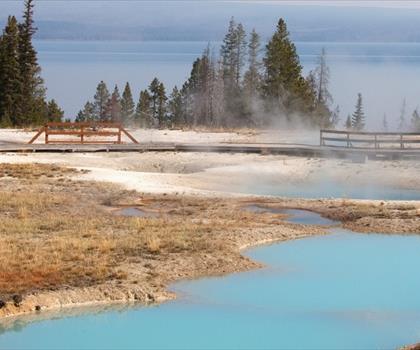
West Thumb Geyser Basin
Yellowstone & Grand Teton · 58.2 km away
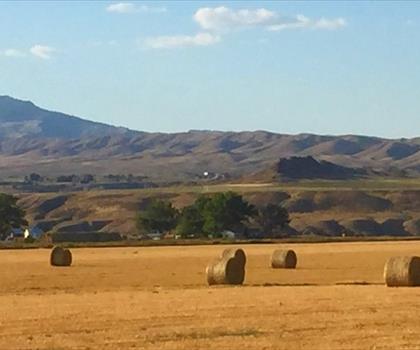
Heart Mountain, Wyoming
Yellowstone & Grand Teton · 64.3 km away
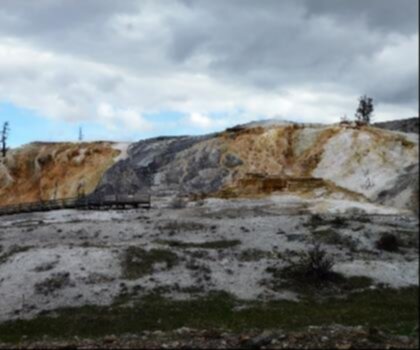
Gardiner, Montana, to Mammoth Hot Springs, Wyoming
Yellowstone Country · 73.6 km away
Hiking near Regina
4 trails to explore ~756 km away
We work hard to provide the most up-to-date and error-free data possible. If something seems incorrect, let us know! Your contribution helps the whole community.
Hikers' opinions
Be the first to review!
No hiker has shared their experience yet. Share your impressions and help other hikers!