Figures read from the LGPO trail pages on November 13, 2026. “Not listed” is shown as is.
📌 Good to know — This article compares the latest models: Garmin inReach Mini 2, SPOT Gen4 and Zoleo. Prices and features evolve rapidly in this field.
When I did my first solo expedition in the Hautes-Gorges de la Malbaie, I realized how much a satellite communicator can make the difference between a memorable adventure and a nightmare. No cell network, nobody for kilometers around, and that little voice in my head saying: "What if something happens?"
Today, with the explosion of outdoor activities, the garmin inreach vs spot vs zoleo comparison constantly comes up in my discussions with the LGPO community. These three devices dominate the market, but each has its strengths and weaknesses. After testing all three in the field for months, I'm going to share what I learned to help you make the right choice based on your needs and budget.
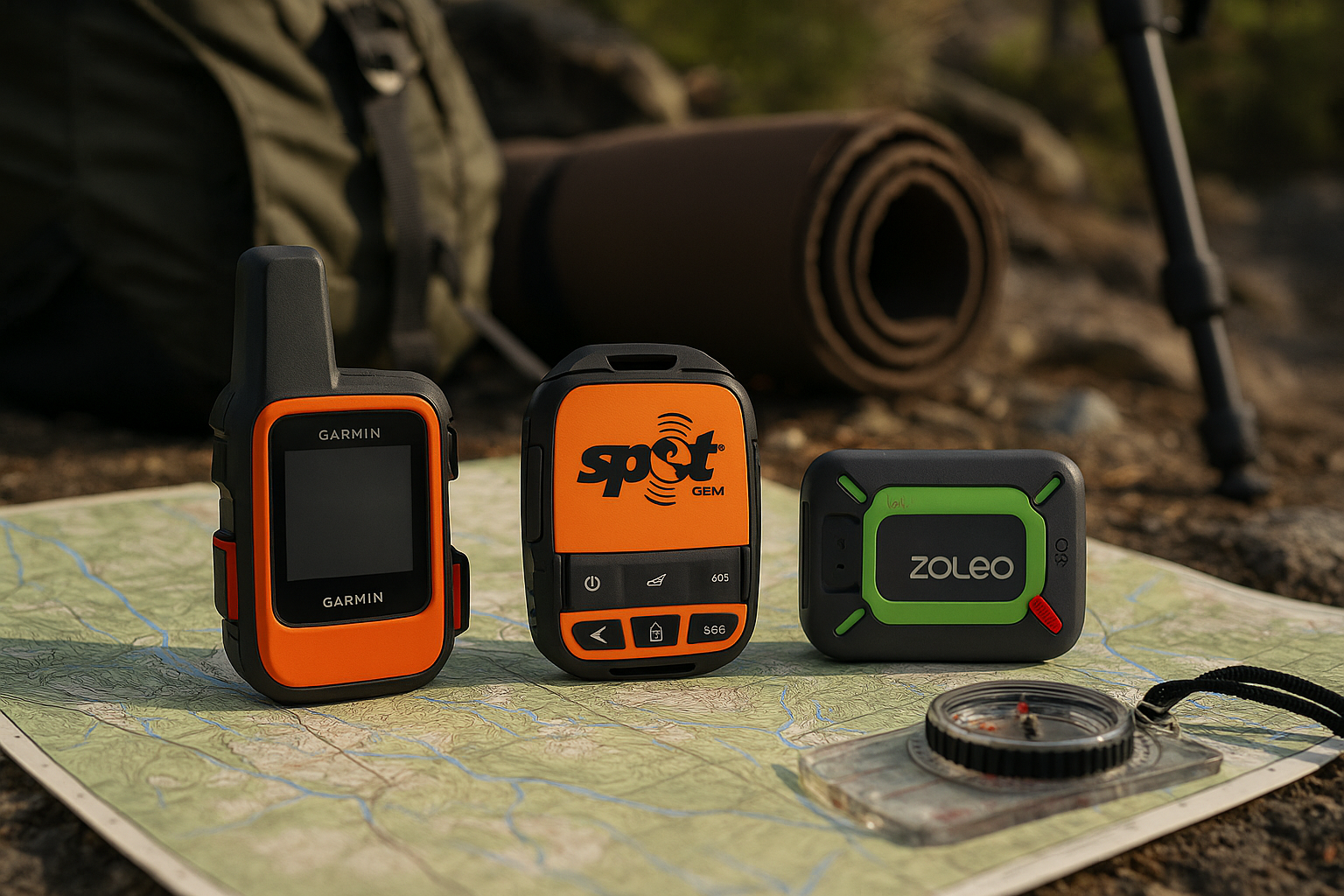
Three satellite communicators (Garmin inReach, SPOT and Zoleo) placed on a topographic map with a compass and hiking gear in the background
Garmin inReach Mini 2: the Swiss Army knife of communicators
The Garmin inReach Mini 2 is probably the device I recommend most often, and for good reasons. At 100 grams, it disappears in your pack, but its features are impressive.
The strengths of the inReach Mini 2
The two-way messaging remains its big advantage. You can not only send an SOS, but also exchange complete messages with your loved ones or rescue services. I used this function last summer at Mont du Lac des Cygnes to reassure my girlfriend when the weather turned bad and I decided to extend my stay by one night.
The integration with Garmin Explore really transforms the experience. You can plan your outings, download detailed topo maps and even share your position in real time with your family. This is particularly useful for long hikes or multi-day expeditions.
Feature
inReach Mini 2
Field utility
Battery life
14 days in economy mode
Perfect for long expeditions
Weight
100g
Disappears in the pack
Messages
160 character two-way
Complete communication with outside
Weather
Detailed forecasts
Crucial for planning
The limitations to know
The price remains high, especially with the mandatory monthly subscription. Count around $15-30 per month depending on your plan. The interface can also seem complex at first, especially if you're not familiar with the Garmin ecosystem.
💡 Pro tip — Activate power saving mode from the start. You can easily double the battery life by adjusting the GPS tracking frequency according to your actual needs.
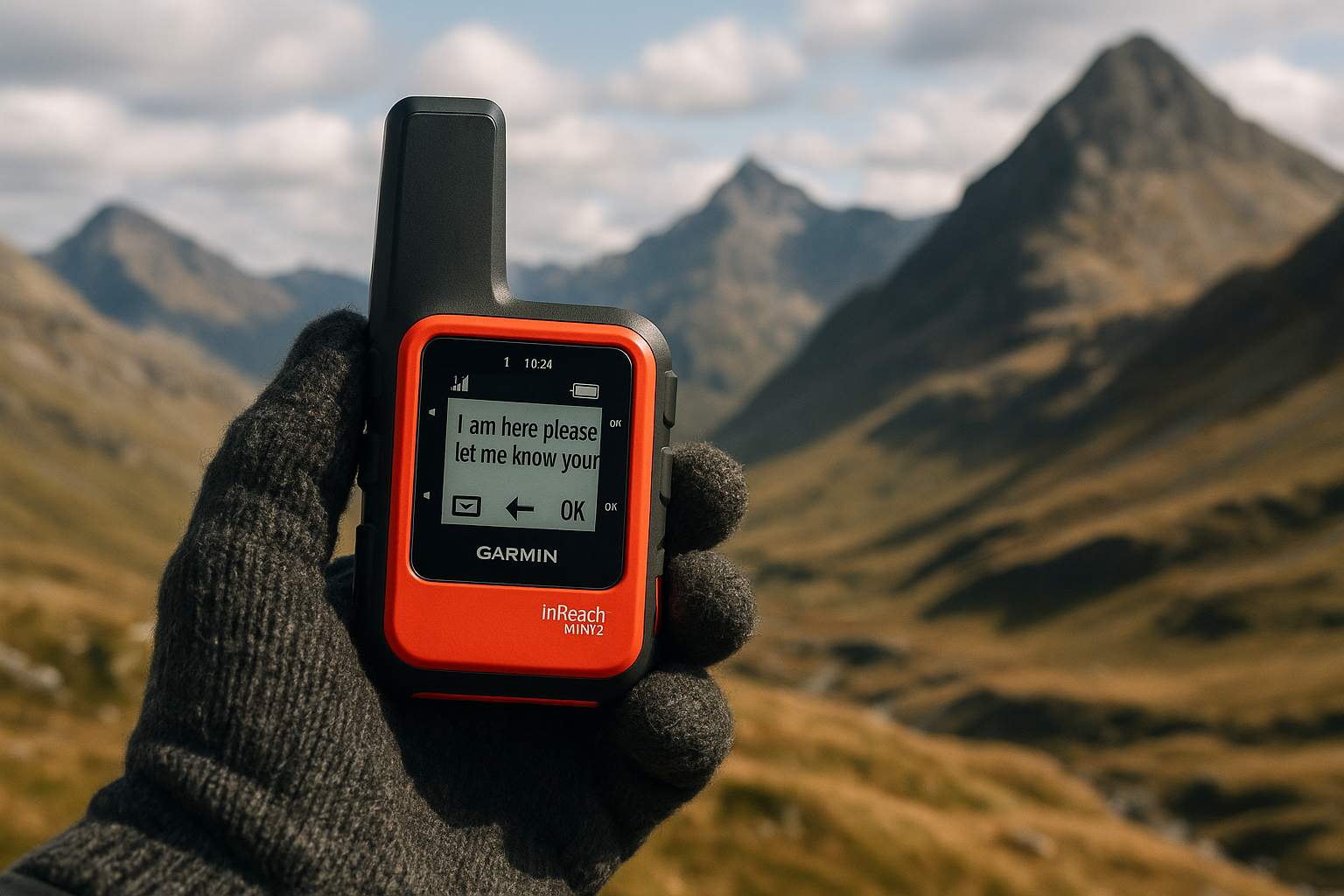
Close-up of a Garmin inReach Mini 2 in a gloved hand with the screen on showing a message, mountainous landscape in the background
📥 Download our free gifts — Safety checklists, gear guides and maps of the best spots for your nature adventures.
Get my gifts →
SPOT Gen4: simplicity first
The SPOT Gen4 takes the opposite approach: maximum simplicity. No screen, a few colored buttons, and it gets the job done. It's the option I often suggest to people who just want insurance in case of trouble.
Why choose the SPOT Gen4
Its purchase price is significantly more affordable than other options. For less than $200, you have a functional device that can literally save your life. The subscription is also more accessible, around $12-20 per month.
The ease of use is remarkable. My parents, who aren't very tech-savvy, use it without problem during their mountain biking outings. Three main buttons: OK (I'm fine), Help (I need non-urgent help), and SOS (life-threatening emergency).
The battery life is also impressive. With lithium batteries, you can easily last a month of normal use. Perfect for people who camp wild regularly without access to electricity.
The compromises to accept
No two-way messaging. You can send predefined messages, but impossible to receive responses or have a conversation. This can be frustrating when you want to give details about your situation.
The satellite coverage uses the Globalstar network, which has some blind spots, notably in certain northern regions of Canada. I've had occasional failures in the Hautes-Gorges park during very cloudy weather.
⚠️ Warning — Always test your SPOT before leaving on an expedition. Batteries can drain faster in very cold weather, and it sometimes takes several attempts to establish the satellite connection.
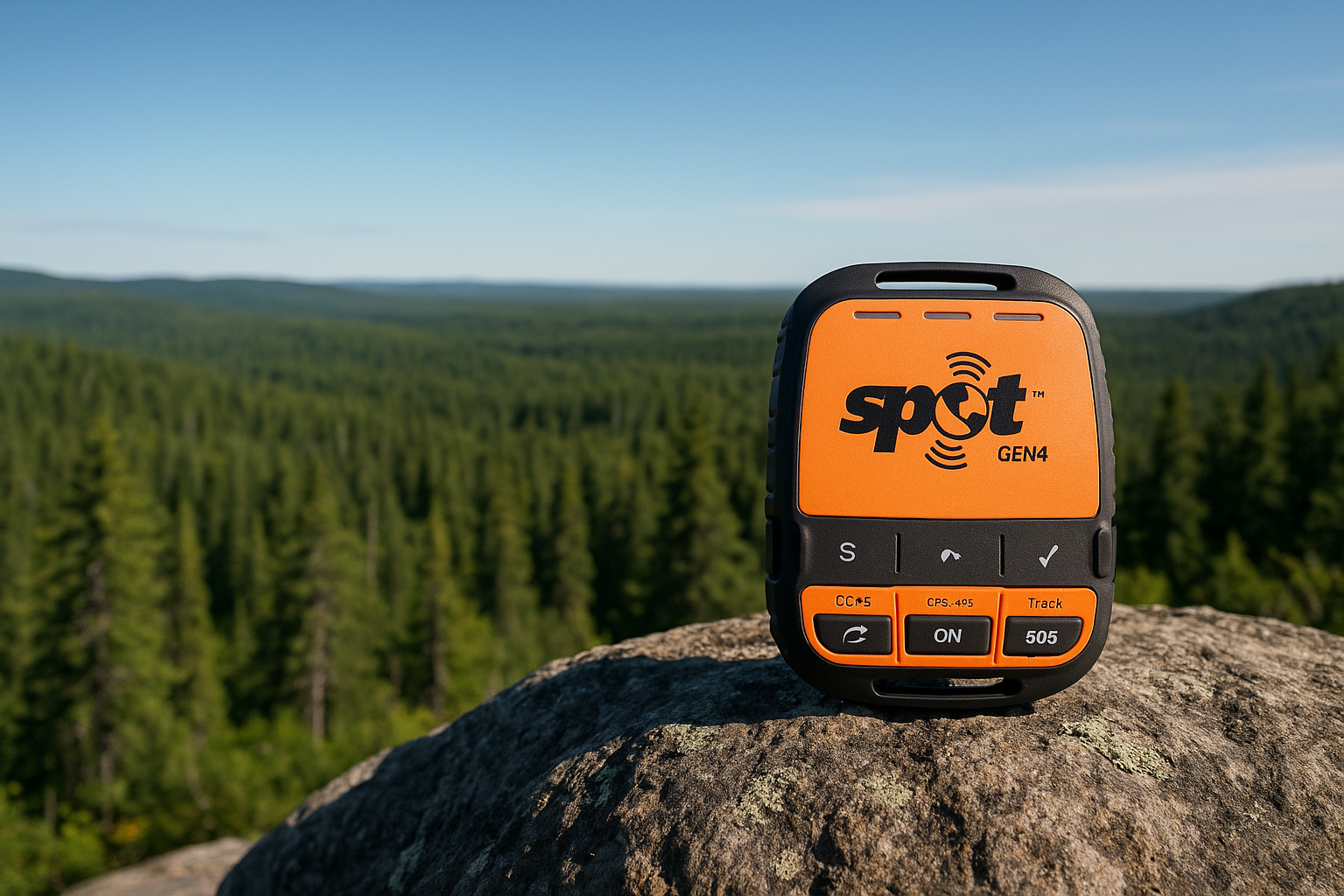
Orange SPOT Gen4 placed on a rock with panoramic view of a Canadian boreal forest, clear sky
Zoleo: the new player that impresses
The Zoleo is the newest of the three, and it brings an interesting hybrid approach. It combines the simplicity of SPOT with some advanced features of Garmin, all in a modern package.
What makes Zoleo unique
The smartphone integration is brilliant. The device works like a satellite hotspot for your phone. So you can use a familiar app to send messages, check weather, and even post on social media (if that's your thing).
The Iridium network offers truly global coverage. I tested the Zoleo in remote areas of Canyon Sainte-Anne where my cell phone got nothing, and it worked perfectly.
The flexible subscription plans are a big plus. You can suspend your subscription during months when you go out less, or change plans according to your seasonal needs.
Areas for improvement
The battery life is decent but not exceptional. Count around 200 hours on standby, which is sufficient for most outings, but less impressive than SPOT for long expeditions.
The price sits between SPOT and Garmin, but subscriptions can quickly climb if you send many messages. Each message costs credits, unlike Garmin's unlimited plans.
Criteria
Garmin inReach Mini 2
SPOT Gen4
Zoleo
Purchase price
$450-500
$150-200
$300-350
Subscription/month
$15-50
$12-25
$20-35
Two-way messages
✅ Yes
❌ No
✅ Yes
Battery life
14 days
30+ days
8-10 days
Ease of use
Medium
Very easy
Easy
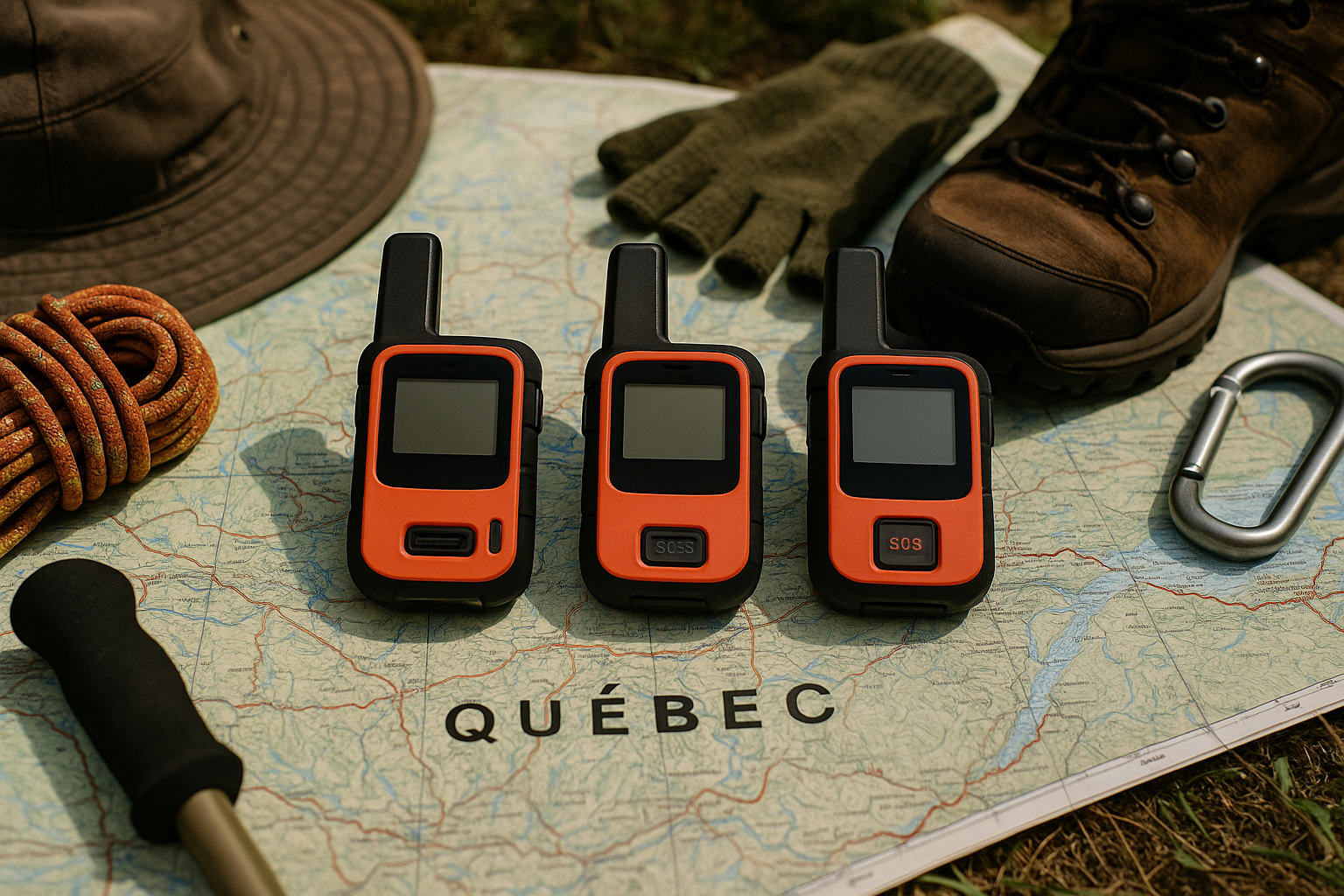
The three satellite communicators side by side on a Quebec topographic map with hiking gear scattered around
Which communicator for which adventurer profile?
After hundreds of hours in the field with these three devices, here are my recommendations based on your profile and needs.
For the occasional hiker
If you do 5-10 outings per year, mainly on marked trails like those at Mont Saint-Bruno, the SPOT Gen4 is probably your best choice. Simple, affordable, and it does the essential job.
The basic subscription will cost you around $150 per year, and you'll have peace of mind without breaking the bank. Perfect for reassuring family when you go alone on less frequented trails.
For the regular adventurer
If you spend several weekends per month in nature, do wild camping or multi-day hikes, the Garmin inReach Mini 2 becomes cost-effective. The ability to communicate in detail with the outside world and have precise weather forecasts really changes the game.
I constantly use the position sharing function with my family. They can follow my progress in real time on a map, which reassures them enormously when I leave for several days at Mont Yamaska or in more isolated areas.
For the modern technophile
The Zoleo appeals to those who want to keep their smartphone at the center of their outdoor experience. If you like documenting your adventures, sharing photos, or simply having a familiar interface, it's an excellent compromise.
💡 Pro tip — Whatever your choice, invest in a robust protective case. I've seen too many devices damaged by falls or humidity. A good case costs $30-50 but can save you hundreds of dollars in repairs.
Special cases to consider
For winter expeditions: The Garmin resists extreme cold better. LCD screens of others can have problems at -20°C and below.
For international travel: Zoleo's Iridium network offers the best global coverage, closely followed by Garmin. SPOT can have blind spots in certain countries.
For groups: Garmin allows easy position sharing with multiple contacts, very practical for group outings or family expeditions.
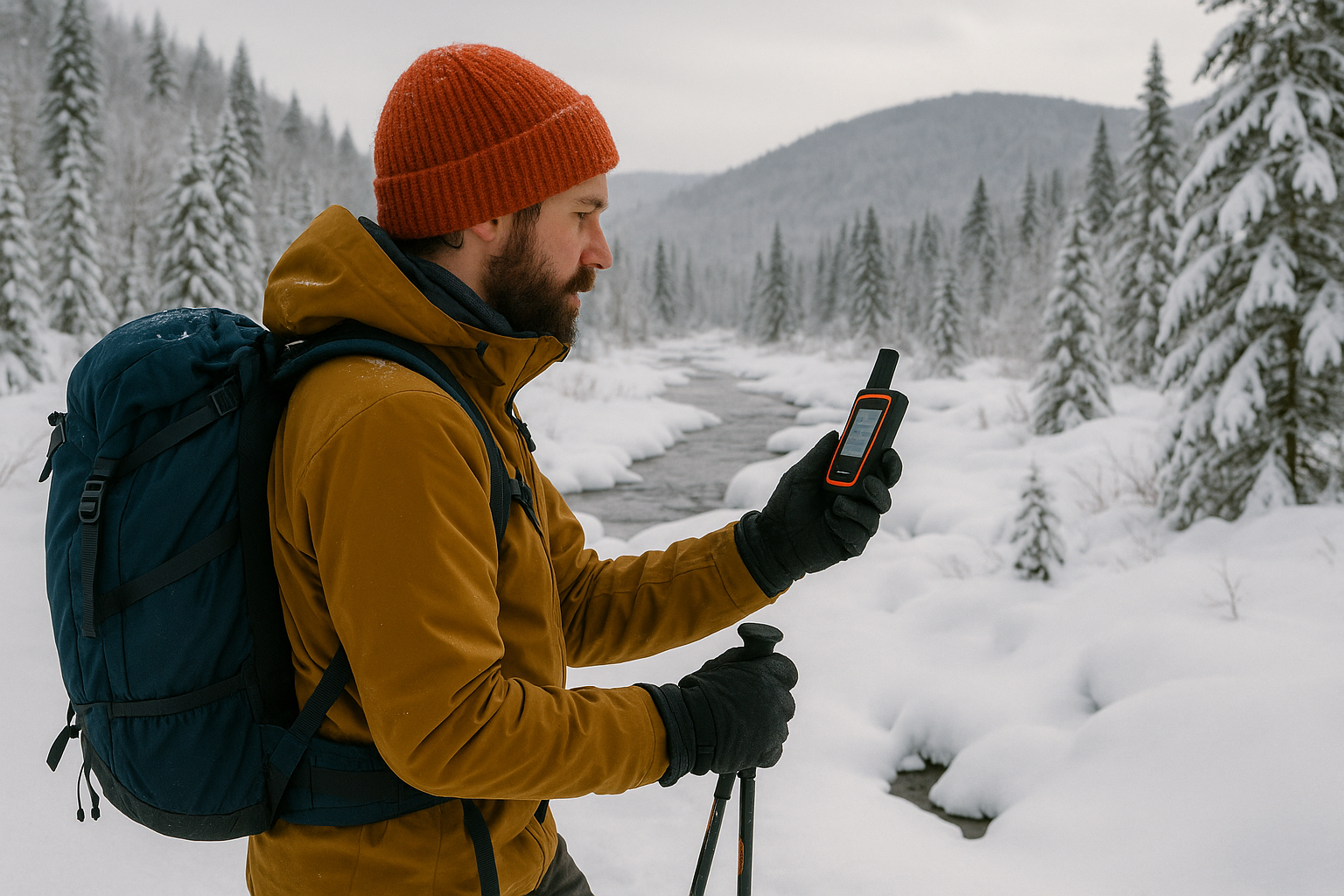
Winter hiker with snowshoes consulting a satellite communicator in a snowy landscape typical of Quebec
Practical tips to optimize your communicator
Regardless of your choice, here are the tricks I learned after years of field use to maximize your device's efficiency.
Before leaving
Always test your device 24-48h before departure. Send a test message, check battery life, and make sure your emergency contacts are up to date. I've had the unpleasant surprise of an expired subscription just before an important outing.
Configure your preset messages carefully. Instead of "All is well," write something like "Arrived at camp, weather okay, return planned Sunday 6pm." More info = less worry for your loved ones.
Sync with local weather. If you're leaving with a Garmin, download forecasts before losing cell signal. It can save you from unpleasant surprises.
In use
Carry the device on you, not in the bottom of your pack. In a real emergency, you might not have access to your pack. I keep it in a chest pocket or attached to my shoulder strap.
Save battery intelligently. Disable continuous GPS tracking if you don't need it. A position point every 30 minutes is largely sufficient for most activities.
Choose your moment well to send messages. Satellite connection works better with clear skies. Avoid deep valley bottoms or very dense forests if possible.
⚠️ Warning — Never rely solely on your satellite communicator. Always keep a plan B: itinerary left with someone, precise return time, and basic survival gear. Technology can fail.
Maintenance and storage
Clean regularly the contacts and screen with a dry cloth. Humidity and dirt can affect performance, especially on SPOT buttons.
Store with partial charge if you don't use the device for several months. Lithium batteries don't like being completely empty or completely full for long periods.
Update firmware regularly. Manufacturers constantly improve performance and reliability through these updates.
Cost-benefit analysis over 2 years
To help you see more clearly in real costs, here's what it represents over 24 months of moderate use (basic plan for each device).
2-year costs
Garmin inReach Mini 2
SPOT Gen4
Zoleo
Initial purchase
$475
$175
$325
Subscription (24 months)
$360 ($15/month)
$300 ($12.50/month)
$480 ($20/month)
2-year total
$835
$475
$805
Cost per outing*
$21
$12
$20
*Based on 40 outings over 2 years (regular hiker)
When you look at it as insurance, the price difference becomes less important. It's the cost of a good restaurant meal per outing to have complete peace of mind.
"The best satellite communicator is the one you have on you when you need it. Regardless of the model, the important thing is to never leave without one."
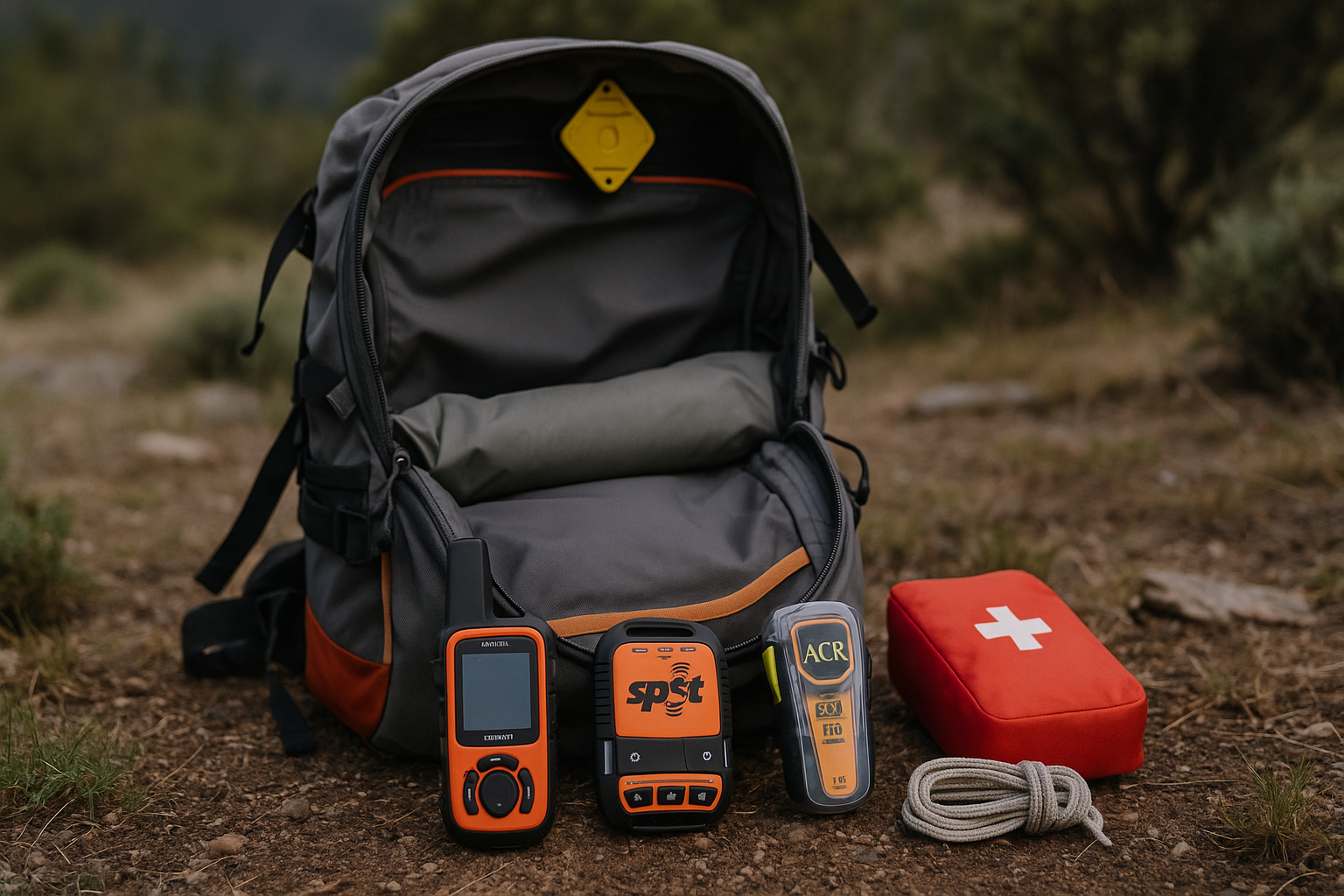
Overview of an open hiking backpack with the three satellite communicators and other safety equipment arranged in an organized manner
📬 One hike or strong idea, every week. Zero spam.
I subscribe →
My verdict after 3 years of field testing
After carrying these three devices over hundreds of kilometers of trails, from day hikes to multi-week expeditions, here's my final recommendation.
For 70% of Quebec adventurers, the Garmin inReach Mini 2 remains the best investment. Yes, it's more expensive, but the versatility and reliability justify the price difference. Two-way messaging and integration with the Garmin ecosystem make it a truly complete tool.
The SPOT Gen4 keeps its place for tight budgets or occasional users. If you do less than 10 outings per year and stay on relatively frequented trails, it does the job perfectly for a fraction of the price.
The Zoleo appeals to technophiles who want to keep their smartphone at the center of the experience. It's an excellent modern compromise, but watch out for hidden costs if you send many messages.
My final recommendations
Tight budget: SPOT Gen4 without hesitation
Regular use: Garmin inReach Mini 2 for its versatility
Technophile: Zoleo for the smartphone experience
Extreme expeditions: Garmin for its robustness and battery life
Beginner: SPOT for its simplicity
The important thing is to never leave for isolated nature without one of these devices. I've seen too many situations that could have gone wrong without this technology. As I always say: "Better to have it and not need it, than to need it and not have it."
Now, stop procrastinating and choose your communicator! Good weather is coming, and the trails are waiting for you. Whether for a quiet walk at Mont Arthabaska or a more advanced adventure, you deserve to have this peace of mind that will allow you to fully enjoy every moment in nature.
Durations, distances, dogs: LGPO trail pages for Mont du Lac des Cygnes, Canyon Sainte-Anne, Mont Yamaska and Mont Arthabaska, read on November 13, 2026.
Hautes-Gorges de la Malbaie and Mont Saint-Bruno: park pages, no trail duration published here.