
You know that moment when you wake up after a night of camping feeling like you slept on gravel? I've been there more often than I care to admit. After 15 years exploring Quebec and Canada's trails, I've tested dozens of camping sleeping pads and learned the hard way that a good night's sleep can make or break your wilderness adventure.
Whether you're planning your first bivouac at Mont Yamaska or an expedition in the Hautes-Gorges de la Malbaie, your sleeping pad choice will directly impact your recovery and enjoyment. I'm going to share my discoveries about the 7 best sleeping pads for 2026, with real field feedback.
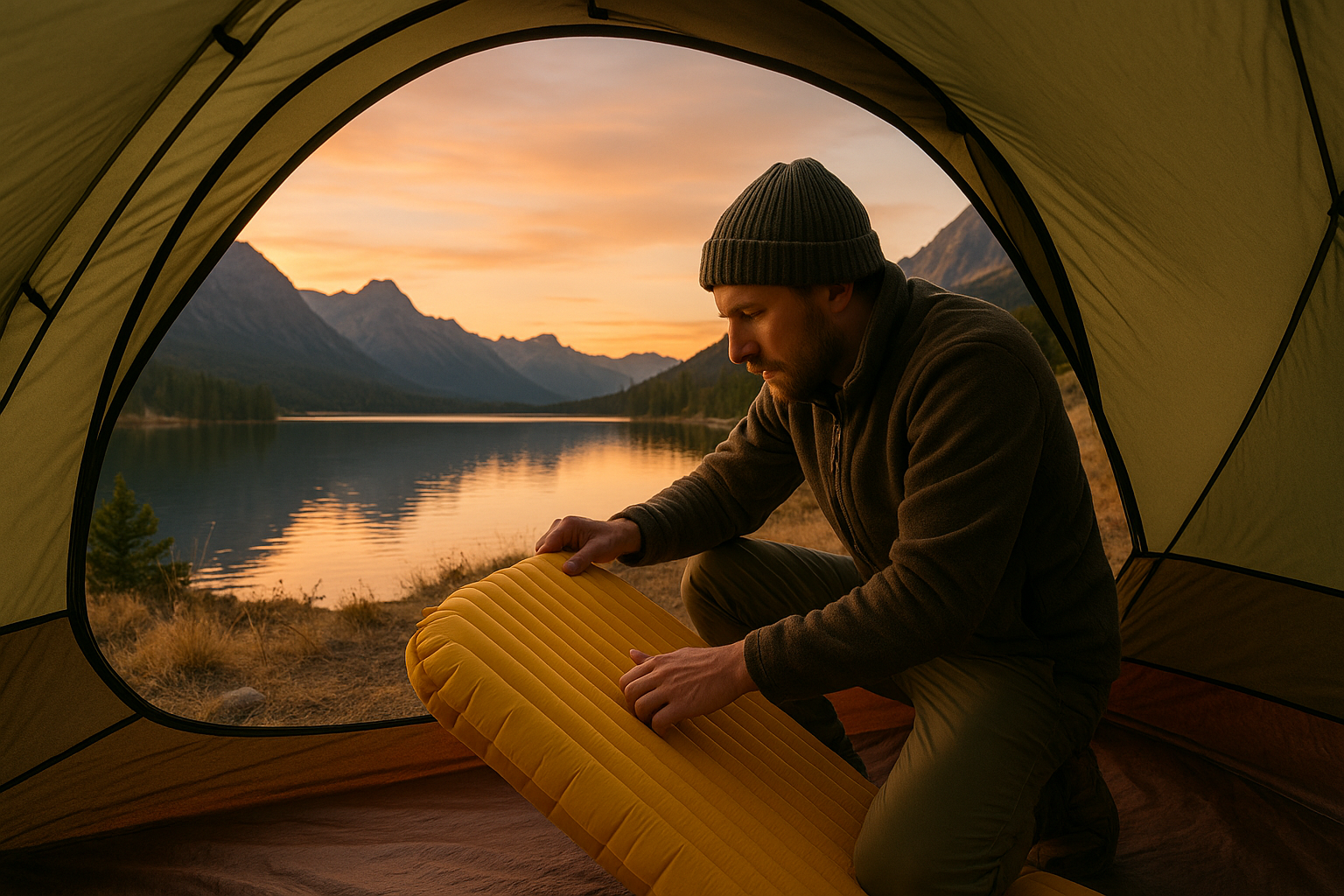
🏕️ Why your sleeping pad can ruin (or save) your camping trip
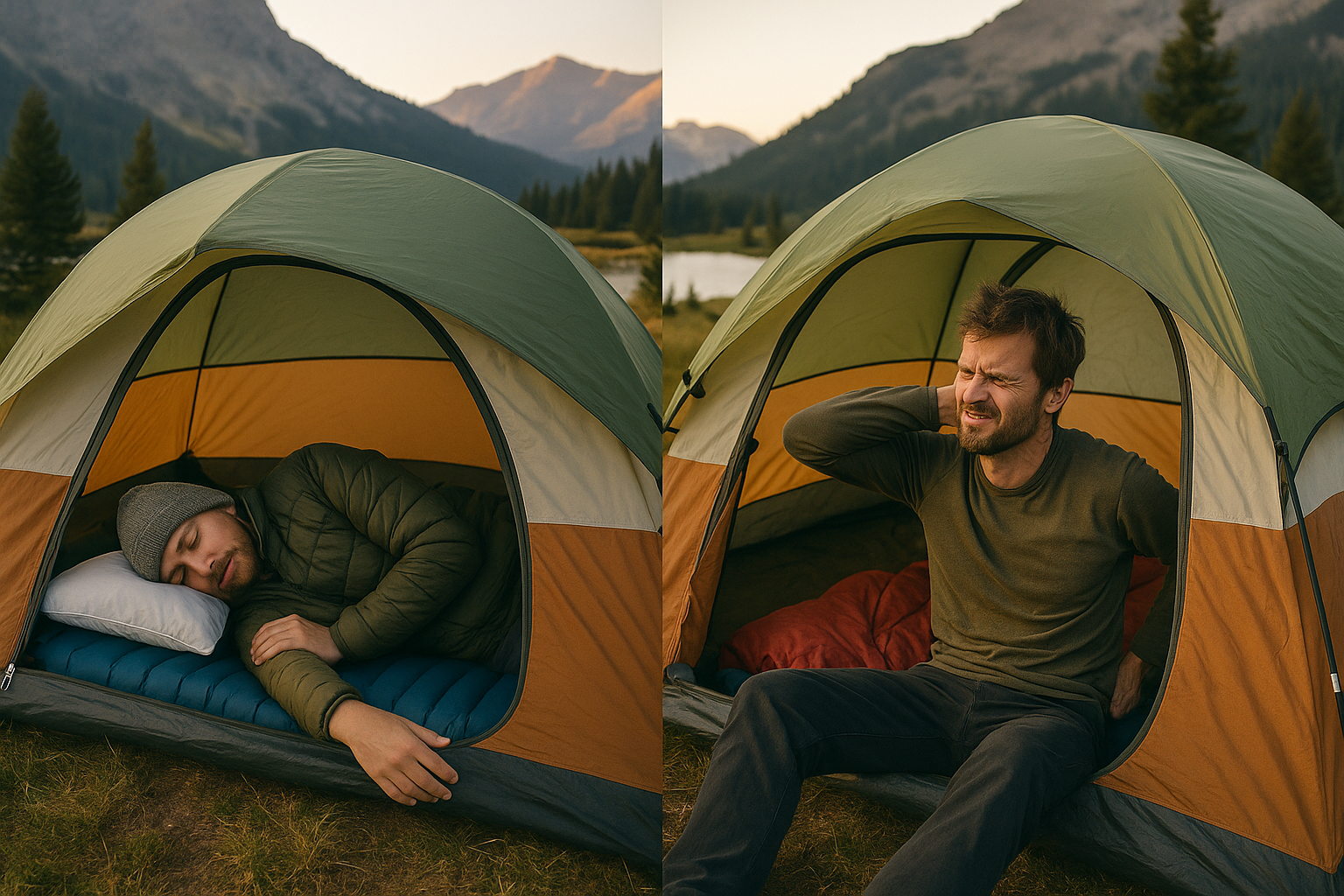
Let me tell you about my worst camping night. It was in Parc de la Gaspésie, I had skimped on my sleeping pad and grabbed a cheap $15 thing. Result? I spent the night tossing and turning on rocks that seemed to grow through the ground. The next day, I was so sore I cut my hike short.
A good sleeping pad does three essential jobs:
- Thermal insulation — It protects you from cold rising from the ground (and trust me, even in summer, the ground can be freezing)
- Comfort — It cushions terrain irregularities so you can actually sleep
- Durability — It must resist branches, rocks, and repeated wear
I learned that spending a bit more on a quality sleeping pad is investing in years of good nights in nature. And frankly, after a 20 km day on the trail, you deserve to recover well.
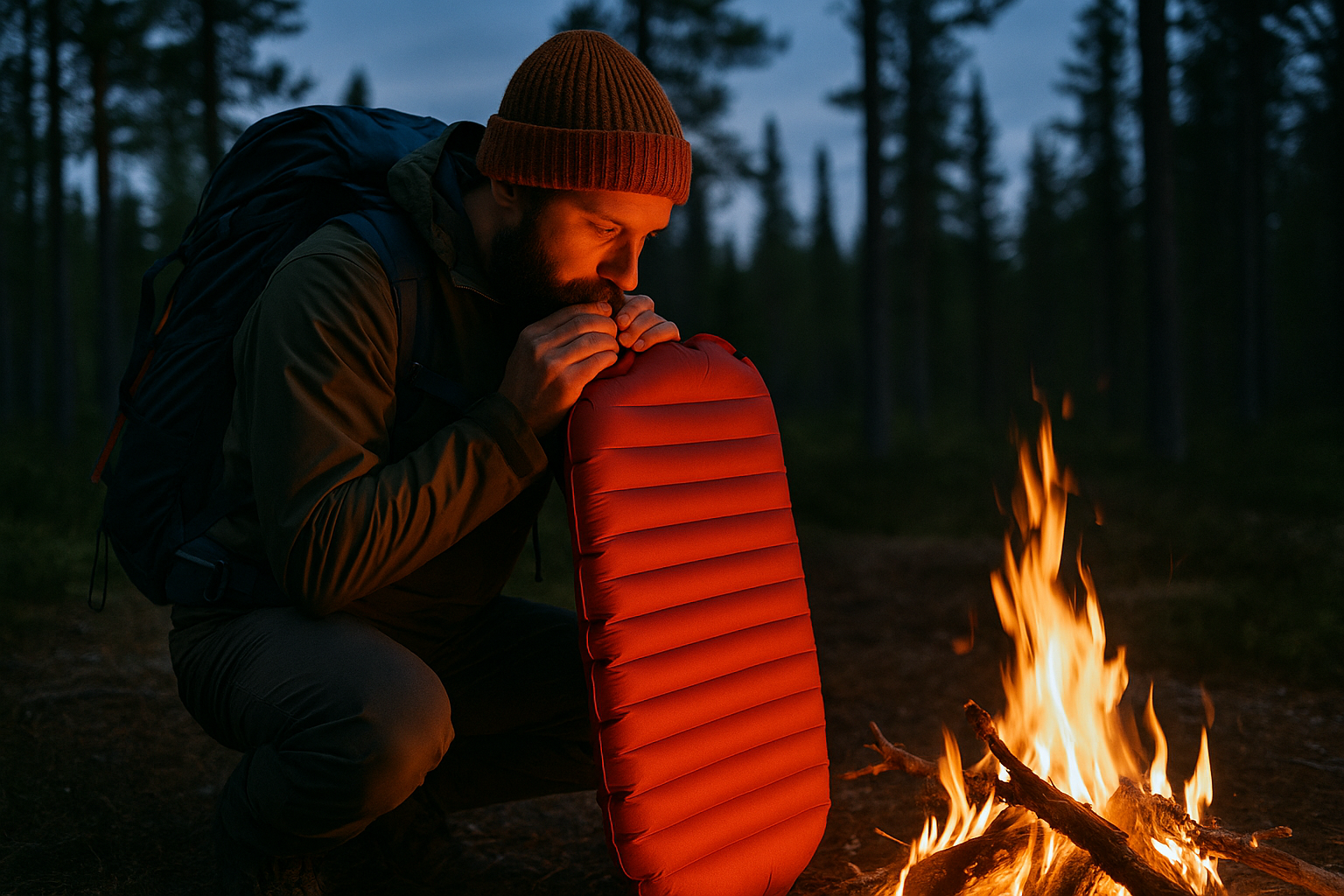
Get my gifts →
🎯 The 7 best camping sleeping pads 2026
After testing tons of models on all types of terrain, here are my top picks for this year. I've ranked my recommendations according to different needs and budgets.
1. Therm-a-Rest NeoAir XLite NXT — The all-around champion
If I had to keep just one sleeping pad, this would be it. I've dragged it from Mont du Lac des Cygnes to the Rockies, and it's never let me down.
Why I recommend it:
- Featherweight: only 340g in regular format
- R-value of 4.2 — perfect for 3 seasons
- Inflates in 10-15 breaths
- Compact as a water bottle when packed
2. Sea to Summit Ether Light XT — The comfort king
For those who don't want to compromise on comfort, this is my choice. Thicker (10 cm), it offers sleep almost comparable to your bed at home.
Pros:
- 10 cm thickness — you no longer feel the ground
- Ultra-fast valve system
- Excellent for side sleepers
Cons:
- A bit heavier (650g)
- Higher price
| Model | Weight | R-Value | Thickness | Approximate Price |
|---|---|---|---|---|
| Therm-a-Rest NeoAir XLite NXT | 340g | 4.2 | 6.4 cm | $280-320 |
| Sea to Summit Ether Light XT | 650g | 3.2 | 10 cm | $350-400 |
| Klymit Static V2 | 465g | 1.3 | 6.5 cm | $80-100 |
| Big Agnes Q-Core SLX | 510g | 3.2 | 8.9 cm | $200-250 |
3. Klymit Static V2 — The smart budget choice
When I started camping, I didn't have a big budget. The Static V2 served me well and it's still my recommendation for starting out without breaking the bank.
Be careful though: its R-value of 1.3 limits it to summer camping. As soon as nights get cool, you'll be cold from underneath.
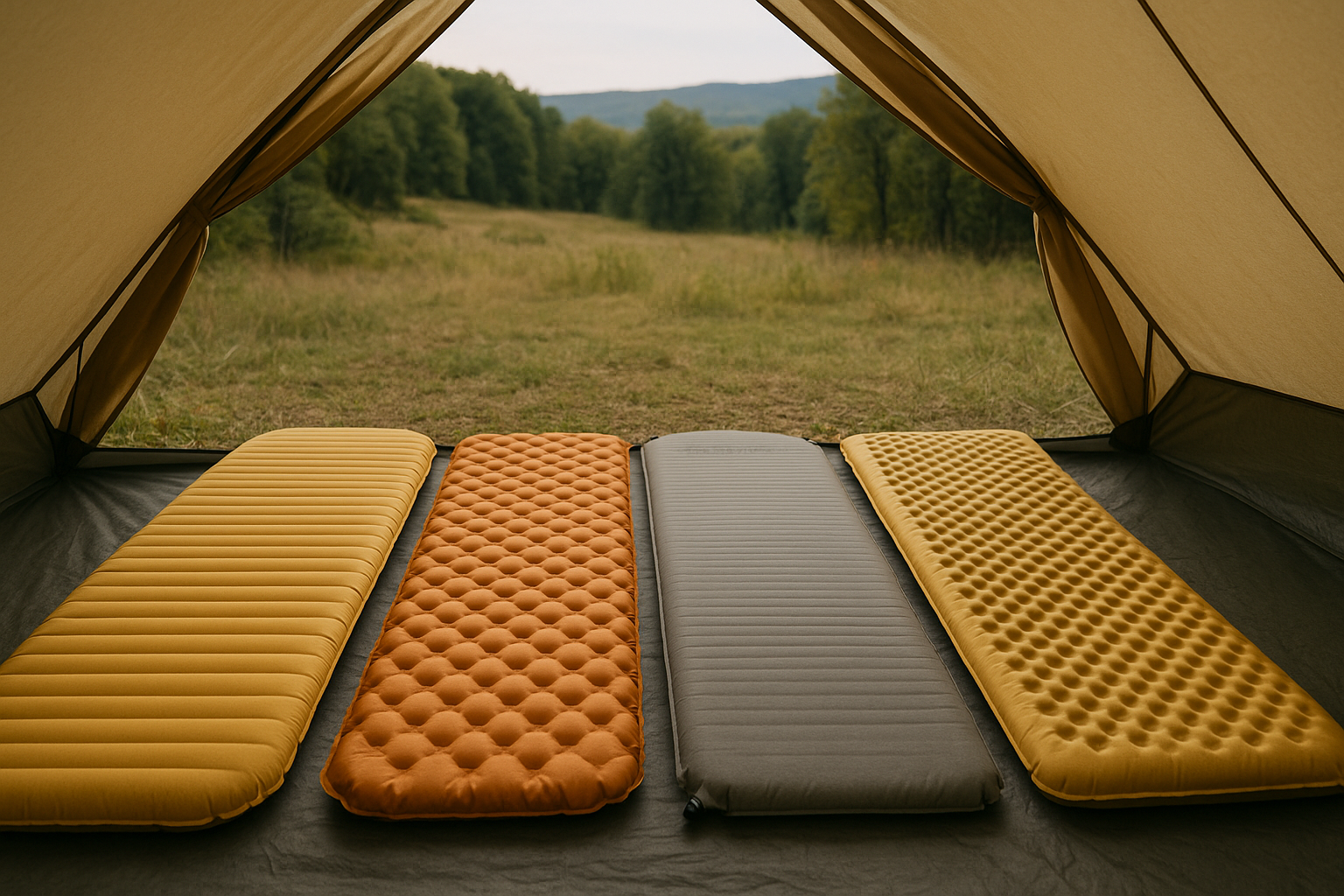
4. Big Agnes Q-Core SLX — The innovator
Big Agnes thought differently with this model. Instead of traditional baffles, they use quilted chambers that better distribute your weight. Result: fewer pressure points and more stable sleep.
5. Nemo Tensor — The restless sleeper
If you move a lot during sleep (like me), the Tensor is fantastic. Its construction with "spoon-shaped baffles" prevents you from rolling off the pad.
6. REI Co-op Flash — The value champion
REI hit the bullseye with this model. For the price, you get performance that rivals sleeping pads twice as expensive. My favorite backup.
7. Therm-a-Rest Z Lite Sol — The indestructible
Accordion foam, impossible to puncture, usable as a seat during breaks... The Z Lite is absolute reliability. Heavier and less comfortable, but it will never let you down.
« After puncturing my inflatable sleeping pad at 3 AM in the Chic-Chocs, I understood why some guides swear only by foam. »
🤔 How to choose the perfect sleeping pad for your needs
The best sleeping pad is the one that matches YOUR camping style. Here's how I help my friends make the right choice:
According to your camping type
Car camping: Prioritize comfort. Weight and compactness are secondary. The Sea to Summit Ether Light XT or Big Agnes Q-Core SLX are perfect.
Lightweight hiking: Every gram counts. The NeoAir XLite NXT or Nemo Tensor are your best allies.
Winter camping: R-value becomes critical. Aim for R=4 minimum, ideally R=5+. You can even combine two pads for maximum insulation.
According to your sleep position
- Back sleeper: Almost all sleeping pads work
- Side sleeper: You need more thickness (8 cm+) and softness
- Stomach sleeper: A firmer sleeping pad will be more comfortable
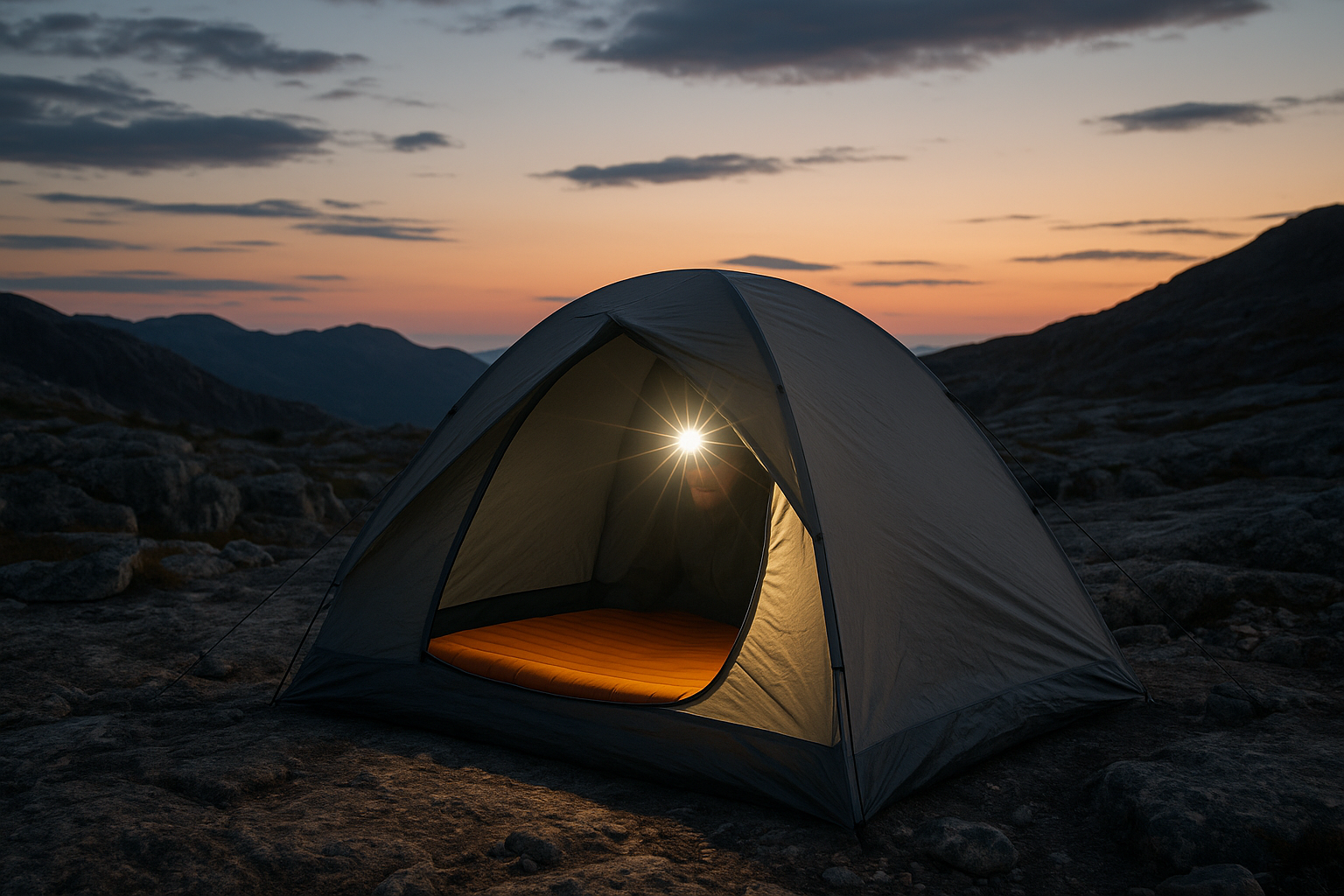
🔧 My tricks to maximize your sleeping pad's lifespan
I've seen too many beautiful sleeping pads die prematurely from neglect. Here are my techniques to make them last:
Protection and setup
Always use a footprint or tarp under your tent. This is basic protection against punctures. I sometimes even use Tyvek (construction paper) — it's light and ultra-resistant.
Clean your campsite. Take 2 minutes to remove branches, sharp rocks and debris before setting up your tent. Your back and your sleeping pad will thank you.
Never drag your sleeping pad directly on the ground. Even to move it a few meters, use your stuff sack or carry it.
Maintenance and storage
- Let it dry completely before storing — moisture can cause mold
- Store it semi-inflated to prevent valves from sticking
- Avoid extreme storage temperatures (overheated garage in summer, freezing shed in winter)
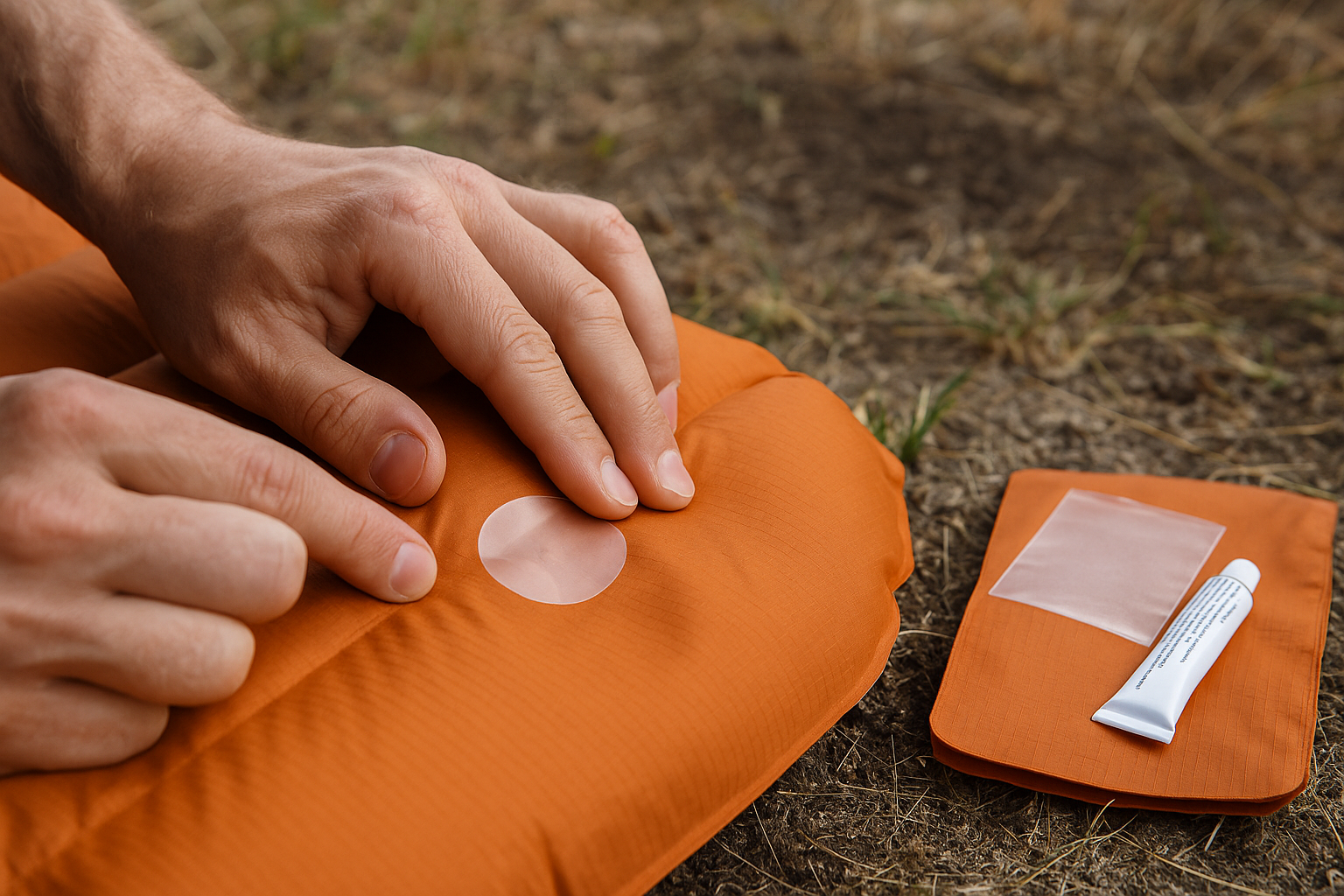
My favorite trick: I always keep a small repair kit in my pack. Even the best sleeping pad can have a mishap, and it's no fun discovering a hole at midnight in the rain.
💰 Budget vs performance: where to invest your money
I understand not everyone has $400 to put into a camping sleeping pad. Here's how to optimize your investment according to your budget:
Tight budget (under $100)
The Klymit Static V2 remains your best choice. Yes, it has its limits, but for starting summer camping, it does the job. I have several friends who still use it after 3-4 years.
Medium budget ($100-200)
This is the sweet spot. The REI Co-op Flash or certain high-end Klymit models offer excellent compromise. You already get premium features without breaking the bank.
Generous budget ($200+)
Here, you can aim for excellence. The NeoAir XLite NXT or Sea to Summit Ether Light XT will transform your camping nights. It's an investment, but one that will last years.
| Price Range | Recommended Pad | Advantages | Compromises |
|---|---|---|---|
| Under $100 | Klymit Static V2 | Affordable price, reliable | Limited insulation |
| $100-200 | REI Co-op Flash | Good balance everywhere | Not exceptional anywhere |
| $200+ | NeoAir XLite NXT | Maximum performance | High price |
« A quality sleeping pad is like good hiking boots: it costs more upfront, but saves you in comfort and durability long-term. »
🌡️ Sleeping pads and seasons: adapting your choice to Quebec's climate
Quebec has four distinct seasons, and your sleeping pad must adapt. After camping from January to December in the province, here's what I learned:
Spring camping (March-May)
Quebec spring is unpredictable. A mild night can be followed by a brutal temperature drop. I experienced this at Canyon Sainte-Anne — 15°C at bedtime, -2°C at wake-up.
Recommended R-value: 3.5 minimum. The ground still holds winter's cold and moisture is often present.
Summer camping (June-August)
Even in midsummer, nights can be cool, especially at altitude or near lakes. At Mont Arthabaska, I've had 8°C in July.
Recommended R-value: 2.5 to 3.5 depending on altitude and region.
Fall camping (September-November)
Fall is magical for camping, but nights quickly become cold. Condensation also becomes a major issue.
Recommended R-value: 4.0 minimum, ideally 4.5+.
Winter camping (December-February)
Winter camping is another league. Snow insulates, but frozen ground sucks your body heat like a thermal vampire.
Recommended R-value: 5.0+ minimum. Several winter campers even use two pads: a foam one (Z Lite) under an inflatable for safety.
For winter camping, I strongly recommend consulting our preparation guide — equipment becomes critical for your safety.
🛠️ Repairing your sleeping pad in the field: my survival techniques
It will happen to you someday: you'll puncture your sleeping pad in the wilderness. I remember that time in the Laurentians when my NeoAir caught a wild rose thorn. 2 AM, temperature dropping, and me with a slowly deflating sleeping pad.
Essential repair kit
In my kit, I always have:
- Adhesive patches (supplied with most sleeping pads)
- Specialized glue (Gear Aid Seam Grip)
- Duct tape — the universal temporary solution
- Isopropyl alcohol in small bottle to clean the surface
Emergency repair technique
1. Locate the hole: Inflate your sleeping pad and listen for the hiss. If it's silent, immerse it in water (lake, river) and look for bubbles.
2. Clean the area: Remove dirt and moisture. Isopropyl alcohol helps, but failing that, a clean dry cloth works.
3. Apply the patch: Stick it well, smoothing the edges. Wait at least 10 minutes before re-inflating.
🏔️ Specialized sleeping pads: when standards aren't enough
For certain types of adventures, standard sleeping pads reach their limits. After testing gear in extreme conditions, here are my recommendations for special situations:
Mountaineering and high altitude
At altitude, every gram counts and reliability is crucial. The Therm-a-Rest NeoAir XTherm remains my reference with its R-value of 6.9 and featherweight. I've used it up to 4000m in the Rockies — flawless performance.
Canoe camping
Weight matters less, but durability and comfort become priorities. The Sea to Summit Comfort Plus SI offers incomparable luxury after a day of intensive paddling.
Family camping
With children, you want simplicity and robustness. Self-inflating pads like the Therm-a-Rest BaseCamp are perfect: easy to set up, comfortable, and virtually puncture-proof.
🎯 My final verdict: which sleeping pad to choose in 2026
After all these tests and nights spent in nature, here are my final recommendations:
For absolute versatility: The Therm-a-Rest NeoAir XLite NXT remains my champion. It excels everywhere without being perfect anywhere — exactly what's needed for most campers.
For maximum comfort: The Sea to Summit Ether Light XT transforms your camping nights. If you can carry the extra 300g, go for it.
To start without breaking the bank: The Klymit Static V2 will introduce you to comfortable camping. Its limitations will naturally push you toward an upgrade when you're hooked.
For extreme reliability: The Therm-a-Rest Z Lite Sol will never disappoint you. Heavier, less comfortable, but puncture-proof and versatile.
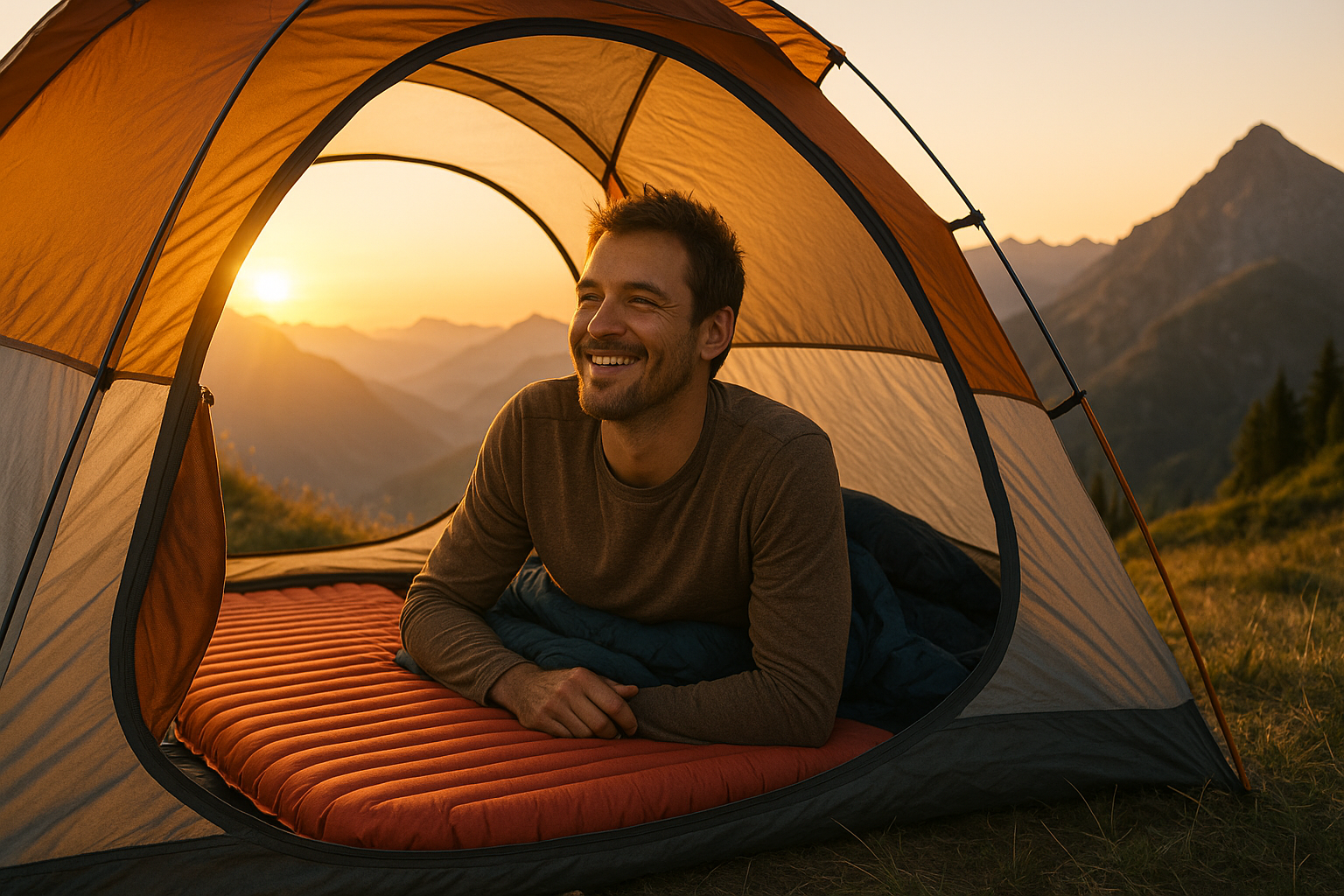
In the end, the best sleeping pad is the one that makes you want to go camping again. I started with a $20 foam pad and gradually upgraded my equipment. The important thing is to get outside and discover what works for you.
Whether you choose to explore the easy trails around Montreal or plan a more ambitious adventure, don't forget that camping is above all about connecting with nature. A good sleeping pad just helps you enjoy it better.
My action tips for you:
- Determine your budget and main camping type
- Test your sleeping pad at home before your first outing
- Invest in a good repair kit from the start
- Start with short trips to validate your choice
- Don't hesitate to upgrade when you have more experience
Summer is coming, the trails are calling, and now you have everything you need to spend comfortable nights under the stars. So, when's your next adventure?
Newsletter
Content that makes you want to go outside
Every week, a trail idea, a reflection on nature, or a tip worth the detour. Zero spam. Only the essentials.
Joined by 12,000+ outdoor enthusiasts
Read next