Tired of getting side-eyes from old outdoor veterans when you show up on a trail with your beginner kit? I get it! After 15 years exploring the mountains of Quebec and beyond, I've seen all kinds of hikers. The ones who impress aren't necessarily those with the most expensive gear, but those who know how to gear up like a pro. The difference? They know the tricks that really matter, they've learned from their mistakes (and those of others), and most importantly, they understand that being well-equipped is the key to fully enjoying every outing.
In this guide, I'll share everything I wish I'd known when I started. No endless shopping list of overpriced equipment, but the real stuff that makes the difference between a memorable outing and a mountain nightmare.
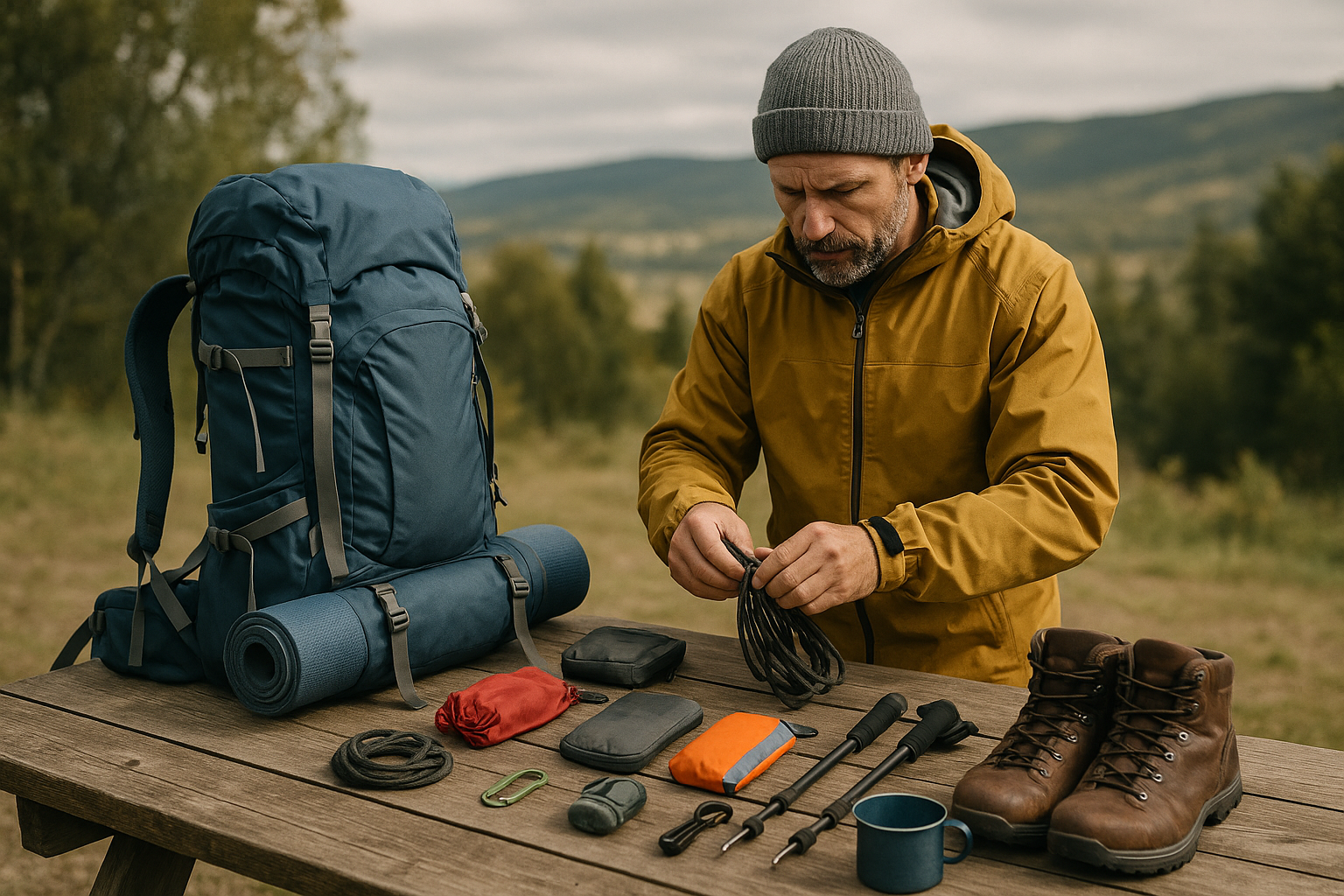
Experienced hiker methodically organizing equipment on a table, with backpack, boots and accessories arranged professionally
🎒 The 3 Pillars of Pro Equipment (That 90% of People Ignore)
Forget everything you think you know about outdoor gear. After encountering thousands of hikers on trails, I've noticed that pros all share three secrets that beginners don't grasp.
First Pillar: The System Rule, Not the Object
An amateur buys a nice jacket. A pro buys a layering system. The difference? The pro understands that each piece of equipment must work with the others. Your rain jacket must be compatible with your insulating layer, which must itself coordinate with your base layer.
💡 Pro tip — Before buying anything, ask yourself: "How will this work with what I already have?" That's the question that separates pros from amateurs.
Second Pillar: Know Your Playground
Will you mainly be hiking in the Laurentides? Your equipment will be different from someone who frequents the Chic-Chocs. Pros adapt their kit to their reality, not to Instagram ads.
Third Pillar: Experience Before Equipment
I've seen guys with $5000 worth of equipment get lost on Mont Yamaska, while an old-timer with his patched bag and paper map navigated like a boss. Equipment follows experience, never the reverse.
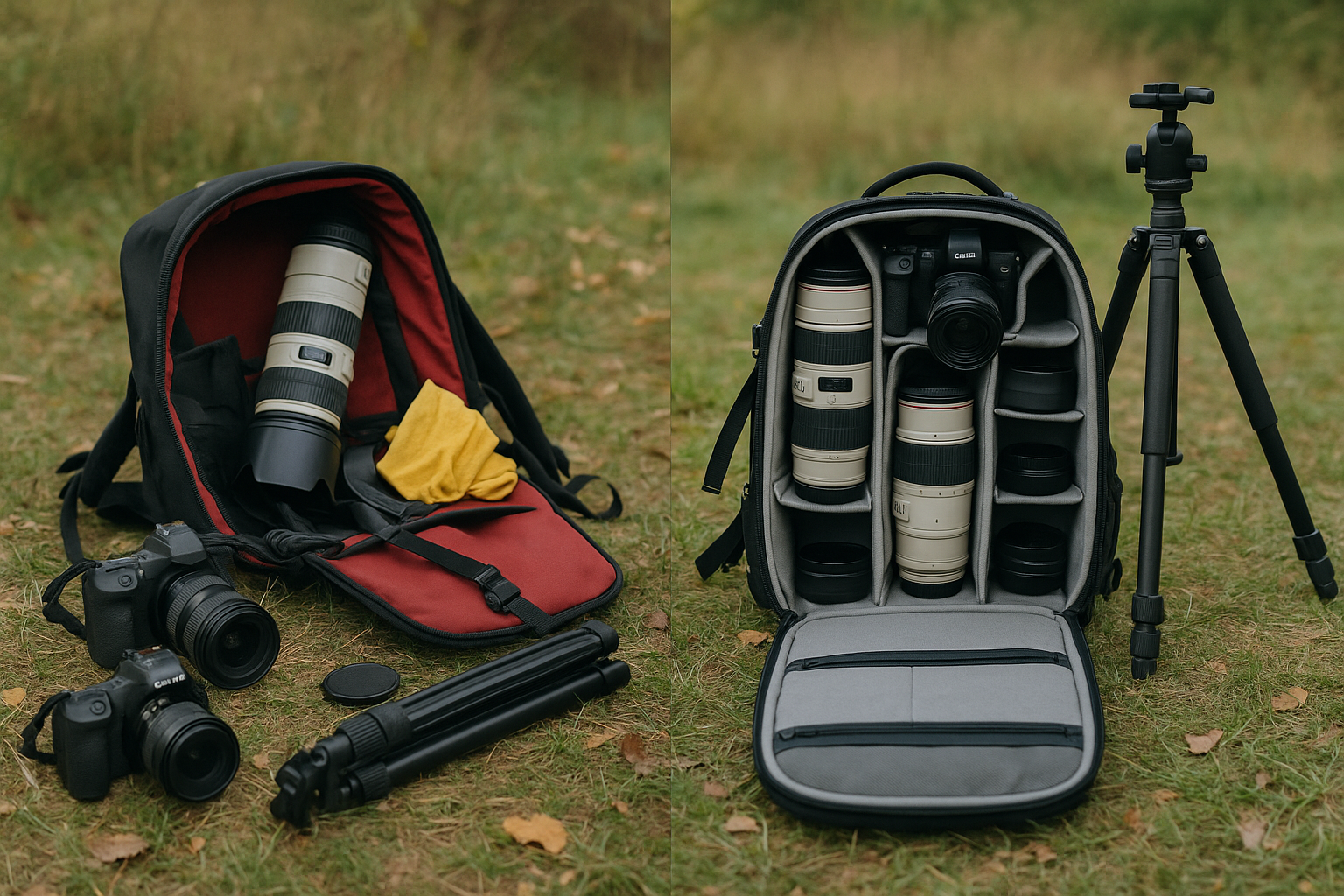
Visual comparison between disorganized amateur equipment and well-thought-out, coordinated professional equipment
🥾 How to Choose Each Piece of Equipment Like an Expert
Now that we've laid the foundation, let's get to the heart of the matter. Here's how pros approach each equipment category, with classic mistakes to avoid.
Footwear: Your Foundation in the Mountains
This is where it all starts, and where most people mess up. Pros don't choose their boots based on looks, but on three specific criteria:
Type of terrain: maintained trails vs rocks vs mud
Load carried: day hiking vs multi-day trekking
Season of use: summer vs four seasons
⚠️ Warning — Never buy boots online without trying them on. Your feet swell at the end of the day, so try them on in the evening, with the socks you wear hiking.
Backpack: Your Mobile Office
A pro never chooses a pack based on its color or brand, but on its carrying system and actual capacity. Here's the secret: the capacity advertised on the label is marketing. What matters is how the pack carries with YOUR stuff in it.
Type of outing
Recommended capacity
Key features
Day hike
20-30L
Light, easy access, water bottle holder
Weekend camping
40-50L
External straps, sleeping compartment
Long-distance trek
60L+
Adjustable frame, multiple access points
Layering System: The Science of Comfort
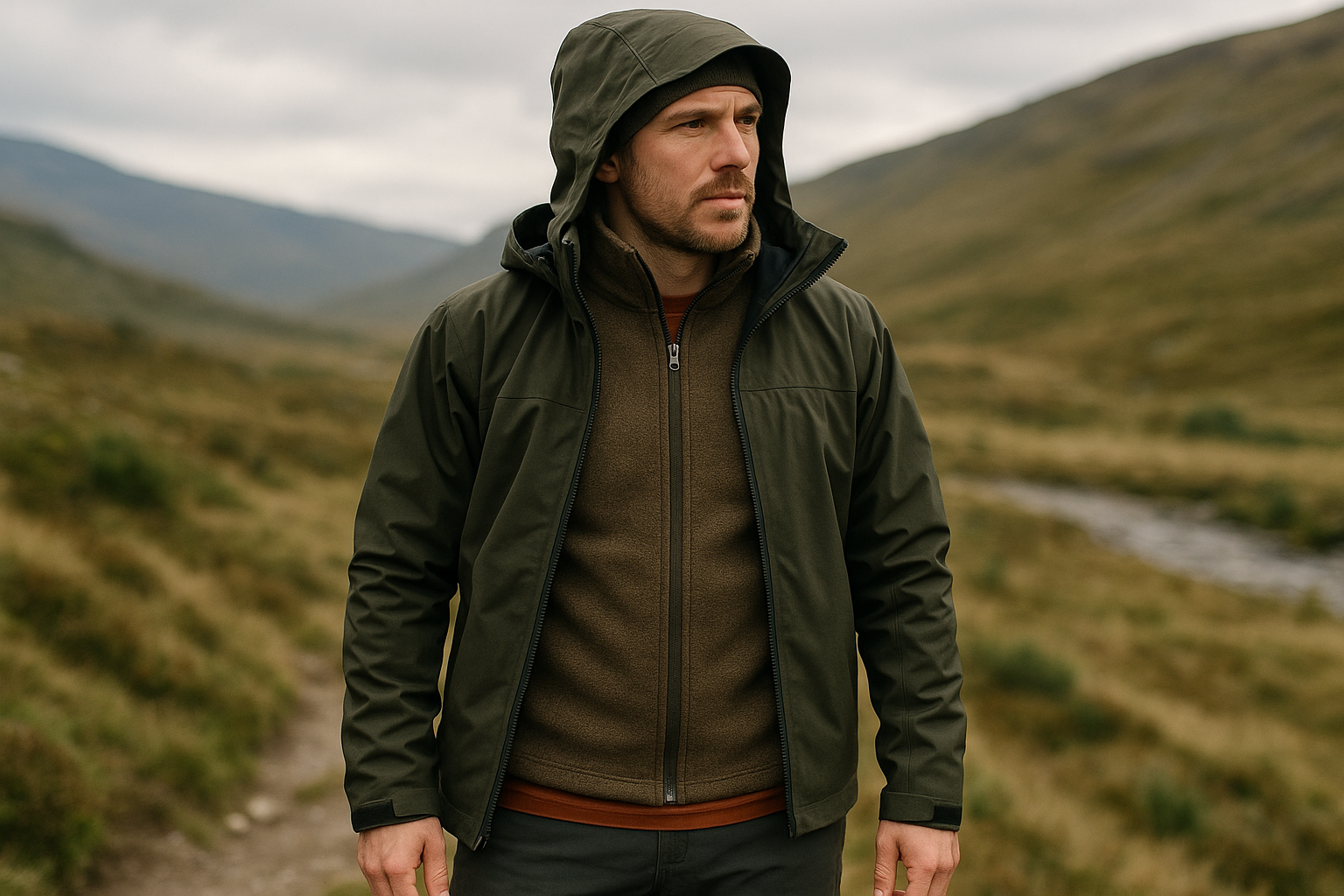
Here, we enter real expertise. Pros master the art of three layers: base, insulating, and protection. Each layer has a specific job, and none can do the work of the others.
Demonstration of the layering system with three garments layered on a mannequin or hiker
📥 Download our free gifts — The complete list of all essential equipment for your hikes, organized by season and difficulty level. Never forget anything again!
Get my gifts →
💰 The Art of Smart Investment (Without Going Broke Like a Tourist)
Let's talk money. Because yes, gearing up like a pro costs money. But not as much as you think, and especially not all at once. Here's my proven strategy for building a pro kit without emptying your bank account.
The 20/80 Rule Applied to Outdoors
80% of your comfort and safety comes from 20% of your equipment. That 20% is where you need to invest first. In order of priority:
Quality footwear: your feet carry you everywhere
Well-fitted pack: your back will thank you
Navigation system: getting lost isn't fun
Rain gear: being soaked ruins everything
When to Buy New vs Used
Pros know you can save big on certain items without compromising performance. Here are my golden rules:
"Buy new what touches your skin and your safety, buy used the rest." — My rule after 15 years of gear.
💡 Pro tip — The best deals are found at end of season in specialized stores, and on outdoor Facebook groups. I once found a $400 jacket for $80 because it was the wrong color.
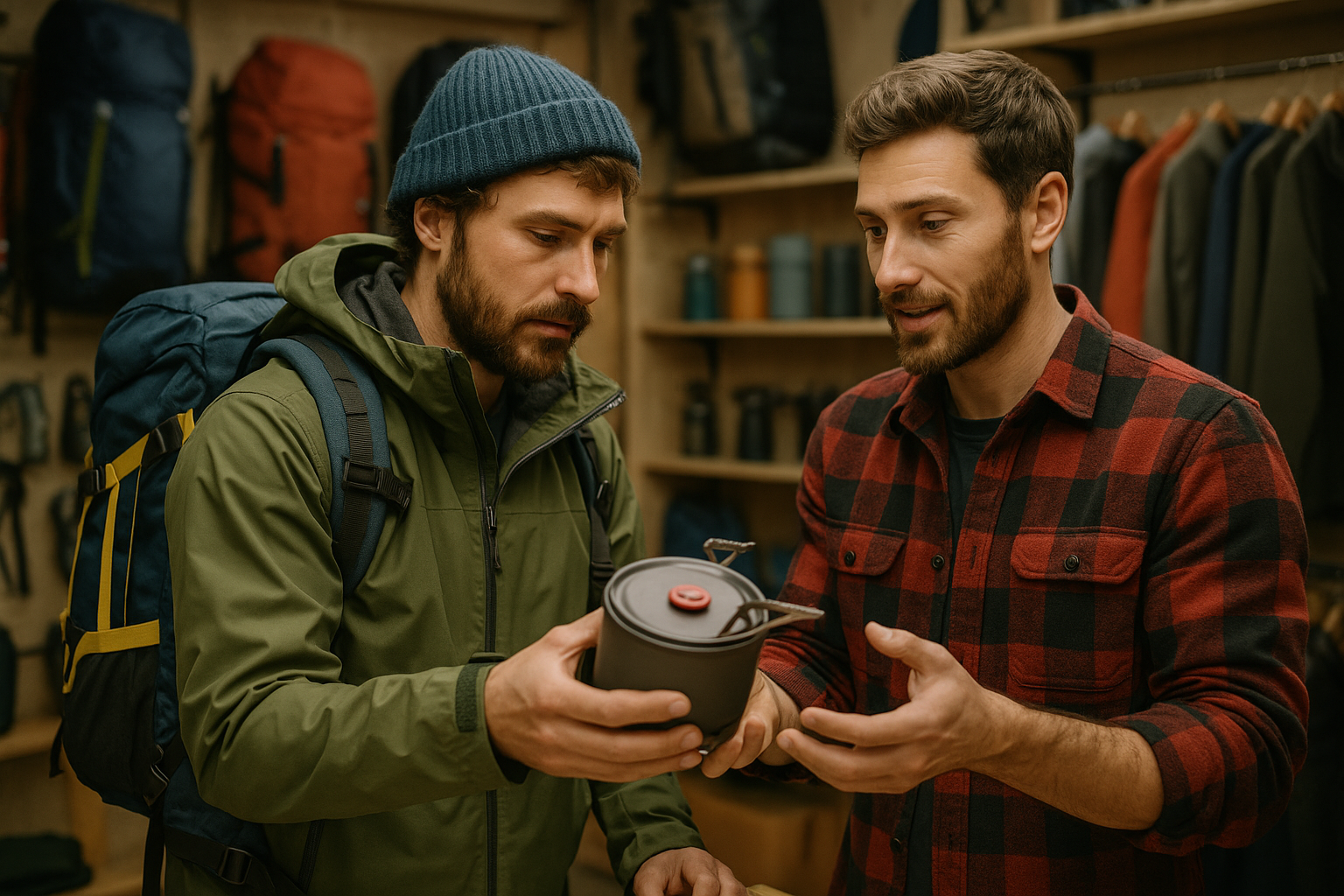
Hiker in an outdoor equipment store, carefully examining a piece of equipment with an expert salesperson
🔧 Maintenance Secrets That Extend Your Equipment's Life
Here's what really separates pros from amateurs: they know that purchase is just the beginning. Well-maintained equipment can last decades. Neglected equipment will fail you at the worst moment.
The Pro's Post-Outing Ritual
Every time I return from an outing, even a short one, I have my routine. It takes 15 minutes, but it's saved me hundreds of dollars in premature replacement:
Air and dry: everything that was wet comes out of the pack
Clean boots: remove mud before it dries
Check for wear: a small problem now vs a big repair later
Reorganize pack: everything is ready for the next outing
Field Repairs Every Pro Masters
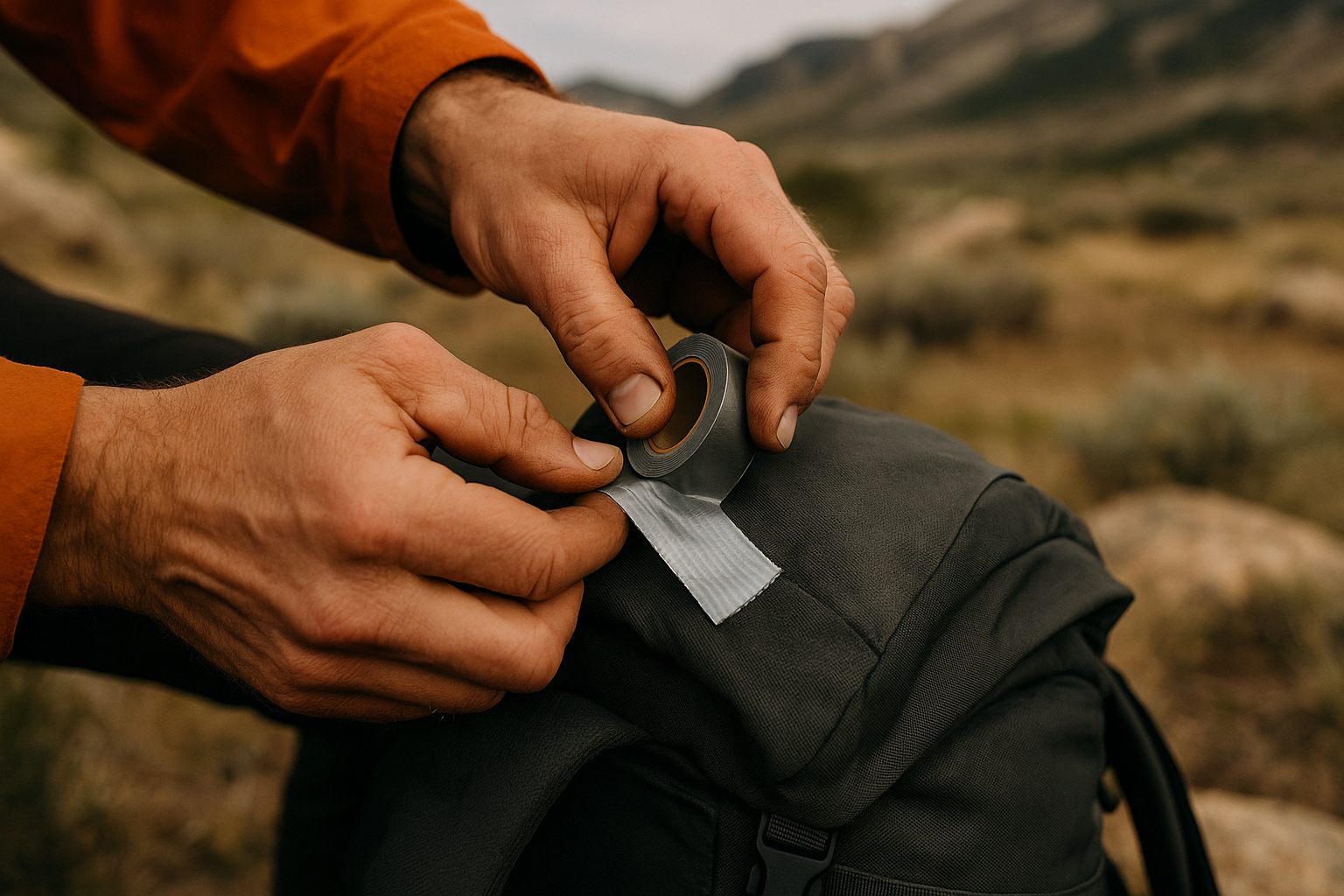
An amateur goes home as soon as equipment breaks. A pro pulls out their repair kit. Here are the three repairs that have saved me most often:
📌 Good to know — A roll of duct tape and some safety pins can repair 90% of equipment failures on the trail. I always have some in a waterproof pouch in my pack.
Close-up of hands repairing a piece of hiking equipment with duct tape in an outdoor environment
📱 The Modern Hiker's Tech Equipment (Without Falling Into Gadget Trap)
We live in 2024, and today's pros use technology to their advantage. But beware: tech should simplify your trail life, not complicate it. Here's my balanced approach.
Navigation: Paper vs Digital (Why Not Both?)
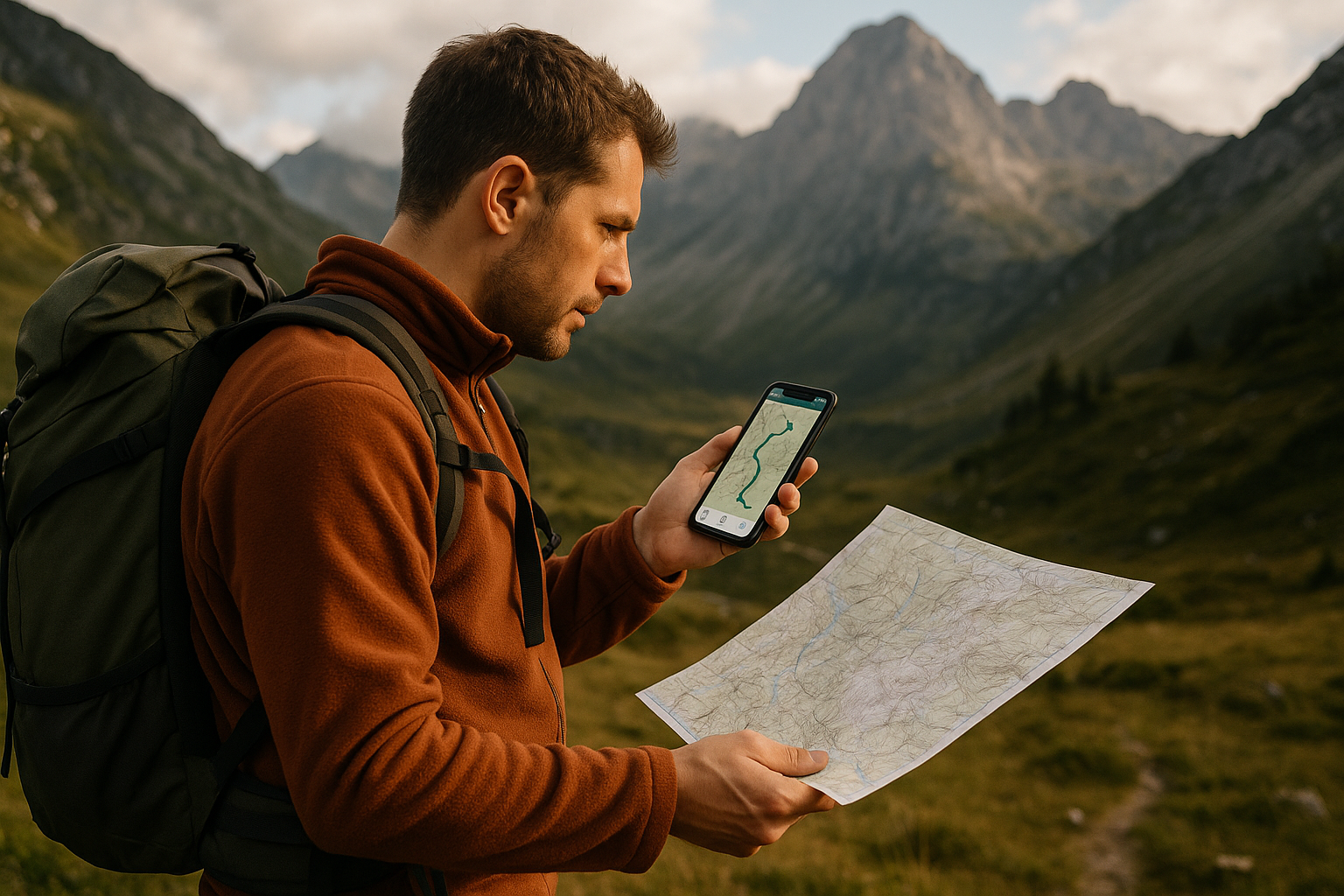
I've seen too many people rely solely on their phone and get in trouble when the battery dies. My solution? The hybrid system:
Paper map: always in the pack, never a dead battery
GPS app: for real-time tracking and points of interest
Pros always have a communication plan. Whether it's a simple satellite phone for isolated treks, or just making sure someone knows where you're going and when you're coming back.
⚠️ Warning — A satellite phone is reassuring, but it never replaces good preparation and basic safety equipment. I've seen people take stupid risks because they had their "panic button."
Documentation and Sharing
A good action camera or waterproof phone lets you document your adventures stress-free. But the real pro trick? Taking notes in a small waterproof notebook. Weather conditions, actual walking times, observations... This info is worth gold for your next outings.
Hiker using a GPS app on their phone while consulting a paper map in a mountainous environment
🎯 Equipment Mistakes That Betray the Beginner (And How to Avoid Them)
After all these years on trails, I can spot a beginner from 100 meters away. Not out of judgment, but because certain equipment mistakes are classics. Here are the most common ones, and most importantly, how to avoid them.
Mistake #1: Everything New, Everything Matching
You show up on the trail with all your brand-new kit from the same brand, still with tags? That screams "beginner"! Pros have equipment from different eras, different brands, because they've evolved with their practice.
Mistake #2: The Overflowing Backpack
If your pack looks like a Christmas tree with stuff hanging everywhere, you're doing it wrong. Pros master the art of packing: everything has its place, nothing sticks out, and you can access essentials without emptying everything.
Mistake #3: Cotton Clothes in the Mountains
Cotton t-shirt, jeans, white sport socks... If you wear this hiking, you're going to suffer. Cotton kills in the mountains (literally when it's cold), pros know this.
💡 Pro tip — My simple rule: if it's cotton and touches your skin, it stays home. Period. Invest in merino wool or synthetic, your adventures will be transformed.
Mistake #4: Neglecting Small Details
Amateurs focus on big items and neglect details. No spare socks, no sun protection, no first aid kit... These "small" things can ruin an outing.
Side-by-side comparison of disorganized beginner equipment and well-organized, functional professional equipment
🏔️ Gearing Up According to Level and Type of Adventure
You don't need the same equipment for a walk at Parc National du Mont Saint-Bruno as for a multi-day trek in the Chic-Chocs. Pros adapt their equipment to their ambitions, and that's what allows them to progress without going broke.
The Sunday Hiker's Kit
You do a few outings per year, on marked trails, good weather only? No need for high mountain guide equipment. Focus on:
Good hiking boots (not running shoes)
A well-fitted 25L pack
Synthetic or wool clothing
Basic rain jacket
Simple navigation (app + map)
The Regular Adventurer's Kit
You go out every other weekend, explore new trails, start camping? It's time to invest in more versatile gear:
Category
Necessary upgrade
Why it changes everything
Footwear
4-season model
Freedom to go out year-round
Pack
40L with modular system
Adaptable day/weekend
Clothing
Complete 3-layer system
Comfort in all conditions
The Serious Explorer's Kit
You go out independently, explore isolated regions, do wild camping? There, we enter pro equipment, where every gram counts and reliability is critical.
📬 One hike or strong idea, every week. Join 12,000+ enthusiasts. Zero spam.
I'm signing up →
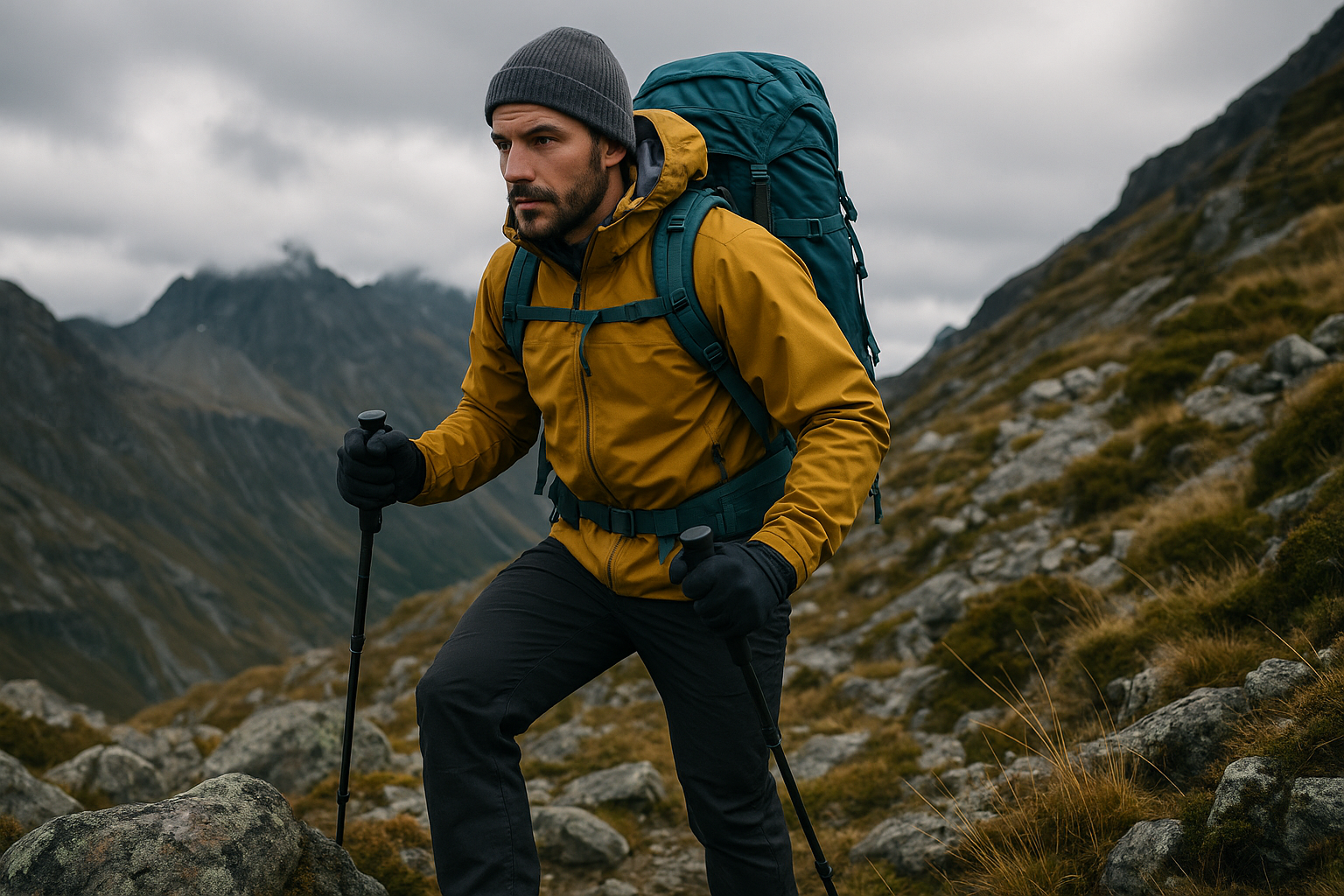
Experienced hiker in action in a challenging environment, well-equipped and confident, showing the difference good equipment makes
🌟 My Equipment Philosophy After 15 Years of Trails
Let me share what I've really learned after all these years of testing, wearing out, breaking and replacing equipment. My philosophy has simplified over time, and I think it can help you avoid many mistakes.
Less, But Better
At the beginning, I had three packs, five pairs of boots, and enough gadgets to equip an expedition. Today? I have restricted equipment, but each piece is perfect for me. I know every pocket of my pack, every quirk of my boots.
Equipment Follows Experience
Don't start by buying your dream equipment. Start by going out with what you have, identify what you really need, then improve gradually. Your equipment should evolve with your practice.
Versatility Before Specialization
Unless you're really specialized in one activity, favor versatile equipment. A good rain jacket will serve you hiking, biking, camping. 3-season boots will let you go out 9 months a year.
"The best equipment is what you know so well it becomes invisible. You don't think about it anymore, you just enjoy the adventure."
📌 Good to know — I still have pieces of equipment I bought 10 years ago that I use regularly. Investing in quality means saving long-term AND having more fun on the trail.
If you want to deepen your outdoor safety knowledge, our guide on how to cross a watercourse safely is a perfect complement to good equipment.
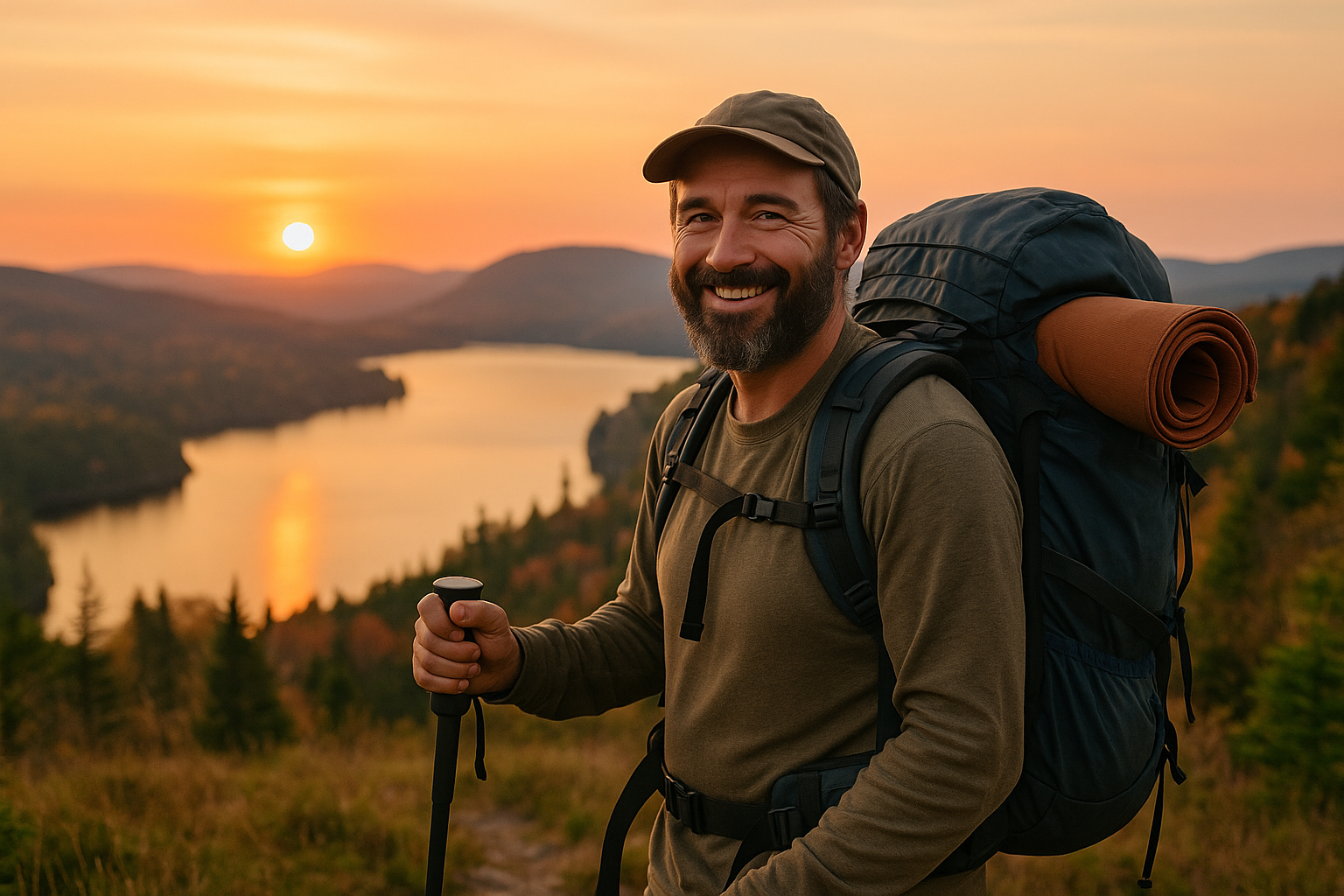
Portrait of an experienced hiker smiling, with their well-tested equipment, in a beautiful Quebec landscape at sunset
🚀 Your Action Plan to Gear Up Like a Pro
Perfect, we've covered a lot of ground! Now, how do you go from theory to practice? Here's my proven action plan to develop your pro equipment without stress and without going broke.
Phase 1: Audit Your Current Equipment (Week 1)
Before buying anything, inventory what you already have. Take out all your equipment, test it, identify what works and what needs replacing. You'll be surprised what you discover!
Phase 2: Safety Essentials (Months 1-2)
Focus first on what concerns your safety and basic comfort. In order: footwear, base clothing, navigation, first aid. Not sexy, but critical.
Phase 3: Progressive Optimization (Months 3-6)
Now that you have the basics, start optimizing based on your actual outings. Do you do a lot of forest hiking? Invest in good bug-proof clothing. Do you often explore new areas? Improve your navigation system.
Phase 4: Specialization (6+ Months)
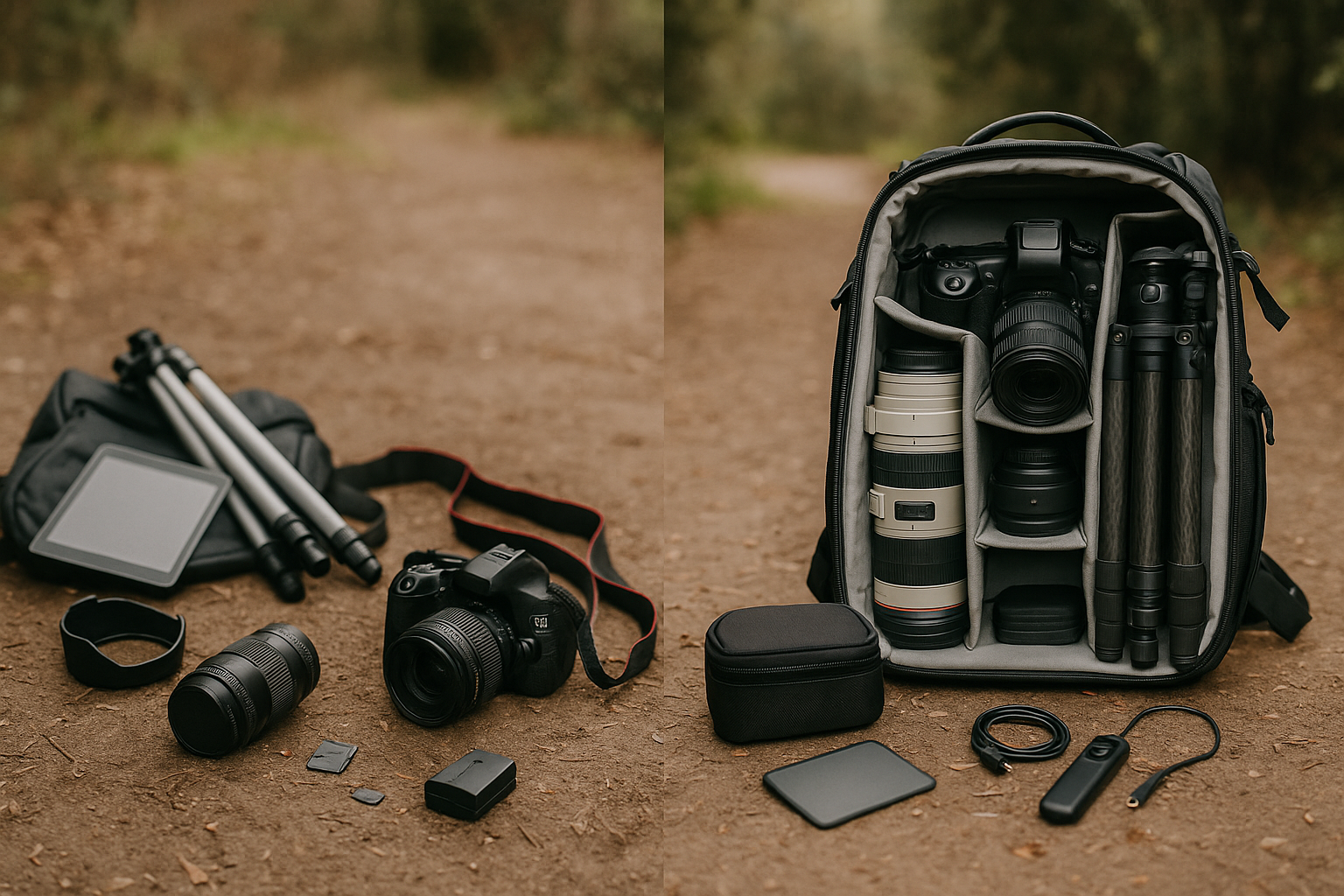
Only then should you start specializing your equipment. Nature photography, winter camping, ultralight hiking... Choose your specialty and gear up accordingly.
💡 Pro tip — Keep a journal of your outings with notes on your equipment. "Wet feet after 2h of rain," "pack uncomfortable after 15km," etc. These notes are worth gold for your next purchases.
There you have it! You now have all the tools to gear up like a real outdoor pro. Remember: perfect equipment is what allows you to forget about equipment and focus on the adventure.
The goal isn't to impress other hikers (even if it feels good!), it's to fully enjoy every moment spent outside. Whether you're exploring urban trails like Parc du Mont-Royal or launching into more ambitious adventures, good, well-chosen equipment will transform your experiences.
My 5 key takeaways:
Think system, not isolated objects — each piece must work with the others
Invest progressively — start with safety, optimize later
Adapt to your reality — gear up for YOUR adventures, not Instagram's
Maintain your gear — 15 minutes after each outing extends your equipment's life
Experience before equipment — go out regularly, the rest will follow naturally
Now, stop shopping online and go test your equipment on a real trail! The mountains are waiting, and with what you know now, you'll approach them with a pro's confidence. Happy trails! 🏔️