Do you remember your first hike? I do. I had chosen the most difficult trail in the park, with my old sneakers and a 500ml water bottle. Three hours later, I was exhausted halfway through, feet destroyed, wondering why I hadn't taken the easy family trail everyone recommended.
Knowing how to choose a trail is the difference between a memorable outing and an experience that discourages you from ever setting foot in the forest again. After 15 years exploring hundreds of trails in Quebec and beyond, I've developed a simple method that helps you avoid my beginner mistakes.
In the next few minutes, you'll discover the 5 essential criteria for choosing the right trail based on your level, preferences, and constraints. Never again will you find yourself on a trail that's too difficult or too boring for you.
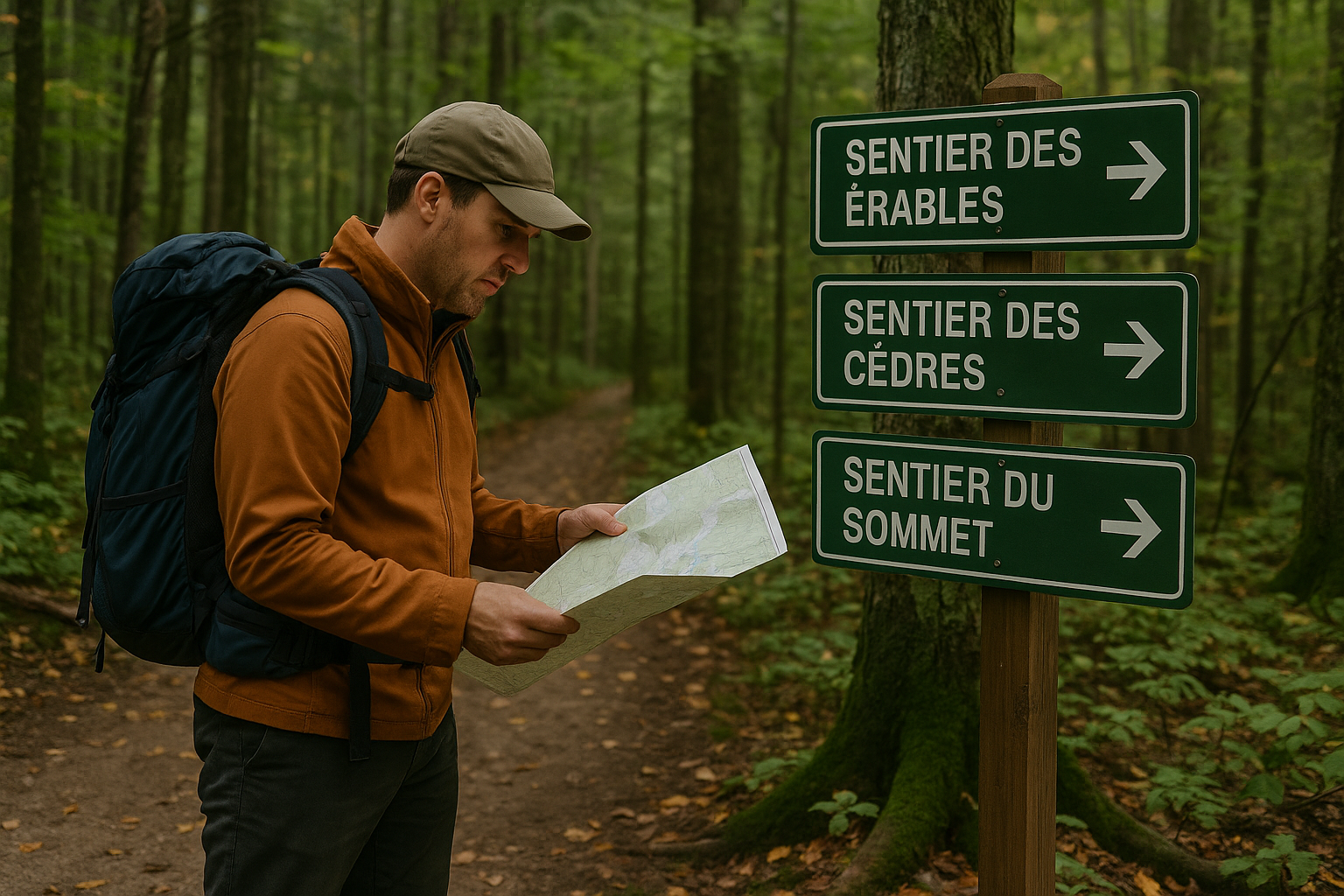
What's Your Real Hiking Level?
Before choosing any trail, you need to be honest with yourself about your level. I've seen too many people overestimate their abilities and end up hating hiking.
Complete beginner: You've never done real hiking or it's been years. Start with trails under 5 km with minimal elevation gain. The Parc du Mont Royal in Montreal is perfect for beginners.
Active beginner: You exercise regularly but don't hike. You can aim for 5-8 km with moderate elevation (200-400 meters). The Mont Yamaska is an excellent choice to test your limits.
Intermediate: You hike a few times per season. You can tackle 8-15 km with 400-700 meters of elevation gain. The trails at Parc National du Mont Saint-Bruno offer several options in this range.
My personal test: If you can climb 3 flights of stairs without being out of breath, you're ready for a beginner trail. If you can climb 6-8, you can aim for intermediate.
Distance and Elevation: The Two Numbers That Matter
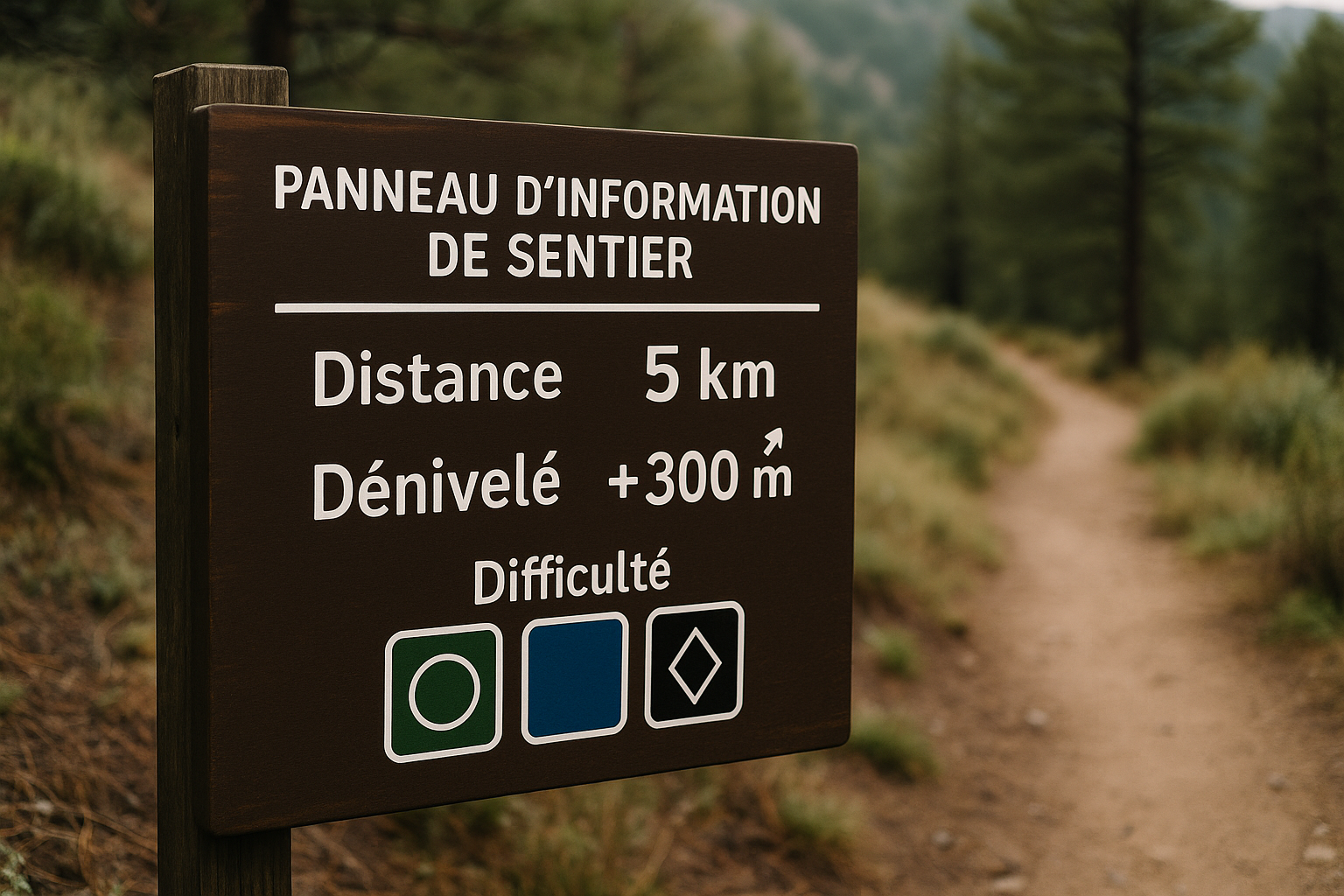
When you look at a trail description, two numbers will determine if it's the right choice for you: the total distance and the positive elevation gain.
| Level | Recommended Distance | Max Elevation | Approximate Duration |
|---|---|---|---|
| Beginner | 2-5 km | 0-200 m | 1-2h |
| Active Beginner | 5-8 km | 200-400 m | 2-3h |
| Intermediate | 8-15 km | 400-700 m | 3-5h |
| Advanced | 15+ km | 700+ m | 5h+ |
Elevation gain is the real trap. A flat 5 km trail takes 1h15. The same 5 km with 500 meters of climbing becomes 2h30 and your thighs will remember it.
Trail Types: Find Your Style
Not all trails are the same, and that's great! Depending on your mood and preferences, you'll prefer different types of environments.
Loop vs Out-and-Back Trails
Loops are my favorites: you constantly see new scenery and finish where you started. Perfect for exploring. The Parc Michel Chartrand offers several beautiful family loops.
Out-and-back trails are simpler to plan and you can turn around whenever you want. Ideal if you're testing a new difficulty level.
Environments That Change Everything
- Mature forest: Shade, coolness, zen atmosphere
- Mountain: Panoramas, physical challenge, sense of accomplishment
- Waterside: Waterfalls, lakes, soothing sounds
- Mixed: Variety of landscapes, never boring
How Much Time Do You Really Have?
Be realistic about your available time. It's not just hiking time you need to calculate!
My complete formula:
- Driving time (round trip)
- Estimated hiking time + 25% margin
- Photo and snack breaks (30-45 minutes minimum)
- Preparation time before and after
For a 3-hour hike that's 1h30 drive away, block your entire day. I learned this the hard way by promising my girlfriend we'd be back for dinner!
Trails by Available Time
- 2-3 free hours: Local trail of 3-5 km maximum
- Half day: 5-10 km trail or farther from home
- Full day: 10+ km trail or more distant adventure
Get my gifts →
Weather and Seasons: Adapt Your Choice
The same trail can be completely different depending on the season. I made the mistake of choosing an exposed trail in full July sun — three hours baking without shade, no thank you!
Choice by Weather
Hot and sunny day: Favor dense forest trails or those with water features. Avoid exposed ridges.
Overcast or cool weather: Perfect for mountain trails with panoramas. You'll enjoy the views without overheating.
After rain: Rocky trails become slippery. Choose packed earth trails or those with good drainage.
Quebec Trails by Season
Spring (April-May): Avoid muddy trails and flood zones. Perfect for first outings after winter.
Summer (June-August): Favor early morning starts. Shaded trails like those at Canyon Sainte-Anne are perfect.
Fall (September-October): The perfect season! All trails are magnificent, but watch for slippery conditions.
Winter: Completely changes the game. Make sure the trail is maintained in winter and you have appropriate equipment.
Access and Parking: Details That Matter
You've found the perfect trail, but can you get there easily? I once drove 2 hours to discover a parking lot closed for construction.
Questions to Ask Before Leaving
- Is there official parking? Is it paid?
- What's the capacity? (Avoid weekend disappointments)
- Can your vehicle access the trailhead? (Some forest roads are rough)
- Are there toilets and drinking water?
To avoid crowds, I favor weekday starts or very early weekends. The Parc du Mont Arthabaska is less crowded than the big names in the Laurentians.
If you want to discover other aspects of preparation, check our guide on essential questions to ask yourself before leaving.
Match Trail to Your Equipment
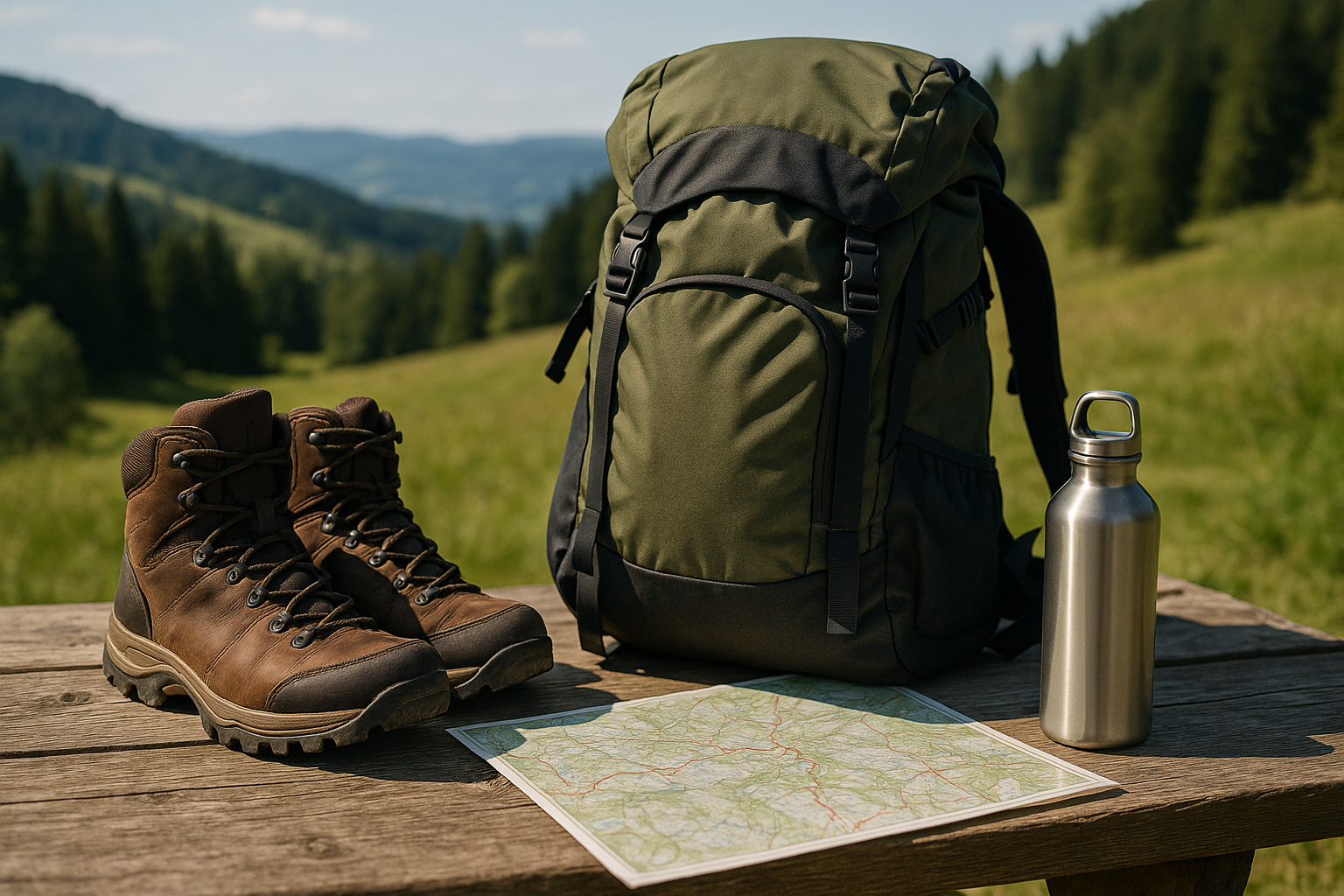
Your current equipment can influence trail choice, especially when you're starting out and haven't invested in specialized gear yet.
With regular sneakers: Stick to well-maintained trails, avoid rocky or muddy terrain. Urban parks are perfect for starting.
With hiking boots: You can venture onto more technical terrain, but stay cautious with experience.
Without trekking poles: Avoid very steep descents or unstable terrain. You can always try with branches found on trail!
Who's Coming With You? Adapt Your Choice to the Group
Hiking alone or with others completely changes the dynamics and trail choice.
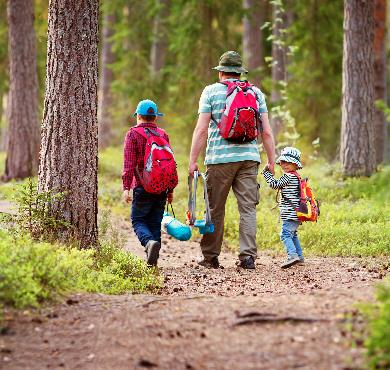
Family with Children
Children need stimulating but not exhausting trails. Look for trails with:
- Regular points of interest (waterfalls, lakes, viewpoints)
- Ability to turn back easily
- Safe terrain (no cliffs)
- Adapted distance: 1 km per year of age (max 5-6 km for teens)
With Beginners
If you're bringing someone for their first time, choose a trail below your usual level. Better they want more than to discourage them!
Among Experienced Hikers
Now you can go all out! Technical trails, long distances, physical challenges. Just make sure everyone's on the same page difficulty-wise.
Where to Find Reliable Trail Info
Now that you know what to look for, where do you find good information?
Recommended Sources
- LGPO (obviously!): Detailed descriptions, recent photos, other hikers' reviews
- Official park websites: Up-to-date info on closures and conditions
- Local Facebook groups: Real-time conditions, local advice
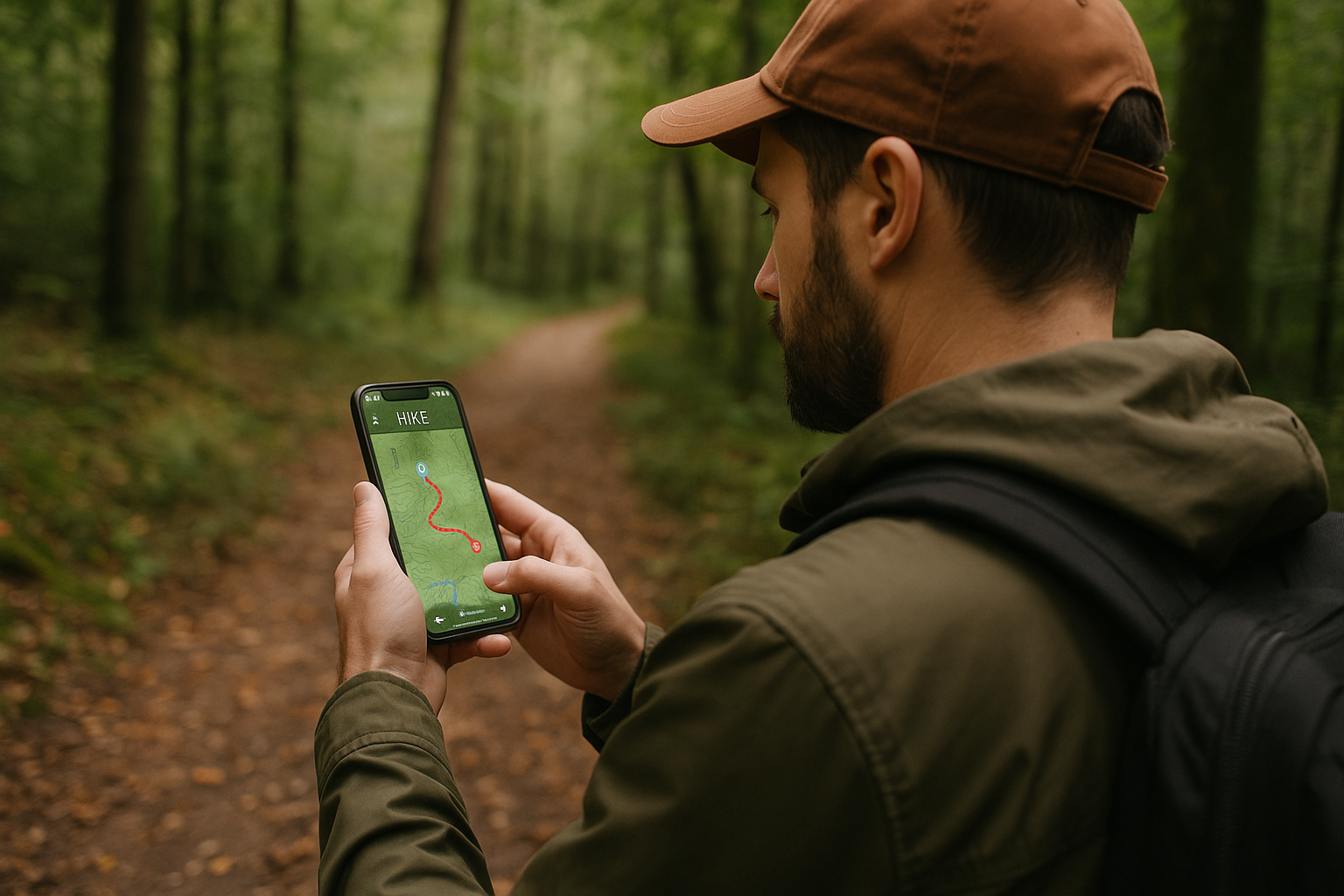
- Apps like AllTrails: GPS and numerous reviews
Questions to ask in groups:
- "Anyone done trail X recently?"
- "Parking conditions this weekend?"
- "Trail passable after recent rain?"
Classic Mistakes to Avoid
After 15 years watching hikers (and making these mistakes myself), here are the most common traps in choosing a trail.
Mistake #1: Overestimating Your Abilities
"It'll be fine, I bike!" Spoiler alert: it won't be fine. Hiking uses different muscles and requires specific endurance.
Mistake #2: Ignoring Weather
Choosing an exposed trail in 30°C heat or a rocky trail after rain. Perfect recipe for a miserable outing.
Mistake #3: No Plan B
Full parking, closed trail, someone in the group not feeling well... Always have an alternative trail in mind.
Mistake #4: Following Trends
Everyone's talking about trail X on Instagram? Maybe it's not the right choice for you if you're a beginner. Popular trails are often technical.
"The best trail is the one you finish with a smile and the desire to do it again."
Your First Action: Choose Your Next Trail
Now that you have all the tools, it's time to take action. Here's a summary of essential points to choose a trail well:
- Assess your level realistically — Start easier than you think
- Check distance AND elevation — Both matter equally
- Adapt to your constraints — Time, weather, equipment, group
- Plan access — Parking, road conditions, schedules
- Cross-reference your info sources — One recent description beats ten old ones
My final advice? Stop looking for the perfect trail and start with a decent trail. Field experience beats all the theory in the world. Each outing teaches you something about your preferences and limits.
The beauty of hiking is that there's a trail for every mood, every level, every desire. Whether you're looking for a physical challenge, zen escape, or family outing, the right trail is waiting for you somewhere.
So, what will your next trail be? Choose one this week and go see what's waiting for you outside. Nature always has something to teach you.

About the author
François Dumaine
Founder of Let's Go Play Outside
A passionate hiker, photographer and content creator, François has been hiking the trails of Quebec and Alberta since 2014. He founded Let's Go Play Outside to give you the information he wished he had before heading out.
Newsletter
Content that makes you want to go outside
Every week, a trail idea, a reflection on nature, or a tip worth the detour. Zero spam. Only the essentials.
Joined by 12,000+ outdoor enthusiasts
Read next
Continue the journey