
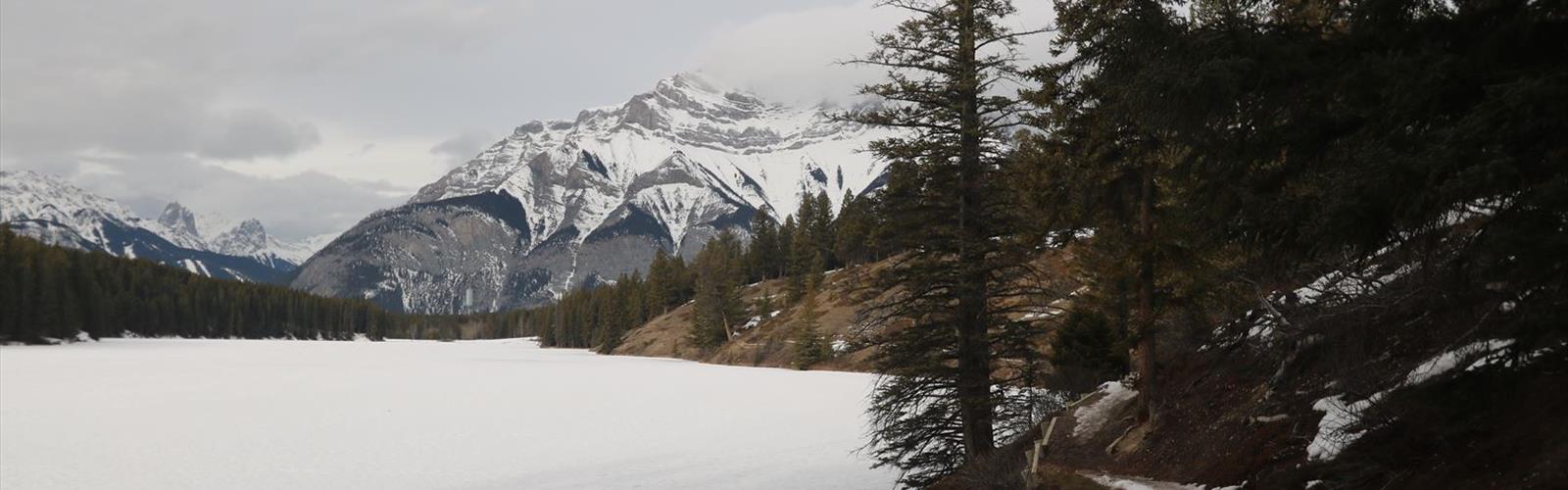

Ready to explore Banff Legacy Trail? Here's everything you need to know before you go!
Discover the trail
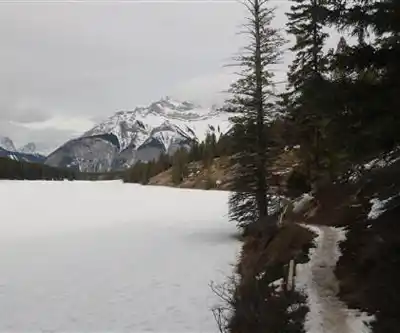
Photos: Thank you for visiting my page from Canada — CC BY 2.0 (Wikimedia Commons)
Trail description
The Banff Legacy Trail offers one of the most accessible ways to experience the Canadian Rockies, stretching 22 kilometers between the town of Banff and the Bow Valley Parkway entrance near Canmore. This paved, multi-use pathway welcomes hikers, cyclists, and walkers of all abilities, providing a front-row seat to some of Alberta's most spectacular mountain scenery without the technical challenges of backcountry trails.
What sets this trail apart from other Rockies experiences is its perfect balance of convenience and wilderness immersion. You'll traverse diverse landscapes—from dense montane forests to open meadows and riverside corridors—all while maintaining easy access to facilities and emergency services. The pathway's thoughtful design integrates seamlessly with the natural environment, offering an authentic mountain experience that feels worlds away from the nearby townsite bustle.
Trail Experience and Terrain
The fully paved surface makes for comfortable walking or cycling, with gentle inclines that accommodate all fitness levels. Rather than a monotonous flat path, the trail undulates naturally with the landscape, providing varied perspectives as you move through different elevations and ecosystems. The route follows natural corridors between towering peaks, creating an intimate feeling despite the grand scale of the surrounding mountains.
As you progress along the trail, the terrain shifts from the more developed areas near Banff townsite to increasingly wild sections approaching Canmore. Dense stands of spruce, fir, and aspen give way to open areas where the full majesty of the surrounding peaks becomes apparent. The path frequently parallels waterways, with the sound of flowing water providing a constant soundtrack to your journey.
Well-placed rest areas with benches and picnic tables appear at regular intervals, strategically positioned to take advantage of the best viewpoints. These spots serve as natural gathering places and offer perfect opportunities to refuel while taking in the scenery. The trail's design considers both the practical needs of users and the preservation of the natural environment, with minimal intrusion on wildlife corridors and sensitive habitats.
Wildlife and Natural Features
The Legacy Trail passes through prime wildlife habitat, making animal encounters a genuine possibility rather than a remote chance. Elk frequently graze in the meadows adjacent to the path, particularly during early morning and evening hours. White-tailed and mule deer are common sights, often allowing close observation before bounding gracefully into the forest. Black bears and the occasional grizzly also use this corridor, especially during berry season in late summer.
The diverse ecosystems along the route support an impressive variety of bird species. From the chattering of gray jays in the forest sections to the haunting calls of loons on nearby lakes, the trail offers excellent opportunities for both casual observation and serious birding. Raptors, including golden eagles and various hawk species, frequently soar overhead, riding the thermals created by the mountain topography.
The Bow River serves as the trail's most prominent natural feature, its turquoise waters reflecting the surrounding peaks and providing habitat for mountain whitefish, bull trout, and other native species. The river's braided channels and gravel bars create constantly changing patterns, particularly during spring runoff when the water runs high and fast.
Key Landmarks and Points of Interest
Cascade Mountain dominates the skyline for much of the trail, its distinctive layered limestone cliffs rising dramatically from the valley floor. This iconic peak serves as a natural landmark and provides a sense of scale that emphasizes the grandeur of the Canadian Rockies. The mountain's changing appearance throughout the day—from soft pastels at dawn to dramatic shadows at sunset—offers endless photographic opportunities.
A short detour from the main trail leads to Vermilion Lakes, a series of shallow wetlands that create some of the most photographed scenes in the Canadian Rockies. These lakes provide perfect reflections of Mount Rundle and the surrounding peaks, particularly during calm morning conditions. The area serves as crucial habitat for waterfowl, with excellent opportunities to observe ducks, geese, and other water birds throughout the open season.
The Bow River accompanies much of your journey, winding through valleys carved over millennia by glacial action. The river's course tells the geological story of the region, with evidence of ancient glacial activity visible in the U-shaped valley profile and the polished bedrock surfaces. During different seasons, the river reveals different characteristics—from the powerful torrents of spring melt to the clear, low flows of late autumn.
Planning Your Visit
Mountain weather can change rapidly regardless of season, making layered clothing essential for comfort and safety. Even on warm summer days, temperatures can drop significantly in shaded areas or when clouds move in. A waterproof outer layer provides protection against sudden mountain showers, while breathable base layers help manage moisture during more strenuous sections.
Wildlife safety requires constant awareness, particularly regarding bears. Carry bear spray when venturing onto the trail, and know how to use it properly. Make noise in areas with limited visibility, travel in groups when possible, and never approach or feed wildlife. Staying on designated paths protects both visitors and the sensitive mountain environment while reducing the risk of negative wildlife encounters.
The trail's popularity means you'll rarely be alone, but this also provides a measure of safety and opportunities for social interaction with fellow outdoor enthusiasts. Peak usage occurs during summer weekends and holidays, while shoulder seasons offer more solitude and often spectacular weather conditions. Early morning starts provide the best wildlife viewing opportunities and help avoid afternoon crowds.
Respect for the natural environment ensures this remarkable trail remains pristine for future visitors. Pack out all trash, stay on designated surfaces, and avoid disturbing vegetation or wildlife. The Leave No Trace principles apply fully here, where the balance between public access and environmental protection requires constant vigilance from all users.
The Essential Hiking Checklist
Everything you need for your next hike. Bilingual, printable, 1 page.
Get your free hiking checklistRecommended gear for this trail
As an Amazon Associate I earn from qualifying purchases.


Ready to go?
Everything you need to know before you goStarting Point
The banff legacy trail has several trailheads you can access. One starting point is located at the Bow Valley Parkway entrance, near the town of Banff. You can park at the Fenlands Recreation Centre, 100 Norquay Road, Banff, AB T1L 1A1. Another option is to start from the east end at the Travel Alberta Visitor Information Centre in Canmore, located at 2801 Bow Valley Trail, Canmore, AB T1W 3A8. Both locations provide convenient parking and access to the trail.
When?
How much?
As an Amazon Associate I earn from qualifying purchases.
Affiliate links — LGPO may earn a commission at no extra cost to you.
- Hiking shoes Essential
- → Salomon Elixir Tour Mid WP · 203.38 $
- Layered clothing Essential
- Rain jacket Essential
- Trekking poles
- → Black Diamond Trail Ergo Cork · 69.99 $
- Headlamp
- → Petzl Actik Core 625 · 103.95 $
FAQ - Frequently asked questions
Everything you need to knowSimilar hikes nearby
Discover other trails you might enjoy
Fossil Mountain
Canadian Rockies

Snake Indian Mountain
Canadian Rockies
Mushroom Peak
Canadian Rockies
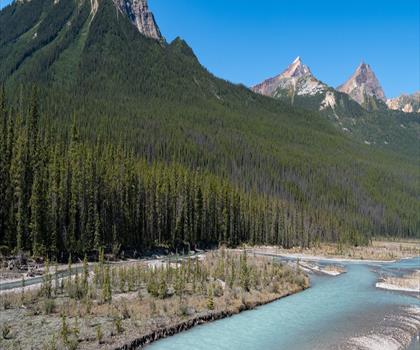
Mount Woolley
Canadian Rockies
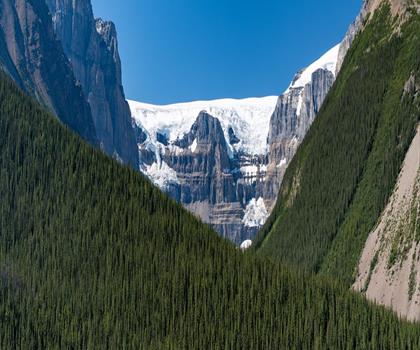
Stutfield Peak
Canadian Rockies
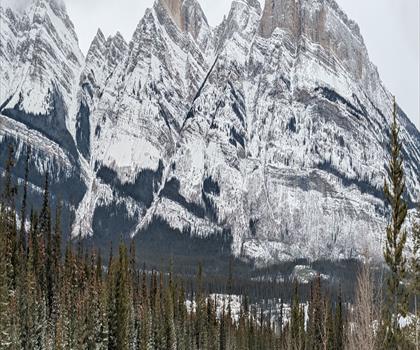
Mount Sarbach
Canadian Rockies
Hiking near Banff
187 trails to explore ~7 km away
We work hard to provide the most up-to-date and error-free data possible. If something seems incorrect, let us know! Your contribution helps the whole community.
Hikers' opinions
Be the first to review!
No hiker has shared their experience yet. Share your impressions and help other hikers!