
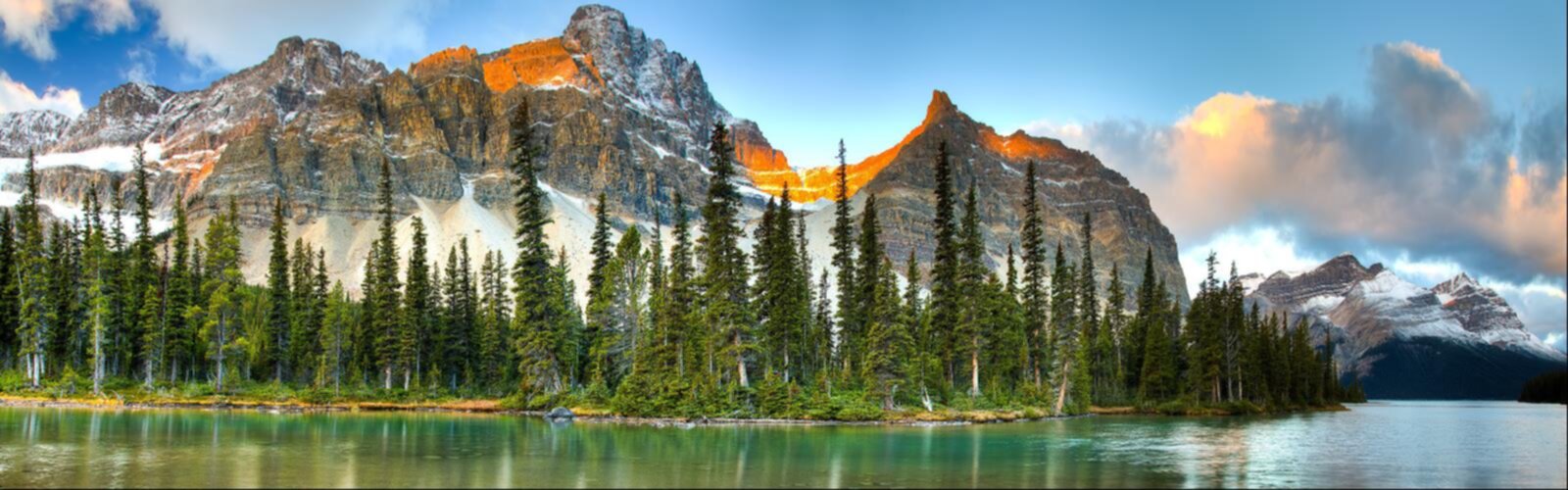

Ready to explore Banff National Park? Here's everything you need to know before you go!
Discover the trail
Oh no! We don't have any photos 😢
This trail hasn't been captured yet. Be the first to share your adventure!Trail description
Larch Valley is one of those hikes in Banff National Park that earns its reputation every single time. Starting from the shores of Moraine Lake, this trail climbs 535 meters over 3 kilometers into a high-alpine valley that genuinely delivers on the promise of the Canadian Rockies. At a moderate difficulty level with an estimated 2.5 hours of hiking, it's accessible enough for fit beginners while still offering the kind of terrain and scenery that keeps experienced hikers coming back year after year.
The trailhead sits at Moraine Lake, one of the most recognizable lakes in Canada. The turquoise water reflecting the Valley of the Ten Peaks is the kind of view that stops you in your tracks before you've even taken a step on the trail. It's worth arriving early — the parking area fills up fast, especially on summer weekends, and the crowds at the lakeshore can be significant during peak season.
The Climb Into the Valley
From Moraine Lake, the trail wastes no time gaining elevation. The first section moves through dense subalpine forest, and the steady uphill grade gives you a sense of what's ahead. The trees provide shade and a bit of shelter from the wind, but the real payoff comes when the forest opens up and Larch Valley spreads out in front of you.
That transition is one of the most satisfying moments on any trail in the Canadian Rockies. You step out of the trees and suddenly you're standing in an open alpine meadow, surrounded by peaks on all sides. The scale of the landscape shifts completely. What felt like a contained forest hike becomes something much bigger and more exposed.
The trail surface changes as you gain elevation. Lower sections are well-maintained and straightforward underfoot. Higher up, the terrain gets rockier and requires more attention to foot placement. The 535-meter elevation gain is distributed across the 3 kilometers, so the climb is consistent rather than concentrated in one brutal section — though you'll definitely feel it in your legs by the time you reach the valley floor.
What Makes Larch Valley Stand Out
The valley's namesake trees are the defining feature of this hike. Larch trees are one of the rare deciduous conifers — they drop their needles in autumn, and before they do, they turn a brilliant golden yellow. In mid to late September, Larch Valley becomes one of the most photographed places in the entire Canadian Rockies. The contrast of gold against the dark evergreens, grey rock faces, and early season snow on the peaks is genuinely spectacular. If you're planning a fall visit, expect company — this is peak season for a reason, and the trail sees heavy traffic during the larch display.
Summer hiking in the valley offers a completely different experience. The meadows fill with alpine wildflowers as the snow recedes, and the relative quiet compared to the autumn rush makes for a more relaxed outing. Late July tends to be a sweet spot for wildflower season, with blooms spread across the valley floor and along the trail margins.
Wildlife in the Area
Larch Valley sits in active wildlife habitat. Marmots are a constant presence in the rocky alpine sections — you'll hear their sharp warning whistles before you see them, and they're often spotted sunning themselves on boulders or moving through the meadow grasses. Ground squirrels are equally common and tend to be less shy around hikers.
Grizzly bears are present throughout this area and encounters do happen. This isn't a reason to avoid the trail, but it does mean you need to take bear safety seriously. Carry bear spray, know how to use it, make noise while hiking — especially in areas with limited sightlines — and give any bears you encounter plenty of space. The wildlife presence is part of what makes this landscape feel genuinely wild, and respecting that is part of hiking here responsibly.
Trail Conditions and Seasonal Considerations
The trail is open from late spring through fall and closes during winter due to avalanche risk and extreme alpine conditions. Snow can persist on the upper sections of the trail well into summer, and early season hikers should check current conditions before heading out. Microspikes can be useful in June and sometimes into July depending on the year.
Afternoon thunderstorms are a real consideration during summer months. The exposed alpine terrain in Larch Valley offers little shelter, so starting early and keeping an eye on the sky is a smart habit. Mountain weather moves fast, and what looks like a clear morning can shift quickly by early afternoon.
The trail surface in the upper sections can be loose and rocky, requiring careful footing on the descent as well as the climb. Trekking poles are helpful, particularly for hikers who find the sustained elevation gain hard on the knees coming back down.
Practical Information
Dogs are permitted on the Larch Valley trail but must be kept on leash at all times. Given the active bear habitat and the presence of other wildlife, this rule exists for good reason — both for the safety of your dog and for the animals that live here. Think carefully about whether your dog is physically up for the elevation gain and rocky terrain before bringing them along.
The Moraine Lake trailhead is one of the busiest access points in Banff National Park. Arriving early — well before 8 a.m. during peak season — significantly improves your chances of finding parking and starting the hike before the crowds build. Park visitor centers can provide up-to-date information on trail conditions, wildlife activity, and any access restrictions that may be in effect.
- Distance: 3 km
- Elevation gain: 535 m
- Difficulty: Moderate
- Estimated time: 2h30
- Trailhead: Moraine Lake, Banff National Park
- Dogs: Permitted on leash
- Season: Late spring through fall (closed in winter)
Larch Valley rewards the effort it asks for — the elevation gain is real, but the alpine scenery waiting at the top makes every step of that climb worthwhile.
The Essential Hiking Checklist
Everything you need for your next hike. Bilingual, printable, 1 page.
Get your free hiking checklistRecommended gear for this trail
As an Amazon Associate I earn from qualifying purchases.


Ready to go?
Everything you need to know before you goStarting Point
To access the hiking trails, head to the Moraine Lake parking lot. From Lake Louise, take Moraine Lake Road for approximately 14 kilometers until you reach the parking area. Note that this is a popular destination, so arriving early is recommended as the parking lot fills up quickly.
When?
How much?
As an Amazon Associate I earn from qualifying purchases.
Affiliate links — LGPO may earn a commission at no extra cost to you.
- Hiking shoes Essential
- → Salomon Elixir Tour Mid WP · 203.38 $
- Layered clothing Essential
- Rain jacket Essential
- Trekking poles
- → Black Diamond Trail Ergo Cork · 69.99 $
- Headlamp
- → Petzl Actik Core 625 · 103.95 $
FAQ - Frequently asked questions
Everything you need to knowSimilar hikes nearby
Discover other trails you might enjoy
Fossil Mountain
Canadian Rockies

Snake Indian Mountain
Canadian Rockies
Mushroom Peak
Canadian Rockies
Mount Woolley
Canadian Rockies
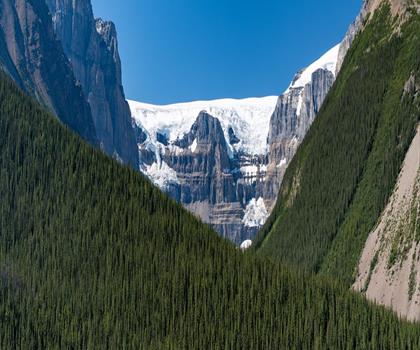
Stutfield Peak
Canadian Rockies
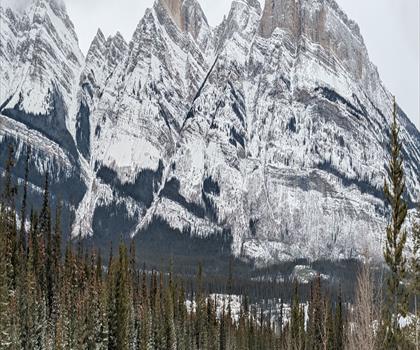
Mount Sarbach
Canadian Rockies
Hiking near Banff
187 trails to explore ~43 km away
We work hard to provide the most up-to-date and error-free data possible. If something seems incorrect, let us know! Your contribution helps the whole community.
Hikers' opinions
Be the first to review!
No hiker has shared their experience yet. Share your impressions and help other hikers!