
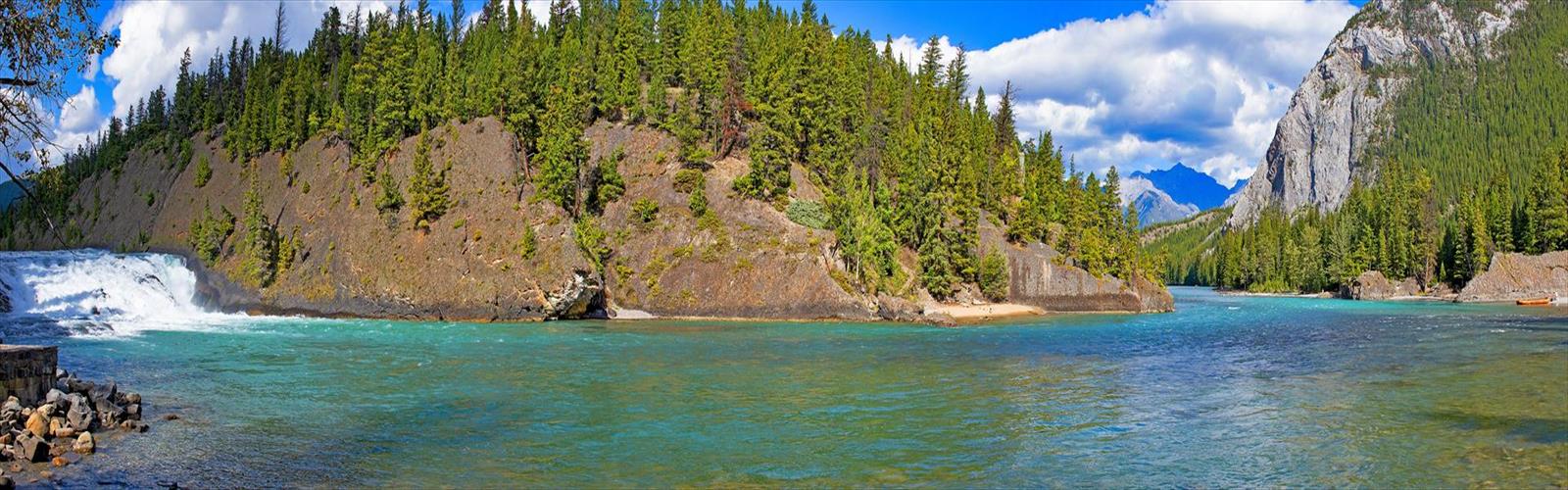

Ready to explore Bow Falls? Here's everything you need to know before you go!
Discover the trail
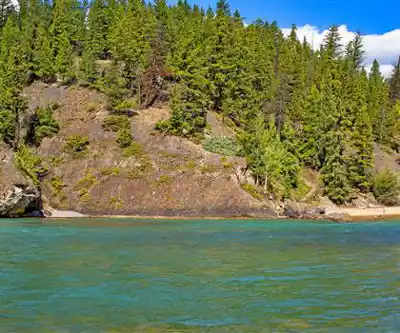
Photos: Ron Cogswell from Arlington, Virginia, USA — CC BY 2.0 (Wikimedia Commons)
Trail description
Bow Falls sits just outside the town of Banff, offering one of the most accessible waterfall experiences in the Canadian Rockies. This wide cascade on the Bow River creates a dramatic focal point where rushing water tumbles over limestone ledges, framed by the towering peaks of Mount Rundle and Sulphur Mountain. The falls serve as both a destination and a gateway to understanding the powerful forces that shaped this iconic mountain landscape.
The Bow River originates from the Bow Glacier high in the Canadian Rockies, carrying glacial sediment that gives the water its distinctive turquoise color. As the river approaches Banff, it encounters a series of limestone terraces that create the falls. The water drops in multiple tiers, creating pools and eddies that shift with seasonal flow changes. During spring runoff, the falls roar with snowmelt from the surrounding peaks, while late summer reveals more of the underlying rock structure as water levels drop.
Trail Experience and Terrain
The 1.3-kilometer trail to Bow Falls delivers an exceptional hiking experience that perfectly balances accessibility with mountain wilderness character. Well-maintained paths lead to multiple viewpoints around the falls, accommodating hikers of all skill levels through a gentle 50-meter elevation gain spread over the 30-minute journey. The main approach follows paved and gravel paths that wind through mixed forest of lodgepole pine, white spruce, and Douglas fir, where the scent of pine needles and the sound of rushing water intensify as you near the falls.
The terrain around the falls consists of exposed limestone and quartzite, polished smooth by centuries of water flow. Rocky outcrops provide natural viewing platforms, though the surfaces can be slippery when wet. The gradual elevation gain makes this an ideal introduction to Rockies hiking for families or those seeking a gentler outdoor experience without sacrificing the authentic mountain atmosphere.
Multiple trail options allow visitors to customize their experience. Short walks of 10-15 minutes lead directly to the main viewing areas, while longer routes connect to the Bow River pathway system, extending the adventure along the riverbank. The paths remain well-defined year-round, though winter conditions may require microspikes or light traction devices for safe navigation on potentially icy sections.
Photography and Viewing Opportunities
Bow Falls provides exceptional photography opportunities throughout the day, with lighting conditions that change dramatically from morning to evening. Early morning visits often reward photographers with soft, golden light that illuminates the mist rising from the falls. The contrast between the white water and dark limestone creates striking compositions, particularly when Mount Rundle's distinctive layered cliffs appear in the background.
Late afternoon light brings out the turquoise tones in the water, especially during periods of high glacial flour content in late spring and early summer. The falls face southeast, making them well-lit for most of the day. Winter photography reveals a completely different character, as ice formations build along the edges and snow accumulates on surrounding rocks and vegetation.
Several vantage points offer distinct perspectives. The lower viewpoint provides a straight-on view of the main cascade, ideal for capturing the full width and power of the falls. Higher positions along the trail offer elevated angles that include more of the surrounding mountain context. Adventurous photographers can explore the rocky areas downstream for unique compositions that incorporate the Bow River's continued journey toward the prairies.
Wildlife and Natural Environment
The area around Bow Falls supports diverse wildlife typical of the montane ecosystem. White-tailed deer and mule deer frequently graze in the open areas near the falls, particularly during early morning and evening hours. Their presence adds life to photographs and provides wildlife viewing opportunities for visitors willing to move quietly and observe patiently.
Overhead, golden eagles and red-tailed hawks patrol the valley, using thermal currents that rise from the sun-warmed rocks. The sound of the falls often masks the approach of hikers, making wildlife encounters more likely for those who pause frequently and scan the surrounding forest and meadows. The riparian environment along the Bow River creates habitat for smaller wildlife as well, including ground squirrels that dart between rocks and various songbird species that inhabit the mixed forest.
Visitors should maintain safe distances from all wildlife and follow Leave No Trace principles to preserve these natural interactions for future hikers. The proximity to Banff townsite means wildlife here is somewhat accustomed to human presence, but respect for their space remains essential.
Seasonal Variations
Each season transforms the character of Bow Falls, offering distinct experiences throughout the year. Spring brings peak water flow as mountain snowpack melts, creating the most dramatic displays of water volume and sound. The surrounding forest emerges from winter dormancy, with new growth creating fresh green backdrops for photography.
Summer provides the most comfortable hiking conditions, with warm temperatures and long daylight hours. However, this season also brings the highest visitor numbers, particularly during midday hours. Early morning or evening visits offer more solitude and better lighting conditions for both photography and peaceful contemplation.
Fall transforms the landscape with golden aspen leaves and crisp mountain air. Water levels typically stabilize at moderate flows, revealing more of the falls' geological structure. Winter access remains possible, though visitors should prepare for icy conditions and shorter daylight hours. The contrast between flowing water and frozen surroundings creates unique photographic opportunities for those willing to brave cold temperatures.
Connections and Extended Adventures
Bow Falls serves as an excellent starting point for exploring other nearby attractions. The location's accessibility makes it perfect for combining with other Banff area highlights during a single outing. Tunnel Mountain offers a more challenging hike with panoramic views of the Bow Valley, while the Cave and Basin National Historic Site provides insights into the cultural and geological history that led to Banff's establishment as Canada's first national park.
The Bow River pathway system connects Bow Falls to an extensive network of walking and cycling routes that explore different aspects of the valley ecosystem. These connections allow visitors to create longer adventures that combine waterfall viewing with broader exploration of the Banff area's natural and cultural features, making the most of the easy difficulty level and short duration of the falls trail itself.
The Essential Hiking Checklist
Everything you need for your next hike. Bilingual, printable, 1 page.
Get your free hiking checklistRecommended gear for this trail
As an Amazon Associate I earn from qualifying purchases.


Ready to go?
Everything you need to know before you goStarting Point
The bow falls are located in Banff National Park, Alberta. To get to the start of the trails, take the Trans-Canada Highway (Hwy 1) west from Calgary and turn off at the exit for Banff. Follow the signs to the town of Banff and then continue on the Bow Valley Parkway (Hwy 1A) until you reach the falls.
When?
How much?
As an Amazon Associate I earn from qualifying purchases.
Affiliate links — LGPO may earn a commission at no extra cost to you.
- Hiking shoes Essential
- → Salomon Elixir Tour Mid WP · 203.38 $
- Layered clothing Essential
- Rain jacket Essential
- Trekking poles
- → Black Diamond Trail Ergo Cork · 69.99 $
- Headlamp
- → Petzl Actik Core 625 · 103.95 $
FAQ - Frequently asked questions
Everything you need to knowSimilar hikes nearby
Discover other trails you might enjoy
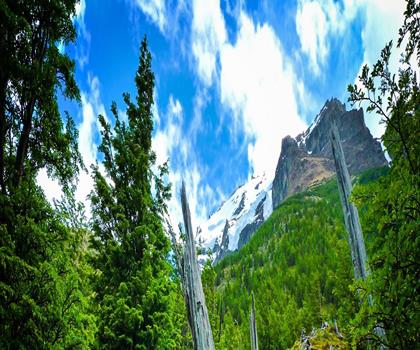
Fossil Mountain
Canadian Rockies

Snake Indian Mountain
Canadian Rockies
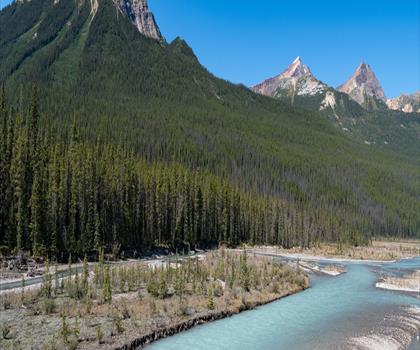
Mushroom Peak
Canadian Rockies
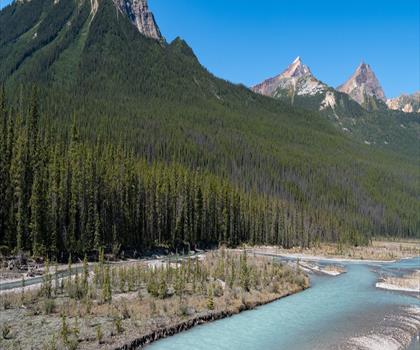
Mount Woolley
Canadian Rockies
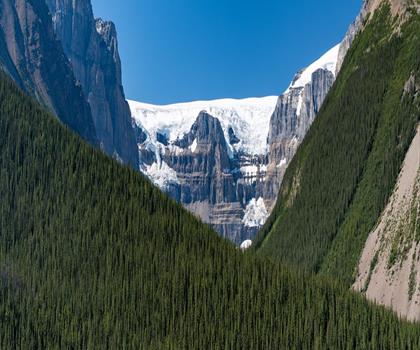
Stutfield Peak
Canadian Rockies
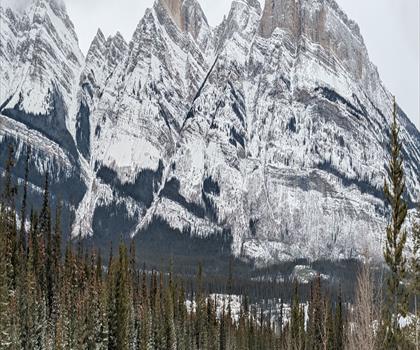
Mount Sarbach
Canadian Rockies
Hiking near Banff
187 trails to explore ~1 km away
We work hard to provide the most up-to-date and error-free data possible. If something seems incorrect, let us know! Your contribution helps the whole community.
Hikers' opinions
Be the first to review!
No hiker has shared their experience yet. Share your impressions and help other hikers!