
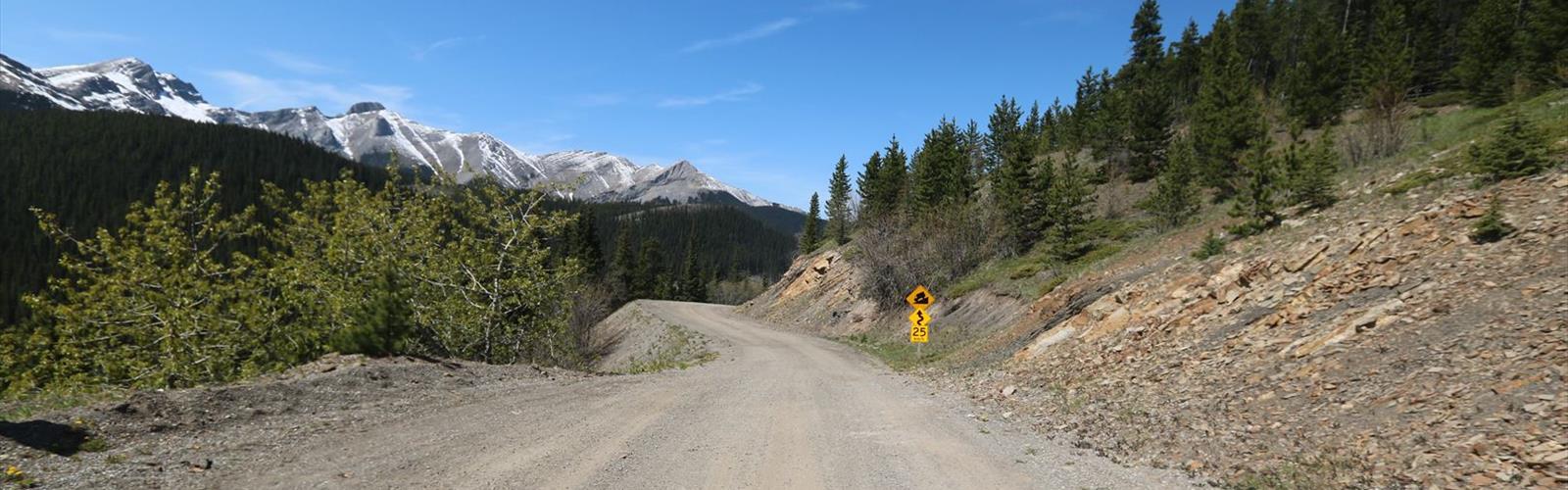

Ready to explore Cox Hill Trail? Here's everything you need to know before you go!
Discover the trail
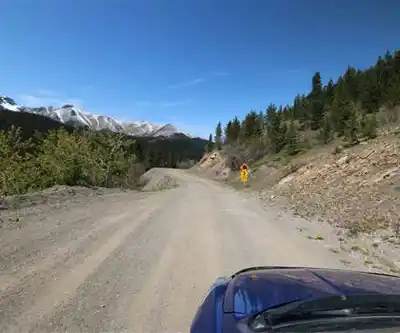
Photos: Thank you for visiting my page from Canada — CC BY 2.0 (Wikimedia Commons)
Available trails
| TrailTrails | Dist.Distance | GainElevation | TimeDuration | Difficulty | GPX |
|---|---|---|---|---|---|
|
|
5.72 km | — | 1h30 | GPX |
GPX track: © OpenStreetMap contributors — ODbL 1.0
Trail description
Cox Hill Trail offers one of the most accessible yet rewarding summit experiences in the Canadian Rockies, delivering spectacular alpine views through a manageable 4.2-kilometer climb. This moderate trail in Kananaskis Country strikes the perfect balance between challenge and accessibility, making it an ideal choice for hikers looking to experience true mountain summits without committing to extreme technical difficulty.
The Trail Experience
Your journey begins in dense montane forest where towering spruce and fir trees create a natural cathedral overhead. The well-defined trail surface winds steadily upward through these lower elevations, providing welcome shade and a gentle introduction to the 305-meter elevation gain ahead. The forest floor here supports typical understory vegetation, creating an intimate hiking environment that contrasts beautifully with the expansive views waiting above.
As you climb higher, the trail maintains a steady but manageable grade that allows hikers to find their rhythm without overwhelming exertion. This consistent pacing makes Cox Hill particularly appealing for those stepping up to more challenging alpine terrain while remaining engaging enough for experienced mountain hikers. The moderate difficulty rating reflects this thoughtful balance—challenging enough to feel accomplished, accessible enough for properly prepared intermediate hikers.
About halfway through your ascent, the dense forest begins opening into meadow clearings that transform the hiking experience entirely. These open areas provide your first real glimpses of the surrounding peaks while showcasing the dramatic elevation-based ecosystem changes that define Rocky Mountain environments. During summer months, these meadows burst with alpine wildflowers, creating natural gardens framed by the dramatic mountain backdrop.
The transition from forest to alpine environment becomes increasingly pronounced as you approach the summit. Rocky outcroppings begin appearing more frequently, and the vegetation shifts to hardy alpine species adapted to the harsher conditions of higher elevation. This gradual change provides an excellent opportunity to observe how mountain ecosystems adapt to elevation, exposure, and changing growing conditions.
Summit Rewards
Reaching Cox Hill's summit at 2,175 meters marks the spectacular payoff for your steady climb. The panoramic vistas from this elevated vantage point sweep across the heart of the Canadian Rockies, offering perspectives that capture the true scale and majesty of this mountain landscape. The 360-degree views encompass multiple mountain ranges, deep valleys, and distant peaks that extend far into the Rocky Mountain wilderness.
The summit area provides ample space for groups to spread out and enjoy extended breaks, making it an ideal lunch destination. Many hikers time their ascent to arrive during optimal lighting conditions for photography, whether capturing wide landscape shots or focusing on the intricate details of distant mountain faces. The elevated exposure means weather conditions can change rapidly, but clear days offer visibility that extends deep into the Rockies' most spectacular terrain.
The sense of accomplishment at Cox Hill's summit feels particularly rewarding given the moderate effort required to reach it. Unlike more technical peaks that demand specialized equipment or extreme fitness levels, this summit remains accessible to a broader range of hikers while still delivering the authentic alpine experience that makes Rocky Mountain hiking so compelling.
Wildlife and Natural Environment
Cox Hill Trail passes through diverse habitat zones that support varied wildlife populations throughout the elevation range. Deer frequently browse in the meadow areas, particularly during early morning and evening hours when they're most active. The rocky areas near the summit provide ideal habitat for marmots, whose distinctive whistles often serve as an audio backdrop during the final approach to the top.
Bear activity occurs throughout this region, making proper food storage and wildlife awareness essential components of your hiking preparation. Both black bears and grizzly bears inhabit these mountain environments, and hikers should carry bear spray and understand proper protocols for bear encounters in the backcountry.
Birdwatchers will find the trail particularly rewarding due to the varied elevation zones and habitat types encountered during the climb. Clark's nutcracker and golden eagles are regularly spotted along the route, while the different elevation bands create opportunities to observe both forest-dwelling and alpine bird species during a single hike. The transition from montane to alpine environments supports distinct bird communities adapted to each zone's specific conditions.
The botanical diversity changes dramatically with elevation gain. Lower forest sections feature typical montane understory plants, while the meadow areas showcase alpine wildflowers that bloom in successive waves throughout the growing season. This elevation-based plant community transition provides excellent opportunities to observe mountain ecosystem adaptation in action.
Seasonal Considerations and Timing
Late spring through early fall represents the optimal hiking window for Cox Hill Trail, when trail access remains reliable and weather conditions generally favor outdoor activities. Snow may persist in shaded areas and at higher elevations well into late spring, while early fall can bring sudden temperature drops and the possibility of early season storms.
Wildflower displays peak during mid to late summer, though specific timing varies with seasonal weather patterns. The meadow areas become particularly spectacular during these peak bloom periods, adding vibrant color to the already impressive mountain scenery. However, the trail offers rewarding experiences throughout the accessible season, with each period bringing distinct advantages and character.
Essential Preparation
Sturdy hiking boots provide necessary ankle support and traction for the varied terrain encountered on Cox Hill Trail. The combination of forest paths, meadow crossings, and rocky summit areas demands footwear capable of handling multiple surface types effectively throughout the 4.2-kilometer distance.
Layered clothing systems work best for managing the temperature and exposure variations encountered during the 305-meter elevation gain. Forest sections maintain relatively stable temperatures, but summit conditions can be significantly cooler and windier. Mountain weather changes rapidly regardless of season, making adaptable clothing choices crucial for comfort and safety throughout the estimated 5.5-hour round trip.
Water and nutrition requirements increase with the steady elevation gain and mountain air exposure. Pack sufficient water for the full duration and bring energy-rich snacks to maintain performance throughout both the ascent and descent. The moderate difficulty and substantial time commitment make proper fueling essential for an enjoyable experience.
Checking current trail conditions before departure helps avoid unexpected closures or hazardous situations. Local trail reports provide valuable updates on recent weather impacts, wildlife activity, and any maintenance work that might affect your planned route. Leave No Trace principles become particularly important in these pristine mountain environments—pack out all trash, stay on designated trails, and maintain appropriate distances from wildlife to preserve Cox Hill Trail's natural character for future visitors.
The Essential Hiking Checklist
Everything you need for your next hike. Bilingual, printable, 1 page.
Get your free hiking checklistRecommended gear for this trail
As an Amazon Associate I earn from qualifying purchases.


Ready to go?
Everything you need to know before you goStarting Point
The cox hill trail is located in Alberta, Canada. To get to the start of the trails, take Highway 2 west to the town of Turner Valley. Turn left onto the Black Diamond-Turner Valley Road and drive for about 5 km. The trailhead is on the right side of the road.
When?
How much?
As an Amazon Associate I earn from qualifying purchases.
Affiliate links — LGPO may earn a commission at no extra cost to you.
- Hiking shoes Essential
- → Salomon Elixir Tour Mid WP · 203.38 $
- Layered clothing Essential
- Rain jacket Essential
- Trekking poles
- → Black Diamond Trail Ergo Cork · 69.99 $
- Headlamp
- → Petzl Actik Core 625 · 103.95 $
FAQ - Frequently asked questions
Everything you need to knowSimilar hikes nearby
Discover other trails you might enjoy
Fossil Mountain
Canadian Rockies

Snake Indian Mountain
Canadian Rockies
Mushroom Peak
Canadian Rockies
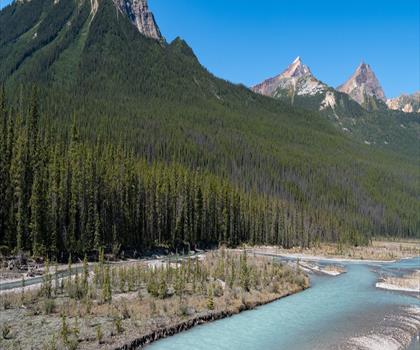
Mount Woolley
Canadian Rockies
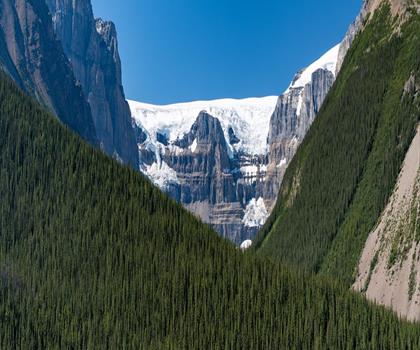
Stutfield Peak
Canadian Rockies
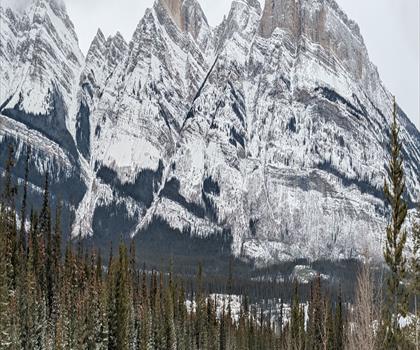
Mount Sarbach
Canadian Rockies
Hiking near Canmore
200 trails to explore ~33 km away
We work hard to provide the most up-to-date and error-free data possible. If something seems incorrect, let us know! Your contribution helps the whole community.
Hikers' opinions
Be the first to review!
No hiker has shared their experience yet. Share your impressions and help other hikers!