
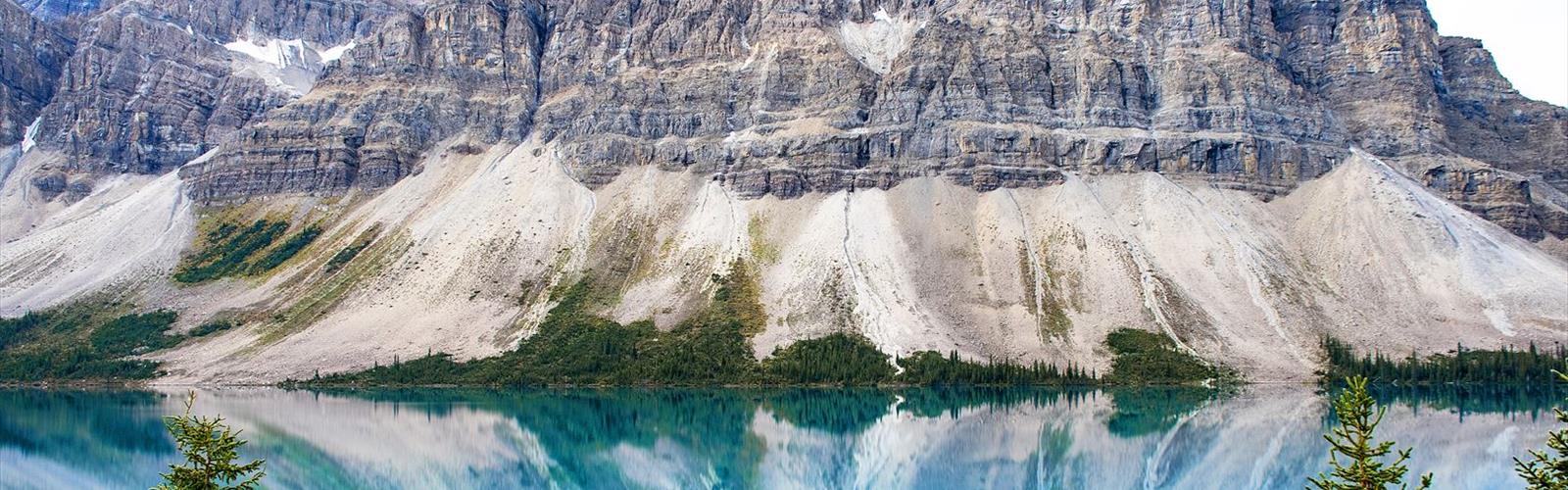

Ready to explore Dolomite Peak? Here's everything you need to know before you go!
Discover the trail
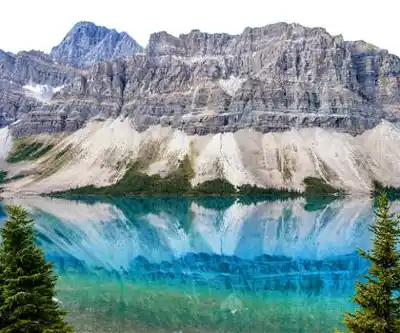
Photos: Ron Cogswell from Arlington, Virginia, USA — CC BY 2.0 (Wikimedia Commons)
Trail description
Dolomite Peak rises to 2,998 meters (9,836 feet) in the heart of Banff National Park, making it one of the more compelling alpine destinations in the Canadian Rockies. The mountain anchors a spectacular cirque surrounded by glaciated peaks, pristine alpine lakes, and wide-open meadows that come alive with wildflowers during the short mountain summer. It's the kind of place that earns its reputation — not through hype, but through sheer terrain quality.
What makes Dolomite Peak worth the effort is the range of experiences packed into a single area. The approach through Helen Lake is excellent hiking on its own, and the routes beyond push into genuinely wild alpine country where solitude and serious terrain go hand in hand. At 11 km with 900 m of elevation gain, this is a hard day out — plan for around 3 hours and 15 minutes of moving time, plus breaks.
The Helen Lake Trail
The Helen Lake Trail is the main artery into this area and a worthy destination in its own right. The trail starts in subalpine forest and gradually opens into broad meadows scattered with tarns and seasonal streams. The path is well-maintained and clearly marked, which makes navigation straightforward — but don't let that fool you into underestimating the elevation gain. As you climb, the views expand steadily, revealing the dramatic cirque walls and hanging glaciers that define the upper basin. Helen Lake sits in a stunning alpine bowl, often glassy-calm in the morning hours, reflecting the surrounding peaks.
Cirque Peak Extension
For hikers looking to push further, the Cirque Peak via Helen Lake extension turns a solid day hike into a serious mountain objective. Past the lake, the trail gives way to loose scree slopes and exposed rock bands that demand real scrambling ability and comfort on unstable terrain. This isn't a route for hesitant hikers — the exposure is genuine and the footing is unforgiving. Those who commit to it are rewarded with commanding views across the Bow Valley and deep into the Rockies backcountry, the kind of panorama that makes the grunt worthwhile.
Dolomite Pass
The Dolomite Pass route offers a completely different character. Where the Helen Lake trail sees steady traffic, the pass route trades popularity for solitude and raw alpine terrain. You're far more likely to cross paths with wildlife than other hikers out here. The pass itself opens up sweeping views of remote peaks and glaciers that most visitors to Banff never see. The terrain is more demanding — expect river crossings, loose rock, and sections where route-finding requires attention. Solid backcountry experience is a genuine prerequisite, not a suggestion.
Wildlife
The Dolomite Peak area supports a strong cross-section of mountain wildlife. Mountain goats are a regular sight on the steep cliff faces and rocky outcrops, their white coats easy to spot against the dark limestone. Hoary marmots set up in the boulder fields and meadows, and their sharp warning whistles are often the first sign you're moving through occupied territory. Pikas work the talus at higher elevations, constantly gathering vegetation before winter shuts things down.
Both grizzly and black bears range through these valleys, especially during late summer berry season when the meadow systems become prime foraging habitat. Bear awareness isn't optional here — carry bear spray, make noise in dense vegetation and around blind corners, and follow proper food storage protocols at all times. Elk and deer are common at lower elevations, and golden eagles regularly patrol the ridgelines above.
The wildflower season in July and August is genuinely impressive. Indian paintbrush, mountain avens, and alpine forget-me-nots spread across the meadows in dense, colorful carpets that contrast sharply with the limestone cliffs and permanent snowfields above. If you time your visit right, the meadows below the cirque are as visually striking as anything in the Rockies.
Seasons and Conditions
Snow typically closes off the upper terrain from October through June. The reliable hiking window runs from mid-July to mid-September, with peak conditions usually landing in late July and August. Early season hikers should expect significant snow patches at elevation and swollen creek crossings from snowmelt. Late season brings the risk of early snowfall and rapidly deteriorating weather — conditions can shift fast and hard in this environment.
Afternoon thunderstorms are a real pattern in the Rockies summer. Start early, watch the sky, and have a turnaround plan before you leave the trailhead. Temperatures can drop sharply with elevation gain, and the exposed terrain on the upper routes offers no shelter when weather moves in.
Gear and Preparation
Sturdy hiking boots with solid ankle support are non-negotiable on the loose rock and uneven terrain throughout this area. Layered clothing is essential — conditions at the trailhead and conditions at the cirque can feel like different days entirely. Carry more water than you think you need; altitude and exertion in dry mountain air push fluid requirements higher than most people expect.
For the Cirque Peak scramble specifically, an honest assessment of your scrambling experience matters. Loose rock and exposure in deteriorating weather is a combination that has turned back experienced parties. If you're not comfortable on steep, unstable terrain, Helen Lake is a genuinely excellent objective on its own — there's no shame in making it your destination.
Always let someone know your planned route and expected return time before heading out, and treat bear spray as standard kit for any outing in this part of Banff National Park.
The Essential Hiking Checklist
Everything you need for your next hike. Bilingual, printable, 1 page.
Get your free hiking checklistRecommended gear for this trail
As an Amazon Associate I earn from qualifying purchases.


Ready to go?
Everything you need to know before you goStarting Point
The dolomite peak trails are located in the Kananaskis Country area of Alberta. To get to the start of the trails, take Highway 40 south from Calgary and turn left onto the Smith-Dorrien Trail (Highway 742). The trailhead is located about 26 km from the turnoff.
When?
How much?
As an Amazon Associate I earn from qualifying purchases.
Affiliate links — LGPO may earn a commission at no extra cost to you.
- Hiking shoes Essential
- → Salomon Elixir Tour Mid WP · 203.38 $
- Layered clothing Essential
- Rain jacket Essential
- Trekking poles
- → Black Diamond Trail Ergo Cork · 69.99 $
- Headlamp
- → Petzl Actik Core 625 · 103.95 $
FAQ - Frequently asked questions
Everything you need to knowSimilar hikes nearby
Discover other trails you might enjoy
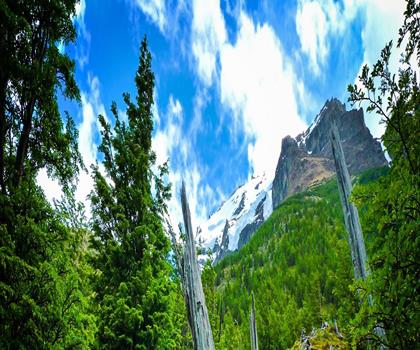
Fossil Mountain
Canadian Rockies

Snake Indian Mountain
Canadian Rockies
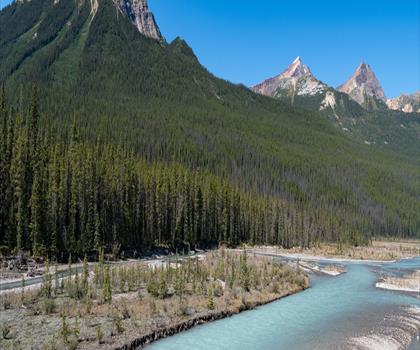
Mushroom Peak
Canadian Rockies
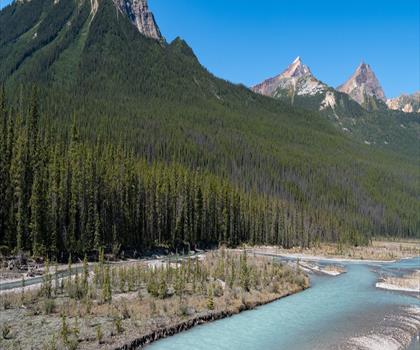
Mount Woolley
Canadian Rockies
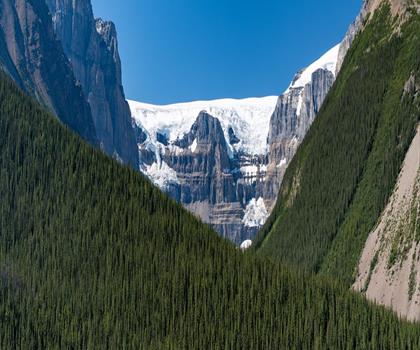
Stutfield Peak
Canadian Rockies
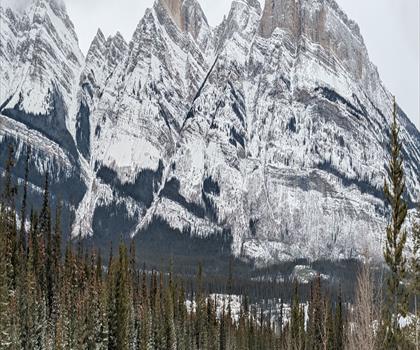
Mount Sarbach
Canadian Rockies
Hiking near Banff
187 trails to explore ~79 km away
We work hard to provide the most up-to-date and error-free data possible. If something seems incorrect, let us know! Your contribution helps the whole community.
Hikers' opinions
Be the first to review!
No hiker has shared their experience yet. Share your impressions and help other hikers!