
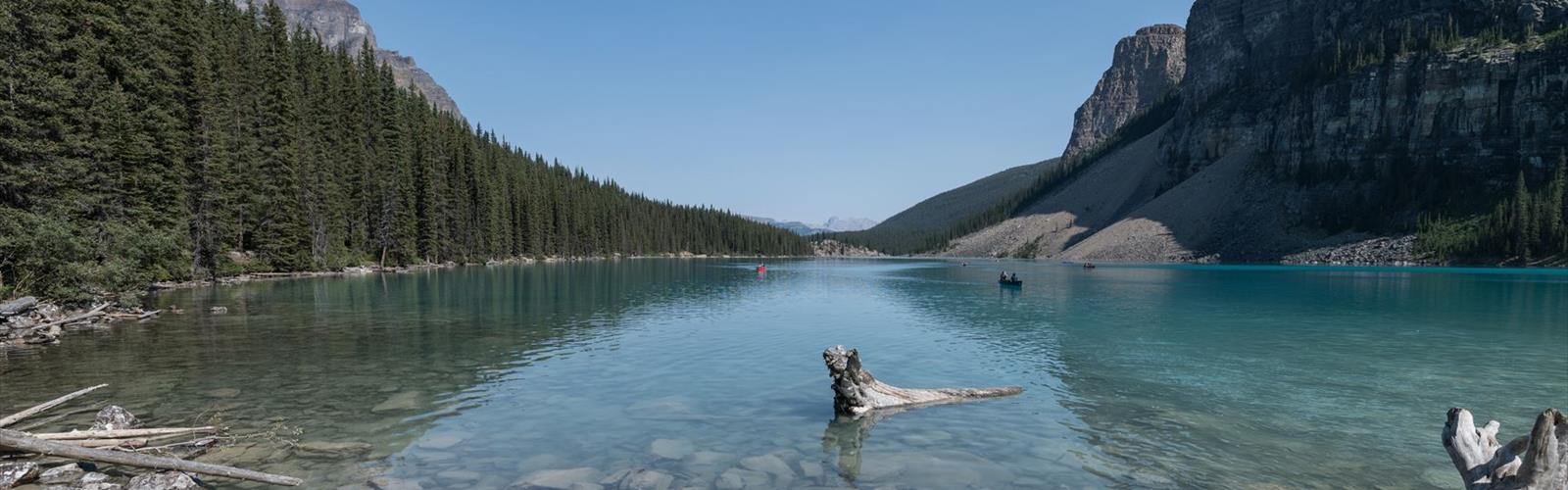

Ready to explore Eiffel Lake? Here's everything you need to know before you go!
Discover the trail
Trail description
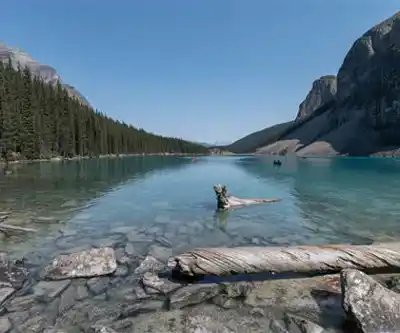
Eiffel Lake sits tucked away in the Canadian Rockies, offering one of the most rewarding alpine experiences accessible from the famous Moraine Lake area. This pristine mountain lake serves as the perfect destination for hikers seeking dramatic mountain scenery without the crowds that often gather at more prominent locations in the region.
The Trail Experience
The journey to Eiffel Lake follows the Larch Valley Trail, starting from the bustling parking area at Moraine Lake. While Moraine Lake itself draws photographers and sightseers from around the world, the trail to Eiffel Lake quickly separates you from the crowds as you begin the moderately challenging ascent into the high country.
The trail immediately begins climbing through dense subalpine forest, where the path winds steadily upward through stands of Engelmann spruce and subalpine fir. The sustained uphill grade covers significant elevation over the course of the hike, making this accessible to most people with reasonable fitness levels while still providing a satisfying challenge.
As you gain elevation, the forest opens up to reveal the first glimpses of the towering peaks that define this corner of the Canadian Rockies. One of the trail's most spectacular features becomes apparent as you climb higher—the magnificent larch trees that give the valley its name. These deciduous conifers create an almost magical atmosphere, particularly during late September and early October when their needles turn brilliant gold before dropping for winter. Even during summer months, the larches provide a unique texture to the landscape that sets this area apart from other alpine destinations.
Terrain and Navigation
The well-maintained trail follows a clear path through varied terrain that keeps the hiking experience engaging throughout the ascent. Early sections wind through thick forest cover where the trail surface consists of packed earth and occasional root systems. As elevation increases, the path transitions to rockier terrain with some loose sections that require attention to footing.
The route includes several switchback sections that help manage the steady climb, though hikers should expect a consistent upward grade for most of the journey. Rocky outcroppings and boulder fields become more common in the upper sections, adding visual interest while requiring more careful navigation.
Trail markers and cairns help guide the way through areas where the path might be less obvious, particularly in the alpine sections where vegetation becomes sparse. The well-traveled nature of this route means the trail remains distinct even in areas with minimal signage.
Wildflowers and Seasonal Beauty
The trail showcases different natural displays throughout the hiking season. During July and August, vibrant wildflowers carpet the meadows and forest clearings. Indian paintbrush, mountain asters, and alpine forget-me-nots create colorful patches along the route, while the higher elevations reveal hardy alpine species adapted to the harsh mountain environment.
As you continue climbing, the panoramic vistas of the Valley of the Ten Peaks gradually unfold. These imposing mountains—each peak a distinct character in the dramatic skyline—create one of the most photographed mountain scenes in North America. The contrast between the dark rock faces and the permanent snowfields creates a striking backdrop that changes throughout the day as light and shadow play across the massive walls.
Reaching Eiffel Lake
The final approach to Eiffel Lake takes you into true alpine terrain, where the trees become sparse and the landscape takes on the austere beauty of the high mountains. The lake itself sits in a natural amphitheater, surrounded by steep rock walls and scree slopes that rise dramatically from the water's edge.
Eiffel Lake's crystal-clear waters provide perfect mirror reflections of the surrounding peaks on calm days, creating the kind of scene that makes even casual hikers reach for their cameras. The lake's position offers an intimate mountain experience—you're surrounded by towering peaks, yet the scale feels manageable and peaceful rather than overwhelming.
The shoreline provides several excellent spots for rest breaks or picnic lunches. Large boulders and flat areas near the water's edge offer comfortable seating with unobstructed views across the lake to the mountain walls beyond. The tranquil setting makes this an ideal destination for those seeking quiet reflection or simply a peaceful break from the demands of daily life.
Wildlife and Natural Environment
The Eiffel Lake area supports diverse wildlife typical of the Canadian Rockies' alpine environment. Hoary marmots are commonly seen and heard throughout the rocky areas, their distinctive whistles echoing off the mountain walls. Pikas, small rabbit-like creatures, inhabit the talus slopes and boulder fields, often visible as they dart between rocks or call from their rocky perches.
This region also falls within grizzly bear habitat, making wildlife awareness essential for all hikers. Bears occasionally use the trail corridor and surrounding areas, particularly during berry season in late summer. Maintaining proper food storage, making noise while hiking, and carrying bear spray are standard precautions for this area.
Following Leave No Trace principles becomes particularly important in this fragile alpine environment. The short growing season and harsh conditions mean that any damage to vegetation or disturbance to wildlife can have lasting impacts on the ecosystem.
Planning Your Visit
The hiking season for Eiffel Lake typically runs from late June through September, with conditions varying significantly based on snowpack and weather patterns. Early season visits may encounter snow patches on the trail and around the lake, while late season hiking offers the spectacular larch displays but requires preparation for potentially cold and unpredictable weather.
Proper preparation makes the difference between an enjoyable hike and a challenging ordeal. The elevation gain and mountain environment demand appropriate hiking footwear with good traction, as sections of the trail cross rocky terrain and potentially wet areas. Weather in the mountains can change rapidly, making layered clothing and rain protection essential even on seemingly perfect days.
Water and snacks become particularly important given the sustained climb and the temptation to spend extended time at the lake enjoying the scenery. The combination of elevation gain and mountain air can be more demanding than anticipated, making adequate hydration and energy crucial for a comfortable experience.
Checking current trail conditions and weather forecasts before departure helps ensure a safe and enjoyable experience. Local park information centers provide up-to-date trail reports and can offer specific advice about current conditions and any temporary closures or restrictions that might affect your visit.
The Essential Hiking Checklist
Everything you need for your next hike. Bilingual, printable, 1 page.
Get your free hiking checklistRecommended gear for this trail
As an Amazon Associate I earn from qualifying purchases.


Ready to go?
Everything you need to know before you goStarting Point
The start of the trails at the eiffel lake in Alberta can be accessed by traveling east on Highway 11 from Edmonton. The trailhead is located approximately 45 kilometers east of Edmonton.
When?
How much?
As an Amazon Associate I earn from qualifying purchases.
Affiliate links — LGPO may earn a commission at no extra cost to you.
- Hiking shoes Essential
- → Salomon Elixir Tour Mid WP · 203.38 $
- Layered clothing Essential
- Rain jacket Essential
- Trekking poles
- → Black Diamond Trail Ergo Cork · 69.99 $
- Headlamp
- → Petzl Actik Core 625 · 103.95 $
FAQ - Frequently asked questions
Everything you need to knowSimilar hikes nearby
Discover other trails you might enjoy
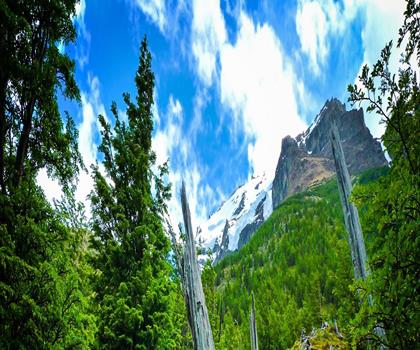
Fossil Mountain
Canadian Rockies

Snake Indian Mountain
Canadian Rockies
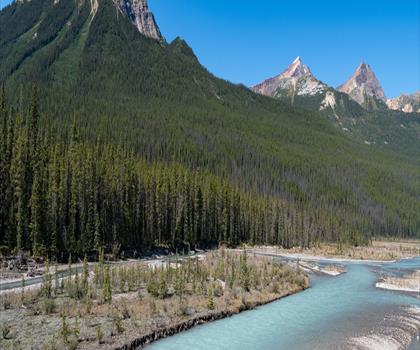
Mushroom Peak
Canadian Rockies
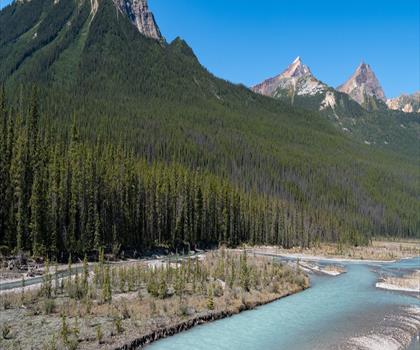
Mount Woolley
Canadian Rockies
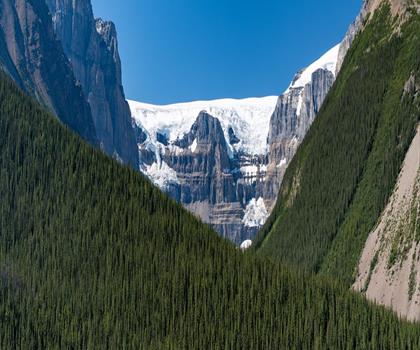
Stutfield Peak
Canadian Rockies
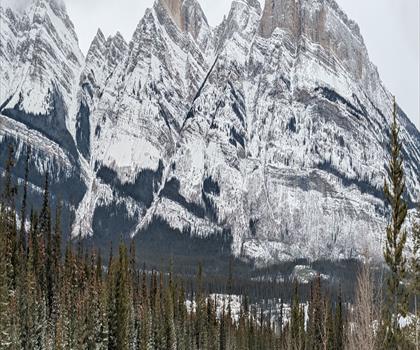
Mount Sarbach
Canadian Rockies
Hiking near Banff
187 trails to explore ~50 km away
We work hard to provide the most up-to-date and error-free data possible. If something seems incorrect, let us know! Your contribution helps the whole community.
Hikers' opinions
Be the first to review!
No hiker has shared their experience yet. Share your impressions and help other hikers!