
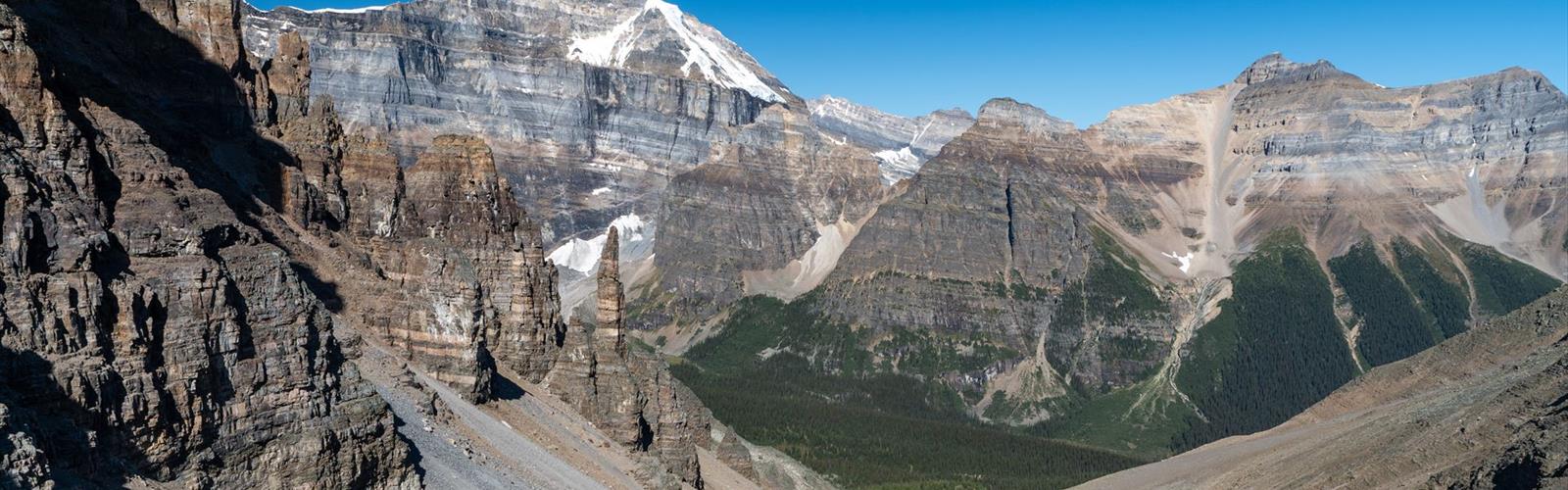

Ready to explore Eiffel Peak? Here's everything you need to know before you go!
Discover the trail
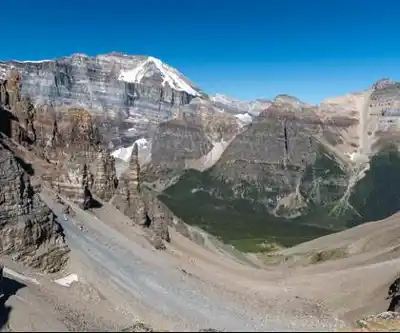
Photos: Christoph Strässler from Oberdorf BL, Schweiz — CC BY-SA 4.0 (Wikimedia Commons)
Available trails
| TrailTrails | Dist.Distance | GainElevation | TimeDuration | Difficulty | GPX |
|---|---|---|---|---|---|
|
|
2.43 km | — | 32min | GPX |
GPX track: © OpenStreetMap contributors — ODbL 1.0
Trail description
Eiffel Peak stands as one of the most challenging and rewarding summit hikes accessible from Moraine Lake in Banff National Park. Rising 3,077 meters (10,095 feet) above sea level, this prominent mountain offers experienced hikers a serious alpine adventure with substantial elevation gain and world-class panoramic views across the Valley of the Ten Peaks.
What makes Eiffel Peak special isn't just its impressive height, but its position as a gateway to understanding the scale and grandeur of the Canadian Rockies. The mountain's distinctive profile makes it a recognizable landmark, while its strategic location provides unmatched vantage points over some of Alberta's most celebrated alpine scenery. Starting from the already spectacular setting of Moraine Lake, this hike takes you through multiple ecosystems as you climb toward one of the region's most dramatic summits.
Trail Access and Getting Started
Your adventure begins at Moraine Lake, one of Canada's most photographed destinations. The well-marked trailhead is easily accessible from the lake's parking area, providing a straightforward start to what quickly becomes an increasingly demanding mountain experience. Starting at this elevation already places you in spectacular alpine territory, but the real rewards come as you gain significant height above the valley floor.
The initial approach leads you away from the crowds gathered around Moraine Lake's famous shoreline, transitioning rapidly into serious hiking terrain. The established trail system eliminates navigation concerns, allowing you to focus entirely on the physical demands and scenic rewards that lie ahead.
The Climbing Experience
This 2.1-kilometer trail packs an intense 900 meters of elevation gain into a relatively short distance, creating a steep and demanding ascent that typically requires about 3.5 hours to complete. The moderate difficulty rating reflects both the substantial elevation gain and the varied terrain you'll encounter, from forest paths to rocky scrambling near the summit.
The lower sections wind through dense montane forests where the canopy provides welcome shade and the terrain remains relatively manageable. As you climb higher, the forest gradually transitions to subalpine conditions, and the grade becomes noticeably more challenging. This is where the trail begins to open up, revealing increasingly impressive views of the surrounding peaks and valleys.
The shift into alpine terrain marks a dramatic change in both landscape and hiking experience. During summer months, alpine meadows burst with wildflowers, creating vibrant displays against the backdrop of grey limestone peaks. The air becomes thinner, and the terrain more rugged as you approach the mountain's upper reaches.
The final approach to the summit involves scrambling over rocky terrain that demands careful foot placement and steady nerves. While this isn't technical climbing, it requires attention and sure footing. The exposure increases as you near the top, adding excitement and a sense of achievement to the final push.
Summit Views and Alpine Rewards
Reaching Eiffel Peak's summit opens up breathtaking 360-degree vistas that extend far beyond what's visible from the valley floor. The panoramic views encompass towering mountains, pristine glacial lakes, and vast wilderness areas that showcase the Canadian Rockies at their most impressive scale.
From this elevated perspective, you can appreciate the geological forces that shaped this remarkable landscape. Clear views of glacial valleys, exposed rock formations, and the intricate relationships between peaks, valleys, and waterways provide insights into the region's natural history. The summit offers an ideal location to rest, refuel, and capture memories of your achievement while surrounded by some of the most spectacular mountain scenery in North America.
Wildlife and Natural Features
The diverse elevation zones you'll traverse support varied wildlife populations that add interest to your hiking experience. Marmots are commonly spotted in the alpine areas, their distinctive whistles often serving as an early warning system for approaching hikers. Mountain goats navigate the steep terrain with remarkable agility, and while sightings aren't guaranteed, encountering these sure-footed animals adds a special element to any mountain adventure.
The changing vegetation zones provide their own rewards throughout the ascent. Dense forest understory at lower elevations gives way to hardy alpine plants that thrive in the harsh conditions near the summit. During summer months, wildflower displays in the alpine meadows create spectacular natural gardens that contrast beautifully with the stark rock faces above.
Planning and Preparation
Late June through early September offers the most reliable conditions for attempting Eiffel Peak, when snow has typically cleared from the upper reaches and weather patterns are most stable. However, mountain conditions can change rapidly regardless of season, making thorough preparation essential for a safe and enjoyable experience.
Mountain weather demands respect and proper gear. Conditions can shift from sunny and warm to cold and stormy within hours, making layered clothing systems and rain gear absolutely essential. The significant elevation gain and exposed terrain mean you'll experience substantial temperature variations during your hike, from relatively warm conditions at Moraine Lake to potentially harsh conditions on the summit.
Sturdy hiking boots with good ankle support are crucial for navigating the varied terrain safely, while trekking poles provide valuable stability during steeper sections and the final scramble. Carry plenty of water—the combination of elevation, physical exertion, and mountain air significantly increases your hydration needs.
Leave No Trace principles take on special importance in this pristine alpine environment. Pack out all trash, stay on established trails to prevent erosion and vegetation damage, and respect wildlife habitats by observing animals from appropriate distances. The fragile alpine ecosystem recovers slowly from disturbance, making careful behavior essential for preserving these landscapes for future visitors.
The Essential Hiking Checklist
Everything you need for your next hike. Bilingual, printable, 1 page.
Get your free hiking checklistRecommended gear for this trail
As an Amazon Associate I earn from qualifying purchases.


Ready to go?
Everything you need to know before you goStarting Point
The start of the trails at the eiffel peak can be accessed from the parking lot located off of Highway 40.
When?
How much?
As an Amazon Associate I earn from qualifying purchases.
Affiliate links — LGPO may earn a commission at no extra cost to you.
- Hiking shoes Essential
- → Salomon Elixir Tour Mid WP · 203.38 $
- Layered clothing Essential
- Rain jacket Essential
- Trekking poles
- → Black Diamond Trail Ergo Cork · 69.99 $
- Headlamp
- → Petzl Actik Core 625 · 103.95 $
FAQ - Frequently asked questions
Everything you need to knowSimilar hikes nearby
Discover other trails you might enjoy
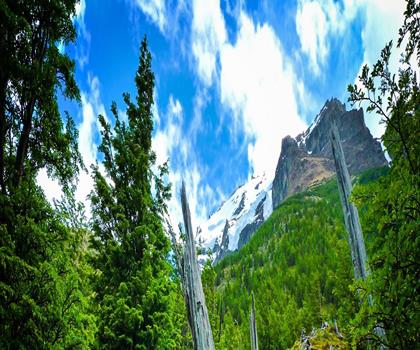
Fossil Mountain
Canadian Rockies

Snake Indian Mountain
Canadian Rockies
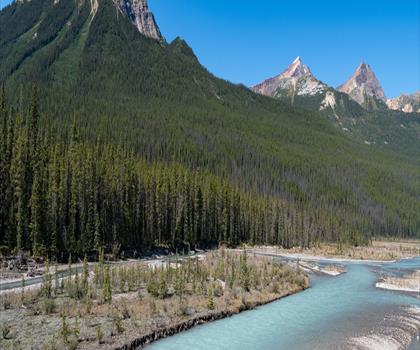
Mushroom Peak
Canadian Rockies
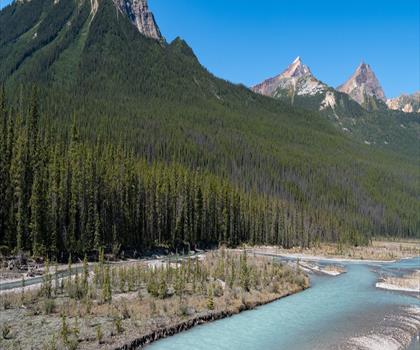
Mount Woolley
Canadian Rockies
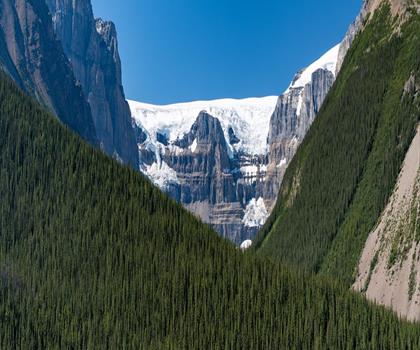
Stutfield Peak
Canadian Rockies
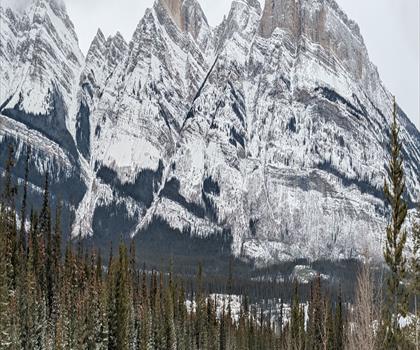
Mount Sarbach
Canadian Rockies
Hiking near Banff
187 trails to explore ~49 km away
We work hard to provide the most up-to-date and error-free data possible. If something seems incorrect, let us know! Your contribution helps the whole community.
Hikers' opinions
Be the first to review!
No hiker has shared their experience yet. Share your impressions and help other hikers!