
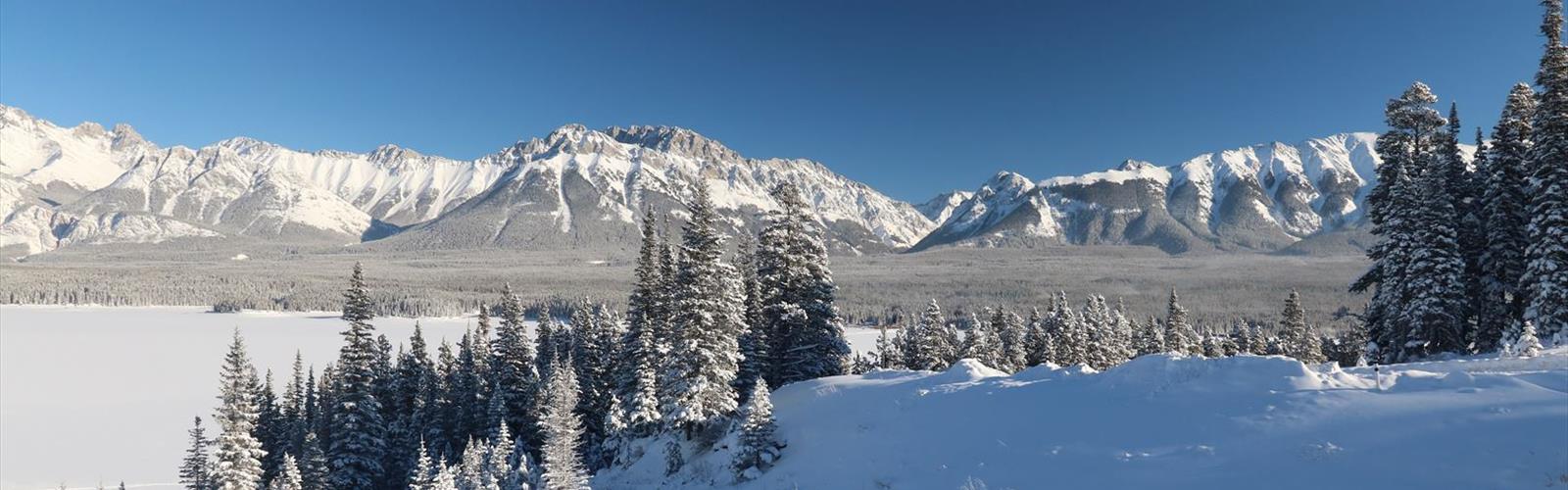

Ready to explore Frozen Lake Trail? Here's everything you need to know before you go!
Discover the trail
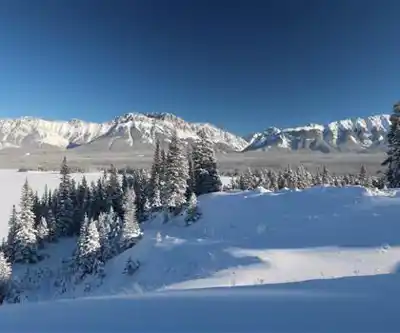
Photos: Thank you for visiting my page from Canada — CC BY 2.0 (Wikimedia Commons)
Trail description
The Frozen Lake Trail delivers one of those quintessential Canadian Rockies experiences that manages to feel both accessible and genuinely rewarding. Located right off the Icefields Parkway, this trail strikes an impressive balance between convenience and authentic alpine adventure, making it a standout choice whether you're new to mountain hiking or just looking for a solid day on the trails without the commitment of a major expedition.
What immediately sets this trail apart is how thoughtfully it's designed. Rather than hitting you with brutal elevation gain right from the parking area, the path eases you into the mountain environment through dense subalpine forest where towering pine and fir create a natural cathedral overhead. The forest floor provides that satisfying crunch underfoot, and the gradual ascent means you're building momentum and getting warmed up before the trail asks more of you.
The 300-meter elevation gain unfolds over terrain that constantly shifts and evolves, keeping the hiking experience engaging throughout the roughly hour and forty-five minutes it takes most people to reach the lake. You're never grinding through monotonous switchbacks or slogging up endless steep sections—instead, the trail pulls you upward through varied ecosystems that each offer their own rewards.
Trail Experience and Terrain
The lower sections wind through classic subalpine forest where the canopy filters sunlight into shifting patterns on the trail surface. During warmer months, wildflowers create natural color displays that contrast beautifully with the dark green backdrop of the conifers. The trail surface varies from packed earth to rocky sections, with some root networks to navigate in the forested areas, but nothing that requires technical skills or specialized equipment.
As you gain elevation, the forest gradually opens up into alpine meadows that showcase the raw scale of the surrounding peaks. This transition zone is where the trail really starts delivering those classic Rocky Mountain views—jagged ridgelines, snow-dusted summits, and the kind of expansive mountain vistas that remind you why people become obsessed with hiking in this region.
The steady but manageable ascent creates natural rhythm breaks where the views open up and practically demand photo stops. Most hikers find the pacing comfortable, with plenty of opportunities to catch your breath while taking in the scenery rather than feeling like you're constantly pushing to keep up with the trail's demands.
Frozen Lake
The trail's destination lives up to its reputation as a spectacular alpine lake setting. Frozen Lake sits nestled in a natural bowl surrounded by towering peaks, creating one of those mirror-perfect reflections that make the Canadian Rockies famous worldwide. The water's crystal clarity often allows you to see straight to the bottom even from the shoreline, creating an almost surreal visual effect.
What makes this lake particularly compelling is how dramatically it transforms with the seasons. During summer months, it reflects the surrounding snow-capped peaks like a giant natural mirror, with the surface occasionally disturbed by mountain breezes that create rippling patterns across the reflection. When winter arrives and the lake lives up to its name by freezing solid, it becomes an entirely different kind of beautiful—a smooth, white expanse that blends seamlessly with the snow-covered landscape.
The lake area provides multiple spots to settle in and absorb the mountain atmosphere. Whether you're looking for a quiet lunch spot or just want to spend time taking in the scenery before heading back down, you'll find comfortable places to sit and let the alpine environment work its magic.
Wildlife and Natural Features
The trail passes through prime Rocky Mountain wildlife habitat, and animal sightings are common enough that keeping your camera accessible and your food properly stored becomes essential trail strategy. Marmots are frequent trail companions—these curious, chunky rodents often pop up on rocks near the path and seem genuinely interested in observing hikers. Their sharp whistles serve as an early warning system for the broader mountain ecosystem.
Elk sightings happen regularly, particularly in the meadow sections where they come to graze. These impressive animals command respect—they're wild creatures in their own territory and require appropriate distance for both safety and conservation reasons. The trail also passes through habitat used by mountain goats, black bears, and various bird species that thrive in alpine environments.
The diverse terrain means you'll encounter different plant communities as you climb. The lower forest sections feature classic subalpine species adapted to shorter growing seasons, while the higher meadows showcase hardy alpine plants that have evolved to handle extreme weather conditions and intense UV exposure at elevation.
Access and Planning
The trailhead's location directly off the Icefields Parkway eliminates the logistics complications that can make some popular trails challenging to access. You can drive straight to the starting point and find ample parking without dealing with shuttle systems, restricted access windows, or the advance planning that some high-demand trails require.
This accessibility makes the trail particularly appealing for day trips or as part of a larger Rockies hiking itinerary. The straightforward access combined with the manageable difficulty level means you can make spontaneous decisions based on weather conditions or energy levels without extensive advance planning.
For gear, sturdy hiking boots are essential given the varied terrain and occasional rocky sections. The elevation gain and mountain environment mean temperatures can shift quickly throughout the day, so layered clothing works better than trying to predict what conditions you'll encounter. Standard day hiking essentials—plenty of water, snacks, sunscreen, and basic first aid supplies—cover what you'll need for a safe and comfortable experience.
The Leave No Trace principles take on particular importance in this pristine environment. The trail sees steady use during peak season, and maintaining its natural character depends entirely on hikers packing out all trash and respecting the wildlife habitats that make the area so special.
The Essential Hiking Checklist
Everything you need for your next hike. Bilingual, printable, 1 page.
Get your free hiking checklistRecommended gear for this trail
As an Amazon Associate I earn from qualifying purchases.


Ready to go?
Everything you need to know before you goStarting Point
The frozen lake trail is located in Alberta, Canada. To get to the start of the trails, take Highway 2 west from Edmonton to the town of Hinton. In Hinton, take the exit for Highway 16 west (the Yellowhead Highway). The trailhead is located about 60 km west of Hinton, just past the town of Jasper.
When?
How much?
As an Amazon Associate I earn from qualifying purchases.
Affiliate links — LGPO may earn a commission at no extra cost to you.
- Hiking shoes Essential
- → Salomon Elixir Tour Mid WP · 203.38 $
- Layered clothing Essential
- Rain jacket Essential
- Trekking poles
- → Black Diamond Trail Ergo Cork · 69.99 $
- Headlamp
- → Petzl Actik Core 625 · 103.95 $
FAQ - Frequently asked questions
Everything you need to knowSimilar hikes nearby
Discover other trails you might enjoy
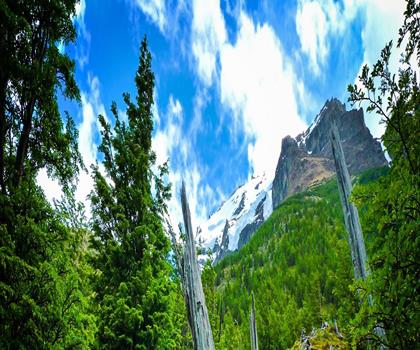
Fossil Mountain
Canadian Rockies

Snake Indian Mountain
Canadian Rockies
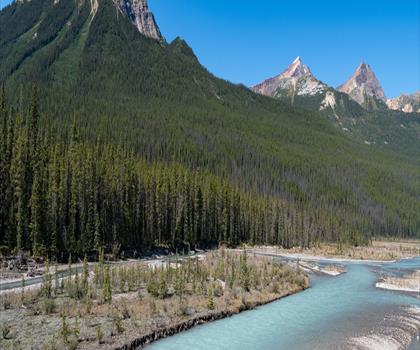
Mushroom Peak
Canadian Rockies
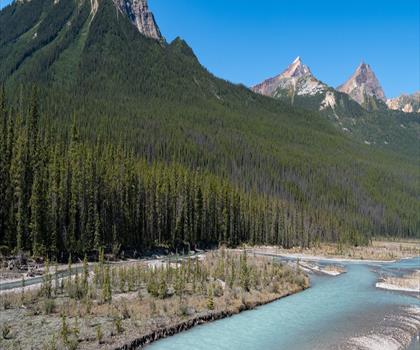
Mount Woolley
Canadian Rockies
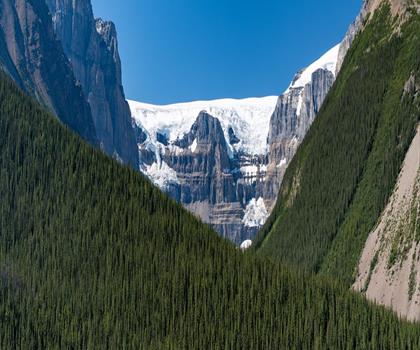
Stutfield Peak
Canadian Rockies
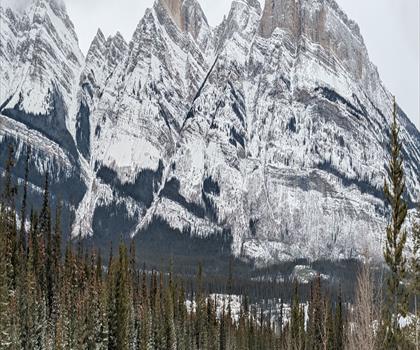
Mount Sarbach
Canadian Rockies
Hiking near Canmore
200 trails to explore ~59 km away
We work hard to provide the most up-to-date and error-free data possible. If something seems incorrect, let us know! Your contribution helps the whole community.
Hikers' opinions
Be the first to review!
No hiker has shared their experience yet. Share your impressions and help other hikers!