

Ready to explore Galatea Lake Trail? Here's everything you need to know before you go!
Discover the trail
Photos: Thank you for visiting my page from Canada — CC BY 2.0 (Wikimedia Commons)
Trail description
The Galatea Lake Trail is one of those hikes in Kananaskis Country that punches well above its weight. In just 2.6 kilometers, it climbs 600 meters into a dramatic alpine cirque, delivering a genuine high-mountain experience without requiring a full-day commitment. The trail is rated easy, but that rating refers to the path's technical simplicity rather than the physical effort — that elevation gain is real, and you'll feel it.
The Trail Experience
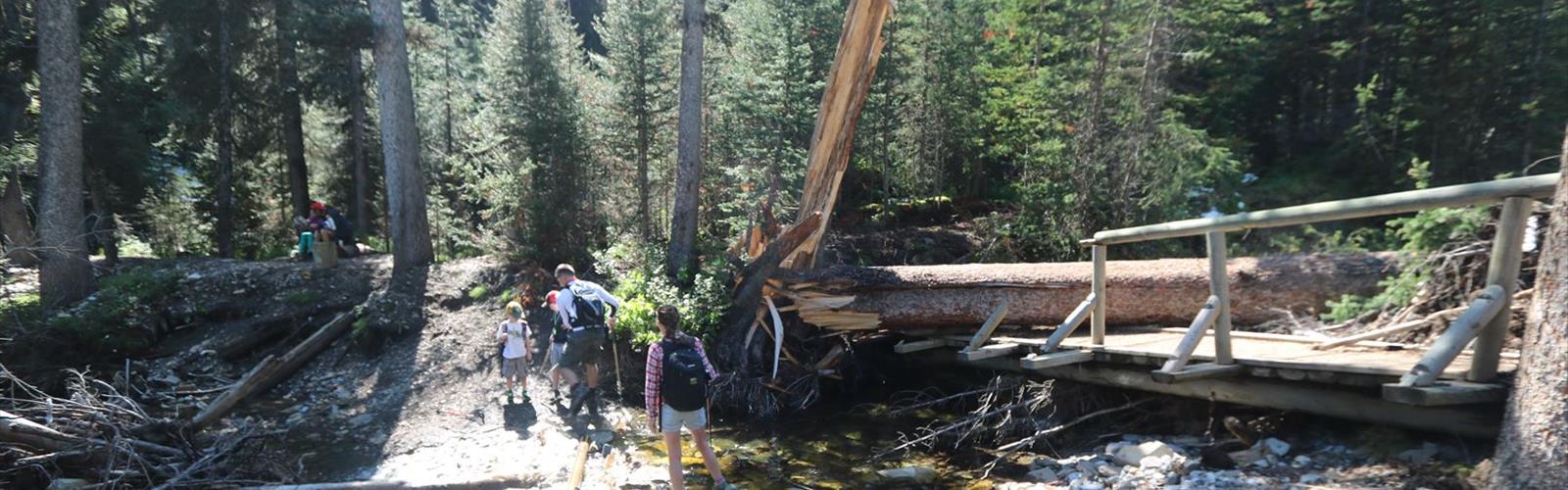
The hike starts in dense montane forest, moving through stands of spruce, fir, and pine. The lower section has a welcoming rhythm to it — well-maintained footing, the sound of nearby streams, wooden bridges over clear mountain creeks. These early creek crossings are natural rest stops, good places to tighten your laces or take a first water break before the climbing begins in earnest.
As elevation builds, the forest starts to open up. Trees thin out, roots and rocks become more frequent underfoot, and the surrounding peaks begin to show themselves through the canopy. The trail never becomes technically demanding, but it asks for steady effort and sure footing. This is not a casual stroll — it's a short, focused climb that rewards hikers who come prepared.
The final push into the cirque is where the trail earns its reputation. Subalpine terrain gives way to open ground, and the full scale of the mountain amphitheater reveals itself. Steep limestone walls rise on three sides, and the lake sits quietly at the center of it all — that distinctive turquoise-green color that comes from glacial flour, clear enough to see the bottom in the shallower sections. After 2.6 kilometers and 600 meters of climbing, it's a view that lands hard.
What Makes This Destination Stand Out
What separates the Galatea Lake Trail from other alpine lake hikes in the Canadian Rockies is the ratio of effort to reward. Many comparable lake destinations require 8 to 10 kilometers or more of hiking. Here, you're in the cirque in under 3 kilometers. That makes it accessible to a wider range of hikers — families with older kids, people returning to hiking after a break, or anyone who wants a genuine alpine experience without a full-day commitment.
The cirque itself is the real draw. The lake is beautiful, but the entire rocky amphitheater — the cliff walls, the open sky above, the silence broken only by pikas calling from the talus — creates a sense of place that's hard to replicate. Rocky shorelines give you comfortable spots to sit and eat lunch, and small meadows nearby fill with wildflowers through the summer months, including Indian paintbrush, lupines, mountain avens, and alpine forget-me-nots.
Wildlife is part of the picture too. Ground squirrels and pikas are regulars around the rocky areas near the lake. Deer show up in the meadows, especially early or late in the day. Black bears and mountain goats are present in the broader area, though sightings are less predictable.
Seasonal Timing
The trail is generally accessible from June through September. Early season often means snow patches near the lake and peak wildflower displays lower on the trail. July and August offer the most reliable conditions — warm days, full alpine bloom, and good visibility. September brings cooler air, the possibility of early snow at elevation, and the golden turn of alpine larch if you time it right. Crowds thin noticeably after Labour Day, which is worth keeping in mind if solitude matters to you.
Weather moves fast in this environment. Even on a clear morning, afternoon thunderstorms are common, and the exposed approach to the lake means you'll feel any change immediately. The temperature at the lake can be significantly cooler than at the trailhead, especially once you stop moving.
What to Bring
Given the elevation gain and the exposed alpine terrain near the top, a few things are non-negotiable:
- Sturdy hiking boots with ankle support — the rocky final approach and potentially slippery bridge crossings make trail runners a gamble.
- Layers — you'll warm up fast on the climb, but the lake sits in open terrain where wind and shade can cool things down quickly once you stop.
- Rain gear — always, in the Rockies.
- Enough water for the full round trip — the climb is short but steep, and the exposed sections near the lake offer little shade on hot days.
Check trail conditions before heading out, particularly in early June or late September when snow and ice can make the upper section hazardous. The estimated time for the round trip is around 2 hours and 30 minutes, though the pace at the top tends to slow down once you're actually there.
The Essential Hiking Checklist
Everything you need for your next hike. Bilingual, printable, 1 page.
Get your free hiking checklistRecommended gear for this trail
As an Amazon Associate I earn from qualifying purchases.


Ready to go?
Everything you need to know before you goStarting Point
The galatea lake trail is located in the Kananaskis Country of Alberta. To get to the start of the trails, take the Trans-Canada Highway west from Calgary and turn off at the Kananaskis Village exit. Follow the signs to the village and then continue on the Galatea Lakes Road. The trailhead is located at the end of the road.
When?
How much?
As an Amazon Associate I earn from qualifying purchases.
Affiliate links — LGPO may earn a commission at no extra cost to you.
- Hiking shoes Essential
- → Salomon Elixir Tour Mid WP · 203.38 $
- Layered clothing Essential
- Rain jacket Essential
- Trekking poles
- → Black Diamond Trail Ergo Cork · 69.99 $
- Headlamp
- → Petzl Actik Core 625 · 103.95 $
FAQ - Frequently asked questions
Everything you need to knowSimilar hikes nearby
Discover other trails you might enjoy
Fossil Mountain
Canadian Rockies

Snake Indian Mountain
Canadian Rockies
Mushroom Peak
Canadian Rockies
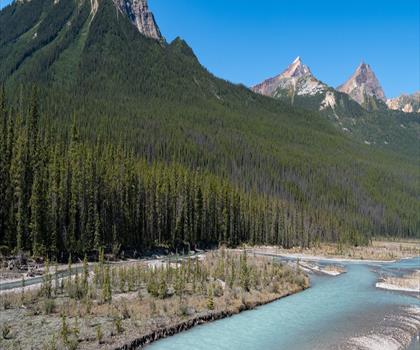
Mount Woolley
Canadian Rockies
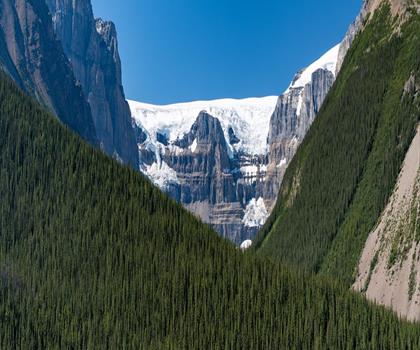
Stutfield Peak
Canadian Rockies
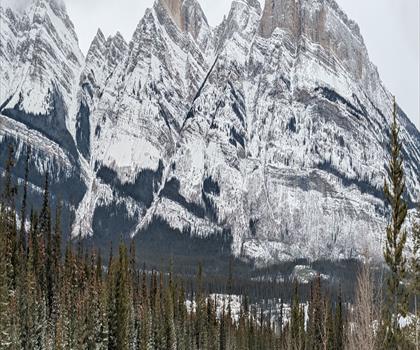
Mount Sarbach
Canadian Rockies
Hiking near Canmore
200 trails to explore ~27 km away
We work hard to provide the most up-to-date and error-free data possible. If something seems incorrect, let us know! Your contribution helps the whole community.
Hikers' opinions
Be the first to review!
No hiker has shared their experience yet. Share your impressions and help other hikers!