
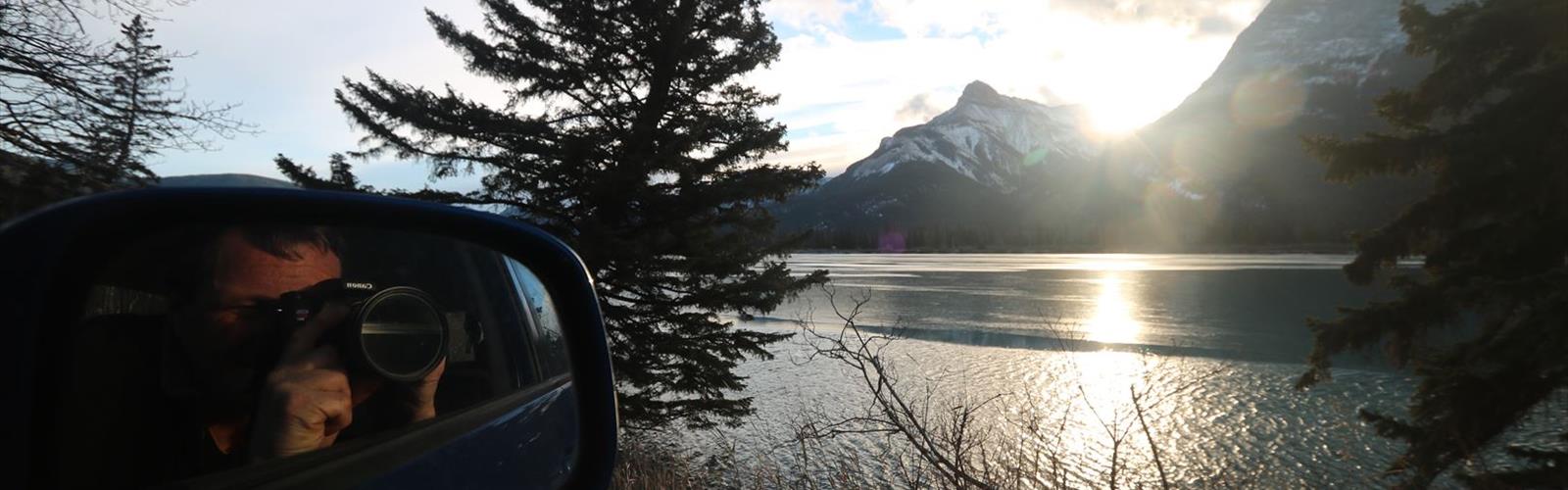

Ready to explore Gap Lake? Here's everything you need to know before you go!
Discover the trail
Photos: Thank you for visiting my page from Canada — CC BY 2.0 (Wikimedia Commons)
Trail description
Gap Lake sits in the Canadian Rockies just off the Trans-Canada Highway near Canmore, and it earns its hard difficulty rating honestly. At 8.4 kilometers with 1,408 meters of elevation gain, this is a serious alpine hike that will push even fit, experienced hikers. Budget around 4 hours and 45 minutes for the round trip, and give yourself extra buffer if you plan to spend time at the lake or explore the basin.
What makes Gap Lake such a compelling objective is the contrast it delivers. You start within earshot of one of Canada's busiest highways, and by the time you reach the lake, the Bow Valley feels like a different world entirely. That shift from accessible trailhead to wild alpine cirque is part of what keeps people coming back to this corner of Alberta's mountain country.
The Ascent
The trail opens through mixed montane forest — spruce, fir, and aspen — and the first stretch feels manageable enough that you might wonder what all the fuss is about. Don't be fooled. The grade picks up steadily, and once the climbing starts in earnest, it rarely lets up. The middle section is where most hikers feel the hike's true character: sustained switchbacks on steep terrain, thin mountain air, and a trail surface that mixes packed dirt with rocky sections requiring deliberate foot placement.
As you gain elevation, the forest thins and the views start opening up. Glimpses of the Bow Valley appear through the trees, giving you a sense of just how much height you've put between yourself and the valley floor. The ecological transition from montane forest to subalpine and eventually alpine terrain is one of the more satisfying aspects of this hike — you're not just climbing, you're moving through distinct environments, each with its own character.
Near treeline, the landscape opens up completely. The final approach to the lake crosses loose scree and boulder fields where the trail becomes less defined. This is where route-finding matters. Take your time, watch your footing, and don't rush the last stretch — it's the most technically demanding part of the day.
Gap Lake
The lake sits in a dramatic alpine cirque, enclosed by steep limestone walls that rise sharply on multiple sides. On calm days, the water reflects the surrounding peaks with striking clarity. Given the elevation and the basin's northern exposure, the lake stays cold year-round and can hold ice well into summer — don't expect a swim.
The basin rewards time spent exploring. Experienced hikers often push to higher ground above the lake for broader views of the surrounding peaks and the Bow Valley stretching out below. The rocky alpine terrain supports wildlife adapted to high-altitude conditions, so keep your eyes open and your distance respectful.
Nearby Options
If you're spending more than a day in the area, Grotto Canyon Trail offers a completely different kind of experience — moderate difficulty, a sheltered canyon environment, unique rock formations, and ancient pictographs that connect the landscape to its Indigenous history. The contrast between the two hikes makes for a well-rounded visit to the Canmore area.
What to Know Before You Go
- Start early. Afternoon thunderstorms are common in the Canadian Rockies during summer. Being at or near the lake before midday gives you a safer margin.
- Footwear matters. Stiff hiking boots with solid ankle support are the right call for the rocky terrain and steep grades on this trail.
- Layer up. Weather at alpine elevations can shift fast and dramatically. Bring a rain layer and extra insulation regardless of what the valley forecast says.
- Carry more water than you think you need. The sustained climbing and dry mountain air accelerate dehydration.
- This is not a beginner hike. The elevation gain is significant and the terrain near the lake is technical. Casual hikers and families with young children should look at other options in the area.
- Wildlife awareness. Store food properly, keep your distance from any animals you encounter, and never feed wildlife.
- Leave No Trace. Alpine ecosystems are fragile and slow to recover. Stay on established trail wherever possible, especially on the scree and boulder sections near the lake.
Canmore is close by and well-equipped with gear shops, accommodations, and places to eat — a practical base whether you're doing Gap Lake as a day trip or building it into a longer stay in the Bow Valley.
The Essential Hiking Checklist
Everything you need for your next hike. Bilingual, printable, 1 page.
Get your free hiking checklistRecommended gear for this trail
As an Amazon Associate I earn from qualifying purchases.


Ready to go?
Everything you need to know before you goStarting Point
The gap lake trails are located in the Kananaskis Country area of Alberta. To get to the start of the trails, take Highway 40 south from Calgary and turn left onto the Smith-Dorrien Trail (Highway 742). The trailhead is located about 25 km down the road.
When?
How much?
As an Amazon Associate I earn from qualifying purchases.
Affiliate links — LGPO may earn a commission at no extra cost to you.
- Hiking shoes Essential
- → Salomon Elixir Tour Mid WP · 203.38 $
- Layered clothing Essential
- Rain jacket Essential
- Trekking poles
- → Black Diamond Trail Ergo Cork · 69.99 $
- Headlamp
- → Petzl Actik Core 625 · 103.95 $
FAQ - Frequently asked questions
Everything you need to knowSimilar hikes nearby
Discover other trails you might enjoy
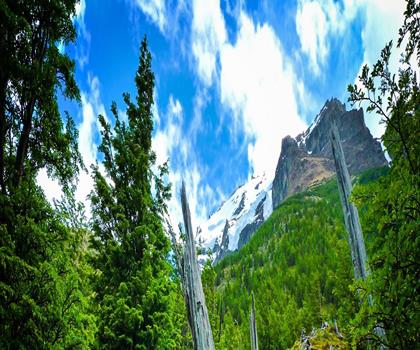
Fossil Mountain
Canadian Rockies

Snake Indian Mountain
Canadian Rockies
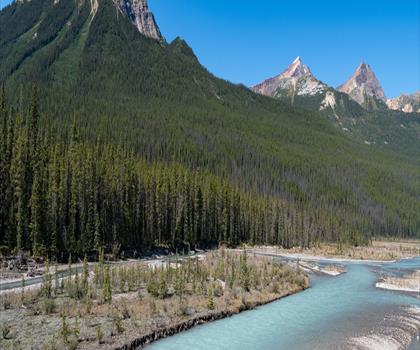
Mushroom Peak
Canadian Rockies
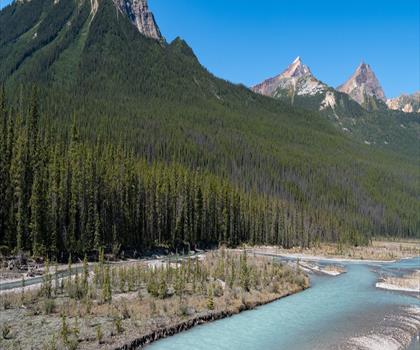
Mount Woolley
Canadian Rockies
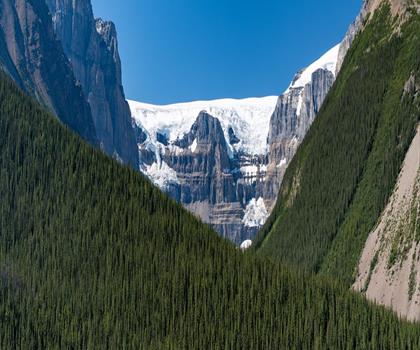
Stutfield Peak
Canadian Rockies
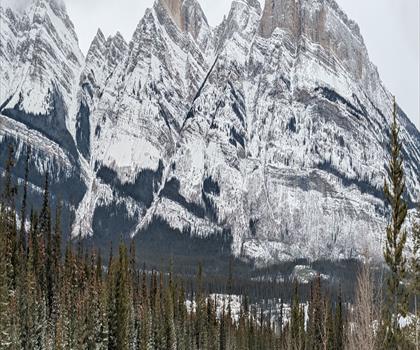
Mount Sarbach
Canadian Rockies
Hiking near Canmore
200 trails to explore ~9 km away
We work hard to provide the most up-to-date and error-free data possible. If something seems incorrect, let us know! Your contribution helps the whole community.
Hikers' opinions
Be the first to review!
No hiker has shared their experience yet. Share your impressions and help other hikers!