
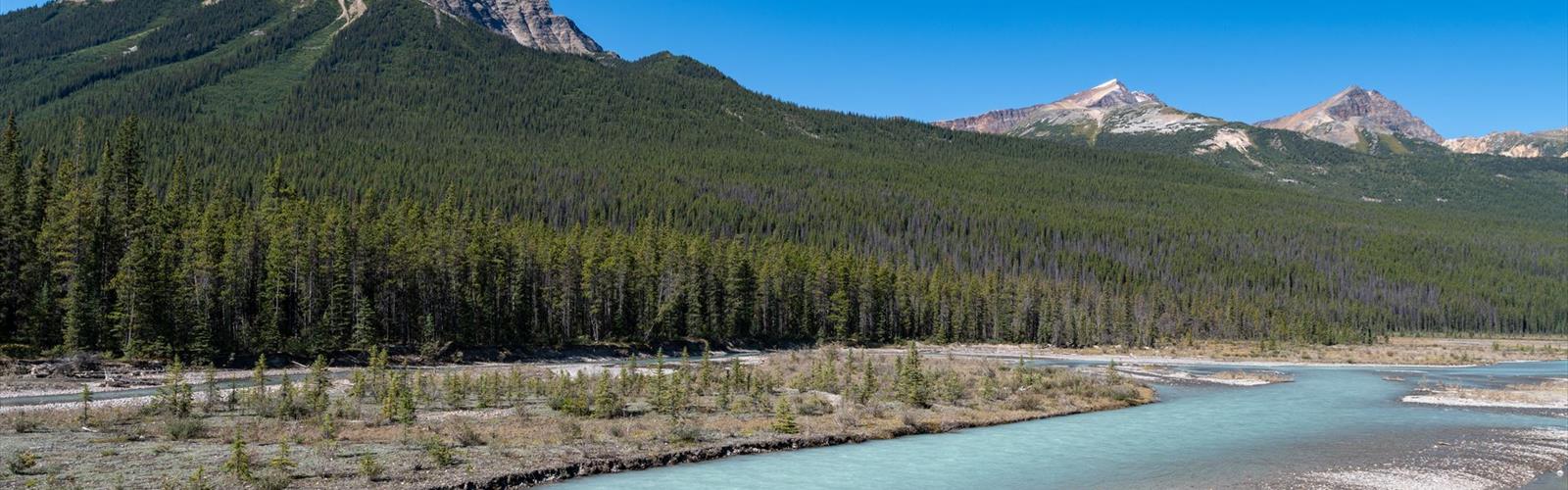
Ready to explore Gong Peak? Here's everything you need to know before you go!
Discover the trail
Oh no! We don't have any photos 😢
This trail hasn't been captured yet. Be the first to share your adventure!Trail description
Description
Gong Peak stands as one of the Canadian Rockies' most rewarding summit destinations, offering hikers a challenging yet accessible mountain experience in the heart of Alberta's wilderness. This prominent peak delivers the kind of sweeping alpine views that define the region, combining well-maintained trail systems with genuine mountain terrain that satisfies both seasoned hikers and ambitious newcomers ready to push their limits.
The 14-kilometer round trip to Gong Peak's summit involves 850 meters of elevation gain, typically requiring around 5 hours and 45 minutes for most hikers. What sets this destination apart is its perfect balance of challenge and accessibility—you'll experience real alpine conditions and earn spectacular panoramic views without needing technical climbing skills or specialized mountaineering equipment.
Trail Experience and Terrain
The primary route to Gong Peak follows the well-established Gong Ridge Trail, which showcases the incredible diversity of mountain ecosystems found throughout the Canadian Rockies. The trail begins in dense coniferous forest where towering spruce and fir trees create a cathedral-like canopy overhead. This initial section provides welcome shade during warmer months while the packed earth and root-crossed trail surface eases you into the rhythm of the ascent.
As you climb steadily through the forested lower sections, the trail surface transitions between packed dirt, rocky outcrops, and occasional root systems that require attention but nothing beyond what sturdy hiking boots can handle. The well-maintained trail markers keep navigation straightforward, allowing you to focus on the changing landscape rather than route-finding concerns.
The middle elevation sections open into expansive alpine meadows that transform dramatically with the seasons. These clearings provide your first substantial views of the surrounding peaks and valleys, creating natural rest stops where you can appreciate how much elevation you've gained. The contrast between the intimate forest environment and these open meadow spaces adds variety to the hiking experience and offers excellent photography opportunities.
The upper portions of the trail traverse increasingly rocky terrain as you approach the summit. These sections involve more scrambling over granite outcrops and navigating loose scree, but the route remains non-technical. The exposed nature of the upper mountain provides unobstructed views in all directions, with each switchback revealing new perspectives on the surrounding wilderness.
Multiple natural resting spots are strategically positioned along the route, making this an excellent choice for hikers who prefer to pace themselves and fully absorb the mountain environment. The trail's design accommodates different hiking styles, whether you're pushing for a fast summit attempt or planning a leisurely day exploring the alpine terrain.
Wildlife and Mountain Ecology
The diverse elevation zones along the Gong Peak trail support an impressive variety of wildlife adapted to mountain conditions. White-tailed deer and mule deer are frequently encountered in the forested sections, particularly during early morning hours when they move between feeding and resting areas. Their presence adds an element of wildlife observation that enhances the overall mountain experience.
The open meadows and rocky upper elevations provide ideal habitat for birds of prey, with golden eagles and red-tailed hawks commonly spotted soaring on thermal currents or perched on prominent rocky outcrops. These magnificent birds often provide aerial companionship during the final approach to the summit, adding drama to the alpine environment.
Black bear activity occurs throughout this region, making proper food storage and bear awareness essential components of trip planning. While encounters remain relatively uncommon due to the well-traveled nature of the main trail, hikers should maintain noise levels in dense forest sections and understand appropriate responses if bears are spotted at a distance.
The changing plant communities as you ascend illustrate the remarkable adaptations required for mountain survival. The transition from lush forest understory through wildflower-rich meadows to hardy alpine species near the summit demonstrates how dramatically growing conditions change over relatively short distances in mountain terrain.
Seasonal Conditions and Timing
While Gong Peak remains accessible year-round for experienced winter mountaineers, late spring through early fall provides the most reliable and enjoyable hiking conditions for most visitors. During these months, weather patterns tend toward greater stability, and the complete trail system typically remains clear of snow that could complicate navigation or create hazardous conditions.
Spring ascents reward hikers with spectacular wildflower displays throughout the meadow sections as mountain flora takes full advantage of snowmelt and increasing daylight hours. The vibrant colors create striking contrasts against the dramatic backdrop of surrounding peaks, offering some of the year's best opportunities for landscape photography.
Summer conditions provide the most predictable weather windows, though afternoon thunderstorms can develop rapidly in exposed mountain environments. Early morning starts are strongly recommended during peak summer months to avoid both trail congestion and the potential for weather-related complications during the exposed upper sections of the climb.
Fall hiking brings its own unique rewards as deciduous vegetation transitions through brilliant autumn colors. The contrast between golden aspen groves and deep green coniferous forests creates some of the most photogenic conditions of the entire year, though hikers must prepare for increasingly variable weather patterns as winter approaches.
Preparation and Safety Considerations
Proper preparation significantly impacts both safety and enjoyment on Gong Peak. Water requirements are substantial, particularly during warmer months when the exposed meadow and summit sections offer minimal shade. Carrying more water than initial estimates suggest is always wise in mountain environments where dehydration can quickly become serious.
Mountain weather conditions can change with remarkable speed, even during periods that appear stable at the trailhead. Layered clothing systems work most effectively, allowing adjustments for temperature variations as you gain elevation and as conditions evolve throughout the day. Quality rain gear should be considered essential equipment rather than optional backup.
Trail conditions vary seasonally and following significant weather events, so checking current information before departure helps avoid unpleasant surprises. Local ranger stations and online trail report resources provide the most current information about temporary closures, hazards, or unusual conditions that might affect your planned route.
Solo hikers should always inform reliable contacts about their planned route and expected return timeframe. While the main trails see regular traffic, mountain environments present inherent risks that are best managed through proper communication protocols and conservative planning approaches.
The combination of well-marked trails, diverse mountain terrain, and spectacular summit panoramas makes Gong Peak an outstanding destination for hikers ready to experience the natural beauty and physical challenge that define the Canadian Rockies' mountain wilderness.
Ready to go?
Everything you need to know before you goStarting Point
The gong peak trails are located in the Kananaskis Country area of Alberta. To get to the start of the trails, take Highway 40 south from Calgary and turn left onto the Smith-Dorrien Trail (Highway 742). The trailhead is located about 26 km from the turnoff.
When?
How much?
- Hiking shoes Essential
- Layered clothing Essential
- Rain jacket Essential
- Trekking poles
- Headlamp
FAQ - Frequently asked questions
Everything you need to knowThe Essential Hiking Checklist
Everything you need for your next hike. Bilingual, printable, 1 page.
Download the free checklistSimilar hikes nearby
Discover other trails you might enjoy
Fossil Mountain
Canadian Rockies
Snake Indian Mountain
Canadian Rockies
Mushroom Peak
Canadian Rockies
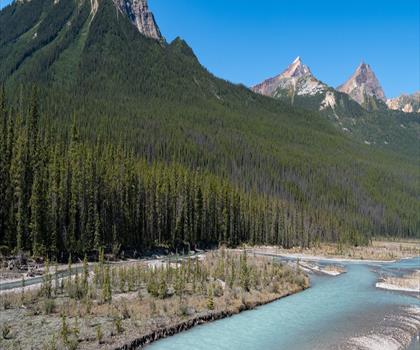
Mount Woolley
Canadian Rockies
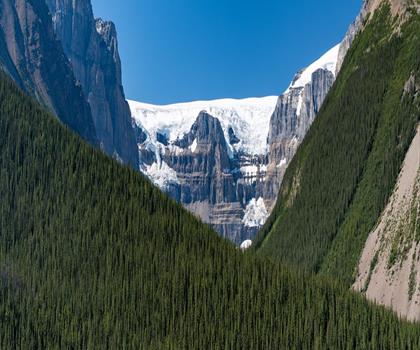
Stutfield Peak
Canadian Rockies
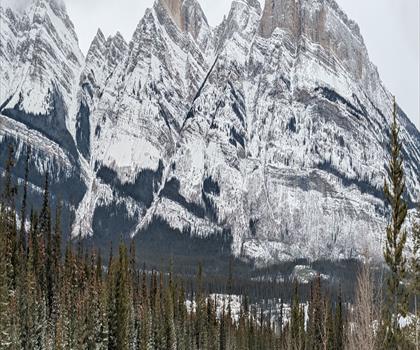
Mount Sarbach
Canadian Rockies
Hiking near Jasper
82 trails to explore ~70 km away
We work hard to provide the most up-to-date and error-free data possible. If something seems incorrect, let us know! Your contribution helps the whole community.
Hikers' opinions