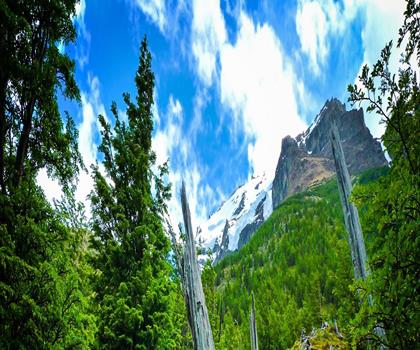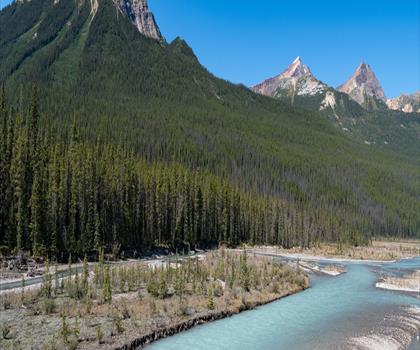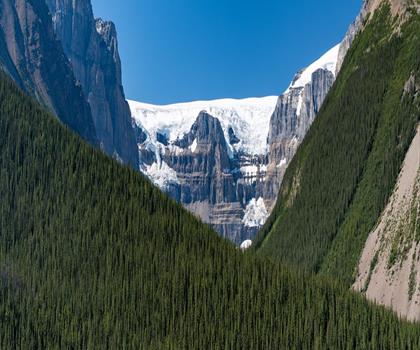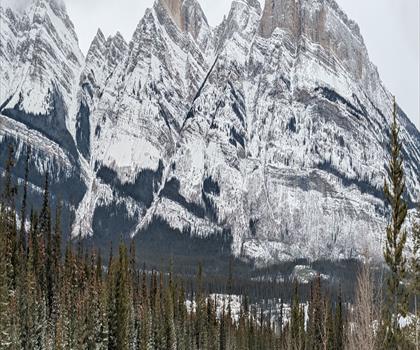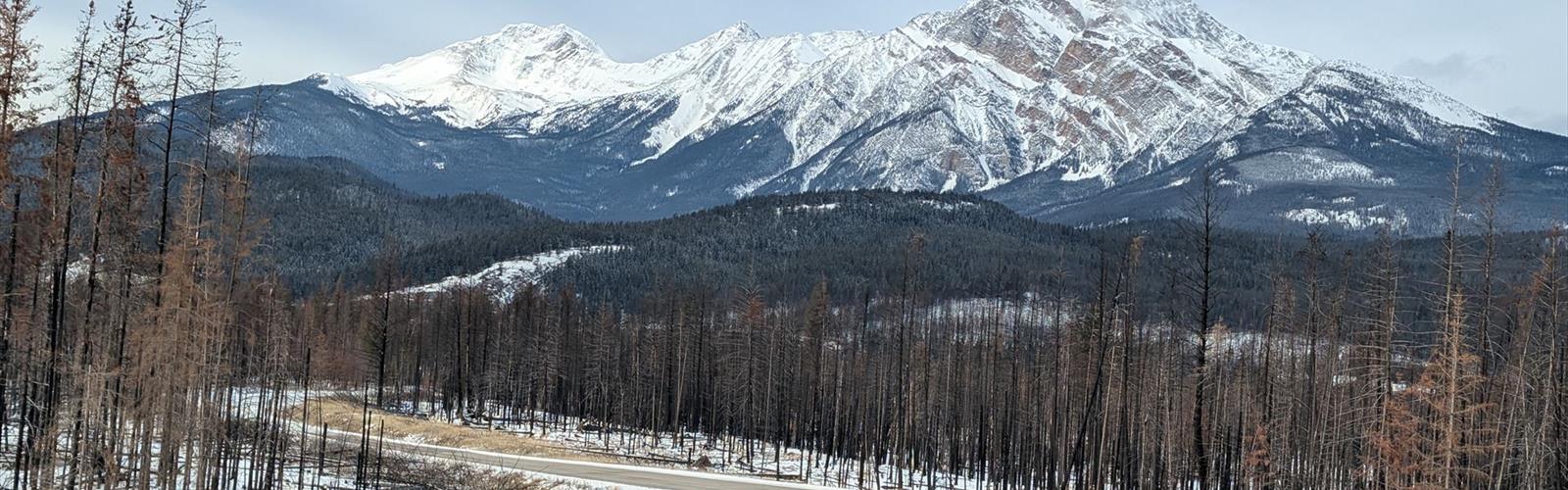
Hiking Grisette Mountain - panoramic view  tree outdoor landscape nature mountain sky autumn plant cloud background lake painting forest surrounded distance
--°C
Loading...
See forecast →

Hiking in Grisette Mountain: trails, map and practical info

Canadian Rockies • Alberta

3.0 Appreciated by 70 hikers
François Dumaine
By François DumaineContributor since 2013Updated 29/05/2026
Difficulty
Easy
Distance
1 km
Elevation
2,600 m
Duration
21 min

Tackle 2,600 m of elevation gain on this 1.4 km alpine ascent in Alberta's Kananaskis Country, where forest gives way to exposed ridgelines with commanding views across the Canadian Rockies. Easy difficulty belies the dramatic terrain transformation—expect 21 minutes of intense climbing through distinct ecosystems.

Recommended for :
Beginners

Ready to explore Grisette Mountain? Here's everything you need to know before you go!

Discover the trail
Oh no! We don't have any photos 😢

This trail hasn't been captured yet. Be the first to share your adventure!

Trail description

Description

Grisette Mountain stands as one of the Canadian Rockies' most accessible yet rewarding peaks, offering hikers an extraordinary journey through 2,600 meters of elevation gain across dramatically changing landscapes. Located in Alberta's mountain wilderness, this destination provides an authentic Rocky Mountain experience that showcases the region's incredible biodiversity and stunning alpine scenery.

The Hiking Experience

What makes Grisette Mountain truly special is how it delivers such dramatic elevation change over a relatively short 1.4-kilometer distance. This creates an incredibly steep but manageable ascent that takes you through multiple ecological zones in just 21 minutes of hiking time. The trail begins in dense montane forests where towering spruce and fir trees create a cathedral-like atmosphere, with soft forest floor giving way to increasingly rocky terrain as you climb.

The lower sections wind through old-growth forest where the trail surface alternates between packed earth and exposed roots that require careful footing. As you gain elevation quickly, the forest begins to thin and open into subalpine meadows that burst with wildflowers during the growing season. The transition happens remarkably fast due to the steep grade, making each turn in the trail reveal new scenery.

The upper reaches transform into classic alpine terrain with exposed rock faces and sweeping vistas that stretch across the Alberta Rockies. The panoramic views from higher elevations encompass wave after wave of mountain ridges, deep valleys carved by ancient glaciers, and on clear days, distant peaks that extend to the horizon. The rapid elevation gain means you'll experience this dramatic scenery change in a condensed timeframe that makes every step feel rewarding.

Wildlife and Natural Features

The mountain's compressed elevation zones create habitat for an impressive variety of wildlife within a small geographic area. In the lower forested sections, deer are common sightings as they pick their way through the underbrush, and elk frequently graze in the meadow openings, especially during early morning or late afternoon hikes. The possibility of bear encounters—both black bears and occasional grizzlies—means making noise on the trail and carrying bear spray is essential.

Birdwatchers will find the rapid habitat changes particularly rewarding. The dense forest sections host woodpeckers, nuthatches, and various songbirds, while the open meadows and alpine areas attract different species including raptors that soar on the mountain thermals. The variety of birds changes noticeably with elevation, and the short distance means you can observe multiple species in a single outing.

The plant communities shift just as dramatically as the wildlife. Moss-covered forest floors at lower elevations give way to hardy alpine plants that cling to life in the harsh conditions near the summit. This botanical diversity makes Grisette Mountain feel like several different hikes compressed into one intense mountain experience.

Trail Conditions and Terrain

The steep grade and significant elevation gain over such a short distance creates unique trail conditions that hikers should be prepared for. The lower elevation sections offer the most stable footing, with well-established paths through the forest that provide good traction even in wet conditions. However, the grade is noticeable from the very beginning, making this more demanding than typical forest walks.

As you climb higher, the trail becomes progressively more challenging with rocky sections that require scrambling skills and careful route-finding. The thin air at higher elevations will test your endurance despite the short distance, and the steep grade means your heart rate will climb quickly. The trail surface varies considerably from packed dirt paths in the forest to loose scree and exposed bedrock in the alpine zones.

Weather conditions can change rapidly at any elevation, but this is especially true once you climb above the treeline. The compressed nature of this hike means you might start in pleasant forest conditions and emerge into wind, rain, or even snow at the higher elevations within minutes. The short duration makes it easier to push through challenging weather, but proper preparation remains essential.

Planning Your Visit

Grisette Mountain offers excellent accessibility with ample parking available at the trailhead, making it convenient for both day trips and as part of longer explorations in the Canadian Rockies. The good road access means you can focus your energy on the actual hiking rather than getting to the trailhead, and parking rarely becomes an issue even during busy periods.

Given the rapid elevation gain and changing conditions, proper preparation is crucial despite the short distance. Layered clothing is your best strategy since you'll experience several different climate zones during your brief but intense climb. Start with moisture-wicking base layers, add insulating layers for the cooler upper elevations, and bring a waterproof shell for protection against wind and precipitation.

Sturdy hiking boots with excellent ankle support are non-negotiable for the steep, rocky sections you'll encounter in the upper reaches. Bring water even for this short hike—the combination of steep climbing and potentially dry mountain air means you'll need hydration despite the brief duration. The intensity of the climb makes proper footwear and hydration more important than the distance might suggest.

What Sets This Mountain Apart

Grisette Mountain's unique appeal lies in its ability to deliver a complete Rocky Mountain experience in an incredibly condensed format. Few places offer such dramatic elevation gain and ecosystem diversity over such a short distance, making it perfect for hikers who want maximum mountain experience with minimal time commitment.

The steep grade creates an almost vertical journey through the Canadian Rockies' ecological zones, from montane forest to alpine tundra in just over a kilometer. This makes it an excellent choice for photographers looking to capture diverse mountain landscapes without covering large distances, and for hikers who want to experience the full spectrum of Rocky Mountain environments in a single outing.

Preserving the Experience

The pristine nature of Grisette Mountain depends on every visitor minimizing their impact on these compressed ecosystems. The marked trail exists not just for safety but to protect the delicate plant communities that transition rapidly with elevation. Staying on the designated path prevents erosion and preserves the vegetation that wildlife depends on throughout these diverse elevation zones.

Pack out everything you bring in, and consider bringing an extra bag to carry out any litter left by previous visitors. The mountain's location in the Canadian Rockies means that trash becomes a permanent part of the landscape unless someone removes it, detracting from the wilderness experience that makes this place special.

Whether you're seeking an intense workout with spectacular payoff or want to experience the full diversity of Rocky Mountain ecosystems in minimal time, Grisette Mountain delivers an authentic Alberta wilderness experience that showcases the region's natural beauty in a uniquely concentrated format.

Ready to go?

Everything you need to know before you go

Where?

Address
Grisette Mountain, Alberta T0E 1E0, Canada
GPS coordinates
52.9449999, -117.93
Phone
Not available

Starting Point

The grisette mountain trails are located in the Kananaskis Country area of Alberta. To get to the start of the trails, take Highway 40 south from Calgary and turn left onto the Smith Dorrien Trail (Highway 742). The trailhead is located about 15 km down the road.

When?

Opening hours
From sunrise to sunset
Varies by season
Best season
Fall
Spectacular colors
Best time
Early morning
Less crowded
Weather (next days)
Loading

How much?

Entry fees
Adult
Not available
Child
What to bring?
Gear
  • Hiking shoes Essential
  • Layered clothing Essential
  • Rain jacket Essential
  • Trekking poles
  • Headlamp
Download the PDF checklist
Water & food
2L minimum
No water point on the trail
Bring energy snacks for a 4h+ hike
Good to know
Park rules
No dogs
Safety
Download the GPX before you go
Limited cellular coverage on the trail
Slippery after rain
Be careful on rocky sections
In an emergency
Emergency
911
Parking GPS
52.9449999, -117.93
Center
Not available

Hikers' opinions

3.0
52 Reviews
M
Marcus
Oct 15, 2025
Visited during peak fall season and was rewarded with stunning golden larch colors throughout the valley. The scrambling sections provided just the right level of technical challenge without being overwhelming. Wildlife encounters included several ptarmigan sightings and evidence of bear activity lower on the route. The summit cairn made an excellent vantage point for lunch on this calm day.
M
Marcus
Oct 15, 2025
Tackled this scramble during peak fall colors and the experience was absolutely stunning. The technical sections provided just the right amount of challenge without being overwhelming for someone with moderate experience. Wildlife was abundant throughout the lower sections, including several ptarmigan sightings and fresh bear tracks, so definitely recommend carrying bear spray and making plenty of noise.
L
Lisa
Oct 12, 2025
Late spring conditions revealed challenging snow patches that made route finding particularly tricky throughout the ascent. The exposure on the final ridge was more intimidating than anticipated, though the rock quality remained solid. Sunrise from the summit was absolutely magical, watching each peak light up sequentially across the range. Started at 4 AM to avoid crowds and afternoon weather systems.
M
Marcus
Sep 15, 2025
Visited during peak fall season and was rewarded with stunning golden larch colors throughout the valley. The scrambling sections provided enough technical challenge to keep things interesting without being overwhelming. Wildlife encounters included several ptarmigan sightings and evidence of bear activity lower on the route. The summit cairn made an excellent vantage point for lunch with panoramic views on clear days.
M
Marcus
Sep 15, 2025
Tackled this scramble during perfect autumn weather with stunning golden larches filling the valley below. The technical sections were challenging enough to keep things interesting without being overly intimidating. Wildlife was abundant - encountered several ptarmigan and noticed fresh bear tracks on the lower sections, so definitely carried bear spray and made plenty of noise throughout the ascent.

FAQ - Frequently asked questions

Everything you need to know
Easy
2600.00 M
21 min
No
No
Yes, Grisette Mountain is a very challenging hike with 2600m of elevation gain, making it suitable only for experienced hikers. The steep terrain and significant altitude gain require excellent physical fitness and mountaineering skills. Proper preparation with alpine gear and early start times are essential for safety.
Grisette Mountain typically takes 10-14 hours to complete for experienced hikers due to the massive 2600m elevation gain. The actual time varies significantly based on weather conditions, route chosen, and individual fitness level. Most hikers start before dawn to ensure they can complete the hike safely before sunset.
Yes, Grisette Mountain offers spectacular panoramic views of the Canadian Rockies that reward the challenging climb. The summit provides breathtaking vistas of surrounding peaks, glaciers, and alpine valleys. However, only attempt this hike if you're an experienced mountaineer prepared for the technical difficulty.
The best season for Grisette Mountain is typically July through September when snow conditions are most favorable. Late summer offers the most stable weather and clearest trail conditions for this high-altitude climb. Always check current avalanche and weather conditions before attempting this challenging peak.
No, Grisette Mountain is absolutely not suitable for children due to its extreme difficulty and 2600m elevation gain. This is a serious mountaineering objective that requires advanced hiking experience and technical skills. Families should consider easier trails in Kananaskis Country instead.
Didn't find your answer?
Free 1 pages

The Essential Hiking Checklist

Everything you need for your next hike. Bilingual, printable, 1 page.

Download the free checklist
Top 10 best hiking in Canadian Rockies
Our ranking based on hiker reviews

Hiking near Jasper

82 trails to explore ~13 km away

View trails
Did you spot an error?

We work hard to provide the most up-to-date and error-free data possible. If something seems incorrect, let us know!

Update : June 2026