
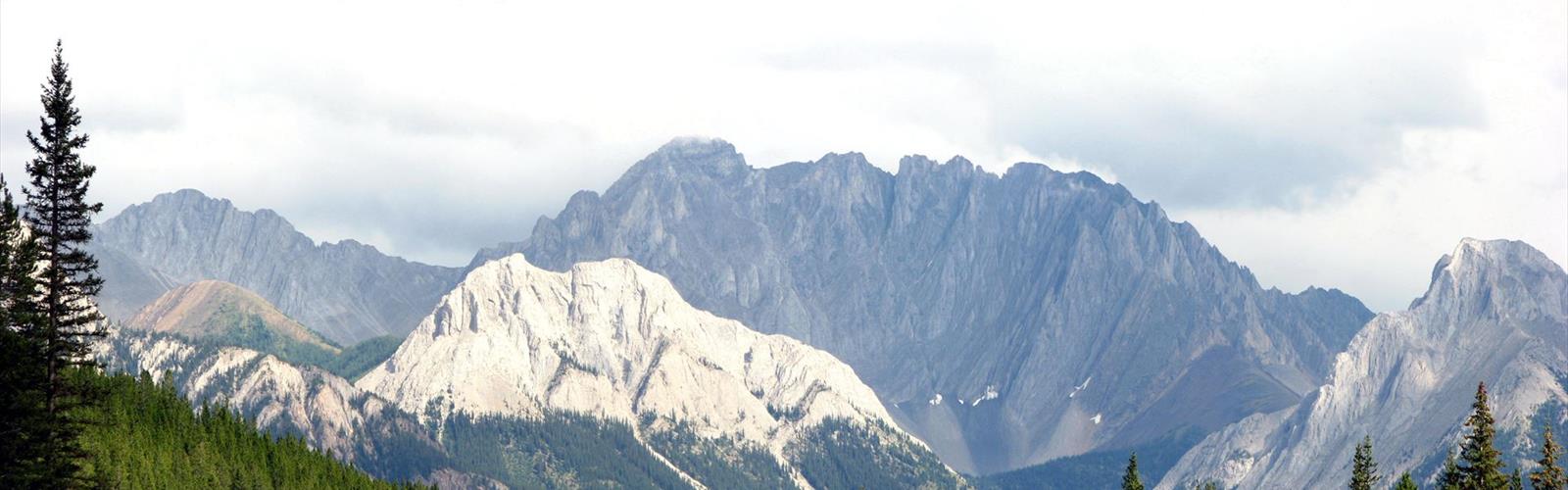

Ready to explore Headwall Lakes? Here's everything you need to know before you go!
Discover the trail
Trail description
Headwall Lakes is one of those alpine destinations in the Canadian Rockies that earns its reputation the moment you crest that final rise and the lakes come into view. Tucked into a dramatic cirque in Alberta, the spot delivers everything you'd hope for from a Rocky Mountain hike — turquoise water, a towering cliff face rising straight from the shoreline, and the kind of silence that only exists well above the treeline.
Getting There
The trailhead is accessible from the Smith-Dorrien Trail (Highway 742), which connects Canmore and Kananaskis Village. The road is well-traveled and the trailhead is straightforward to find. From there, the route covers 5 kilometers with 600 meters of elevation gain — numbers that might look modest on paper but add up to a genuinely engaging climb that keeps you working the whole way up.
What the Trail Is Actually Like
The lower section moves through dense montane forest — spruce and fir mostly — where the trail is well-established and the footing is generally solid. Expect some root networks and the occasional rocky patch, but nothing that requires scrambling or special technique. Small streams cross the route in a few places, which makes for pleasant trail sounds and potential water refill spots if you're carrying a filter.
As you gain elevation, the forest starts to thin and the character of the hike shifts noticeably. The grade picks up, the views start opening up between the trees, and you get your first real sense of the terrain ahead. This middle section is where you'll feel the 600 meters of gain most directly — it's steady, sustained climbing rather than anything technical, but it's not a casual stroll either.
The upper section involves some loose scree and boulder fields before you reach the lakes. The trail stays visible, but you'll need to pay attention to your footing and pick your line through the rockier stretches. Sturdy hiking boots with ankle support make a real difference here. The estimated time of 1 hour 20 minutes reflects a solid pace — factor in extra time if you're stopping for photos or taking it easy on the scree.
The Lakes
Headwall Lakes is made up of several interconnected alpine tarns sitting in a cirque beneath a massive cliff face. The headwall itself rises nearly vertically from the water's edge, which creates a striking visual that explains the name immediately. The water is exceptionally clear — you can see straight to the rocky bottom even in the deeper sections — and on calm days the surface mirrors the surrounding peaks cleanly.
The terrain around the lakes is classic high alpine: scattered boulders, hardy low-growing plants, and patches of snow that can linger in shadowed areas well into summer. It's a compact, contained landscape that rewards slow exploration rather than rushing through.
Wildlife
Mountain goats are a regular presence on the steep slopes above the lakes — their white coats make them easy to spot against the dark rock. Marmots are common in the boulder fields and will usually announce your arrival with a sharp whistle before you even see them. Pikas are worth watching for as well, darting between rocks and collecting vegetation. Golden eagles occasionally pass overhead, especially in the upper alpine sections.
Bear spray is standard equipment in this part of Alberta. Both black bears and grizzlies use this terrain, so make noise when moving through the forested lower sections and stay aware throughout the hike.
When to Go
Late spring through early fall is the reliable window, with July and August offering the warmest conditions and the most dependable trail access. The upper sections can hold snow well into June depending on the year, so early-season trips may require some route-finding through snowpack. Early fall brings fewer people and the chance of autumn color in the lower forest, which can make for excellent conditions if the weather cooperates.
Winter travel on this route carries serious avalanche risk in the upper sections and is not recommended without specialized training and equipment.
What to Bring
- Footwear: Sturdy hiking boots with ankle support — non-negotiable for the scree and boulder sections near the lakes.
- Water: Carry more than you think you need. Reliable sources thin out as you leave the lower forest, and the elevation gain increases how much you'll drink.
- Layers: Mountain weather shifts fast. A warm mid-layer and a waterproof shell belong in your pack even on clear mornings — afternoon thunderstorms are common above treeline.
- Bear spray: Carry it accessible, not buried in your pack.
- Navigation: A map or GPS helps in the upper alpine sections where the route is less defined.
- Food: Pack more than you'd bring for a comparable distance at lower elevation — the combination of altitude and sustained climbing burns through energy quickly.
Leave No Trace
The alpine environment around Headwall Lakes recovers slowly from disturbance. Stick to established trails, avoid stepping on vegetation around the lake margins, and pack out everything you bring in — including small wrappers that can catch the wind easily at elevation. Keep a respectful distance from wildlife and never feed animals, including the marmots and pikas that seem approachable around the boulder fields.
The Essential Hiking Checklist
Everything you need for your next hike. Bilingual, printable, 1 page.
Get your free hiking checklistRecommended gear for this trail
As an Amazon Associate I earn from qualifying purchases.


Ready to go?
Everything you need to know before you goStarting Point
The headwall lakes are located in the Kananaskis Country of Alberta. To get to the start of the trails, take the Trans-Canada Highway to the exit for Kananaskis Country. Follow the signs to Nakiska Ski Resort. The trailhead is located at the end of the road near the ski resort.
When?
How much?
As an Amazon Associate I earn from qualifying purchases.
Affiliate links — LGPO may earn a commission at no extra cost to you.
- Hiking shoes Essential
- → Salomon Elixir Tour Mid WP · 203.38 $
- Layered clothing Essential
- Rain jacket Essential
- Trekking poles
- → Black Diamond Trail Ergo Cork · 69.99 $
- Headlamp
- → Petzl Actik Core 625 · 103.95 $
FAQ - Frequently asked questions
Everything you need to knowSimilar hikes nearby
Discover other trails you might enjoy
Fossil Mountain
Canadian Rockies

Snake Indian Mountain
Canadian Rockies
Mushroom Peak
Canadian Rockies
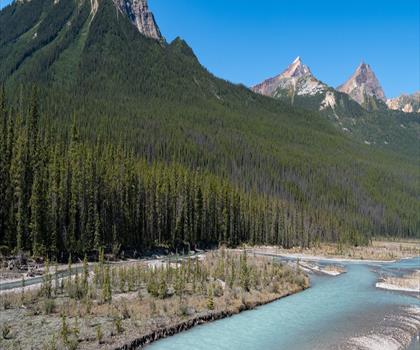
Mount Woolley
Canadian Rockies
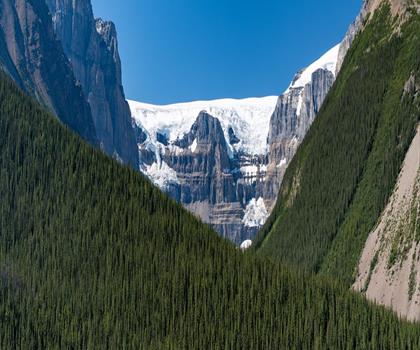
Stutfield Peak
Canadian Rockies
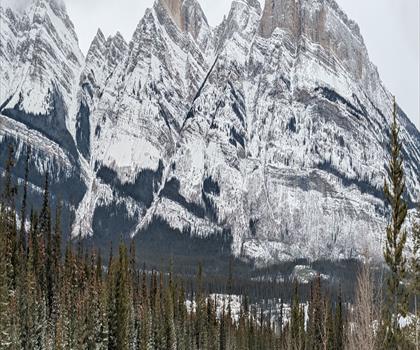
Mount Sarbach
Canadian Rockies
Hiking near Canmore
200 trails to explore ~32 km away
We work hard to provide the most up-to-date and error-free data possible. If something seems incorrect, let us know! Your contribution helps the whole community.
Hikers' opinions
Be the first to review!
No hiker has shared their experience yet. Share your impressions and help other hikers!