
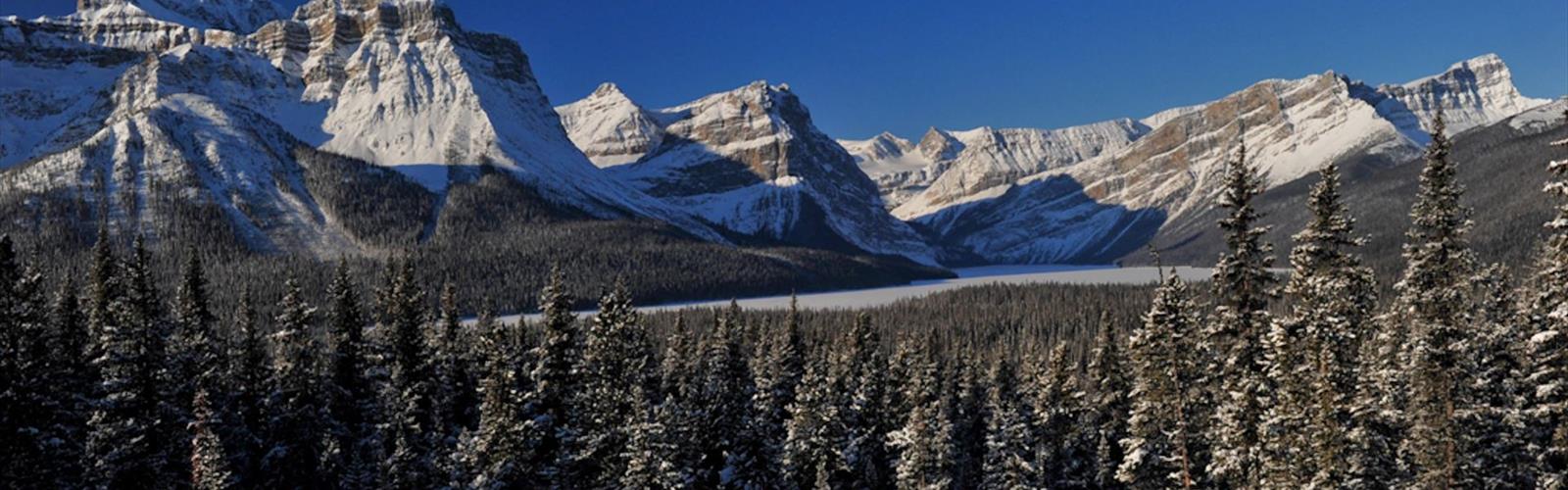

Ready to explore Hector Lake? Here's everything you need to know before you go!
Discover the trail
Trail description
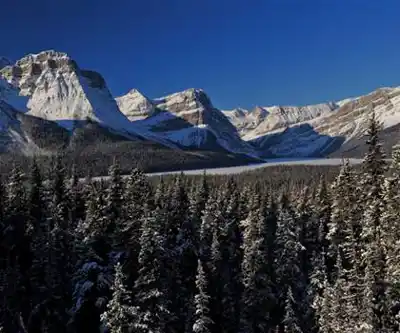
Hector Lake is one of those places along the Icefields Parkway that stops you in your tracks — a massive glacial lake tucked into a valley surrounded by some of the most dramatic peaks in Banff National Park. At 5.23 square kilometers, it's a substantial body of water, and the relatively short hike to reach its shores makes it one of the more rewarding effort-to-payoff ratios in the Canadian Rockies.
The lake was named after James Hector, the geologist and naturalist who explored this region with the Palliser Expedition in the mid-1800s. That history adds a layer of context to what you're looking at: a landscape that has been drawing explorers and scientists for well over a century, and for good reason. Pulpit Peak, Mount Balfour, Crowfoot Mountain, and Bow Peak form a natural amphitheater around the lake, while Hector Glacier — tumbling down from Mount Hector across the Bow River — provides a constantly shifting backdrop depending on the light and time of day.
The Trail
The hike to Hector Lake covers 8.5 kilometers with 200 meters of elevation gain, rated easy and typically completed in around 2 hours and 15 minutes. The elevation gain is spread out gradually, which keeps the trail accessible for most fitness levels without feeling like a flat walk. You'll earn the destination without suffering for it.
The trail starts in dense subalpine forest — Engelmann spruce and subalpine fir overhead, shrubs and wildflowers filling in the understory. The canopy creates a sheltered, almost cathedral-like feel in the early sections. As you move further along, the forest opens up into meadows where the surrounding peaks start revealing themselves. These open stretches are where you'll want to slow down, especially during July and August when the wildflower bloom is at its peak.
The trail surface is mostly well-packed earth with occasional rocky stretches. Near the lake, expect some boggy sections that can get muddy during spring snowmelt or after heavy rain — waterproof footwear is worth considering if you're visiting early in the season.
At the Lake
Hector Lake's glacial-fed waters hold that deep, cold blue that's characteristic of the Rockies' best lakes. The lake sits in the Waputik Range valley, positioned north of the Waputik Icefield, and its size means you can move along the shoreline and find genuinely different perspectives — the view shifts as you explore. It's not a single-angle destination.
As the second lake from the headwaters of the Bow River after Bow Lake, Hector Lake is part of a major watershed system that shapes much of this region. The water stays cold throughout the season — swimming is possible for those inclined, but most visitors are content to take in the scenery from shore or explore by canoe or kayak, which lets you get into the quieter bays and inlets that aren't visible from the main access points.
Wildlife
The meadows and forest edges around Hector Lake are productive wildlife habitat. Elk are a regular presence, particularly during early morning and evening. White-tailed and mule deer are common and often unbothered by hikers moving quietly. Both black bears and grizzlies use this area, so standard bear country protocols apply — carry bear spray, make noise on the trail, and store food properly.
The lake itself attracts bald eagles and ospreys, with the latter frequently spotted hunting over the water. The surrounding forest supports a solid variety of smaller birds, including mountain chickadees and gray jays. Late summer brings huckleberries and other mountain berries into season, which draws additional wildlife activity to the area.
Seasonal Conditions
The hiking season at Hector Lake generally runs from late June through early October. Early season visits can mean lingering snow in shaded sections and ice along the lake's edges into early July — conditions that make for striking photos but require appropriate footwear and layering. The boggy sections near the lake are at their worst during this period.
Mid-summer offers the most reliable conditions: warm days, peak wildflower bloom in the meadows, and the full range of water activities on the lake. Fall shifts the mood considerably — the willows and mountain ash turn yellow and orange, morning mist sits over the water, and the cooler temperatures thin out the crowds significantly.
Camping and Extended Visits
Hector Lake works well as a backcountry camping destination for those wanting more than a day trip. The lake's perimeter offers enough varied terrain to keep multi-day visitors engaged. Backcountry permits from Parks Canada are required, and Leave No Trace principles apply throughout.
Fishing is possible in the lake's cold, clear waters, with native trout present. The glacial conditions keep fish populations naturally limited, so patience and realistic expectations are part of the experience.
What makes Hector Lake stand out among the Icefields Parkway's well-known destinations — Bow Lake, Peyto Lake, Waterfowl Lakes, Mistaya Lake — is the combination of genuine wilderness character and reasonable accessibility. The 8.5-kilometer trail keeps it from feeling like a roadside stop, while the lake's scale and the surrounding peaks deliver the kind of scenery that justifies the drive up the Parkway in the first place.
The Essential Hiking Checklist
Everything you need for your next hike. Bilingual, printable, 1 page.
Get your free hiking checklistRecommended gear for this trail
As an Amazon Associate I earn from qualifying purchases.


Ready to go?
Everything you need to know before you goStarting Point
The hector lake trails are located in the hector lake Provincial Park, which is about an hour and a half drive from Calgary. To get to the park, take Highway 22 east out of Calgary, then turn north onto Highway 9. The park is located about 15 km north of High River.
When?
How much?
As an Amazon Associate I earn from qualifying purchases.
Affiliate links — LGPO may earn a commission at no extra cost to you.
- Hiking shoes Essential
- → Salomon Elixir Tour Mid WP · 203.38 $
- Layered clothing Essential
- Rain jacket Essential
- Trekking poles
- → Black Diamond Trail Ergo Cork · 69.99 $
- Headlamp
- → Petzl Actik Core 625 · 103.95 $
FAQ - Frequently asked questions
Everything you need to knowSimilar hikes nearby
Discover other trails you might enjoy
Fossil Mountain
Canadian Rockies

Snake Indian Mountain
Canadian Rockies
Mushroom Peak
Canadian Rockies
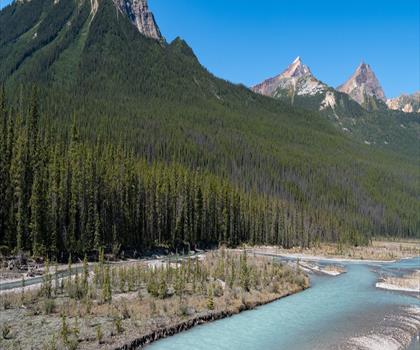
Mount Woolley
Canadian Rockies
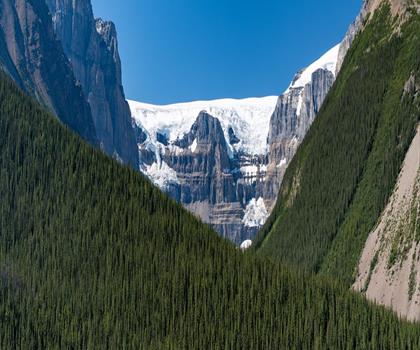
Stutfield Peak
Canadian Rockies
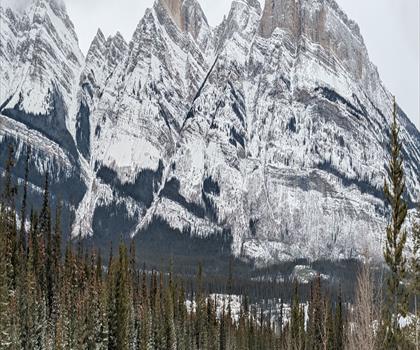
Mount Sarbach
Canadian Rockies
Hiking near Banff
187 trails to explore ~72 km away
We work hard to provide the most up-to-date and error-free data possible. If something seems incorrect, let us know! Your contribution helps the whole community.
Hikers' opinions
Be the first to review!
No hiker has shared their experience yet. Share your impressions and help other hikers!