


Ready to explore Hummingbird Falls? Here's everything you need to know before you go!
Discover the trail

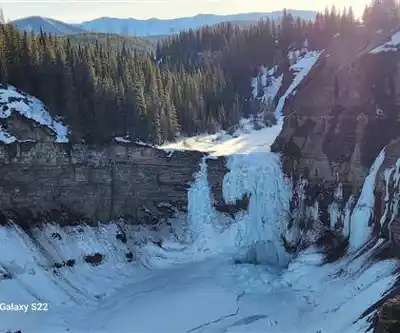
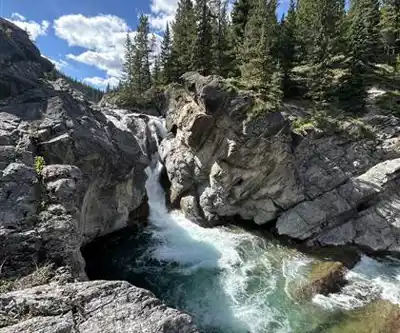
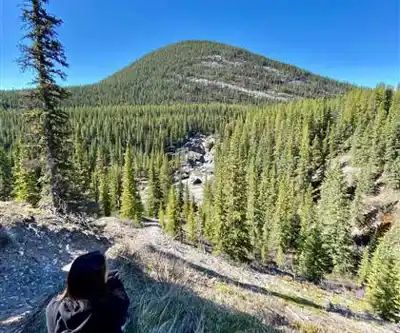
Photos: Natasha Scheller — Google Maps (Google Maps) David Verhoef — Google Maps (Google Maps) Julie Dobson — Google Maps (Google Maps) Jasmin Jose — Google Maps (Google Maps)
Trail description
Description
Hummingbird Falls sits tucked away in the Canadian Rockies, offering hikers a perfect blend of accessible adventure and genuine wilderness beauty. This waterfall destination has earned its reputation as a reliable choice for anyone looking to experience the Rockies without committing to an epic backcountry expedition.
The Trail to Hummingbird Falls
The 5-kilometer round trip hike strikes that sweet spot between too easy and too demanding. You'll start on a well-maintained path that winds through dense stands of towering evergreens—primarily spruce and fir that create a natural canopy overhead. The trail designers clearly knew what they were doing here, as the route maintains a steady but manageable grade that won't leave most hikers gasping for air.
What makes this hike particularly appealing is its suitability for different skill levels. Families with kids who can handle a moderate walk will find the distance reasonable, while solo hikers seeking solitude can appreciate the trail's ability to thin out crowds as you progress deeper into the forest. The path itself is wide enough in most sections to walk comfortably, though you'll encounter some narrower stretches where tree roots and rocks require a bit more attention to foot placement.
As you make your way along the trail, the soundscape shifts from any residual parking area noise to the authentic sounds of the forest. You'll hear the gentle rustle of leaves responding to mountain breezes, punctuated by the distant calls of birds that thrive in this pristine environment. The acoustic transition alone signals that you're entering genuine wilderness territory.
Wildlife and Flora Along the Route
The diversity of life along this trail adds layers of interest to your hike. Vibrant wildflowers dot the forest floor and occasional clearings, with species that change throughout the hiking season. Spring brings early bloomers that take advantage of snowmelt, while summer offers a broader palette of colors and varieties.
Wildlife sightings are common enough to keep things interesting but not so predictable that they lose their magic. The diverse ecosystem here supports various species that call this pristine environment home, so keeping your eyes open and moving quietly increases your chances of spotting something memorable. The forest provides excellent habitat for creatures both large and small, making each hike potentially different from the last.
The Waterfall Experience
Reaching Hummingbird Falls delivers on the promise that drew you here in the first place. The waterfall cascades gracefully over rugged rocks, creating a multi-tiered display that changes character depending on seasonal water levels and recent precipitation. The water collects in a crystal-clear pool below, forming a natural amphitheater where the sound of falling water creates an immediate sense of arrival and accomplishment.
The setting around the falls provides multiple vantage points for taking in the scene. You can position yourself close enough to feel the mist on your face or step back to appreciate the full context of how the waterfall fits into the surrounding landscape. The rocks around the pool offer natural seating where you can rest, have a snack, and let the peaceful ambiance work its magic.
This spot excels as a destination rather than just a waypoint. The combination of visual beauty, soothing sounds, and fresh mountain air creates an environment where you'll want to linger rather than snap a quick photo and head back. Many hikers find themselves staying longer than planned, which speaks to the falls' ability to provide that sense of natural connection that draws people to the mountains in the first place.
Seasonal Considerations and Timing
Late spring through early fall represents the optimal window for hiking to Hummingbird Falls. This timing aligns with when trail conditions are most reliable and the waterfall typically flows at its most impressive levels. Spring visits often coincide with peak snowmelt, which can make the falls particularly dramatic but may also mean dealing with muddier trail conditions and potentially some remaining snow patches at higher elevations.
Summer offers the most predictable conditions, with dry trails and warm weather that makes the cool mist from the falls especially refreshing. Early fall can provide excellent hiking conditions with the added bonus of changing foliage, though you'll want to check local conditions as mountain weather can shift quickly as the season progresses.
Practical Preparation
Comfortable hiking shoes form the foundation of a good experience here. While you won't need mountaineering boots, shoes with decent tread and ankle support will handle the varied terrain much better than casual sneakers. The trail includes sections with rocks, roots, and potentially wet spots, so footwear that can grip and protect your feet makes a significant difference in both safety and comfort.
Bringing plenty of water ranks as essential, especially during warmer months when the combination of physical exertion and mountain sun can lead to dehydration faster than many people expect. Pack more than you think you'll need—having extra water never hurt anyone, but running short can turn a pleasant hike into an uncomfortable slog.
Snacks or a light lunch enhance the experience by giving you fuel for the hike and something to enjoy during your time at the falls. The natural seating around the waterfall creates an ideal spot for a trail meal with a view that beats any restaurant.
A camera or phone for photos makes sense given the scenic opportunities, but consider how you'll protect your device from moisture near the falls and potential impacts if you're scrambling around the rocks for different angles.
The Leave No Trace principle applies especially strongly in pristine environments like this one. Packing out everything you bring in helps preserve the natural treasure that makes Hummingbird Falls worth visiting. This includes obvious items like food wrappers and water bottles, but also organic waste like apple cores or banana peels that don't belong in this ecosystem.
Recommended gear for this trail


Ready to go?
Everything you need to know before you goStarting Point
The hummingbird falls are located in the Kananaskis Country of Alberta. To get to the start of the trails, take the Trans-Canada Highway 1 west to the exit for Kananaskis Country. Take the Kananaskis Trail south and follow it until you reach the signed turnoff for the hummingbird falls.
When?
How much?
- Hiking shoes Essential
- → Salomon Elixir Tour Mid WP · 203.38 $
- Layered clothing Essential
- Rain jacket Essential
- Trekking poles
- → Black Diamond Trail Ergo Cork · 69.99 $
- Headlamp
- → Petzl Actik Core 625 · 103.95 $
FAQ - Frequently asked questions
Everything you need to know
25 hikes under 2 hours from Montreal
Distance, elevation, parking and season for each one. The ones we go back to ourselves.
Get the guideSimilar hikes nearby
Discover other trails you might enjoy

Fossil Mountain
Canadian Rockies
Snake Indian Mountain
Canadian Rockies
Mushroom Peak
Canadian Rockies
Mount Woolley
Canadian Rockies
Stutfield Peak
Canadian Rockies
Mount Sarbach
Canadian Rockies
Hiking near Banff
187 trails to explore ~104 km away
We work hard to provide the most up-to-date and error-free data possible. If something seems incorrect, let us know! Your contribution helps the whole community.
Hikers' opinions