

Ready to explore Johnston Canyon? Here's everything you need to know before you go!
Discover the trail
Available trails
| TrailTrails | Dist.Distance | GainElevation | TimeDuration | Difficulty | GPX |
|---|---|---|---|---|---|
|
|
4.57 km | — | 1h | GPX |
GPX track: Parks Canada — Open Government Licence – Canada
Trail description
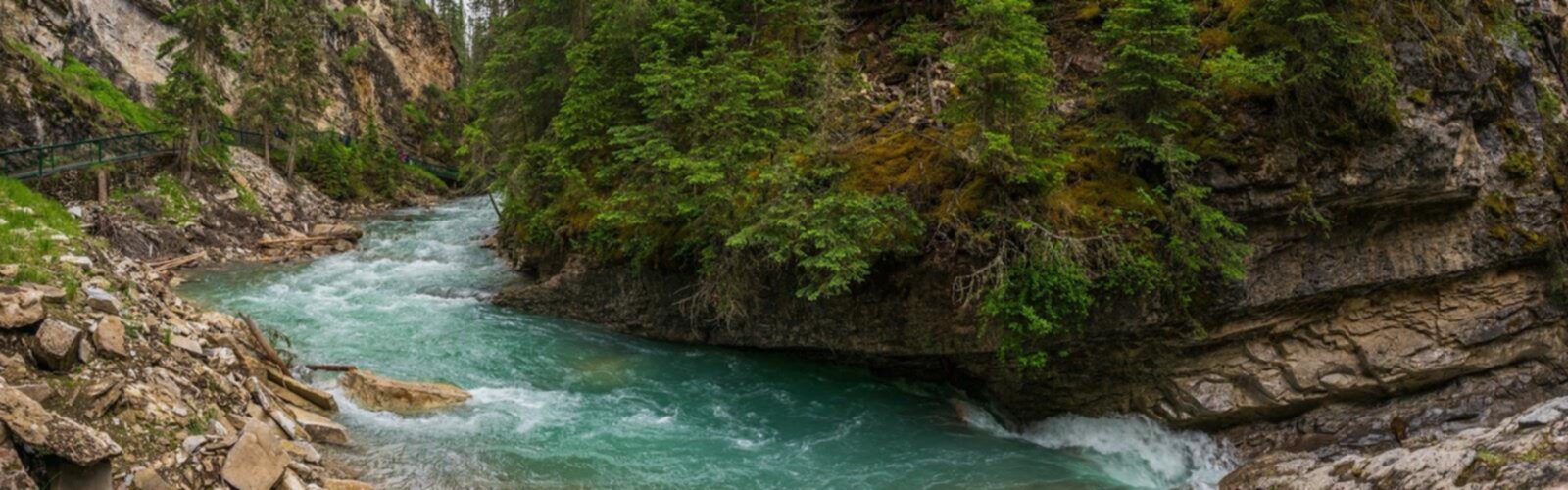
Johnston Canyon stands as one of the Canadian Rockies' most accessible and rewarding hiking destinations, carved deep into the limestone landscape just 25 kilometers northwest of Banff. This dramatic gorge showcases the raw power of water erosion, where Johnston Creek has spent millennia cutting through bedrock to create towering canyon walls, thundering waterfalls, and a series of remarkable mineral springs that draw visitors from around the world.
The canyon's unique geography creates a microclimate that supports diverse plant life and provides shelter for wildlife, while its well-engineered trail system makes these natural wonders accessible to hikers of virtually every ability level. What sets Johnston Canyon apart from other Rockies destinations is how it delivers spectacular scenery with relatively modest physical demands, making it an ideal introduction to mountain hiking for families while still offering enough variety to satisfy experienced adventurers seeking the full journey to the Ink Pots.
Trail System and What to Expect
The main Johnston Canyon trail follows a carefully constructed pathway that hugs the canyon walls, featuring a series of metal catwalks and wooden boardwalks that provide safe passage over the rushing creek below. The engineering is impressive—these walkways are bolted directly into the limestone cliffs, allowing hikers to experience perspectives that would otherwise be impossible or extremely dangerous to reach.
The journey to the Lower Falls covers about 1.1 kilometers each way along relatively flat terrain, making it suitable for young children and those with mobility considerations. Here, Johnston Creek plunges through a narrow limestone slot, creating a powerful cascade that you can view from multiple angles thanks to the trail's clever routing behind the waterfall itself. The sound is incredible as water crashes against rock in the enclosed space, and the mist provides natural air conditioning during warmer months.
Continuing to the Upper Falls extends your hike to approximately 2.7 kilometers each way—still manageable for most fitness levels with only moderate elevation gain. The Upper Falls present a more dramatic spectacle, where the creek drops through a thunderous display framed by towering canyon walls. The trail to this point maintains excellent footing and clear signage, though it does involve some steady uphill sections and occasional steps carved into the rock.
For those seeking the complete Johnston Canyon experience, the trail continues beyond the Upper Falls toward the Ink Pots, transforming what starts as an easy family hike into a more substantial mountain adventure. This extension takes you from the enclosed canyon environment into an open subalpine meadow where seven cold-water mineral springs bubble up from underground, creating pools of striking blue-green water. The contrast between the intimate canyon setting and the expansive mountain meadow makes this extension particularly rewarding, though it does require crossing several small creek beds and navigating some uneven terrain through dense forest.
The Terrain Experience
What makes Johnston Canyon unique is how the trail experience evolves as you progress deeper into the mountains. The initial canyon section feels almost urban in its accessibility—wide pathways, sturdy railings, and engineered walkways that keep your feet dry while providing front-row seats to the geological drama unfolding around you. The limestone walls tower overhead, creating a sense of being inside the mountain rather than simply walking through forest.
As you climb toward the Upper Falls, the trail becomes more traditionally mountain-like while remaining well-maintained. You'll navigate natural rock steps, cross small wooden bridges, and experience the satisfying rhythm of steady uphill progress. The forest canopy opens and closes, providing alternating views of the surrounding peaks and intimate moments within the old-growth spruce and fir forest.
The extension to the Ink Pots represents a complete shift in hiking character. Here you leave the protected canyon environment and enter true wilderness terrain. The trail becomes narrower and less defined in places, requiring basic route-finding skills and comfort with uneven footing. Creek crossings add an element of adventure, particularly during high water periods when careful rock-hopping becomes necessary.
Seasonal Experiences and Conditions
Johnston Canyon offers distinctly different experiences throughout the year, each with its own appeal and considerations. During summer months, the trail comes alive with lush vegetation clinging to the canyon walls, while wildflowers add splashes of color to the surrounding forest. The waterfalls run at full volume from snowmelt, creating impressive displays and cooling mist that provides welcome relief on warm days.
Winter transforms Johnston Canyon into something entirely different—a frozen wonderland where the waterfalls become massive ice formations and the creek creates intricate ice sculptures throughout the gorge. The catwalks and boardwalks remain open, but ice cleats or microspikes become essential equipment for safe travel. Many visitors join guided ice walk tours during winter months, which provide both safety equipment and expert interpretation of the canyon's winter ecology.
Spring and fall offer their own rewards, with fewer crowds and unique lighting conditions that enhance photography opportunities. Spring brings the excitement of ice breakup and increasing water flow, while fall delivers brilliant foliage colors that contrast beautifully with the limestone canyon walls. These shoulder seasons often provide the most peaceful hiking experience, when you can hear the subtle sounds of the forest between the rush of waterfalls.
Wildlife and Natural Features
The canyon's sheltered environment and diverse habitats support a variety of wildlife that hikers frequently encounter. Clark's nutcrackers are common residents, their raucous calls often echoing off the canyon walls as they work to cache pine seeds for winter. Gray jays, mountain chickadees, and various woodpecker species also inhabit the area, making it an excellent destination for bird watching.
Larger mammals including white-tailed deer, elk, and occasionally black bears use the canyon corridor, particularly during early morning and evening hours. While wildlife encounters add excitement to any hike, maintaining appropriate distances and following Leave No Trace principles ensures both visitor safety and animal welfare.
The limestone geology creates fascinating features beyond the obvious waterfalls and springs. Fossil enthusiasts often spot ancient marine organisms embedded in the canyon walls, remnants of the tropical sea that covered this region millions of years ago. The Ink Pots themselves represent a unique geological phenomenon—these springs maintain constant temperatures year-round due to their underground sources, creating habitat for specialized plant and microbial communities that give the pools their distinctive coloration.
Access and Practical Considerations
Johnston Canyon is reached via the scenic Bow Valley Parkway, which offers a more leisurely alternative to the Trans-Canada Highway. The dedicated parking area provides direct trail access, though spaces fill quickly during peak summer months and weekends. Arriving early in the morning or choosing weekday visits significantly improves your chances of finding parking and enjoying a less crowded experience.
The trail's popularity means you'll rarely hike alone, which provides both social opportunities and additional safety through numbers. However, this also means the experience feels less wilderness-like than more remote Rockies destinations. The trade-off is excellent trail maintenance, clear signage, and emergency access if needed.
Families will find Johnston Canyon particularly welcoming, as the well-maintained trail surface and safety railings make it suitable for children who are comfortable with moderate distances. The dramatic scenery holds young hikers' attention, while the relatively short distances to major features prevent the journey from becoming overwhelming for smaller legs.
The Essential Hiking Checklist
Everything you need for your next hike. Bilingual, printable, 1 page.
Get your free hiking checklistRecommended gear for this trail
As an Amazon Associate I earn from qualifying purchases.


Ready to go?
Everything you need to know before you goStarting Point
The johnston canyon trailhead is located in Banff National Park, Alberta. To get there, take the Trans-Canada Highway (Hwy 1) west from Calgary and turn off at the exit for Banff National Park. Follow the signs to johnston canyon.
When?
How much?
As an Amazon Associate I earn from qualifying purchases.
Affiliate links — LGPO may earn a commission at no extra cost to you.
- Hiking shoes Essential
- → Salomon Elixir Tour Mid WP · 203.38 $
- Layered clothing Essential
- Rain jacket Essential
- Trekking poles
- → Black Diamond Trail Ergo Cork · 69.99 $
- Headlamp
- → Petzl Actik Core 625 · 103.95 $
FAQ - Frequently asked questions
Everything you need to knowSimilar hikes nearby
Discover other trails you might enjoy
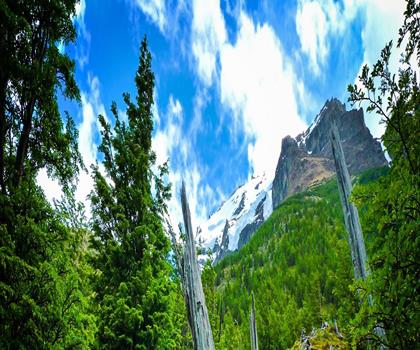
Fossil Mountain
Canadian Rockies

Snake Indian Mountain
Canadian Rockies
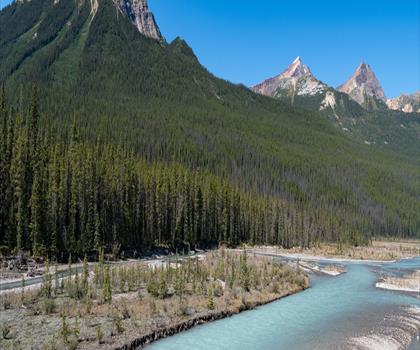
Mushroom Peak
Canadian Rockies
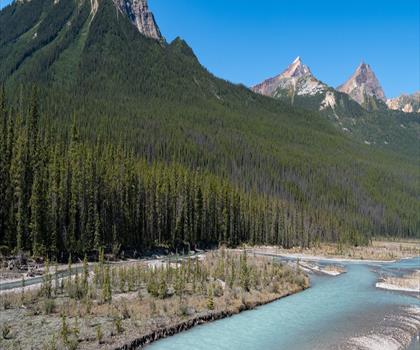
Mount Woolley
Canadian Rockies
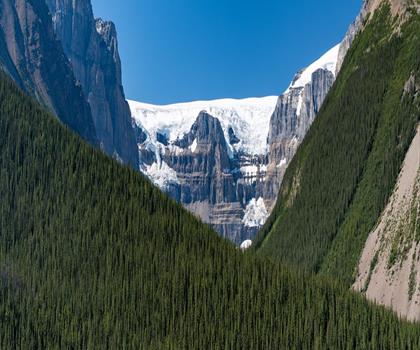
Stutfield Peak
Canadian Rockies
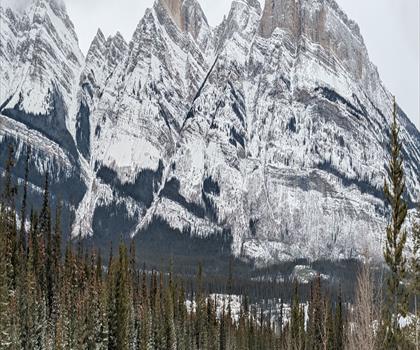
Mount Sarbach
Canadian Rockies
Hiking near Banff
187 trails to explore ~20 km away
We work hard to provide the most up-to-date and error-free data possible. If something seems incorrect, let us know! Your contribution helps the whole community.
Hikers' opinions
Be the first to review!
No hiker has shared their experience yet. Share your impressions and help other hikers!