
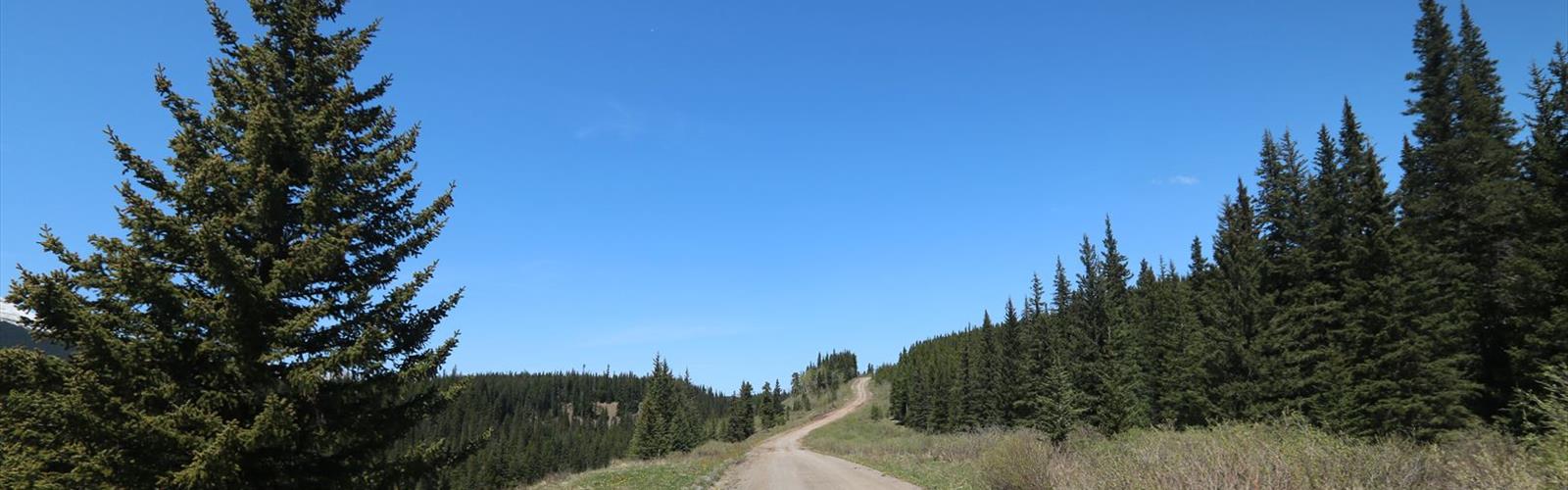

Ready to explore Jumpingpound Mountain? Here's everything you need to know before you go!
Discover the trail
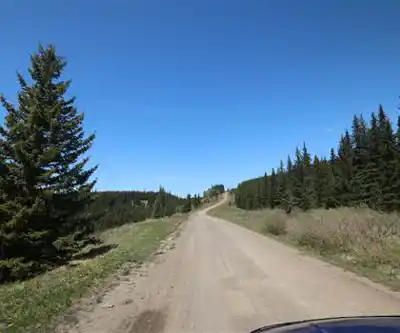
Photos: Thank you for visiting my page from Canada — CC BY 2.0 (Wikimedia Commons)
Trail description
Jumpingpound Mountain rises to 2,225 meters (7,300 feet) in Kananaskis Country, offering one of the most rewarding summit hikes in the Canadian Rockies' front ranges. This prominent peak delivers the kind of expansive views that make the Rockies famous—rolling foothills stretching eastward toward Calgary and jagged mountain peaks extending in every direction.
The mountain sits in prime wildlife habitat where the foothills meet the mountains. During your ascent, you'll likely encounter deer and elk, particularly in the early morning or evening hours. Black bears and the occasional moose also call this area home, so carrying bear spray and making noise on the trail is essential. The diverse ecosystem supports everything from dense coniferous forests at lower elevations to delicate alpine vegetation near the summit.
The Summit Trail
The main trail to Jumpingpound Mountain's summit covers 9.7 kilometers round-trip with 600 meters of elevation gain, making it a moderate difficulty hike that takes approximately 3 hours to complete. This makes it accessible to most hikers with basic fitness levels, though the steady climb and mountain environment demand respect and preparation.
The trail begins in dense forests of pine and spruce, where the path winds upward through cool, shaded terrain. The forest floor is typically soft underfoot, carpeted with pine needles and dotted with fallen logs that create natural seating for rest breaks. As you gain elevation, the trees gradually thin and the character of the landscape shifts dramatically.
The middle section opens into alpine meadows that transform with the seasons. During summer months, these meadows burst with wildflowers—Indian paintbrush, mountain avens, and alpine forget-me-nots create colorful displays against the mountain backdrop. The terrain here becomes more exposed, with rocky outcrops and loose scree requiring more careful footing.
The final push to the summit involves scrambling over rocky terrain and navigating steeper grades. This section tests your endurance, but the panoramic views that unfold make every step worthwhile. From the top, the vista encompasses the entire Bow Valley, the Calgary skyline on clear days, and an endless parade of Rocky Mountain peaks stretching to the horizon.
Extended Ridge Adventure
For hikers seeking a longer adventure, the Jumpingpound Ridge Trail extends the experience with additional ridgeline exploration. This trail connects with Cox Hill, creating opportunities for multi-peak adventures or simply more time immersed in the high-altitude environment.
The ridge walk offers a completely different perspective from the summit climb. Instead of the enclosed forest experience of the lower trail, you'll traverse open alpine terrain with constant views. The ridgeline undulates through a series of high points and saddles, each offering unique vantage points of the surrounding landscape. Weather can change rapidly along the ridge, with wind exposure significantly higher than in the protected valleys below.
Trail Conditions and Terrain
The trail surface varies considerably as you progress through different elevation zones. Lower sections follow well-established paths through the forest, with occasional muddy spots during wet periods and root systems that require attention. The middle alpine sections present loose rock and scree fields where careful foot placement becomes important.
Stream crossings are minimal but can become challenging during spring snowmelt or after heavy rainfall. The upper reaches near the summit feature exposed rock faces and steeper grades that demand both physical stamina and mental focus. Trail markers are generally adequate, though fog and weather can reduce visibility significantly.
Seasonal Considerations and Conditions
Mountain weather in this region changes quickly and can be unpredictable regardless of season. Even during summer, temperatures can drop significantly with elevation gain, and afternoon thunderstorms are common. Layered clothing is essential—start with moisture-wicking base layers, add insulating mid-layers, and carry a waterproof shell regardless of the morning forecast.
Snow can persist on the upper reaches well into late spring and return as early as September. During winter months, the trail becomes a snowshoeing or backcountry skiing route, though avalanche awareness and proper winter gear become critical safety considerations.
Practical Preparation
Water requirements are substantial for this hike—carry at least two liters per person, more during hot weather or if extending to the ridge trail. Natural water sources along the route are unreliable, particularly during dry periods. High-energy snacks help maintain stamina during the steady climb, and a proper lunch allows you to fully enjoy the summit views without rushing.
Sturdy hiking boots with good ankle support are recommended due to the rocky terrain in the upper sections. Trekking poles can be valuable for stability, especially during descent when loose scree and steep grades challenge your knees and balance.
The trailhead provides basic parking, but spaces fill quickly during peak hiking season and weekends. Starting early not only secures parking but also allows you to experience the mountain during the cooler morning hours when wildlife is most active and afternoon weather systems haven't yet developed.
As part of Kananaskis Country, Jumpingpound Mountain exists within a carefully managed wilderness area. Leave No Trace principles aren't just suggestions here—they're essential for preserving the pristine environment that makes this destination special. Pack out all trash, stay on designated trails to prevent erosion, and maintain appropriate distances from wildlife encounters.
The Essential Hiking Checklist
Everything you need for your next hike. Bilingual, printable, 1 page.
Get your free hiking checklistRecommended gear for this trail
As an Amazon Associate I earn from qualifying purchases.


Ready to go?
Everything you need to know before you goStarting Point
The jumpingpound mountain trails can be accessed from the east or west. The east access is located off Highway 22, and the west access is located off Highway 547.
When?
How much?
As an Amazon Associate I earn from qualifying purchases.
Affiliate links — LGPO may earn a commission at no extra cost to you.
- Hiking shoes Essential
- → Salomon Elixir Tour Mid WP · 203.38 $
- Layered clothing Essential
- Rain jacket Essential
- Trekking poles
- → Black Diamond Trail Ergo Cork · 69.99 $
- Headlamp
- → Petzl Actik Core 625 · 103.95 $
FAQ - Frequently asked questions
Everything you need to knowSimilar hikes nearby
Discover other trails you might enjoy
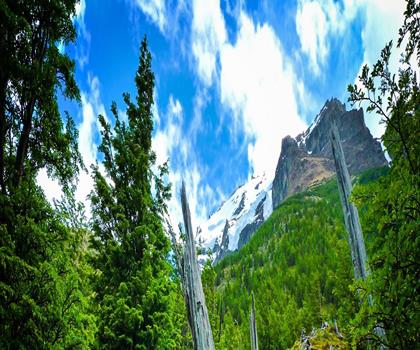
Fossil Mountain
Canadian Rockies

Snake Indian Mountain
Canadian Rockies
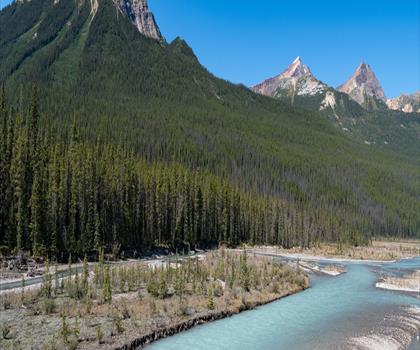
Mushroom Peak
Canadian Rockies
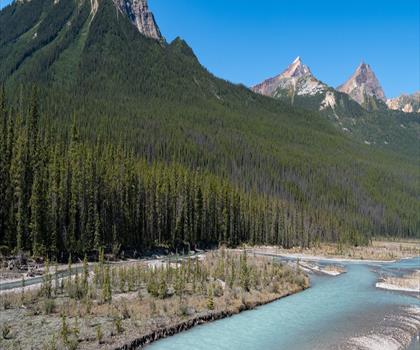
Mount Woolley
Canadian Rockies
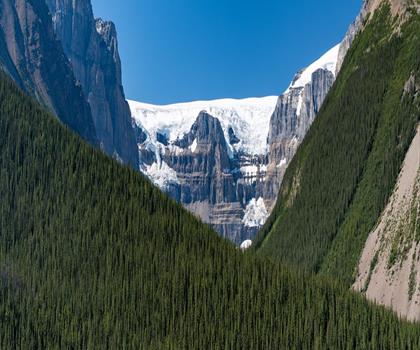
Stutfield Peak
Canadian Rockies
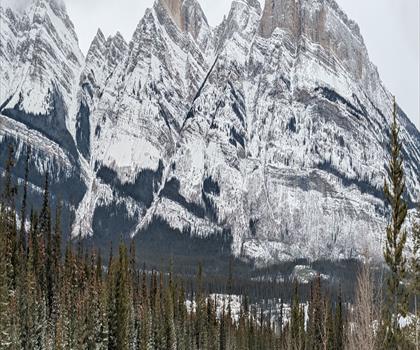
Mount Sarbach
Canadian Rockies
Hiking near Canmore
200 trails to explore ~35 km away
We work hard to provide the most up-to-date and error-free data possible. If something seems incorrect, let us know! Your contribution helps the whole community.
Hikers' opinions
Be the first to review!
No hiker has shared their experience yet. Share your impressions and help other hikers!