
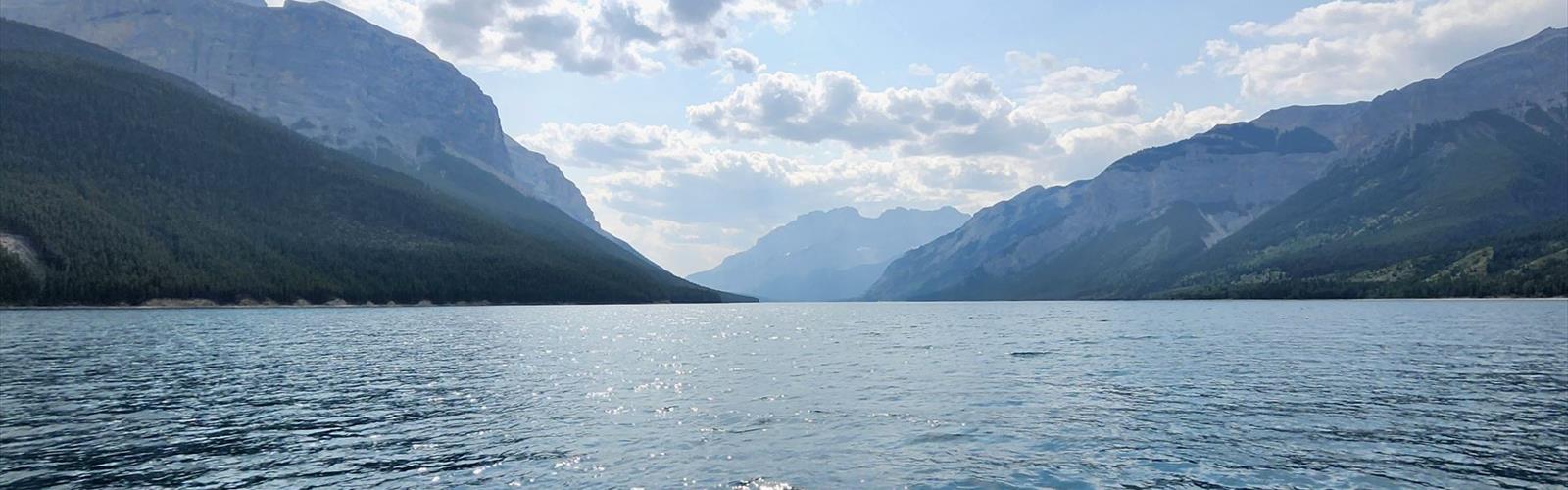

Ready to explore Lake Minnewanka Trail? Here's everything you need to know before you go!
Discover the trail
Trail description
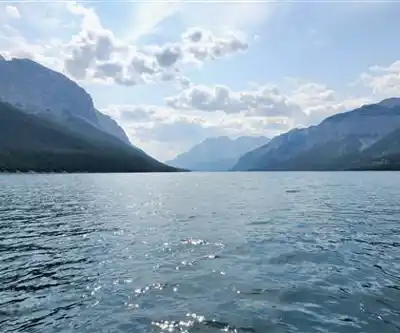
The Lake Minnewanka Trail follows the northern shoreline of Banff National Park's largest lake, offering one of the most accessible yet rewarding hiking experiences in the Canadian Rockies. Located just a short drive from the town of Banff, this well-maintained trail stretches 15 kilometers one-way along crystal-clear waters backed by towering mountain peaks.
What sets this trail apart from other lakeside hikes in the region is its gentle, rolling terrain that makes the stunning alpine scenery accessible to hikers of varying abilities. The path winds through dense montane forests of Douglas fir and white spruce before opening onto rocky shoreline sections where the full grandeur of the lake reveals itself. On clear days, the water reflects the surrounding peaks so perfectly it becomes difficult to distinguish where the mountains end and their mirror images begin.
Trail Experience and Terrain
The trail begins at the Lake Minnewanka day-use area and immediately immerses you in thick forest cover. The first few kilometers follow a wide, well-graded path that feels more like a nature walk than a mountain hike. This gentle introduction makes it an excellent choice for families or those new to hiking in the Rockies, while still offering enough distance and varied terrain to satisfy experienced hikers looking for a moderate workout.
As you progress along the shoreline, the trail alternates between forested sections and open areas that provide unobstructed lake views. The terrain includes some rocky sections and occasional root-covered stretches, but nothing technically challenging. The moderate 274-meter elevation gain is spread gradually over the route, with most of the climbing occurring in gentle, sustained grades rather than steep pitches.
The forest ecosystem along the trail supports diverse wildlife populations. Deer and elk frequently graze in the meadow areas, particularly during early morning and evening hours. Black bears and grizzly bears also inhabit this area, making bear spray an essential piece of safety equipment. The varied habitat attracts numerous bird species, from common ravens and gray jays to the occasional golden eagle soaring overhead.
Stewart Canyon and Beyond
The trail's first major highlight comes at Stewart Canyon, approximately 3 kilometers from the trailhead. Here, the Cascade River has carved a narrow gorge through limestone bedrock before emptying into Lake Minnewanka. The canyon offers dramatic photo opportunities as rushing water flows through sculpted rock formations, creating a stark contrast to the peaceful lake waters just meters away.
Stewart Canyon serves as a natural turnaround point for shorter hikes, but continuing beyond opens up the trail's most spectacular sections. The path becomes quieter past this point, with fewer day hikers and more opportunities to spot wildlife. Several excellent picnic spots dot the shoreline in this area, where you can rest while taking in panoramic views across the lake to the Palliser Range.
For those seeking additional challenge, the trail continues past Stewart Canyon toward Aylmer Pass Junction and Aylmer Lookout. These extensions add significant distance and elevation gain, transforming the moderate lakeside walk into a more demanding mountain adventure. The lookout provides sweeping vistas across multiple valleys and mountain ranges, though reaching it requires commitment to a full day of hiking.
Seasonal Considerations and Planning
The optimal hiking season runs from late spring through early fall, typically May through October, when the trail is snow-free and weather conditions are most stable. Early season hiking in May and June offers the advantage of fewer crowds and active wildlife, though some higher elevation sections may still have snow patches. Summer months provide the most reliable weather but also bring peak visitor numbers, particularly on weekends.
Fall hiking from September through early October can be spectacular when aspen groves display their golden foliage, though weather becomes less predictable and early snowfall is possible. Winter access is limited, and the trail is not maintained for winter recreation.
Practical Information
Proper preparation enhances both safety and enjoyment on this trail. Sturdy hiking boots provide necessary traction on rocky and root-covered sections, while layers allow you to adjust to changing conditions as you move between shaded forest and exposed shoreline areas. The 3 hour and 45 minute estimated duration assumes a moderate pace with time for breaks and photography.
Water and snacks are essential, as the trail offers no facilities beyond the trailhead. While the lake water appears pristine, it should be treated before drinking. Bear spray is strongly recommended given the active wildlife populations in the area. A basic first aid kit and emergency whistle add important safety margins for this relatively remote trail.
The trailhead provides ample parking, washroom facilities, and picnic tables, making it easy to prepare for your hike or relax afterward. As with all areas in Banff National Park, Leave No Trace principles are crucial for preserving this pristine environment. Pack out all trash, stay on designated trails, and maintain respectful distances from wildlife encounters.
The Lake Minnewanka Trail offers an ideal introduction to hiking in the Canadian Rockies while providing enough natural beauty and varied terrain to satisfy hikers of all experience levels seeking a memorable day in one of Canada's most spectacular mountain landscapes.
The Essential Hiking Checklist
Everything you need for your next hike. Bilingual, printable, 1 page.
Get your free hiking checklistRecommended gear for this trail
As an Amazon Associate I earn from qualifying purchases.


Ready to go?
Everything you need to know before you goStarting Point
The lake minnewanka trail is located in Banff National Park, Alberta. To get to the start of the trails, take the Trans-Canada Highway (Hwy 1) west from Calgary and turn off at the Lake Minnewanka exit. Follow the signs to the trailhead.
When?
How much?
As an Amazon Associate I earn from qualifying purchases.
Affiliate links — LGPO may earn a commission at no extra cost to you.
- Hiking shoes Essential
- → Salomon Elixir Tour Mid WP · 203.38 $
- Layered clothing Essential
- Rain jacket Essential
- Trekking poles
- → Black Diamond Trail Ergo Cork · 69.99 $
- Headlamp
- → Petzl Actik Core 625 · 103.95 $
FAQ - Frequently asked questions
Everything you need to knowSimilar hikes nearby
Discover other trails you might enjoy
Fossil Mountain
Canadian Rockies

Snake Indian Mountain
Canadian Rockies
Mushroom Peak
Canadian Rockies
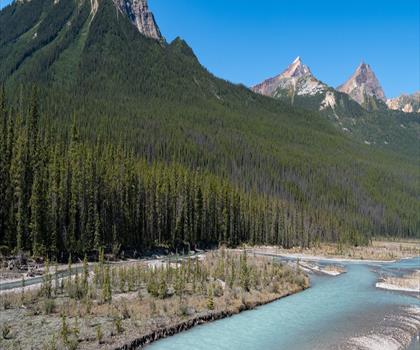
Mount Woolley
Canadian Rockies
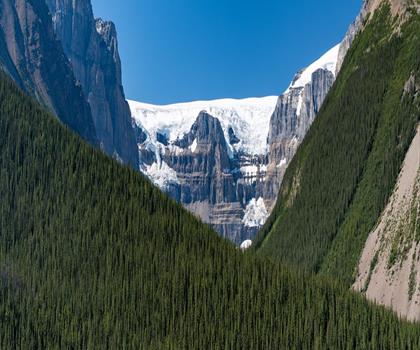
Stutfield Peak
Canadian Rockies
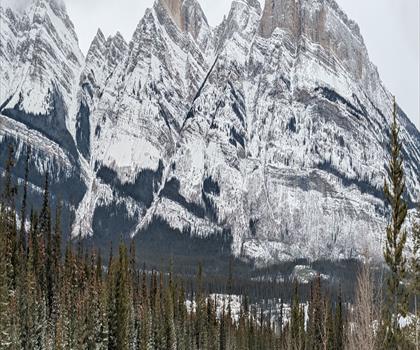
Mount Sarbach
Canadian Rockies
Hiking near Banff
187 trails to explore ~15 km away
We work hard to provide the most up-to-date and error-free data possible. If something seems incorrect, let us know! Your contribution helps the whole community.
Hikers' opinions
Be the first to review!
No hiker has shared their experience yet. Share your impressions and help other hikers!