


Ready to explore Maligne Canyon? Here's everything you need to know before you go!
Discover the trail
Available trails
| TrailTrails | Dist.Distance | GainElevation | TimeDuration | Difficulty | GPX |
|---|---|---|---|---|---|
|
|
8.11 km | — | 2h | GPX |
GPX track: © OpenStreetMap contributors — ODbL 1.0
Trail description
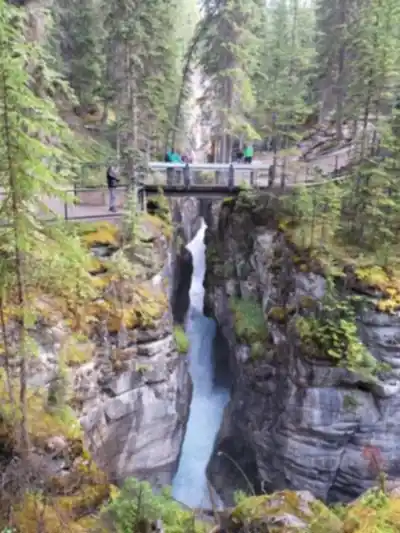
Maligne Canyon cuts through the Canadian Rockies like a massive stone sculpture, its limestone walls plunging up to 50 meters (164 feet) into shadowy depths. Located just 11 kilometers (7 miles) from Jasper townsite, this dramatic gorge represents the deepest canyon in the Canadian Rockies, carved over millennia by the persistent flow of the Maligne River.
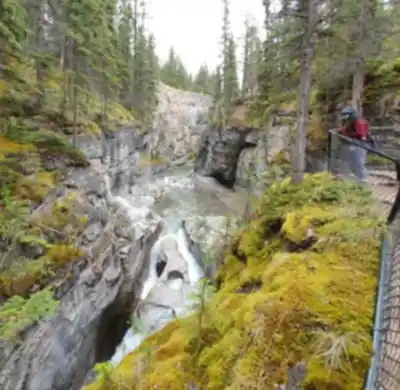
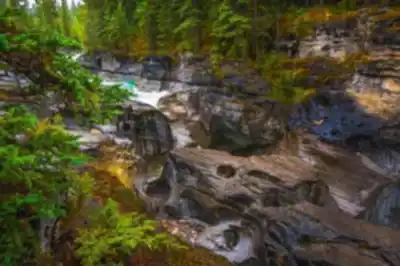
The canyon's geological story unfolds as you walk its rim, where layers of sedimentary rock tell tales of ancient seas and shifting continents. Water has worked its magic here, creating not just depth but intricate formations—smooth-carved potholes, natural arches, and chambers where the river has hollowed out hidden spaces beneath your feet. The sound of rushing water echoes up from below, sometimes thunderous near the waterfalls, sometimes a gentle murmur in the deeper sections.
The Trail Experience
The main attraction is the self-guided interpretive trail that follows the canyon's edge, connecting six strategically placed bridges that span the gorge at different points. This 4.4-kilometer route isn't a loop but rather a linear path where you can turn back at any bridge, making it adaptable to your time and energy level. With only 50 meters of elevation gain spread across the entire distance, the moderate difficulty comes more from uneven terrain and some steep sections near bridge approaches than from sustained climbing.
Bridge One sits closest to the upper parking area and delivers the most dramatic punch—here the canyon narrows to just a few meters wide while plunging to impressive depths. The roar of water funneling through this constricted space creates an almost hypnotic soundtrack that draws you deeper into the experience. As you continue downstream, each subsequent bridge reveals different character in the canyon. Bridge Two showcases a beautiful waterfall, while Bridge Three provides views of the canyon at its deepest point.
The trail surface varies significantly as you progress. Paved sections near the first few bridges give way to natural dirt and gravel paths as you venture further from the main parking area. Root systems from towering spruce and fir trees occasionally cross the path, and the terrain includes gentle ups and downs as it follows the natural contours of the canyon rim. Wooden railings and viewing platforms at key points provide safe vantage points for photography and contemplation, though the uneven surfaces and occasional stairs require attention and sure footing.
Most hikers can complete the full out-and-back journey in about 1.5 hours, but the beauty of this trail lies in its flexibility. You might spend just 30 minutes exploring the first bridge and its immediate surroundings, or extend your adventure by connecting with longer routes toward Moose Lake or Medicine Lake that can add several hours to your outing.
Seasonal Transformations
Summer brings the canyon to life with rushing water and lush vegetation clinging to the rocky walls. Wildflowers bloom in the forest understory, and the contrast between the cool, moist air rising from the canyon and the warm sunshine on the rim creates perfect hiking conditions. The interpretive trail remains accessible and comfortable for most visitors during these months, though mist from waterfalls can create slippery conditions on viewing platforms.
Winter transforms Maligne Canyon into an entirely different world. The waterfalls freeze into spectacular ice formations, creating blue-tinted sculptures that seem to glow in the winter light. Guided ice walk tours become available during the coldest months, allowing visitors to safely descend into the canyon itself and walk among frozen waterfalls and icy caverns. These specialized tours require proper equipment and experienced guides, as the conditions can be treacherous for the unprepared.
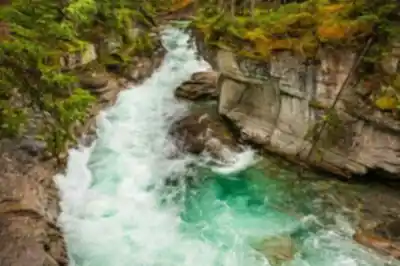
Spring brings the drama of snowmelt, when the Maligne River runs at its highest and most powerful. The sound of rushing water intensifies dramatically, and temporary waterfalls appear on the canyon walls as runoff finds its way to the river below. Fall offers spectacular foliage in the surrounding forest, with golden aspens and larches creating a striking contrast against the dark evergreens and gray limestone walls.
Wildlife and Natural Features
The canyon ecosystem supports diverse wildlife, from forest birds to large mammals. Deer frequently graze in the meadows near the parking areas, seemingly unbothered by human presence. Elk move through the area seasonally, and their bugling calls sometimes echo off the canyon walls during autumn rutting season.
Black bears inhabit the surrounding forest and occasionally cross the trail system, particularly during berry season. While encounters remain relatively rare on the busy main trail, hikers extending their journey toward the longer connecting routes should carry bear spray and understand proper bear safety protocols.
Bird life ranges from tiny chickadees and nuthatches working the tree bark for insects to larger species like gray jays and ravens. The canyon's unique microclimate, created by cool, moist air rising from the depths, supports plant species that might not thrive in the drier surrounding forest, creating pockets of unexpected biodiversity along the rim.
Planning Your Visit
Parking is available at both upper and lower canyon areas, with the upper lot providing the most convenient access to the dramatic first few bridges. The lower parking area works well for those planning longer hikes or wanting to experience the trail from the opposite direction.
Sturdy footwear is essential, as trail surfaces can be uneven and potentially slippery, especially where mist from waterfalls creates damp conditions. While the main interpretive trail suits most fitness levels, the terrain demands attention and sure footing throughout. The canyon environment can be surprisingly cool even on warm days, so layered clothing allows you to adjust to changing conditions as you move between sunny rim sections and cooler, shadier areas near the water.
Photography opportunities abound at every bridge and viewing point, with the interplay of light, shadow, water, and stone creating constantly changing compositions throughout the day.
The Essential Hiking Checklist
Everything you need for your next hike. Bilingual, printable, 1 page.
Get your free hiking checklistRecommended gear for this trail
As an Amazon Associate I earn from qualifying purchases.


Ready to go?
Everything you need to know before you goStarting Point
The maligne canyon is located in Jasper National Park, Alberta. The easiest way to get there is to drive from Edmonton, Alberta. Take Highway 16 west to Jasper and then follow the signs to the park. Once in the park, drive to the maligne canyon parking lot.
When?
How much?
As an Amazon Associate I earn from qualifying purchases.
Affiliate links — LGPO may earn a commission at no extra cost to you.
- Hiking shoes Essential
- → Salomon Elixir Tour Mid WP · 203.38 $
- Layered clothing Essential
- Rain jacket Essential
- Trekking poles
- → Black Diamond Trail Ergo Cork · 69.99 $
- Headlamp
- → Petzl Actik Core 625 · 103.95 $
FAQ - Frequently asked questions
Everything you need to knowSimilar hikes nearby
Discover other trails you might enjoy
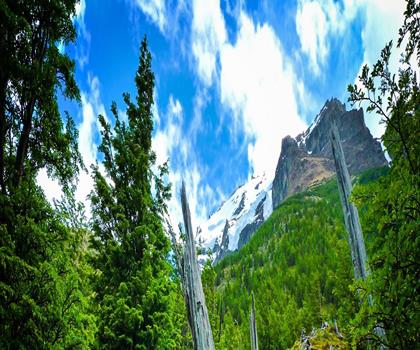
Fossil Mountain
Canadian Rockies

Snake Indian Mountain
Canadian Rockies
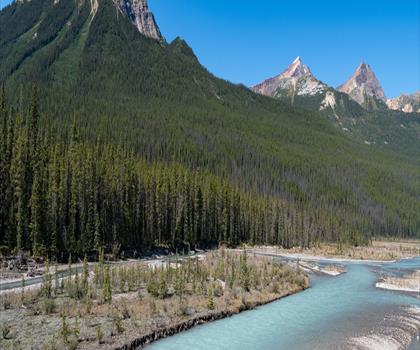
Mushroom Peak
Canadian Rockies
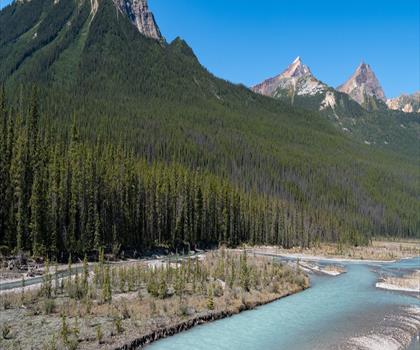
Mount Woolley
Canadian Rockies
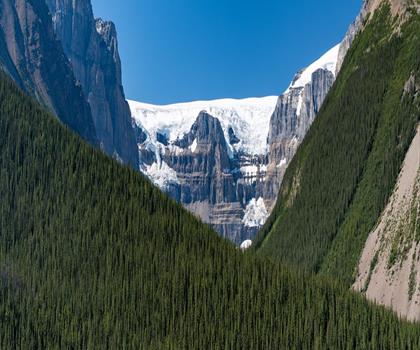
Stutfield Peak
Canadian Rockies
Mount Sarbach
Canadian Rockies
Hiking near Jasper
82 trails to explore ~8 km away
We work hard to provide the most up-to-date and error-free data possible. If something seems incorrect, let us know! Your contribution helps the whole community.
Hikers' opinions
Be the first to review!
No hiker has shared their experience yet. Share your impressions and help other hikers!