
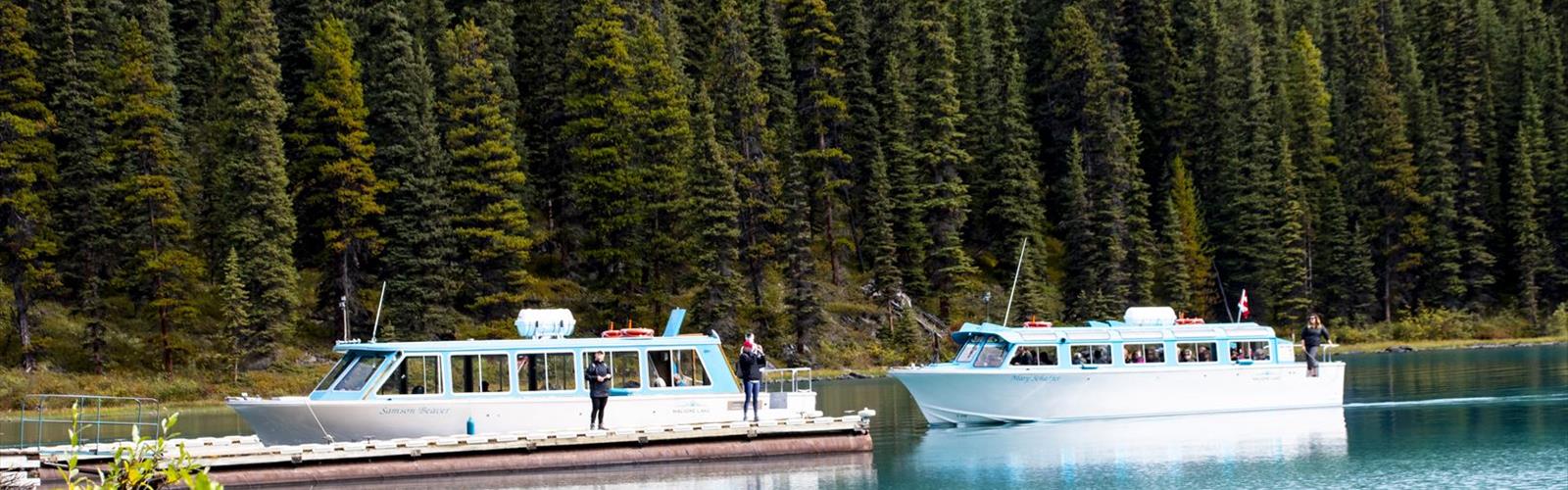

Ready to explore Maligne Lake? Here's everything you need to know before you go!
Discover the trail
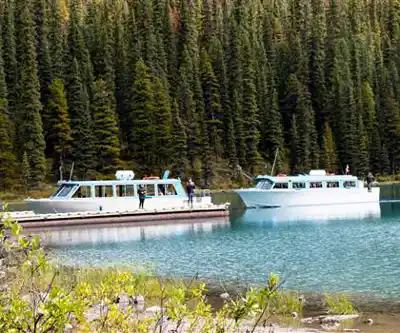
Photos: Ron Cogswell from Arlington, Virginia, USA — CC BY 2.0 (Wikimedia Commons)
Trail description
Maligne Lake commands attention as the largest natural lake in Jasper National Park, stretching 22.5 kilometers through a dramatic glacial valley 44 kilometers south of Jasper townsite. At 1,670 meters above sea level, this massive body of water reaches depths of 97 meters at its southern end, creating an impressive scale that becomes apparent only when you're standing on its shores surrounded by towering peaks.
The lake's signature turquoise waters result from fine glacial flour—microscopic rock particles ground by moving ice—that remains suspended in the water column and reflects light in brilliant blues and greens. Three active glaciers feed this system: Charlton, Unwin, and Maligne glaciers, all visible from shoreline viewpoints as white ribbons cascading down distant mountainsides. The interplay between these vivid waters, the dark coniferous forests blanketing the lower slopes, and the snow-capped peaks rising abruptly from the lake's edge creates the kind of scenery that defines the Canadian Rockies experience.
Access and Facilities
The fully paved Maligne Lake Road handles all vehicle types during the operating season, winding 44 kilometers through montane and subalpine forest zones before emerging into the spectacular lake valley. The road itself offers a preview of what's to come, transitioning from dense lodgepole pine forests into increasingly dramatic mountain terrain as you approach the lake.
Shuttle bus services operate from Jasper townsite during peak season for visitors who prefer not to drive, though having your own vehicle provides more flexibility for timing and exploring. The Maligne Lake Day Lodge serves as the central hub, providing ample parking, restrooms, and visitor services. From the lodge area, you get immediate views of the mountain amphitheater that defines this valley—Leah and Samson Peaks dominating the eastern skyline alongside Mount Paul, while Mounts Charlton, Unwin, Mary Vaux, and Llysfran Peak create an impressive western and southern backdrop.
Hiking Opportunities
Maligne Lake serves as the trailhead for Jasper's crown jewel backpacking experience: the 44-kilometer Skyline Trail. This high-alpine route spends most of its length above treeline, offering experienced hikers several days of ridge walking through subalpine meadows with expansive mountain vistas before descending toward Jasper townsite. The trail's reputation stems from its sustained alpine terrain and the sense of traveling through an elevated wilderness landscape.
Day hikers have two excellent options that showcase different perspectives of the lake and surrounding peaks. The Opal Hills trail climbs steadily through subalpine terrain, gaining elevation through mixed forest before breaking into more open slopes. The payoff comes at several viewpoints that reveal the full length of Maligne Lake spread below, with the surrounding peaks creating a natural frame that makes for compelling photography. The steady climb provides a solid workout while remaining accessible to families with older children comfortable with sustained uphill hiking.
The Bald Hills loop offers a different experience, accessing alpine meadows that transform into wildflower displays during July and August. This trail also involves consistent elevation gain through forested terrain before emerging into the open alpine zone where the real rewards begin. Both day hikes require preparation for changing mountain weather and the typical afternoon thunderstorm potential that characterizes summer conditions in the Rockies.
Water-Based Activities
The lake's 22.5-kilometer length provides extensive paddling opportunities ranging from short explorations near the day lodge to ambitious full-day expeditions toward the remote southern reaches. Kayaking and canoeing offer access to quiet bays and closer perspectives on the glaciers feeding the lake system. The water remains quite cold throughout the season due to continuous glacial input, making paddling gear more important than swimming attire for most visitors.
Two backcountry camping sites—Fisherman's Bay and Coronet Creek—are accessible only by canoe, providing unique overnight experiences for paddlers willing to transport camping gear by water. Reaching either site requires several kilometers of open water travel, demanding basic paddling competency and awareness of how quickly mountain weather can change conditions on large bodies of water.
Sport fishing targets the lake's established populations of rainbow trout and brook trout, introduced species that have developed healthy numbers throughout the system. The combination of deep water, varied underwater structure, and abundant food sources creates productive fishing opportunities, though the cold water means fish activity fluctuates significantly with weather patterns and seasonal changes. Anglers should be prepared for the typical challenges of high-altitude fishing in glacially-fed waters.
Spirit Island and Boat Tours
Spirit Island, a small rocky islet crowned with a few hardy conifers, has achieved iconic status as one of Canada's most photographed natural landmarks. Positioned roughly halfway down the lake's length, the island creates perfect compositional elements with the backdrop of surrounding peaks. For most visitors, commercial boat tours provide the practical access method, since reaching the island independently requires either a substantial paddle or an extremely long hike.
These 90-minute narrated boat tours focus on the area's natural and cultural history while positioning passengers for optimal viewing of the glaciers and peaks. The tours include time at Spirit Island for photography and brief exploration of the small islet, though the real value lies in experiencing the scale and grandeur of the lake from water level.
Seasonal Planning
Summer conditions from May through October provide the most straightforward access, with the road typically clear and all services operating. Peak wildflower season occurs during July and August in the alpine areas reached by the day hiking trails, while boat tours to Spirit Island generally operate from late May through early October, depending on weather conditions and ice-out timing.
Winter transforms the area into cross-country skiing terrain, though accessing the lake requires winter driving skills and appropriate vehicle equipment. The lake freezes solid, creating opportunities for winter camping and skiing expeditions for those with proper cold-weather experience and backcountry winter skills.
Natural and Cultural Context
The name "Maligne" derives from the French word meaning wicked or malignant, originally applied by Father Pierre-Jean De Smet in the 1800s to describe the turbulent Maligne River during dangerous spring runoff conditions. Early French traders likely used similar terminology for the river's treacherous confluence with the Athabasca River. Over time, the name expanded to encompass the entire watershed, including the lake, canyon, mountain, and pass that bear the name today.
The Maligne River both feeds and drains the lake, entering near Mount Unwin on the south side and exiting toward the north. This flow pattern contributes to the lake's distinctive elongated shape and maintains the complex hydrology that preserves the famous color and clarity that draws visitors from around the world.
The Essential Hiking Checklist
Everything you need for your next hike. Bilingual, printable, 1 page.
Get your free hiking checklistRecommended gear for this trail
As an Amazon Associate I earn from qualifying purchases.


Ready to go?
Everything you need to know before you goStarting Point
To access the hiking trails, head towards maligne lake Road from Jasper. The main trailhead is located at the end of maligne lake Road, approximately 48 kilometers southeast of Jasper townsite. There is a parking lot available at this location for visitors.
When?
How much?
As an Amazon Associate I earn from qualifying purchases.
Affiliate links — LGPO may earn a commission at no extra cost to you.
- Hiking shoes Essential
- → Salomon Elixir Tour Mid WP · 203.38 $
- Layered clothing Essential
- Rain jacket Essential
- Trekking poles
- → Black Diamond Trail Ergo Cork · 69.99 $
- Headlamp
- → Petzl Actik Core 625 · 103.95 $
FAQ - Frequently asked questions
Everything you need to knowSimilar hikes nearby
Discover other trails you might enjoy
Fossil Mountain
Canadian Rockies

Snake Indian Mountain
Canadian Rockies
Mushroom Peak
Canadian Rockies
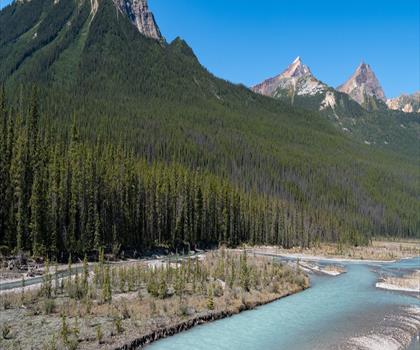
Mount Woolley
Canadian Rockies
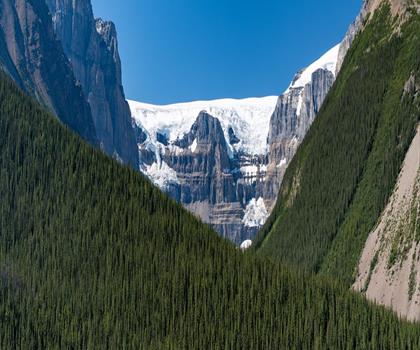
Stutfield Peak
Canadian Rockies
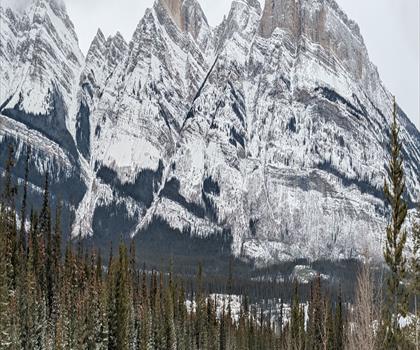
Mount Sarbach
Canadian Rockies
Hiking near Jasper
82 trails to explore ~44 km away
We work hard to provide the most up-to-date and error-free data possible. If something seems incorrect, let us know! Your contribution helps the whole community.
Hikers' opinions
Be the first to review!
No hiker has shared their experience yet. Share your impressions and help other hikers!