
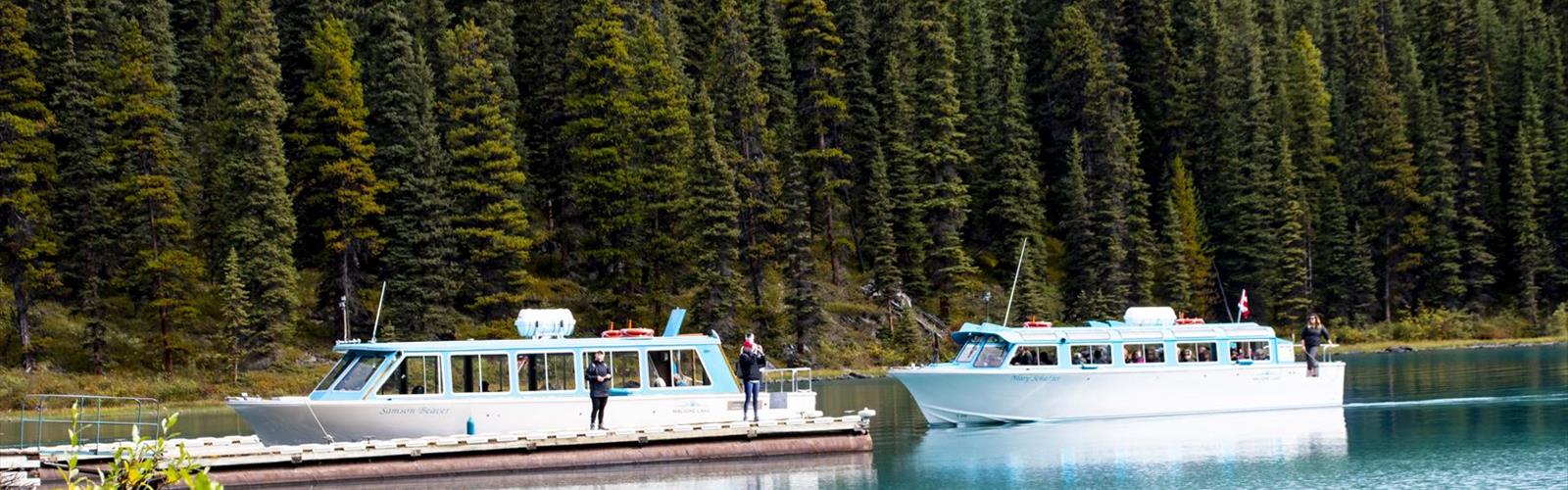

Ready to explore Maligne Mountain? Here's everything you need to know before you go!
Discover the trail
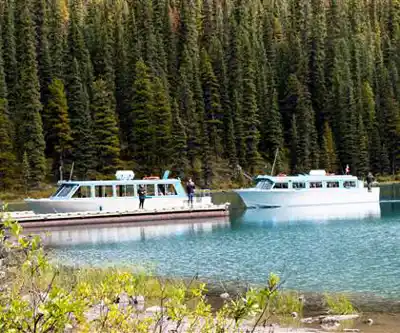
Photos: Ron Cogswell from Arlington, Virginia, USA — CC BY 2.0 (Wikimedia Commons)
Trail description
Maligne Mountain is one of the most demanding objectives in the Canadian Rockies, rising to 3,200 meters (10,499 feet) above sea level in a landscape that earns every superlative thrown at it. This is a serious mountain for experienced hikers who are comfortable with sustained elevation gain, exposed terrain, and the kind of commitment that a 24-kilometer round trip with 3,200 meters of elevation gain demands. If you're looking for a casual outing, this isn't it. If you're looking for one of the most rewarding summit experiences in Alberta, you've found it.
The Route
Plan for a full day on the mountain. The estimated time of 8.5 hours is realistic for fit, experienced hikers moving at a steady pace — factor in breaks, weather delays, and the inevitable slow-down on the upper scramble, and you should budget more. Start early. Afternoon thunderstorms are a genuine hazard at this elevation, and you want to be off exposed terrain well before they roll in.
The lower section of the trail moves through dense montane forest — spruce and fir closing in on either side, the trail soft underfoot, the grade manageable. This is where you settle into your rhythm and remind your legs what's coming. The forest provides shelter from wind and sun, and it's worth enjoying the relative ease of this section before things get serious.
As you gain elevation, the trees thin and the subalpine zone opens up. The views start here — neighboring peaks, broad valley systems, the kind of scale that recalibrates your sense of distance. The terrain gets rockier and steeper through this transition zone, with sections that require careful foot placement and deliberate pacing. Wildflowers fill the meadows during the warmer months, but don't let the scenery distract you from watching your footing on the loose rock.
The upper mountain is where Maligne earns its hard rating. Above treeline, you're on exposed ridges and scree slopes, with a final summit approach that involves genuine scrambling. Route-finding becomes more demanding here — trail markers thin out, and the terrain requires you to read the mountain rather than follow a clear path. Comfort with exposure and basic scrambling technique are not optional on this section.
Wildlife
The elevation range on Maligne Mountain means you move through several distinct wildlife zones over the course of the day. Elk and deer are common in the lower forested sections, most active in early morning and evening light. The transition zones between forest and meadow are productive habitat for larger mammals, so keep your eyes open as the trees thin.
Both black bears and grizzly bears are present in this area. Carry bear spray, know how to use it, and make noise on the trail — especially in dense forest where visibility is limited. Higher up, marmots and pikas are reliable company on the rocky slopes, and various high-altitude bird species work the upper terrain. The alpine environment supports a tighter, more specialized community of wildlife, but what's there is worth watching for.
Terrain and Geology
The mountain's geology reflects the broader story of the Canadian Rockies — ancient marine sediments pushed skyward by tectonic forces, then shaped by glaciation over thousands of years. The result is the layered, angular rock that defines the upper mountain and makes the scrambling both challenging and visually striking. Alpine tarns sit in glacially scoured basins below the summit, their turquoise color a product of glacial flour suspended in the water. These lakes are among the most photogenic features of the upper terrain and make for excellent rest stops on the descent.
Seasonal Window and Conditions
The viable hiking season runs from mid-July through early October, though conditions vary significantly within that window. Early season often means lingering snow on the upper slopes and potentially unstable conditions near the summit — check current conditions before committing to a summit attempt in July. Late season brings fall color to the lower elevations and cooler temperatures that can make the climbing more comfortable, but early snowfall can close the upper mountain quickly.
Even in peak summer, weather at this elevation is unpredictable. Afternoon thunderstorms develop fast and hit hard on exposed terrain. Build a turnaround time into your plan and stick to it regardless of how close the summit feels.
What to Bring
The combination of distance, elevation gain, and remote terrain means your pack needs to be complete. Key items include:
- Layers and rain gear — temperatures drop significantly with elevation, and wet conditions on exposed terrain are dangerous
- Navigation tools — a detailed topographic map, compass, and GPS device; cell coverage is unreliable to nonexistent on much of the route
- Water — sources become scarce at higher elevations; carry enough or plan carefully around reliable streams lower on the mountain
- Bear spray — carried accessibly, not buried in your pack
- Headlamp — early starts and long days mean you may need it
- First aid kit and emergency supplies — the remote setting makes self-reliance essential
Before you leave, give a detailed trip plan to someone reliable — your route, expected return time, and what to do if you don't check in. This is standard practice on any serious mountain objective, and Maligne Mountain qualifies.
Physical Preparation
The numbers here are not casual — 24 kilometers and 3,200 meters of elevation gain in a single day is a significant physical undertaking. Hikers who arrive without a solid base of fitness and recent elevation experience tend to struggle on the upper mountain, where the terrain demands the most from legs that are already hours into the day. Train specifically for sustained climbing, and be honest with yourself about your current conditioning before committing to this route.
The summit rewards that preparation with 360-degree views across some of the most dramatic terrain in the Canadian Rockies — a payoff that makes the hard work of getting there feel entirely worthwhile.
The Essential Hiking Checklist
Everything you need for your next hike. Bilingual, printable, 1 page.
Get your free hiking checklistRecommended gear for this trail
As an Amazon Associate I earn from qualifying purchases.


Ready to go?
Everything you need to know before you goStarting Point
The start of the trails at the maligne mountain can be accessed from the parking lot located at the end of the road.
When?
How much?
As an Amazon Associate I earn from qualifying purchases.
Affiliate links — LGPO may earn a commission at no extra cost to you.
- Hiking shoes Essential
- → Salomon Elixir Tour Mid WP · 203.38 $
- Layered clothing Essential
- Rain jacket Essential
- Trekking poles
- → Black Diamond Trail Ergo Cork · 69.99 $
- Headlamp
- → Petzl Actik Core 625 · 103.95 $
FAQ - Frequently asked questions
Everything you need to knowSimilar hikes nearby
Discover other trails you might enjoy
Fossil Mountain
Canadian Rockies

Snake Indian Mountain
Canadian Rockies
Mushroom Peak
Canadian Rockies
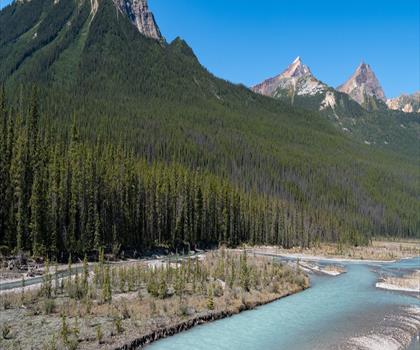
Mount Woolley
Canadian Rockies
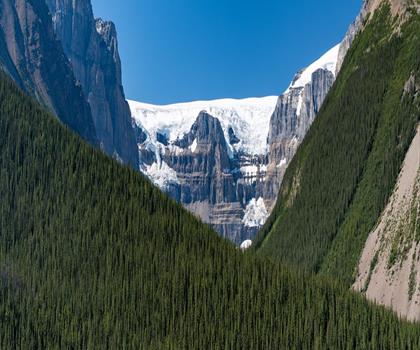
Stutfield Peak
Canadian Rockies
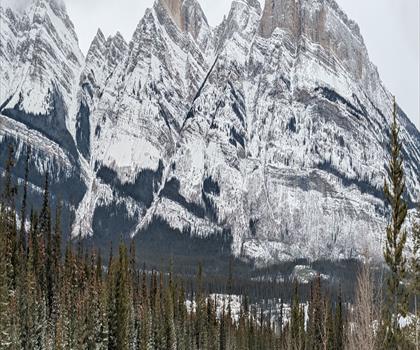
Mount Sarbach
Canadian Rockies
Hiking near Jasper
82 trails to explore ~52 km away
We work hard to provide the most up-to-date and error-free data possible. If something seems incorrect, let us know! Your contribution helps the whole community.
Hikers' opinions
Be the first to review!
No hiker has shared their experience yet. Share your impressions and help other hikers!