
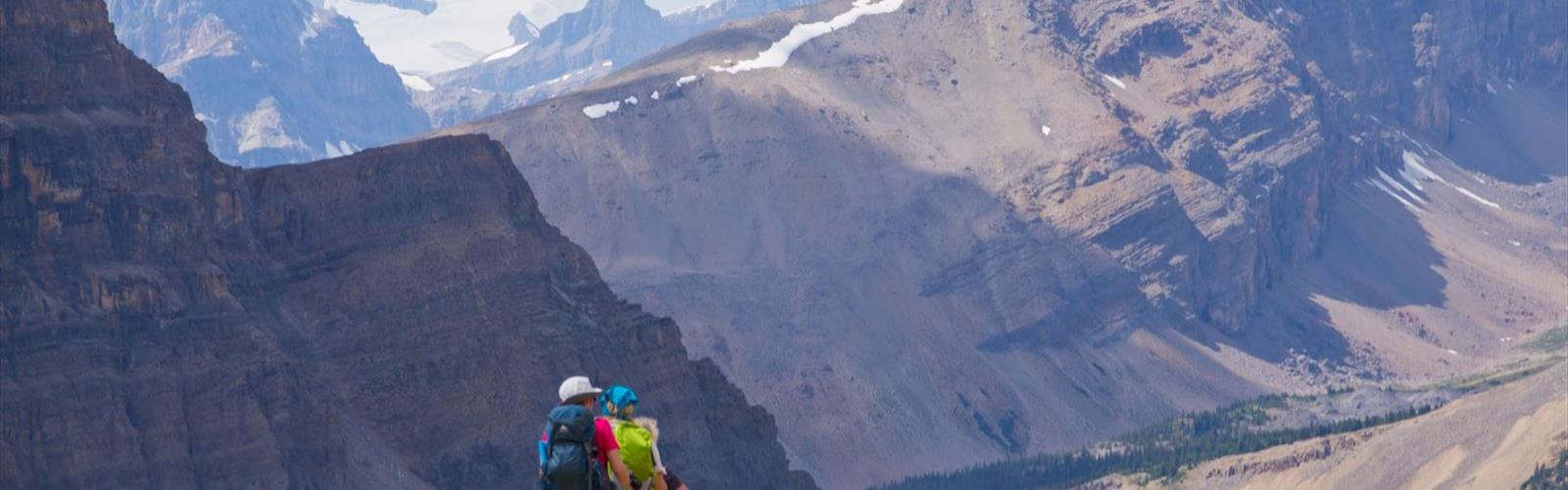

Ready to explore Molar Mountain? Here's everything you need to know before you go!
Discover the trail
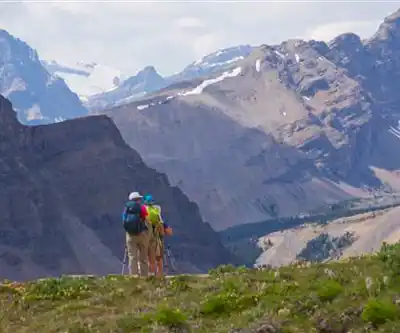
Trail description
Molar Mountain is one of those objectives in the Canadian Rockies that earns its reputation the hard way — through genuine elevation gain, varied terrain, and the kind of alpine exposure that reminds you why you started hiking in the first place. At 14.5 km with 1,100 m of elevation gain, this is a full day in the mountains. Budget around 8.5 hours and go in with your legs ready.
What the Trail Actually Feels Like
The route follows a logical progression that most experienced hikers will recognize: forest to subalpine to alpine, with each zone demanding something different from you. The lower section moves through dense spruce and fir forest where the trail is well-established and the grade is manageable. It's the kind of start that lets you settle into a rhythm and warm up your legs before things get serious.
The middle section is where Molar Mountain starts showing its character. The forest thins and opens into subalpine terrain — rolling meadows, scattered krummholz, and the first real views of the surrounding peaks. The trail here can be exposed to wind and weather, and conditions shift faster than they do in the trees below. This is also where you'll want to start paying attention to the sky.
The upper section is the crux of the day. Rocky terrain, scree, and exposed ridgeline hiking require deliberate foot placement and a steady pace. There's no technical scrambling involved, but this is unquestionably hard hiking — the kind where tired legs and poor footwear become real problems. The views that open up as you gain elevation make every step worth it, with sweeping panoramas across the Canadian Rockies that stretch well beyond what you can take in at a glance.
Terrain and Conditions
The trail surface changes considerably with elevation. Lower sections are dirt and root, often shaded and damp. Mid-elevation terrain crosses open slopes where the trail may be less defined in places, particularly early in the season when snow lingers. The upper mountain is rocky and exposed, with loose scree sections that slow your pace and demand attention on the descent as much as the ascent.
Weather in this part of the Canadian Rockies can turn quickly. Afternoon thunderstorms are a real consideration in summer, and the upper elevations of Molar Mountain leave you with nowhere to shelter if conditions deteriorate. An early start — on the trail by 6 or 7 a.m. — gives you the best chance of reaching the summit and getting back below treeline before afternoon weather builds.
Wildlife Along the Way
The habitat diversity on Molar Mountain means you're likely to encounter wildlife at multiple points during the day. Elk are common in the lower meadows and forest edges, especially in the early morning hours. Higher up, mountain goats are a regular presence on the rocky terrain — keep your distance and don't approach them, as they're more unpredictable than they look.
Bird life is worth paying attention to throughout the climb. Gray jays and Clark's nutcrackers are reliable companions in the forest zone. Higher up, white-tailed ptarmigan blend almost perfectly into the rocky alpine terrain — you'll often hear them before you see them. The subalpine meadows support a solid variety of species during the breeding season.
Wildflowers in the meadow sections peak in mid-summer, with Indian paintbrush, alpine forget-me-nots, and mountain avens putting on a strong show. By late summer, the colors shift and the berries come in — a different kind of reward for the same terrain.
Gear and Preparation
This is a hard-rated trail, and the gear list should reflect that. Sturdy hiking boots with solid ankle support and aggressive tread are non-negotiable — trail runners are undersized for the upper rocky terrain. Layering is essential: the temperature difference between the trailhead and the summit can be dramatic, and wind chill on the exposed upper section adds another variable.
- Footwear: Full hiking boots with ankle support and grippy soles
- Layers: Moisture-wicking base, insulating mid-layer, waterproof and windproof shell
- Water: Carry more than you think you need — the elevation gain and dry mountain air are dehydrating
- Food: High-calorie snacks and a real lunch; 8.5 hours is a long time to be moving
- Navigation: A map and compass or downloaded offline GPS track — don't rely on cell service
- Sun protection: Sunscreen, sunglasses, and a hat; UV exposure increases significantly at elevation
- Emergency layer: Even in summer, conditions near the summit can be cold enough to cause problems if you're wet and the wind picks up
Seasonal Window
The reliable hiking season on Molar Mountain runs from late June through September, depending on snowpack in any given year. Early season hikers should expect snow on the upper sections and potentially icy conditions on north-facing slopes. Late summer and early fall offer some of the clearest days of the year, with excellent visibility and fewer afternoon storms — though the weather window can close quickly once September moves along.
Leave No Trace
The alpine terrain on Molar Mountain is fragile in ways that aren't always obvious. Vegetation at high elevation grows slowly and recovers from damage over years, not weeks. Stay on established trail wherever possible, especially in the meadow sections where it's tempting to cut switchbacks or wander off-route. Pack out everything you bring in — that includes fruit peels and other organic waste that doesn't break down quickly in alpine conditions.
Wildlife habituation is a real issue in heavily visited areas of the Canadian Rockies; store food securely, never feed animals, and give wildlife the space they need to behave naturally.
The Essential Hiking Checklist
Everything you need for your next hike. Bilingual, printable, 1 page.
Get your free hiking checklistRecommended gear for this trail
As an Amazon Associate I earn from qualifying purchases.


Ready to go?
Everything you need to know before you goStarting Point
The start of the trails at the molar mountain can be accessed from the town of Cochrane. Head north on Highway 1A and turn left onto Highway 22. Follow Highway 22 for about 9 km and turn left onto Range Road 274. The trailhead will be on your right.
When?
How much?
As an Amazon Associate I earn from qualifying purchases.
Affiliate links — LGPO may earn a commission at no extra cost to you.
- Hiking shoes Essential
- → Salomon Elixir Tour Mid WP · 203.38 $
- Layered clothing Essential
- Rain jacket Essential
- Trekking poles
- → Black Diamond Trail Ergo Cork · 69.99 $
- Headlamp
- → Petzl Actik Core 625 · 103.95 $
FAQ - Frequently asked questions
Everything you need to knowSimilar hikes nearby
Discover other trails you might enjoy
Fossil Mountain
Canadian Rockies

Snake Indian Mountain
Canadian Rockies
Mushroom Peak
Canadian Rockies
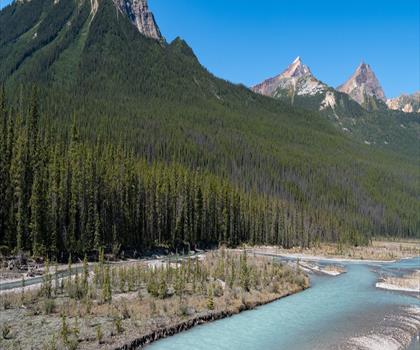
Mount Woolley
Canadian Rockies
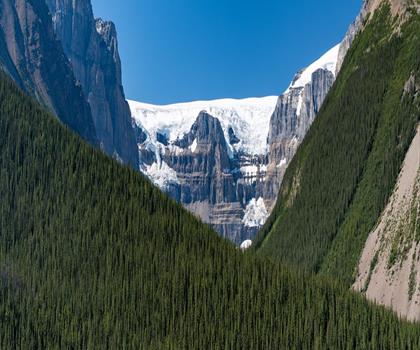
Stutfield Peak
Canadian Rockies
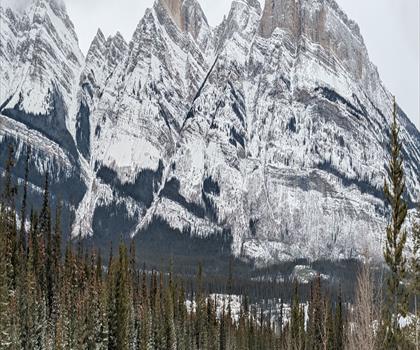
Mount Sarbach
Canadian Rockies
Hiking near Banff
187 trails to explore ~65 km away
We work hard to provide the most up-to-date and error-free data possible. If something seems incorrect, let us know! Your contribution helps the whole community.
Hikers' opinions
Be the first to review!
No hiker has shared their experience yet. Share your impressions and help other hikers!