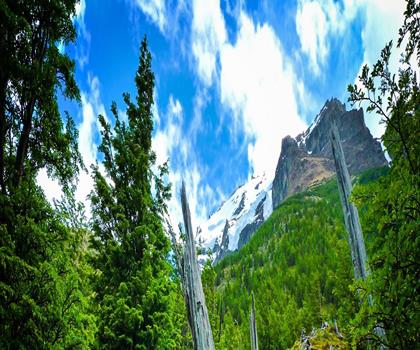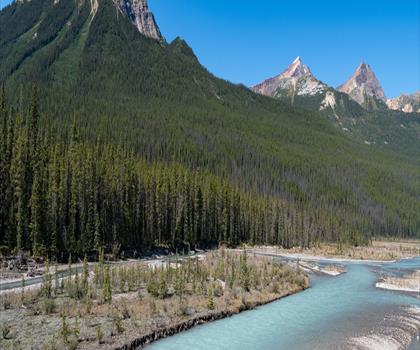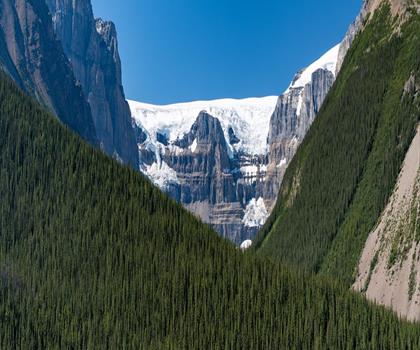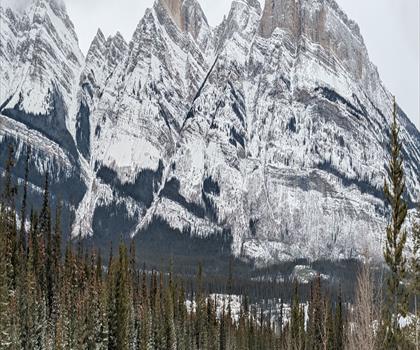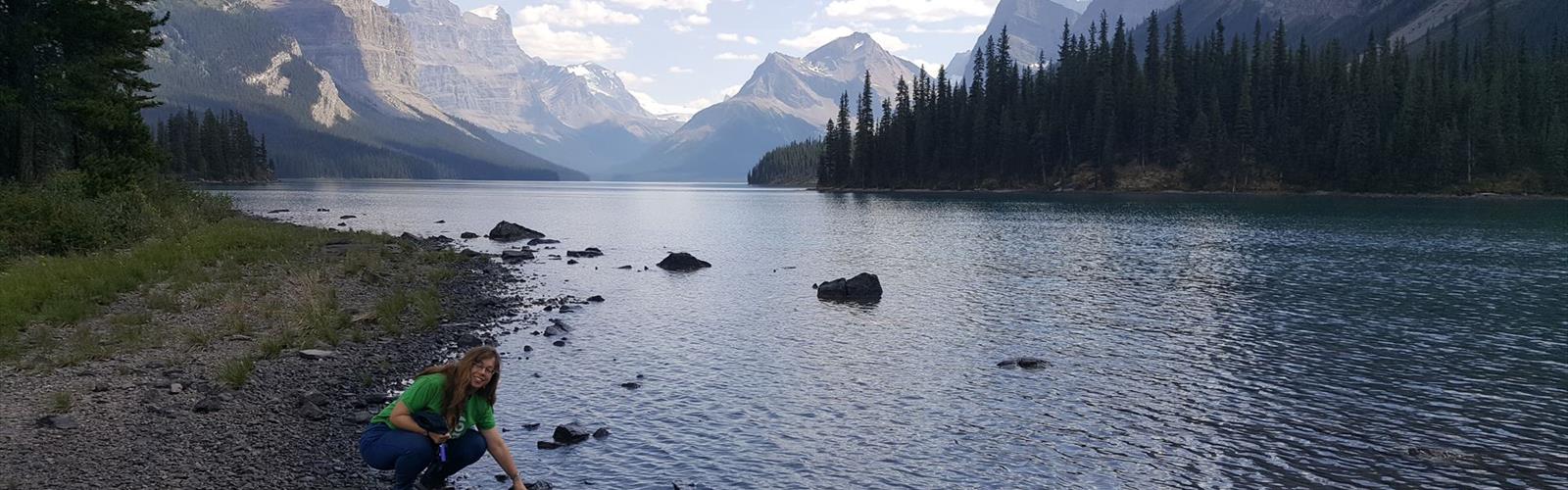
Hiking Monkhead Mountain - panoramic view  tree outdoor landscape nature mountain sky autumn plant cloud background lake painting forest surrounded distance
--°C
Loading...
See forecast →

Hiking in Monkhead Mountain: trails, map and practical info

Canadian Rockies • Alberta

5.0 Appreciated by 27 hikers
François Dumaine
By François DumaineContributor since 2022Updated 07/05/2026
Elevation
1,200 ft
Max altitude
2,487 ft

Rising from the heart of the Canadian Rockies near Canmore, this challenging ascent with 1200m elevation gain offers three distinct route options from a single trailhead. A rare wilderness experience without crowds, perfect for families to hike together before splitting by ability level.

Recommended for :

Ready to explore Monkhead Mountain? Here's everything you need to know before you go!

Discover the trail
Oh no! We don't have any photos 😢

This trail hasn't been captured yet. Be the first to share your adventure!

Trail description

Description

Monkhead Mountain rises from the heart of the Canadian Rockies as one of those peaks that manages to offer something meaningful for every type of hiker. Unlike some of the region's more famous destinations, this mountain provides a genuine wilderness experience without the crowds, making it an ideal choice whether you're introducing kids to mountain hiking or pushing yourself toward a challenging summit.

The mountain's trail system is thoughtfully designed, with three distinct route options that branch from a common trailhead. This setup means families can hike together for the first portion before splitting off based on ability and ambition. The lower elevations wind through dense stands of towering evergreens where the forest floor stays cool even on warm summer days, while higher up, the trees give way to open meadows that burst with vibrant wildflowers during peak season.

Trail Options and Terrain

The beginner-friendly trails stick to the mountain's lower slopes, following well-maintained paths with gentle grades that won't overwhelm newcomers to hiking. These routes are particularly well-suited for families with young children, as the trail markers are clear and frequent, and the relatively short distance means little legs won't get too tired. The payoff comes in the form of several scenic viewpoints that showcase the surrounding peaks without requiring a major time commitment.

Intermediate hikers will find the middle-elevation trails more engaging, as these routes climb through varied terrain that includes both dense forest sections and open meadows. The trail surface becomes more rugged here, with some rocky sections and stream crossings that add interest without being technically difficult. These paths offer the best opportunities for wildlife viewing, as the mixed habitat attracts a diverse range of animals throughout the day.

The advanced summit trail represents a serious undertaking that demands proper preparation and experience. This route gains the full 1200 meters of elevation as it climbs toward Monkhead Mountain's peak, with the final approach involving some scrambling over rocky terrain. The effort required is substantial, but the summit views justify every step. From the top, the panorama extends across miles of untouched wilderness, with layer upon layer of peaks stretching to the horizon in every direction.

What Makes This Mountain Special

What sets Monkhead Mountain apart from other peaks in the Canadian Rockies is its ability to deliver an authentic mountain experience without the logistics headaches that come with some of the region's marquee destinations. The multi-route system means you can tailor your day to exactly what your group needs, whether that's a gentle introduction to mountain hiking or a full-day summit push that will test your limits.

The mountain's position within the range creates a unique microclimate that supports an unusually diverse mix of plant and animal life. The transition zones between different elevations are particularly striking, offering hikers a chance to experience multiple ecosystems in a single outing. This variety keeps the hiking interesting and provides natural stopping points where you can rest and take in the changing landscape.

Wildlife and Natural Features

The diverse elevations and habitats on Monkhead Mountain support an impressive array of wildlife that changes as you climb higher. In the lower forest zones, you might spot deer browsing in small clearings or hear the distinctive calls of various bird species echoing through the trees. The crystal-clear streams that cross several of the trails provide both scenic beauty and vital habitat for smaller creatures.

As you gain elevation, the wildlife becomes more dramatic. Elk are frequently seen in the meadow areas, particularly during early morning or late afternoon hours. Mountain goats navigate the steeper rocky sections with their characteristic sure-footedness, often visible on distant cliff faces. Bear encounters, while possible, are relatively uncommon but require constant awareness and proper food storage practices.

The plant life shifts noticeably with elevation, creating distinct zones that make each section of trail feel unique. The lower forests are dominated by massive evergreens that create a cathedral-like atmosphere, while the meadows explode with seasonal wildflowers that paint the landscape in brilliant colors during summer months. Higher elevations feature hardier alpine plants adapted to the harsher conditions near the summit.

The Hiking Experience

Starting from the shared trailhead, you'll immediately notice the quality of the trail construction and maintenance. The initial section through the dense forest provides a gentle warm-up while your eyes adjust to the filtered light beneath the canopy. The sound of your footsteps on the well-packed earth mixes with the distant sound of running water and the occasional crack of settling wood.

As the trail begins to climb and the route options diverge, the character of your hike will depend entirely on which path you choose. The family-friendly routes maintain their gentle nature while gradually opening up views of the surrounding peaks. The intermediate trails start to demand more from your legs and lungs, but reward the effort with increasingly dramatic scenery and better chances of wildlife encounters.

For those tackling the summit route, the real work begins in earnest as you climb through the 1200 meters of elevation gain. The trail becomes more demanding both physically and technically, requiring careful foot placement and steady nerves during the final scrambling sections. The sense of accomplishment at the summit is matched only by the incredible views that stretch across the entire region.

Planning Your Visit

Weather conditions on Monkhead Mountain can change rapidly, particularly at higher elevations where afternoon thunderstorms are common during summer months. Morning starts are generally recommended, both for more stable weather and better wildlife viewing opportunities. The mountain's elevation means temperatures will be cooler than in nearby valleys, so layered clothing is essential regardless of the season.

Water sources are available along most routes, but the quality and reliability vary with seasonal conditions and elevation. Carrying sufficient water for your planned route is always the safer choice, particularly for summit attempts where the final sections may lack reliable water sources. The varied terrain and potential for weather changes make proper gear selection crucial for a safe and enjoyable experience.

Trail conditions can vary significantly based on recent weather, season, and elevation. The lower trails typically remain accessible longer into fall and become passable earlier in spring, while higher routes may have snow well into summer. Checking current trail conditions before your visit helps ensure you're prepared for what you'll actually encounter on the mountain.

The trailhead area provides basic facilities but services are limited, so arriving with everything you need for your planned hike is important. Parking can fill up during peak season weekends, making early starts beneficial for practical reasons beyond just weather and wildlife considerations. Monkhead Mountain's location within the Canadian Rockies means following Leave No Trace principles is particularly important for preserving the pristine environment that makes this area special.

Ready to go?

Everything you need to know before you go

Where?

Address
Monkhead Mountain, Alberta T0E 0E0, Canada
GPS coordinates
52.5819444, -117.3919444
Phone
Not available

Starting Point

The monkhead mountain trails can be accessed from the town of Canmore, Alberta. From downtown Canmore, head east on the Trans-Canada Highway (Highway 1) for approximately 9 km. Turn left onto the Smith-Dorrien/Spray Lakes Road (Highway 742) and drive for another 15 km. The trailhead parking lot will be on your right.

When?

Opening hours
From sunrise to sunset
Varies by season
Best season
Fall
Spectacular colors
Best time
Early morning
Less crowded
Weather (next days)
Loading

How much?

Entry fees
Adult
Not available
Child
What to bring?
Gear
  • Hiking shoes Essential
  • Layered clothing Essential
  • Rain jacket Essential
  • Trekking poles
  • Headlamp
Download the PDF checklist
Water & food
2L minimum
No water point on the trail
Bring energy snacks for a 4h+ hike
Good to know
Park rules
No dogs
Safety
Download the GPX before you go
Limited cellular coverage on the trail
Slippery after rain
Be careful on rocky sections
In an emergency
Emergency
911
Parking GPS
52.5819444, -117.3919444
Center
Not available

Hikers' opinions

5.0
12 Reviews
TW
Tom W.
Nov 12, 2024
Attempted this in late fall but turned back due to icy conditions on the exposed sections. The approach through the forest was beautiful with fresh snow dusting the trees. Road conditions on Highway 742 were getting sketchy - definitely need proper tires for winter attempts.
DR
David R.
Sep 8, 2024
Incredible fall colors on the lower slopes! The larch trees were just starting to turn golden. This peak offers a different perspective of the Spray Lakes area compared to more popular summits. Saw mountain goats on the upper ridges - amazing wildlife encounter. Definitely worth the effort for experienced hikers.
LH
Lisa H.
Aug 17, 2024
Great training peak for bigger objectives! The sustained elevation gain really tests your fitness. Brought microspikes even in summer for the final rocky sections. Alpine flowers were still blooming in the upper meadows. Started at 5am to beat the heat - highly recommend an early start.
JK
Jennifer K.
Jul 22, 2024
Parking fees and trail access costs add up, which was disappointing. The Smith-Dorrien road access is straightforward from Canmore though. Trail is well-marked initially but becomes less obvious higher up. Started early to avoid afternoon thunderstorms - good call as clouds rolled in by 2pm.
SM
Sarah M.
Jun 3, 2024
Solo hike in early June - still some snow patches on north-facing slopes near the top. The rock quality is generally good for scrambling. No dogs allowed which keeps the wildlife disturbance minimal. Met only two other parties all day, much quieter than nearby peaks like Ha Ling.

FAQ - Frequently asked questions

Everything you need to know
1200.00
2487.00
No
No
The Monkhead Mountain trail is open from sunrise to sunset. Plan your hike accordingly to ensure you complete the trail within these hours and check current conditions before your visit.
The best time to hike Monkhead Mountain depends on weather conditions and trail accessibility in the Canadian Rockies. Check current trail conditions and weather forecasts before your visit.
Didn't find your answer?
Free 1 pages

The Essential Hiking Checklist

Everything you need for your next hike. Bilingual, printable, 1 page.

Download the free checklist
Top 10 best hiking in Canadian Rockies
Our ranking based on hiker reviews

Hiking near Jasper

82 trails to explore ~57 km away

View trails
Did you spot an error?

We work hard to provide the most up-to-date and error-free data possible. If something seems incorrect, let us know!

Update : June 2026