Ready to explore Moraine Lake? Here's everything you need to know before you go!
Discover the trail
Trail description
Description
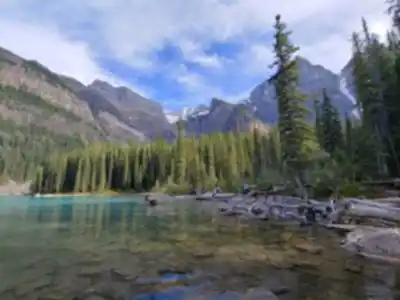
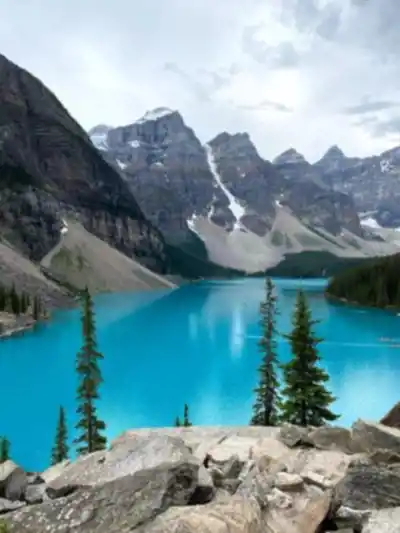
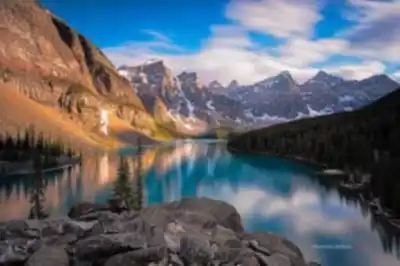
Moraine Lake sits like a turquoise jewel in the heart of Banff National Park, surrounded by the dramatic limestone and quartzite towers of the Valley of the Ten Peaks. This glacially-fed lake, located about 14 kilometers from Lake Louise, delivers one of the most photographed mountain scenes in the Canadian Rockies. The lake's famous electric blue color comes from glacial rock flour—ultra-fine particles ground by glaciers and suspended in the water that refract light in spectacular ways.
At 6,183 feet elevation, Moraine Lake serves as both a destination and a launching point for some of the region's most rewarding alpine adventures. The lake itself stretches about half a mile long, nestled in a valley that feels almost amphitheater-like with its encircling peaks. A short walk along the lakeshore or up the nearby rockpile gives you the classic postcard view, but the real magic happens when you venture onto the trails that radiate from this alpine hub.
Trail Options
Three main hiking routes offer distinctly different experiences, each showcasing different aspects of this remarkable landscape.
The Larch Valley Trail covers 4.3 miles round-trip with moderate difficulty, climbing through dense subalpine forest before opening into the expansive Larch Valley. You'll gain about 1,200 feet of elevation as the trail switchbacks through Engelmann spruce and subalpine fir before reaching the larch meadows. The larches here are particularly special—these deciduous conifers turn brilliant gold in late September and early October, creating one of the most spectacular autumn displays in the Rockies. Even in summer, the valley offers sweeping views of the Ten Peaks, with Mount Fay and Mount Little dominating the skyline.
For experienced hikers seeking a serious challenge, Sentinel Pass extends the Larch Valley route into a demanding 7-mile round-trip adventure. This trail climbs to 8,530 feet, making it one of the highest trail-accessible points in Banff National Park. The final push to the pass involves scrambling over loose rock and navigating steep terrain, but the payoff includes panoramic views across multiple valleys and mountain ranges. From the pass, you can see into Paradise Valley and across to the Wenkchemna Peaks. The terrain becomes increasingly alpine as you climb, with hardy wildflowers clinging to rocky slopes and pikas calling from the talus fields.
The Consolation Lakes Trail offers a completely different experience—a gentle 3.6-mile round-trip walk that's perfect for families or anyone wanting to explore without significant elevation gain. This trail follows Babel Creek through dense forest, crossing several wooden bridges before reaching two peaceful alpine lakes. The lower lake sits in a dramatic cirque beneath Mount Babel and Mount Fay, while the upper lake requires a bit of boulder-hopping to reach. The trail stays relatively flat, making it accessible for children and less experienced hikers while still delivering impressive mountain scenery.
The Hiking Experience
What sets Moraine Lake apart from other alpine destinations is the incredible variety of terrain you'll encounter within such a compact area. The shoreline trail offers easy walking on maintained paths with interpretive signs explaining the geology and ecology of the region. The famous rockpile viewpoint requires just a few minutes of scrambling over loose boulders, but rewards you with the iconic view that graced the old Canadian twenty-dollar bill.
As you venture onto the longer trails, the landscape transforms dramatically. Dense forest gives way to open meadows, then to stark alpine terrain where only the hardiest plants survive. The contrast between the turquoise lake below and the grey limestone peaks above creates a visual drama that's hard to match anywhere else in the Canadian Rockies.
Wildlife and Natural Features
Bear activity is common throughout the area—both black bears and grizzlies frequent the valley, particularly during berry season in late summer. Parks Canada requires groups of four or more on some trails during certain periods, and trail closures due to bear activity happen regularly. Mountain goats often appear on the steep slopes above the lake, while pikas and marmots inhabit the higher rockfields.
The surrounding peaks create a natural amphitheater that amplifies sounds and creates unique weather patterns. Avalanche chutes scar many of the mountainsides, evidence of the powerful forces that continue to shape this landscape. Glacial moraines—the rocky debris left behind by retreating glaciers—form the natural dam that created the lake itself.
Seasonal Considerations
The road to Moraine Lake typically opens in late June and closes with the first significant snowfall, usually in early to mid-October. This short season means timing your visit requires some planning. Early season visits in June and July offer the most reliable weather and longest days, but also the biggest crowds. Late July through August brings wildflower blooms to the higher elevations, while September offers cooler temperatures and the beginning of larch season.
Weather in this high-elevation environment can change rapidly regardless of season. Morning temperatures often hover near freezing even in summer, while afternoons can warm significantly. Thunderstorms frequently develop in the afternoons, particularly in July and August, bringing heavy rain and lightning to exposed ridges and passes.
Access and Logistics
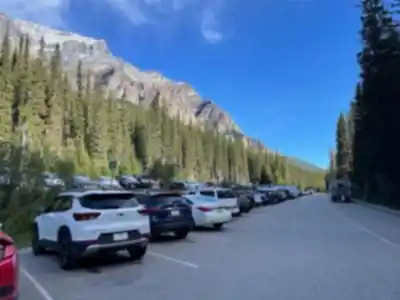
Parking at Moraine Lake fills completely during peak season, often by 6 AM on busy summer days. The parking lot holds about 300 vehicles, but demand far exceeds capacity from July through September. Arriving before sunrise gives you the best chance of securing a spot, plus you'll experience the lake in magical early morning light. Parks Canada has implemented a reservation system for the Moraine Lake Road during peak periods, so check current requirements before your visit.
If the parking lot is full, shuttle services operate from the overflow parking area at Lake Louise, though these can involve significant wait times during busy periods. Some visitors choose to stay at nearby accommodations and walk to the trailheads, though lodging in the area books up months in advance.
What to Expect
The terrain around Moraine Lake ranges from well-maintained gravel paths near the lake to rugged alpine routes on the higher trails. Water sources are generally reliable on all three main trails, but treating or filtering is recommended. The lake water itself is safe to drink but extremely cold year-round. Weather protection is essential—pack layers including a warm hat and gloves even on summer days, plus rain gear and extra food. Cell phone coverage is spotty to non-existent throughout most of the area.
The combination of dramatic scenery, varied trail options, and relatively easy access makes Moraine Lake one of the Canadian Rockies' most rewarding destinations, provided you plan for the crowds and variable mountain conditions that come with such a spectacular location.
Ready to go?
Everything you need to know before you goStarting Point
The moraine lake trails start at the moraine lake Lodge. To get there, take the Trans-Canada Highway (Hwy 1) to Lake Louise. Turn off at the Lake Louise exit and drive about 22 km to the moraine lake Lodge.
When?
How much?
- Hiking shoes Essential
- Layered clothing Essential
- Rain jacket Essential
- Trekking poles
- Headlamp
FAQ - Frequently asked questions
Everything you need to knowThe Essential Hiking Checklist
Everything you need for your next hike. Bilingual, printable, 1 page.
Download the free checklistSimilar hikes nearby
Discover other trails you might enjoy
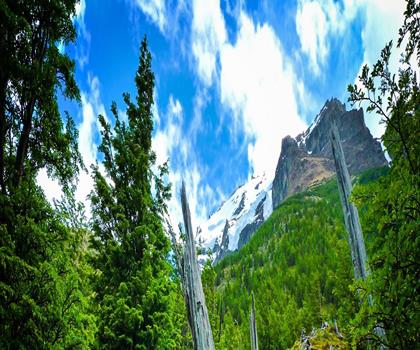
Fossil Mountain
Canadian Rockies
Snake Indian Mountain
Canadian Rockies
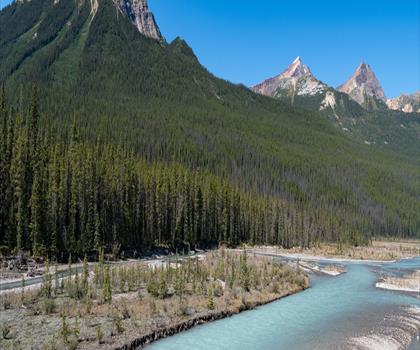
Mushroom Peak
Canadian Rockies
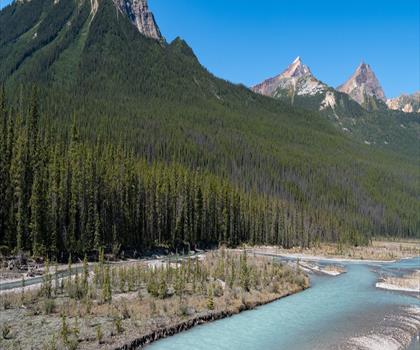
Mount Woolley
Canadian Rockies
Stutfield Peak
Canadian Rockies
Mount Sarbach
Canadian Rockies
Hiking near Banff
187 trails to explore ~46 km away
We work hard to provide the most up-to-date and error-free data possible. If something seems incorrect, let us know! Your contribution helps the whole community.
Hikers' opinions