
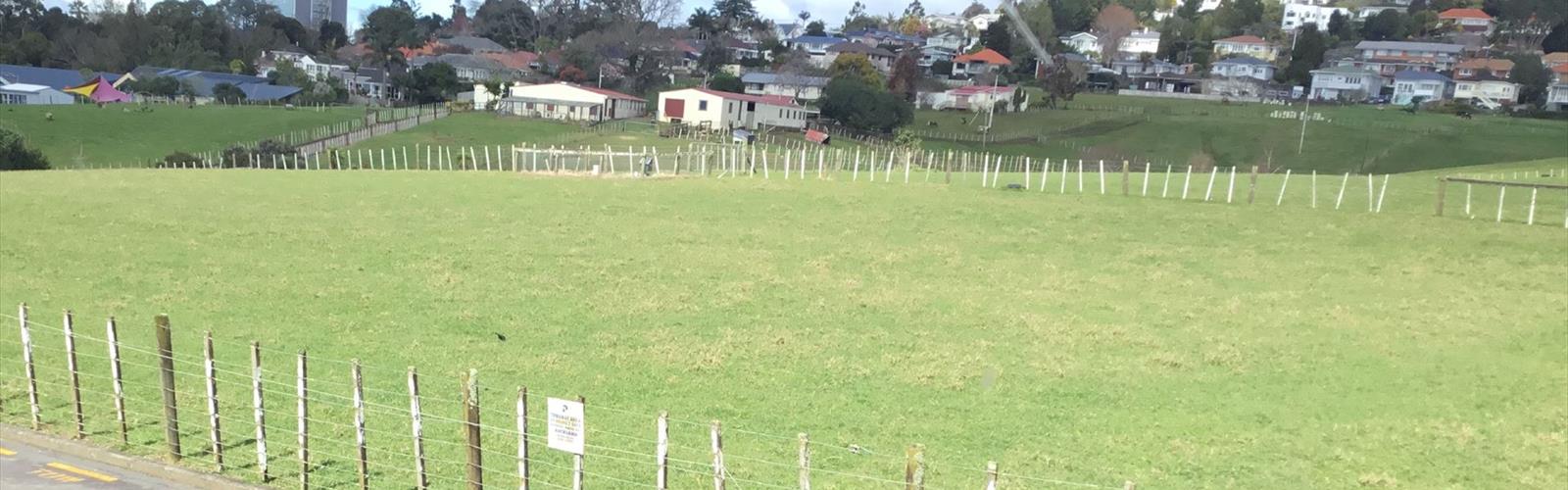

Ready to explore Mount Albert? Here's everything you need to know before you go!
Discover the trail
Trail description
Mount Albert stands as one of the Canadian Rockies' most rewarding hiking destinations, offering an experience that combines accessibility with genuine mountain adventure. This challenging 6.1-kilometer trail delivers the kind of varied terrain and sweeping views that make the Rockies legendary, without requiring technical climbing skills or extreme endurance.
The Mountain Experience
What sets Mount Albert apart is its ability to satisfy experienced hikers seeking a substantial challenge in a compact distance. The well-maintained trail system guides you through distinctly different environments as you navigate this hard-rated route. You'll start your ascent moving through dense forest sections where the canopy filters sunlight into dappled patterns on the trail. The forest floor here stays cool even on warm days, and the steady rhythm of walking through trees helps you settle into your hiking pace for the demanding terrain ahead.
As you progress along the trail, the forest begins to open up, revealing glimpses of the surrounding peaks through breaks in the trees. These preview moments build anticipation for what's coming. The trail then emerges into open meadows where the landscape transforms completely. Here, the path becomes more exposed, and you'll feel the full impact of the mountain environment – the thinner air, the intensity of the sun, and the scale of the peaks around you.
The rugged terrain sections provide the most character to this hike and justify its hard difficulty rating. Rocky outcrops and boulder fields require careful attention to foot placement and route-finding skills, but they also offer the best vantage points for taking in the panoramic views. From these elevated positions, you can see how Mount Albert fits into the broader landscape of peaks and valleys that define this part of the Canadian Rockies. The technical nature of these sections demands respect and proper preparation, making this trail best suited for hikers with solid mountain experience.
Trail Conditions and Navigation
The trail marking system on Mount Albert removes much of the navigation stress that can accompany challenging mountain hiking. The well-marked paths make it easy to stay on route, allowing you to focus on managing the demanding terrain rather than constantly checking your position. However, the varied conditions mean you'll encounter significantly different challenges as you progress through the 2 hour and 15 minute journey.
The forest sections typically offer the most consistent footing, with a well-established path that provides good traction. As you move into more open areas, the trail becomes increasingly technical with loose rock, steep sections, and exposure that requires mountain hiking experience. The meadow sections can present their own challenges, becoming muddy during wet periods or early in the season when snowmelt creates slippery conditions.
Weather conditions can change rapidly in the mountains, and Mount Albert's challenging nature means these changes have serious implications for safety. The technical terrain becomes significantly more difficult in wet conditions, and the hard rating of this trail means you need to be prepared for quick decision-making about whether to continue or turn back based on conditions.
Seasonal Considerations and Wildlife
Mount Albert transforms dramatically with the seasons, though the challenging nature of the trail means seasonal timing becomes crucial for safety and enjoyment. During the warmer months, the meadow sections come alive with wildflowers that create natural color displays against the mountain backdrop, but the technical sections require dry conditions for safe passage.
Autumn brings perhaps the most spectacular visual experience, with changing leaves creating rich displays of gold and red that contrast beautifully with the evergreen sections and gray rock faces. The crisp air of fall also tends to provide the clearest views, making this an ideal time for experienced hikers who can handle the technical terrain in cooler conditions.
Wildlife encounters add an element of excitement to any Mount Albert adventure. Deer are commonly spotted, particularly in the early morning hours when they're most active. Marmots inhabit the rocky areas and their distinctive whistles often alert you to their presence before you spot them. The open meadows and cliff areas provide excellent habitat for raptors, and seeing an eagle soaring at eye level while you're navigating the challenging terrain creates a memorable moment that captures the essence of serious mountain hiking in the Rockies.
Preparation and Safety
Successful hiking on Mount Albert requires thorough preparation, particularly given the hard difficulty rating and technical terrain. The layering system becomes critical here because you'll experience different temperatures as conditions change, and the physical demands of the challenging route will affect your body temperature regulation. Start with a moisture-wicking base layer, add an insulating layer for warmth, and carry a waterproof outer layer for protection against rapidly changing mountain weather.
Essential gear goes beyond basic hiking equipment for this challenging route. Sturdy, broken-in hiking boots with good ankle support are crucial for the technical terrain. Trekking poles can provide valuable stability on the rocky sections and steep grades. Bring significantly more water than you would for easier hikes – the demanding nature of the trail and mountain air increase hydration needs substantially.
A detailed topographic map and compass should be standard gear, even with good trail marking. GPS devices or smartphone apps with offline maps provide additional navigation security. Given the hard difficulty rating, this trail is not suitable for solo hiking unless you're an experienced mountaineer. Having a hiking partner enhances both safety and enjoyment, and someone reliable should always know your planned route and expected return time.
Environmental Responsibility
Mount Albert's pristine condition and the integrity of its challenging terrain depend on every visitor taking responsibility for their impact. The Leave No Trace principles become even more critical on demanding trails where rescue operations are complex and environmental damage takes longer to heal. Stay on designated trails to prevent erosion, especially important given the technical terrain that could become dangerous if unofficial routes develop.
Pack out all waste without exception, including organic materials that don't belong in this ecosystem. The challenging nature of the trail means any waste left behind creates additional hazards for other hikers navigating technical sections. Wildlife should remain wild – avoid feeding animals or leaving food accessible to them, as habituated wildlife can become dangerous on demanding trails where escape options are limited.
The Essential Hiking Checklist
Everything you need for your next hike. Bilingual, printable, 1 page.
Get your free hiking checklistRecommended gear for this trail
As an Amazon Associate I earn from qualifying purchases.


Ready to go?
Everything you need to know before you goStarting Point
The mount albert trailhead is located on Township Road 564, about 2 km west of the Hamlet of mount albert.
When?
How much?
As an Amazon Associate I earn from qualifying purchases.
Affiliate links — LGPO may earn a commission at no extra cost to you.
- Hiking shoes Essential
- → Salomon Elixir Tour Mid WP · 203.38 $
- Layered clothing Essential
- Rain jacket Essential
- Trekking poles
- → Black Diamond Trail Ergo Cork · 69.99 $
- Headlamp
- → Petzl Actik Core 625 · 103.95 $
FAQ - Frequently asked questions
Everything you need to knowSimilar hikes nearby
Discover other trails you might enjoy
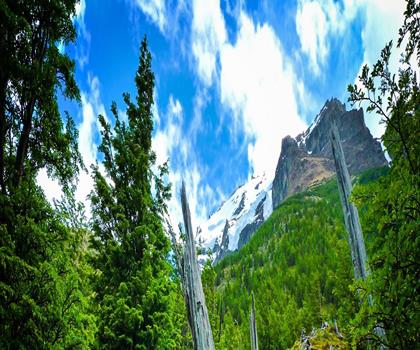
Fossil Mountain
Canadian Rockies

Snake Indian Mountain
Canadian Rockies
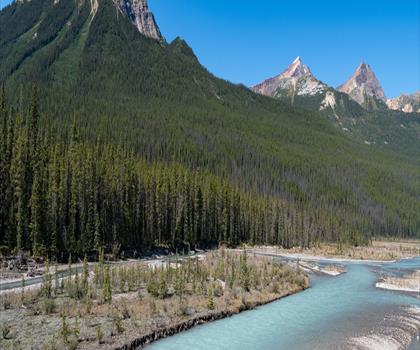
Mushroom Peak
Canadian Rockies
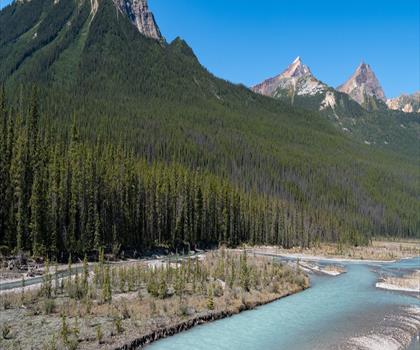
Mount Woolley
Canadian Rockies
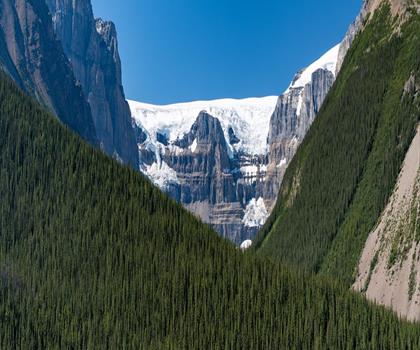
Stutfield Peak
Canadian Rockies
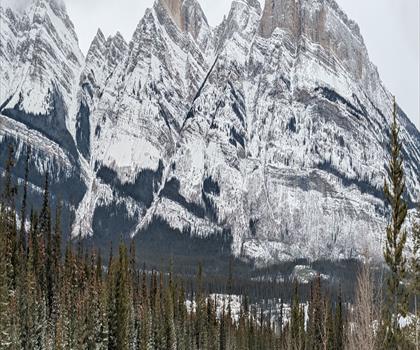
Mount Sarbach
Canadian Rockies
Hiking near Barrie
146 trails to explore ~42 km away
We work hard to provide the most up-to-date and error-free data possible. If something seems incorrect, let us know! Your contribution helps the whole community.
Hikers' opinions
Be the first to review!
No hiker has shared their experience yet. Share your impressions and help other hikers!