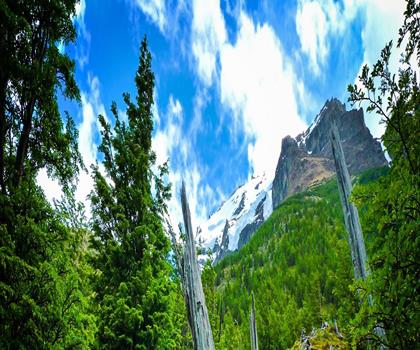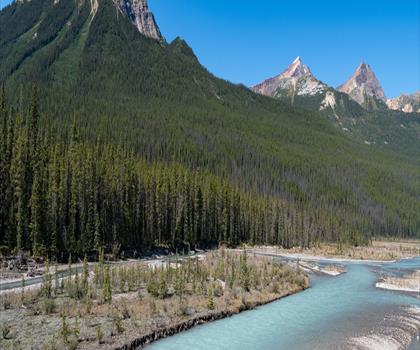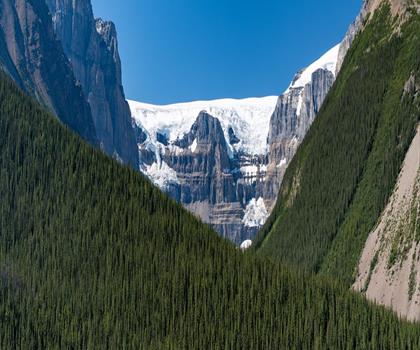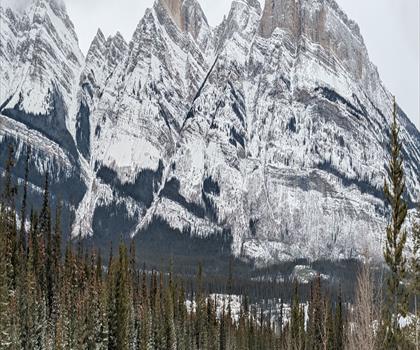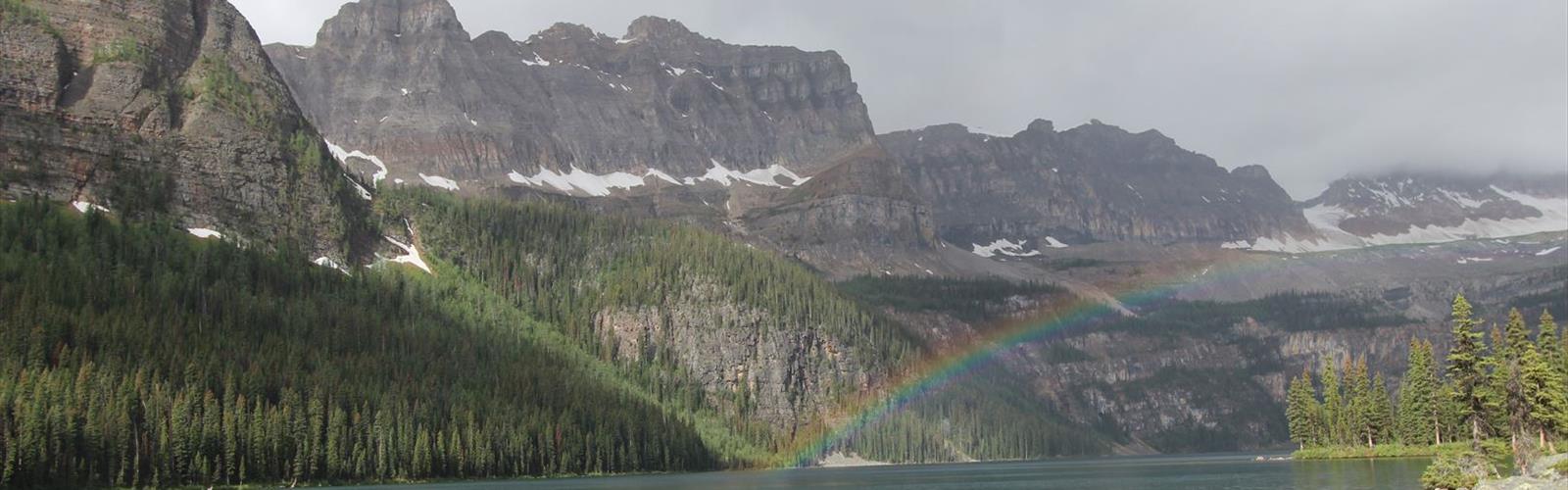
Hiking Mount Bell - panoramic view  tree outdoor landscape nature mountain sky autumn plant cloud background lake painting forest surrounded distance
--°C
Loading...
See forecast →

Hiking in Mount Bell: trails, map and practical info

Canadian Rockies • Alberta

4.3 Appreciated by 44 hikers
François Dumaine
By François DumaineContributor since 2013Updated 26/05/2026
Difficulty
Moderate
Distance
9 km
Elevation
532 ft
Duration
3h30
Max altitude
2,018 ft

Explore Alberta's northern wilderness on this 9.3 km moderate trail with 532 m elevation gain in the Canadian Rockies. Mount Bell rewards hikers with 3.5 hours of diverse terrain—from boreal forest to alpine meadows—and panoramic summit views that stretch across wave after wave of peaks.

Recommended for :
Intermediate hikers

Ready to explore Mount Bell? Here's everything you need to know before you go!

Discover the trail
Oh no! We don't have any photos 😢

This trail hasn't been captured yet. Be the first to share your adventure!

Trail description

Description

Mount Bell stands as one of the Canadian Rockies' most rewarding moderate hikes, offering an ideal balance between accessibility and alpine adventure. This 9.3-kilometer trail climbs 532 meters through diverse mountain terrain, delivering spectacular summit views after approximately 3.5 hours of hiking. Located in Alberta's pristine wilderness, Mount Bell provides an authentic Rocky Mountain experience without the technical challenges of more demanding peaks.

The mountain showcases the dramatic transition from dense boreal forest to exposed alpine terrain that defines the Canadian Rockies. Unlike some of the region's busier destinations, Mount Bell maintains a sense of wilderness solitude while remaining accessible to hikers with moderate experience and fitness levels.

Trail Experience and Terrain

The Mount Bell trail begins in thick coniferous forest, where towering spruce and fir trees create a cathedral-like canopy overhead. The initial kilometers follow well-maintained paths through this forest environment, with soft needle-covered ground underfoot and the constant sound of wind moving through the branches above.

As elevation increases, the dense forest gradually opens into subalpine meadows and clearings. These transitional zones reveal the first glimpses of the surrounding peaks and provide natural rest stops with increasingly impressive views. The terrain becomes more varied here, with rocky outcrops and small stream crossings adding interest to the hiking experience.

The upper sections of the trail traverse more exposed terrain, where granite formations and loose scree require careful footing. While never technically difficult, these areas demand attention and proper hiking boots. The final approach to the summit involves navigating rocky terrain that provides excellent handholds and stable footing for confident hikers.

Each elevation zone offers distinct hiking experiences. The cool, shaded forest sections provide relief during warm weather, while the open alpine areas deliver the expansive views and sense of achievement that draw hikers to the Canadian Rockies. The well-marked trail system ensures navigation remains straightforward throughout the ascent.

Summit Views and Alpine Environment

Mount Bell's summit rewards hikers with panoramic views that encompass the full grandeur of the Canadian Rockies. The 360-degree vistas reveal wave after wave of peaks extending to the horizon, with deep valleys carved by ancient glacial action creating dramatic foreground elements. On clear days, the view extends far into Alberta's wilderness, showcasing the vast scale of this mountain landscape.

The summit area itself provides multiple vantage points and comfortable spots for extended breaks. Rocky platforms create natural viewing areas, while sheltered nooks offer protection from wind during rest stops. The interplay of light and shadow across the surrounding ridges changes throughout the day, providing constantly evolving photographic opportunities.

Weather conditions at elevation can shift rapidly, transforming the summit experience from crystal-clear visibility to dramatic cloud formations. Even when clouds obscure distant peaks, the immediate surroundings often remain visible, and breaks in the weather frequently provide spectacular moments when sunlight illuminates the landscape.

Wildlife and Natural Features

The diverse ecosystems along Mount Bell's trail support abundant wildlife throughout the hiking season. White-tailed deer and mule deer frequently browse in the meadows and forest clearings, particularly during early morning and evening hours when they're most active. Observing these animals in their natural habitat adds an extra dimension to the hiking experience.

Marmots inhabit the rocky areas near and above treeline, their distinctive whistles often serving as the soundtrack for the upper portions of the hike. These social animals can frequently be observed sunning themselves on warm rocks or alerting their colonies to potential threats with their sharp calls.

The region's bird life includes species adapted to mountain environments. Raptors such as hawks and eagles soar along the ridges, taking advantage of thermal currents rising from the valleys below. Smaller songbirds populate the forest sections, while patient observers may spot ptarmigan and other alpine specialists in the higher elevations.

Maintaining respectful distances from all wildlife protects both animals and hikers while often providing better viewing opportunities. The Leave No Trace principles become particularly important in these northern mountain ecosystems, where short growing seasons mean recovery from disturbance takes much longer than in more temperate regions.

Seasonal Conditions and Preparation

Alberta's mountain climate creates a distinct hiking season for Mount Bell, typically running from late June through early September. Snow can persist at higher elevations well into summer, while early autumn storms may bring winter conditions back to the peaks unexpectedly. Checking current weather forecasts and trail conditions before departure is essential for safe and enjoyable hiking.

Temperature variations between the forested trailhead and exposed summit can be substantial, requiring layered clothing systems that adapt to changing conditions. Sturdy hiking boots with good ankle support handle the varied terrain from forest paths to rocky scrambles effectively. The moderate distance and elevation gain make this an excellent training objective for more ambitious peaks.

Essential gear includes ample water for the full day, high-energy snacks, and emergency supplies for unexpected weather changes. The exposed nature of the upper mountain means conditions can deteriorate quickly, making items like rain gear and insulating layers important even on seemingly perfect days. A headlamp extends options for early starts or longer days exploring the summit area.

Access and Planning Considerations

Before heading out for Mount Bell, inform reliable contacts about your hiking plans and expected return time. The mountain's location in Alberta's wilderness means cell phone coverage is unreliable, making pre-trip communication your primary safety backup. Solo hikers should be particularly thorough in their trip planning and emergency preparedness.

The trail's moderate rating assumes basic mountain hiking experience and reasonable fitness levels. While not technically challenging, the combination of distance, elevation gain, and potentially variable weather requires more preparation than casual day hikes. Mount Bell serves as an excellent introduction to the Canadian Rockies for hikers ready to step up from easier terrain.

Protecting Mount Bell's pristine environment requires commitment to conservation practices from every visitor. Staying on designated trails prevents erosion and protects fragile alpine vegetation that may require decades to recover from damage. Packing out all trash, including organic waste, maintains the wilderness experience for future hikers and protects local wildlife from exposure to harmful human food sources.

Ready to go?

Everything you need to know before you go

Where?

Address
Mount Bell, Alberta T0L, Canada
GPS coordinates
51.2847222, -116.1013888
Phone
Not available

Starting Point

The mount bell is located in Alberta. To get to the start of the trails, take Highway 40 west from Calgary to the Kananaskis Village. Turn left onto the Smith Dorrien Trail (Highway 742) and drive for about 16 km. The trailhead is on the right side of the road.

When?

Opening hours
From sunrise to sunset
Varies by season
Best season
Fall
Spectacular colors
Best time
Early morning
Less crowded
Weather (next days)
Loading

How much?

Entry fees
Adult
Not available
Child
What to bring?
Gear
  • Hiking shoes Essential
  • Layered clothing Essential
  • Rain jacket Essential
  • Trekking poles
  • Headlamp
Download the PDF checklist
Water & food
2L minimum
No water point on the trail
Bring energy snacks for a 4h+ hike
Good to know
Park rules
No dogs
Safety
Download the GPX before you go
Limited cellular coverage on the trail
Slippery after rain
Be careful on rocky sections
In an emergency
Emergency
911
Parking GPS
51.2847222, -116.1013888
Center
Not available

Hikers' opinions

4.3
20 Reviews
M
Marcus
Oct 15, 2025
This peak offers exceptional scrambling through Wonder Pass with outstanding photo opportunities throughout the route. Encountered mountain goats and pikas during the ascent, making wildlife viewing a highlight. The final summit pyramid looks daunting but is manageable with solid technique and experience. October provided ideal conditions with stable weather patterns and noticeably fewer crowds than summer months.
S
Sarah
Sep 22, 2025
Autumn conditions created a spectacular contrast between valley colors and snow-dusted upper elevations. Navigation became more complex due to early season snow patches that required careful route-finding skills. The visual beauty was stunning but conditions can deteriorate rapidly at elevation. Essential to verify current weather and snow conditions before attempting this challenging route.
S
Sarah
Sep 22, 2025
Autumn conditions were absolutely spectacular with fresh snow creating beautiful contrast against the fall colors below treeline. Navigation became more complex with early season snow patches requiring careful route-finding. Essential to check current weather and trail conditions before attempting this technical scramble.
R
Rachel
Aug 19, 2025
Had to turn back around 2400m due to rapidly deteriorating weather conditions and increased rockfall danger. Started at 5 AM to avoid afternoon thunderstorms but clouds moved in faster than anticipated. The forest approach was pleasant, but this peak demands serious respect and perfect timing. Rockfall risk increases significantly as temperatures warm throughout the day.
J
Jennifer
Jul 14, 2025
Challenging scramble that really pushes your technical abilities to the limit. Parking at the trailhead fills up quickly during peak season, so arriving early is crucial for securing a spot. Morning wildlife activity was impressive with several mountain goats visible on upper slopes. Trekking poles are absolutely essential for the demanding descent through loose scree sections.

FAQ - Frequently asked questions

Everything you need to know
Moderate
532.00 m
2018.00 m
3h30
No
No
Mount Bell trail is rated as moderate difficulty, which means it may be challenging for complete beginners. The trail requires some hiking experience and a reasonable fitness level due to its 532m elevation gain over 9.3 km.
The Mount Bell trailhead is located on the right side of Smith Dorrien Trail (Highway 742), about 16 km from Kananaskis Village. To reach it, take Highway 40 west from Calgary to Kananaskis Village, then turn left onto Highway 742 and drive approximately 16 km.
Didn't find your answer?
Free 1 pages

The Essential Hiking Checklist

Everything you need for your next hike. Bilingual, printable, 1 page.

Download the free checklist
Top 10 best hiking in Canadian Rockies
Our ranking based on hiker reviews

Hiking near Banff

187 trails to explore ~39 km away

View trails
Did you spot an error?

We work hard to provide the most up-to-date and error-free data possible. If something seems incorrect, let us know!

Update : June 2026