
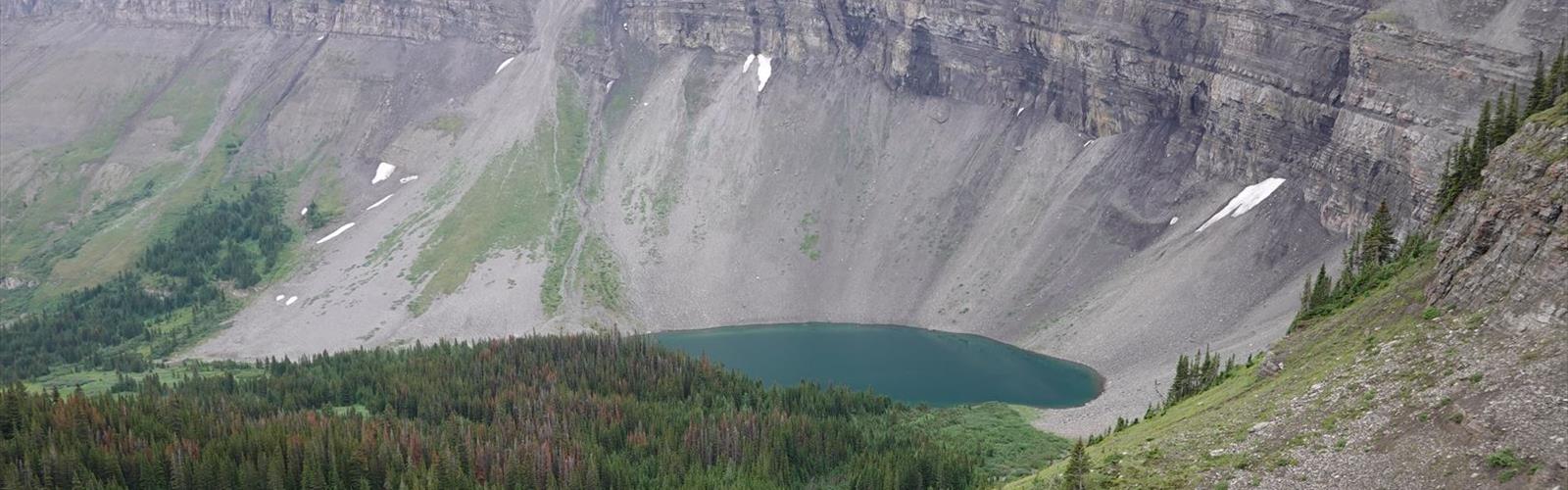

Ready to explore Mount Brett? Here's everything you need to know before you go!
Discover the trail
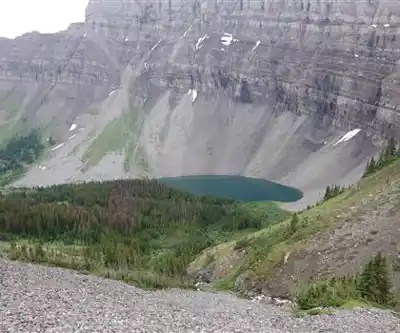
Trail description
Mount Brett stands as one of the Canadian Rockies' more serious hiking challenges, rising dramatically from the Bow Valley corridor near Banff National Park. This imposing peak demands respect with its substantial 2984-meter elevation gain over 26 kilometers, creating a full-day mountain adventure that separates casual hikers from those seeking genuine alpine experiences in Alberta's mountain wilderness.
Despite being classified as an easy hike technically, don't let that fool you—the sheer scale of Mount Brett makes it a formidable undertaking. The 12.5-hour estimated duration reflects the commitment required to tackle this mountain properly. Located conveniently along the well-traveled corridor between Banff and Lake Louise, Mount Brett offers serious mountain terrain without requiring complex backcountry logistics.
The Climbing Experience
Your day on Mount Brett begins in the dense montane forests that characterize the lower elevations of the Canadian Rockies. The initial kilometers wind through thick stands of spruce and fir, where the canopy creates a cool, cathedral-like atmosphere. The trail maintains steady upward progress from the start, and you'll quickly understand why this mountain commands such a long day despite its technical ease.
The forest section provides excellent warm-up terrain as your legs adjust to the sustained climbing ahead. Well-marked trails keep navigation straightforward, allowing you to focus on finding your rhythm for the long ascent. The moderate technical difficulty means the trail itself rarely presents obstacles, but the relentless upward trend demands steady pacing and energy management.
As elevation increases, the enclosed forest environment gradually opens into subalpine meadows where the true character of the Canadian Rockies reveals itself. This transition marks one of the most rewarding aspects of climbing Mount Brett—the dramatic shift from intimate forest corridors to expansive alpine terrain. The meadow zones showcase the diverse ecosystems that make Rocky Mountain hiking so compelling, with distinct plant communities adapted to the harsh alpine environment.
The upper reaches of Mount Brett deliver the panoramic rewards that justify the substantial effort required to reach them. From these elevated vantage points, the surrounding peaks and valleys spread out in all directions, offering the kind of sweeping mountain vistas that define the Canadian Rockies experience. Photographers will find countless opportunities to capture the dramatic interplay of jagged peaks, deep valleys, and the sense of endless wilderness that characterizes this region.
Wildlife and Alpine Ecology
Mount Brett's diverse elevation zones create habitat for the full spectrum of Rocky Mountain wildlife. The mountain's substantial vertical relief means you'll potentially encounter species adapted to everything from dense forest environments to harsh alpine conditions during a single hike.
Mountain goats represent the most spectacular wildlife possibility on Mount Brett's upper elevations. These remarkable climbers inhabit the rocky terrain and cliff faces that seem impossibly steep to human visitors. Spotting mountain goats adds an unforgettable element to any Mount Brett ascent, as they demonstrate the incredible adaptations that allow large mammals to thrive in such demanding terrain.
The alpine meadow zones host healthy populations of marmots, whose distinctive whistles often echo across the mountainsides long before the animals come into view. These large ground squirrels are generally tolerant of hikers, making them excellent subjects for wildlife observation and photography. Their social behavior and communication patterns add an engaging soundtrack to the alpine portions of the climb.
Grizzly bears inhabit the Mount Brett area, adding an authentic wilderness element to the hiking experience. While encounters remain relatively uncommon, the possibility keeps hikers connected to the wild nature of the environment and emphasizes the importance of proper bear safety practices throughout the ascent.
The plant communities change dramatically with elevation, creating distinct ecological zones that showcase the incredible diversity of Rocky Mountain flora. During peak growing season, the alpine meadows transform into spectacular wildflower displays, though the timing and intensity vary significantly based on weather patterns and snowpack conditions.
Seasonal Conditions and Planning
Mount Brett's substantial elevation gain means seasonal timing becomes crucial for safe and enjoyable hiking. Late spring through early fall provides the most reliable access, though mountain conditions can change rapidly regardless of season. The extended duration required for Mount Brett makes weather stability particularly important for trip planning.
Spring conditions often feature snow in the upper elevations even when lower trails appear clear and dry. This can significantly complicate navigation and increase the technical demands of the upper mountain. Summer offers the most predictable conditions and the best opportunities for wildflower displays, making it the preferred season for most hikers tackling Mount Brett.
Early fall can provide exceptional hiking conditions with crisp air, excellent visibility, and the changing colors of alpine vegetation. However, weather systems become increasingly unpredictable as the season progresses, and early snowfall can occur at higher elevations with little warning.
Preparation and Safety Considerations
The combination of significant elevation gain, extended duration, and mountain environment makes proper preparation essential for Mount Brett. The 26-kilometer distance and 12.5-hour timeframe demand careful attention to gear selection, nutrition, and physical readiness.
Sturdy hiking footwear becomes particularly important given the varied terrain and potentially loose rock in the upper sections. Weather protection is crucial since conditions can deteriorate rapidly at elevation, and the extended exposure time increases vulnerability to weather changes. Carrying adequate layers allows you to adapt to the significant temperature variations between trailhead and summit elevations.
Water and nutrition planning requires special attention for Mount Brett's extended duration. The sustained climbing and mountain air increase dehydration risk, while the long day demands careful energy management through proper fueling. Pack sufficient food and water to maintain performance throughout the entire ascent and descent.
Hiking with companions is strongly recommended for Mount Brett, both for safety and enjoyment. The mountain environment presents various potential hazards, and the extended duration increases exposure to changing conditions. Having reliable hiking partners significantly improves safety margins while enhancing the overall experience of tackling such a substantial mountain objective.
Access and Location
Mount Brett's position near Banff National Park provides excellent access via the established infrastructure of the Bow Valley. Well-maintained roads from either Banff townsite or Lake Louise lead to the trailhead, allowing hikers to focus on the mountain challenge rather than complex approach logistics.
This accessibility represents one of Mount Brett's key advantages—the opportunity to tackle a serious mountain objective without requiring extensive backcountry travel or complicated planning. The proximity to full services in nearby towns means you can resupply easily and focus your energy on preparing for the substantial physical challenge that Mount Brett presents.
The Essential Hiking Checklist
Everything you need for your next hike. Bilingual, printable, 1 page.
Get your free hiking checklistRecommended gear for this trail
As an Amazon Associate I earn from qualifying purchases.


Ready to go?
Everything you need to know before you goStarting Point
The mount brett trails are located in the Kananaskis Country area of Alberta. To get to the start of the trails, take Highway 40 south from Calgary and turn left onto the Smith-Dorrien Trail (Highway 742). The trailhead is located about 26 km from the turnoff.
When?
How much?
As an Amazon Associate I earn from qualifying purchases.
Affiliate links — LGPO may earn a commission at no extra cost to you.
- Hiking shoes Essential
- → Salomon Elixir Tour Mid WP · 203.38 $
- Layered clothing Essential
- Rain jacket Essential
- Trekking poles
- → Black Diamond Trail Ergo Cork · 69.99 $
- Headlamp
- → Petzl Actik Core 625 · 103.95 $
FAQ - Frequently asked questions
Everything you need to knowSimilar hikes nearby
Discover other trails you might enjoy
Fossil Mountain
Canadian Rockies

Snake Indian Mountain
Canadian Rockies
Mushroom Peak
Canadian Rockies
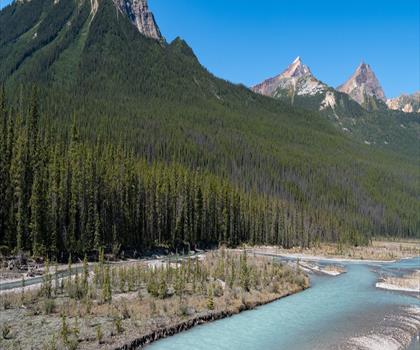
Mount Woolley
Canadian Rockies
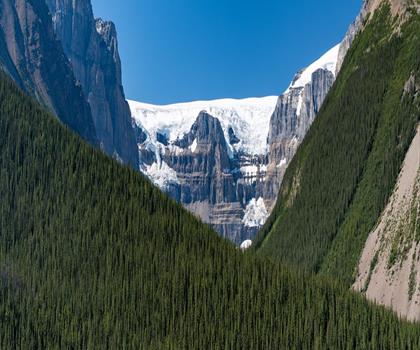
Stutfield Peak
Canadian Rockies
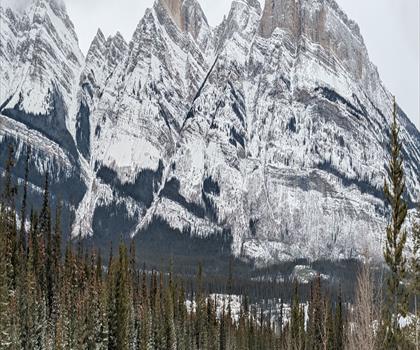
Mount Sarbach
Canadian Rockies
Hiking near Banff
187 trails to explore ~17 km away
We work hard to provide the most up-to-date and error-free data possible. If something seems incorrect, let us know! Your contribution helps the whole community.
Hikers' opinions
Be the first to review!
No hiker has shared their experience yet. Share your impressions and help other hikers!