
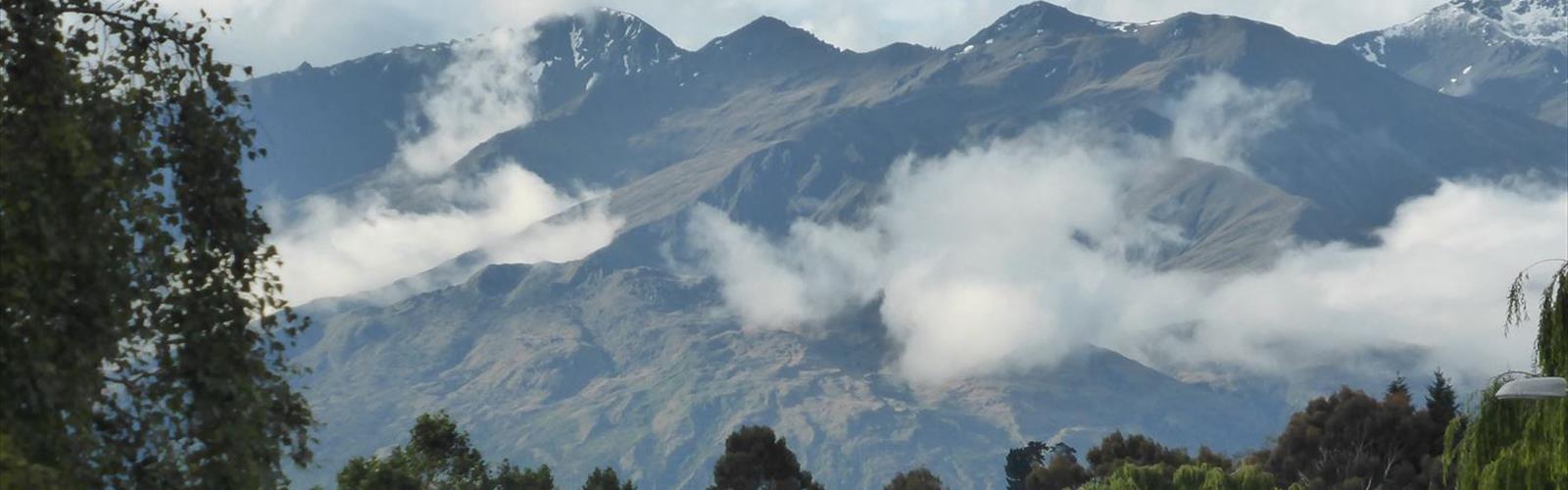

Ready to explore Mount Burke? Here's everything you need to know before you go!
Discover the trail
Trail description
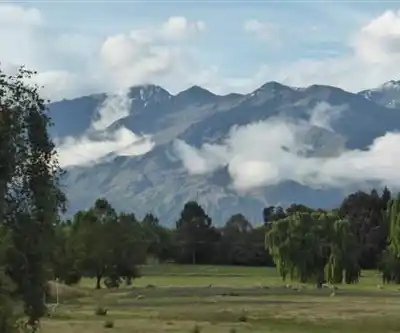
Mount Burke rises 2,540 meters (8,333 feet) above sea level in Kananaskis Country, making it one of the more rewarding summit destinations in the Canadian Rockies. What sets it apart from many peaks in the area is the historic fire lookout perched on top — a weathered wooden structure that doubles as both a tangible goal and an incredible panoramic platform. And unlike some of the more famous summits nearby, you're unlikely to be fighting for elbow room at the top.
The round-trip trail covers 14 kilometers (8.7 miles) with significant elevation gain, moving through several distinct terrain zones on the way up. The route is well-defined throughout, though the upper section involves some scrambling over loose rock and scree before you reach the lookout.
On the Trail
The hike starts at Cataract Creek Campground, where the path immediately begins climbing through dense montane forest — spruce, fir, and pine providing solid shade in the early going. The first few kilometers follow switchbacks that build elevation steadily without anything too punishing. You'll cross a few small creek beds along the way; some run year-round, others dry up by late summer depending on snowpack.
The forest stretch means limited views for a while, but it's good warm-up terrain and keeps things comfortable on hot days. Around the halfway point, the trees give way to open subalpine meadows, and that's where the hike really opens up. The surrounding Kananaskis peaks come into full view, with valleys stretching out toward the Continental Divide. It's a natural spot to catch your breath and take in the scale of the landscape before tackling the upper mountain.
The final push to the summit is the most demanding section. The grade steepens and the footing gets looser as you navigate rock and scree toward the top. The old fire lookout becomes visible from below, sitting dramatically on the rocky summit. From the lookout platform itself, you get a full 360-degree panorama — the Bow Valley spread out below, Mount Assiniboine visible in the distance, and the broad wilderness of Kananaskis Country in every direction.
The Fire Lookout
The historic fire lookout is the defining feature of this hike and worth mentioning on its own. The structure shows its age, but it remains sturdy enough to climb for those comfortable with heights. Keep in mind it's not maintained for public use, so approach it with appropriate caution. That said, it's a genuinely cool piece of mountain history, and the views from the platform are hard to beat anywhere in the region.
Wildlife and Wildflowers
Mount Burke sits in solid Rocky Mountain wildlife habitat. Marmots are a reliable sighting in the upper meadows — you'll often hear their sharp warning whistles before you see them. Elk are common in the area, especially during early morning and evening. Mountain goats occasionally appear on the rocky upper slopes, though they typically keep their distance from the trail.
From late June through August, the meadow sections put on a strong wildflower show. Indian paintbrush, alpine forget-me-nots, and mountain avens add color against the gray limestone backdrop. These same open areas are worth slowing down in for wildlife photography, since animals tend to graze here during the cooler parts of the day.
Bird life changes as you gain elevation. In the forest, you'll encounter woodpeckers and gray jays. Higher up, Clark's nutcrackers are common, and various hawk species ride the thermals around the summit. Near the top, keep an eye out for ptarmigan — they blend into the rocky terrain remarkably well.
Getting There
Mount Burke is accessed via Highway 40 in Kananaskis Country. The trailhead is at Cataract Creek Campground, which has adequate parking and clear trail markers for the Mount Burke route. Basic facilities at the campground include pit toilets and picnic tables, but there's no potable water available. The access road is well-maintained and suitable for regular passenger vehicles, though winter driving conditions require appropriate tires.
From Calgary, the drive is roughly 90 minutes. From Canmore, you're looking at about 45 minutes.
What to Know Before You Go
Most hikers complete the round trip in 6 to 8 hours, depending on pace and time spent at the summit. The trail is generally snow-free from late June through October, with July and August offering the most reliable conditions.
Weather in the Rockies can shift quickly, especially at elevation. Pack layers — a warm jacket and rain protection are worth carrying even when the forecast looks clear. The exposed upper sections offer no shelter from wind or sudden precipitation. Sturdy hiking boots are a practical necessity given the loose rock on the final approach.
Water sources along the trail are unreliable, particularly later in the season. Carry at least 2 to 3 liters per person — the combination of elevation, distance, and summer heat makes dehydration a genuine concern. Cell coverage is spotty for most of the route, though you may pick up a signal at the summit. Let someone know your plans and expected return time before you head out.
The Essential Hiking Checklist
Everything you need for your next hike. Bilingual, printable, 1 page.
Get your free hiking checklistRecommended gear for this trail
As an Amazon Associate I earn from qualifying purchases.


Ready to go?
Everything you need to know before you goStarting Point
The mount burke is located in Alberta. To get to the start of the trails, take Highway 40 west from Calgary to the Kananaskis Village. Turn left onto the mount burke Road and drive to the end of the road.
When?
How much?
As an Amazon Associate I earn from qualifying purchases.
Affiliate links — LGPO may earn a commission at no extra cost to you.
- Hiking shoes Essential
- → Salomon Elixir Tour Mid WP · 203.38 $
- Layered clothing Essential
- Rain jacket Essential
- Trekking poles
- → Black Diamond Trail Ergo Cork · 69.99 $
- Headlamp
- → Petzl Actik Core 625 · 103.95 $
FAQ - Frequently asked questions
Everything you need to knowSimilar hikes nearby
Discover other trails you might enjoy
Fossil Mountain
Canadian Rockies

Snake Indian Mountain
Canadian Rockies
Mushroom Peak
Canadian Rockies
Mount Woolley
Canadian Rockies
Stutfield Peak
Canadian Rockies
Mount Sarbach
Canadian Rockies
Hiking near Calgary
120 trails to explore ~90 km away
We work hard to provide the most up-to-date and error-free data possible. If something seems incorrect, let us know! Your contribution helps the whole community.
Hikers' opinions
Be the first to review!
No hiker has shared their experience yet. Share your impressions and help other hikers!