
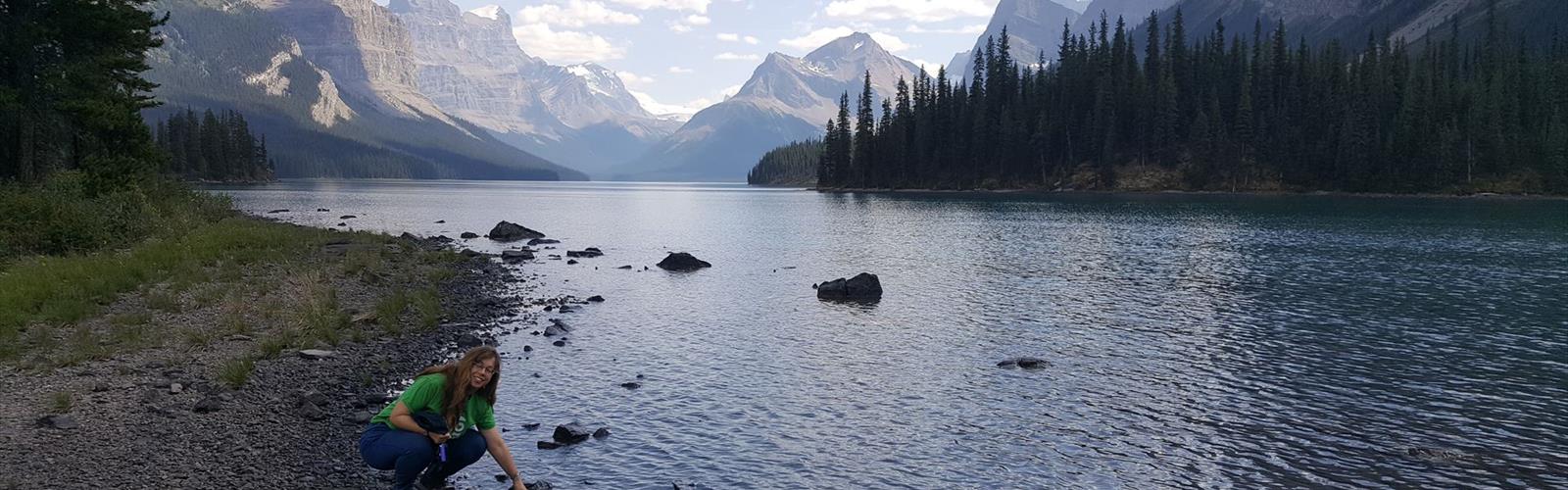

Ready to explore Mount Charlton? Here's everything you need to know before you go!
Discover the trail
Trail description
Mount Charlton rises in the Alberta Canadian Rockies, offering hikers an exceptional adventure playground that peaks at 3,240 metres in elevation. This mountain massif impresses with its rugged terrain and diverse landscapes that change over the course of the ascent, from dense forests to exposed rocky ridges.
The main route extends about 22 kilometres and generally takes 10h45 of walking for experienced hikers. This estimate may vary depending on weather conditions and your personal pace. The trail crosses a mosaic of remarkable natural environments: you will begin your ascent via the Athabasca River Trail, progressing through varied zones dotted with small glacial lakes with crystal-clear waters.
The ecological diversity of Mount Charlton in Jasper National Park is one of its major attractions. The mixed forests are home to varied wildlife, including deer that you may observe early in the morning or at the end of the day, as well as numerous native bird species. The wetlands create special microhabitats where the vegetation changes noticeably, offering welcome visual breaks during the effort.
The terrain presents varied challenges that maintain interest throughout the hike. The passages along the rocky ridges offer spectacular panoramas over the surrounding region. The significant elevation of 3,240 m and certain rugged passages, combined with the 22 km distance, place this hike in the very difficult category and require advanced mountaineering skills.
Routes and route options
Beyond the main trail via the Athabasca River Trail, Mount Charlton offers several alternative routes that let you explore more of the massif according to your preferences and your energy level. Loops of different lengths suit hikers wishing to vary their experience, while out-and-back routes lead to specific points of interest.
These alternative options offer welcome flexibility for planning your outing. It is important to note that this hike requires excellent physical condition and advanced mountaineering skills, which makes it inadvisable for families with children and for inexperienced hikers. The trails must be carefully prepared for with specialized equipment.
Essential practical information
Mount Charlton is located in Jasper National Park. Dogs are welcome on the trails, but must absolutely remain on a leash at all times to protect local wildlife and ensure the safety of all users.
As for families, this hike is not appropriate for children because of its very high difficulty and its technical demands. The whole route remains demanding and requires good physical condition as well as mountaineering experience.
Seasonal conditions and planning
The alpine climate of the Canadian Rockies greatly influences the hiking experience depending on the season chosen. Summers offer the best conditions for walking, with nature in full bloom revealing all the ecological richness of the site. Spring and autumn also offer excellent opportunities, with mild temperatures.
Snowy winters completely change the character of the terrain and call for specialized preparation. The optimal period therefore runs from spring to autumn for most hikers, when the trails remain passable without specialized winter equipment.
Recommended equipment and preparation
The demanding and technical nature of the terrain at Mount Charlton requires suitable equipment to ensure your safety and comfort. Sturdy hiking shoes are the most crucial item, providing the grip and support needed on rocky and rugged passages. Trekking poles prove particularly useful for keeping your balance and reducing fatigue on the pronounced climbs and descents.
Plan for clothing suited to changing weather conditions at altitude, including a waterproof layer even in seemingly stable weather. Weather conditions can change quickly in the mountains. Bring enough water and energy snacks to sustain your effort over the estimated 10h45 of walking. Specialized mountaineering equipment may be necessary depending on conditions.
A topographic map or a reliable GPS will help you navigate with confidence. A charged phone with built-in GPS is a welcome additional safety measure.
Safety considerations
Safety in the mountains rests on careful preparation and respect for simple but essential rules. Systematically check the weather forecast before your departure and do not hesitate to postpone your outing if conditions look unfavourable. Always tell someone close to you about your planned route and your estimated return time.
A basic first-aid kit can prove valuable in case of minor injury. Scrupulously respect the signage and local rules, which are intended to protect both visitors and the fragile natural environment of Mount Charlton.
The Essential Hiking Checklist
Everything you need for your next hike. Bilingual, printable, 1 page.
Get your free hiking checklistRecommended gear for this trail
As an Amazon Associate I earn from qualifying purchases.


Ready to go?
Everything you need to know before you goStarting Point
The mount charlton trails are located in the Kananaskis Country area of Alberta. To get to the start of the trails, take Highway 40 south from Calgary and turn left onto the Smith-Dorrien/Spray Lakes Road (Highway 742). Continue on the Smith-Dorrien/Spray Lakes Road for about 24 kilometers and turn right onto the mount charlton Trailhead parking lot.
When?
How much?
As an Amazon Associate I earn from qualifying purchases.
Affiliate links — LGPO may earn a commission at no extra cost to you.
- Hiking shoes Essential
- → Salomon Elixir Tour Mid WP · 203.38 $
- Layered clothing Essential
- Rain jacket Essential
- Trekking poles
- → Black Diamond Trail Ergo Cork · 69.99 $
- Headlamp
- → Petzl Actik Core 625 · 103.95 $
FAQ - Frequently asked questions
Everything you need to knowSimilar hikes nearby
Discover other trails you might enjoy
Fossil Mountain
Canadian Rockies

Snake Indian Mountain
Canadian Rockies
Mushroom Peak
Canadian Rockies
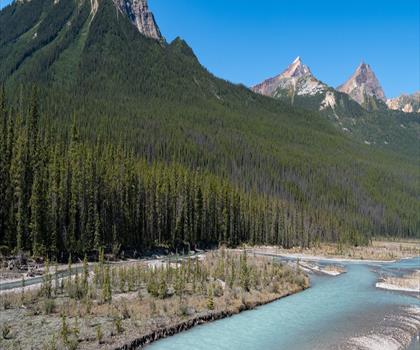
Mount Woolley
Canadian Rockies
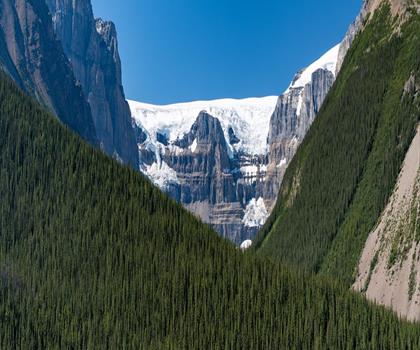
Stutfield Peak
Canadian Rockies
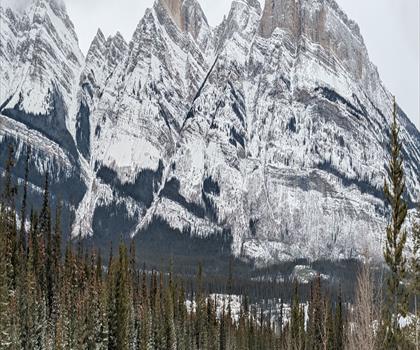
Mount Sarbach
Canadian Rockies
Hiking near Jasper
82 trails to explore ~48 km away
We work hard to provide the most up-to-date and error-free data possible. If something seems incorrect, let us know! Your contribution helps the whole community.
Hikers' opinions
Be the first to review!
No hiker has shared their experience yet. Share your impressions and help other hikers!