
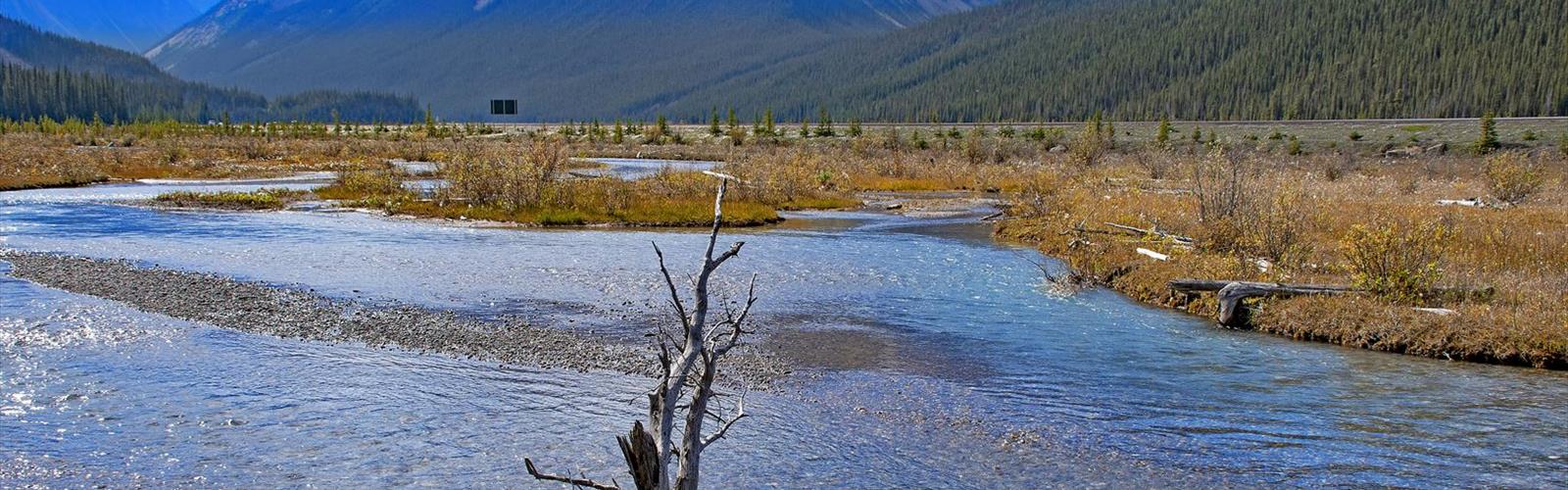

Ready to explore Mount Christie? Here's everything you need to know before you go!
Discover the trail
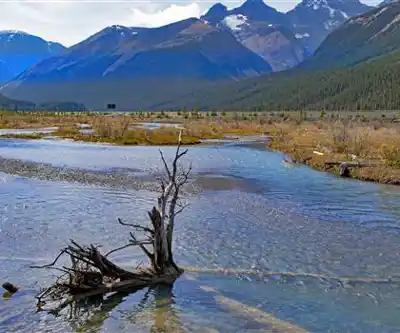
Photos: Ron Cogswell from Arlington, Virginia, USA — CC BY 2.0 (Wikimedia Commons)
Trail description
Mount Christie is a mountain destination in the Canadian Rockies of Alberta, offering hikers a compact but demanding route that packs serious elevation into a short distance. The trail covers 2.4 kilometers with 3,120 meters of elevation gain — numbers that immediately tell you this is not a casual stroll, regardless of its easy difficulty rating. Plan for around 12 hours and 30 minutes on the mountain, which reflects the sustained effort required to move through that kind of vertical terrain.
The Climb
The trail starts climbing right from the trailhead and doesn't let up. The lower section moves through dense coniferous forest — spruce and fir dominating the canopy — which provides shade and a sense of enclosure before the terrain opens up higher on the mountain. The path is well-defined and straightforward to follow, which is part of what earns it the easy rating despite the relentless grade.
As elevation builds, the forest gradually thins and the surrounding peaks begin to appear through the trees. The transition from closed forest to more open alpine terrain happens relatively quickly given the compact distance, and it's one of the more striking aspects of this route. You move through distinct ecological zones in a way that would take much longer on a more gradual trail.
The upper sections of the trail expose you to the full scale of the Canadian Rockies landscape. The views that open up as you gain height are a direct reward for the sustained effort — layered ridgelines, broad valleys, and the characteristic grey and blue tones of the Rockies extending in every direction.
Summit Views
The summit of Mount Christie delivers the kind of panoramic perspective that justifies the climb. The surrounding peaks and valleys of the Canadian Rockies spread out across the horizon, with visibility extending far on clear days. The elevation gain means noticeably cooler temperatures at the top compared to the trailhead, so having an extra layer accessible is practical rather than optional.
The summit area offers room to rest and take in the views from multiple angles. Hikers consistently find themselves spending more time at the top than the short distance might suggest — the setting earns it.
Wildlife and Natural Features
The range of ecosystems along this route supports a variety of wildlife. The forested lower sections are habitat for deer and elk, with sightings more likely in early morning or late afternoon. Both black bears and grizzly bears are present in this part of the Canadian Rockies, so bear spray and standard bear safety practices — making noise on the trail, proper food storage — are the baseline expectation, not optional extras.
Birdlife is a highlight of the elevation change. Gray jays and Clark's nutcrackers are regulars along the trail, and golden eagles and other raptors are frequently spotted riding thermals above the upper mountain. The compressed distance between forest and alpine habitat means you can encounter both forest and high-elevation species within the same outing.
The exposed rock faces along the route show the sedimentary layering characteristic of the Canadian Rockies — rock that was deposited in ancient seabeds and later uplifted and tilted during the mountain-building process. It's geology you can read directly from the trail without needing to go looking for it.
Planning Your Visit
With 3,120 meters of elevation gain over 2.4 kilometers, the grade on this trail is exceptionally steep. The easy difficulty rating reflects the trail's condition and navigation rather than the physical demand — be honest with yourself about your fitness level and experience before heading out. The estimated 12.5 hours on trail is a realistic figure that accounts for the sustained effort involved.
Mountain weather in the Canadian Rockies can shift quickly and dramatically. Layered clothing is essential, and starting early gives you the best chance of clear conditions and reduces exposure to afternoon thunderstorms, which are common in summer months. Check current conditions before you go.
Carry enough water for the full day. Proper footwear — hiking boots with solid ankle support and good traction — is the right call for a trail with this kind of grade. Stick to the marked trail throughout; the alpine vegetation at higher elevations is slow to recover from foot traffic, and the steep terrain makes off-trail travel genuinely hazardous.
Pack out everything you bring in, and leave the wildflowers and rocks where you find them. Mount Christie rewards the hikers who come prepared and treat the mountain with the respect it deserves.
The Essential Hiking Checklist
Everything you need for your next hike. Bilingual, printable, 1 page.
Get your free hiking checklistRecommended gear for this trail
As an Amazon Associate I earn from qualifying purchases.


Ready to go?
Everything you need to know before you goStarting Point
The mount christie is located in the Kananaskis Country of Alberta. To get to the start of the trails, take the Trans-Canada Highway (Highway 1) to the exit for Kananaskis Country. Follow the signs to the Peter Lougheed Provincial Park. The mount christie is located in the north end of the park.
When?
How much?
As an Amazon Associate I earn from qualifying purchases.
Affiliate links — LGPO may earn a commission at no extra cost to you.
- Hiking shoes Essential
- → Salomon Elixir Tour Mid WP · 203.38 $
- Layered clothing Essential
- Rain jacket Essential
- Trekking poles
- → Black Diamond Trail Ergo Cork · 69.99 $
- Headlamp
- → Petzl Actik Core 625 · 103.95 $
FAQ - Frequently asked questions
Everything you need to knowSimilar hikes nearby
Discover other trails you might enjoy
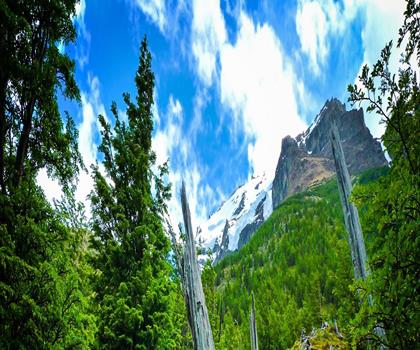
Fossil Mountain
Canadian Rockies

Snake Indian Mountain
Canadian Rockies
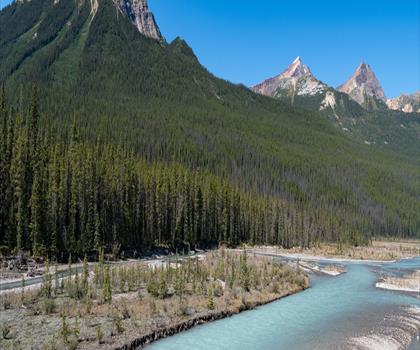
Mushroom Peak
Canadian Rockies
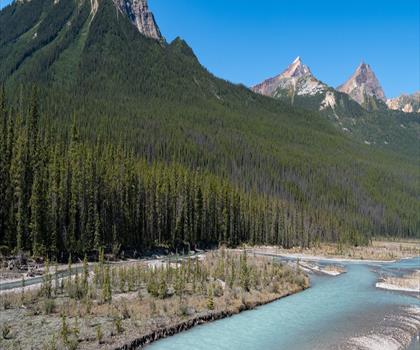
Mount Woolley
Canadian Rockies
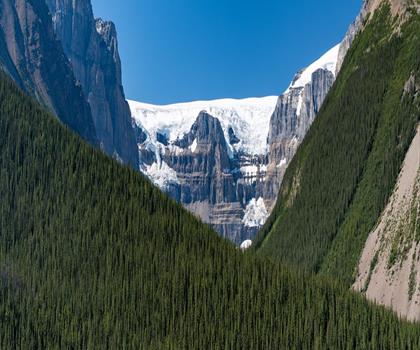
Stutfield Peak
Canadian Rockies
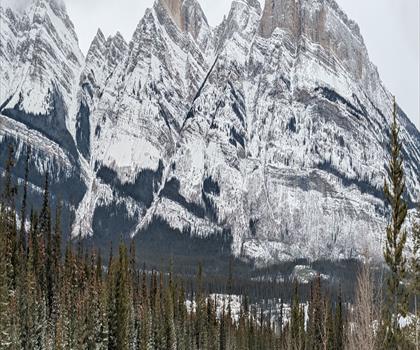
Mount Sarbach
Canadian Rockies
Hiking near Jasper
82 trails to explore ~42 km away
We work hard to provide the most up-to-date and error-free data possible. If something seems incorrect, let us know! Your contribution helps the whole community.
Hikers' opinions
Be the first to review!
No hiker has shared their experience yet. Share your impressions and help other hikers!