
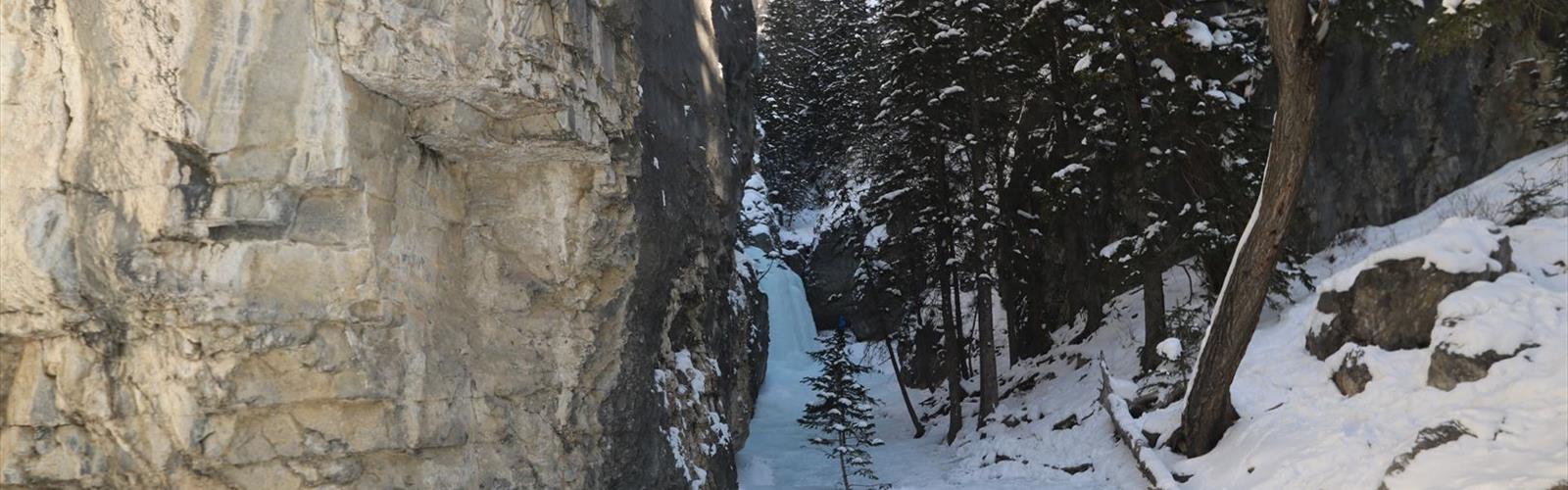

Ready to explore Mount Fable? Here's everything you need to know before you go!
Discover the trail
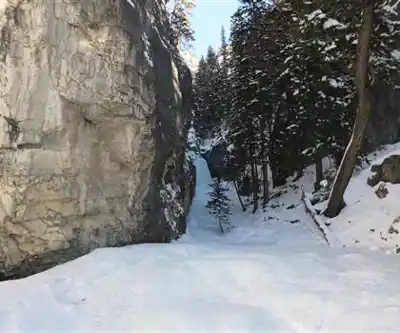
Photos: Thank you for visiting my page from Canada — CC BY 2.0 (Wikimedia Commons)
Trail description
Mount Fable stands as one of the Canadian Rockies' most rewarding scrambles, offering experienced hikers a technical challenge with spectacular payoffs. Located near Exshaw in the Bow Valley, this peak demands respect with its steep rocky terrain and exposed sections, but rewards those who reach its summit with sweeping views across Banff National Park and the surrounding ranges.
The Approach and Trail Character
The adventure begins near Exshaw, where the trailhead marks the start of this demanding 10-kilometer round-trip journey. Plan for 6 to 9 hours depending on your experience level, fitness, and the conditions you encounter on the mountain.
The initial section winds through dense forest, where the canopy provides welcome relief during warmer months. This forested approach gives you time to warm up your legs and settle into the rhythm of the hike before the real challenges begin. As you gain elevation, the character of the route transforms completely.
Breaking through the treeline, you'll find yourself on rocky ridges where the terrain becomes increasingly technical. The transition from forest hiking to scrambling happens gradually, giving you a chance to adjust to the different demands on your body and mind. Each step requires more attention to foot placement, and you'll start using your hands for balance and progress.
During summer months, alpine meadows create stunning displays of wildflowers, offering vibrant splashes of color against the stark mountain landscape. These meadows provide brief mental breaks from the technical sections, though the overall difficulty continues to build as you approach the upper reaches of the mountain.
Technical Sections and Scrambling
The upper sections of Mount Fable present the route's most challenging terrain. Steep rocky faces demand both physical strength and mental focus, with loose rock in several areas requiring constant attention to hand and foot placement. This isn't casual hiking – you'll be scrambling over boulders, navigating exposed ridges, and making moves where a slip could have serious consequences.
The scrambling sections require comfort with exposure and confidence in your ability to move efficiently over technical terrain. You'll encounter situations where route-finding skills become important, as the path isn't always obvious among the rocky landscape. Previous experience on similar peaks will serve you well here.
What makes Mount Fable particularly engaging is how the difficulty builds progressively. You're not thrown into the most technical terrain immediately – instead, the mountain gives you opportunities to assess your comfort level and make informed decisions about continuing upward.
Summit Experience and Views
The summit of Mount Fable delivers panoramic rewards that justify every challenging step of the ascent. On clear days, the Bow Valley spreads out far below while the peaks of Banff National Park create a dramatic western backdrop. Mount Lougheed and Windtower stand prominently among the visible summits, offering inspiration for future scrambling adventures.
The summit provides enough space for small groups to rest and take in the views, though the exposed position means weather conditions can shift rapidly. Wind is common at the top, making warm layers essential even when conditions seem mild at the trailhead. The sense of accomplishment here is particularly strong, knowing you've navigated technical terrain to reach this spectacular vantage point.
Take time to appreciate not just the distant views, but the immediate alpine environment around the summit. The rocky landscape tells the story of geological forces that shaped these mountains, and the hardy plants that manage to survive at this elevation demonstrate nature's remarkable adaptability.
Difficulty Assessment and Prerequisites
Mount Fable ranks as a challenging scramble suitable only for experienced mountain travelers. This route is not appropriate for beginners or those uncomfortable with heights and technical terrain. The combination of steep sections, loose rock, and exposure requires good physical conditioning and mental preparation.
You should have previous scrambling experience on similar peaks before attempting Mount Fable. Comfort with route-finding in alpine environments is important, as is the ability to assess changing conditions and make sound decisions about when to continue or turn back. The physical demands are significant – this isn't just a long walk, but a full-body workout that tests your endurance, strength, and coordination.
The descent presents its own challenges, as fatigue can affect judgment and coordination precisely when you need them most on the technical sections. Many accidents happen on the way down, making it crucial to maintain focus and take your time even when you're eager to complete the adventure.
Essential Gear and Preparation
Proper gear selection can make the difference between a successful summit and a potentially dangerous situation. Sturdy hiking boots with excellent ankle support are non-negotiable given the rocky terrain and scrambling requirements. Many experienced scramblers prefer approach shoes or light mountaineering boots over traditional hiking boots for the technical sections, as they provide better feel and precision on rock.
Carry significantly more water than you might for easier hikes. The physical demands and potential for hot weather in exposed sections make dehydration a real concern. Energy-dense snacks help maintain strength during the long ascent and equally demanding descent.
Weather protection deserves special attention on Mount Fable. Conditions can deteriorate rapidly in the mountains, and the exposed nature of much of the route leaves little shelter. Pack layers including a windproof shell, warm hat, and gloves even if the forecast looks favorable. The summit can be significantly colder and windier than the trailhead.
Safety and Risk Management
The technical nature of Mount Fable creates several safety considerations that require serious attention. Weather conditions can make the scrambling sections significantly more dangerous – wet rock becomes slippery and potentially deadly. Always check current weather forecasts and be prepared to turn back if conditions deteriorate.
Hiking with a partner or small group provides crucial safety backup on technical terrain. Solo hiking on scrambling routes like Mount Fable significantly increases risk, particularly if you encounter difficulties on the descent when fatigue affects decision-making.
Start early to ensure adequate daylight for the entire journey. The technical sections require good visibility, and being caught in darkness on the scrambling portions could create serious problems. Summer daylight hours provide the best window for safe completion, but even then, an early start is wise.
Seasonal Timing and Conditions
Summer and early fall offer the best conditions for attempting Mount Fable. Snow can linger on the upper sections well into late spring, making the already challenging scrambling sections potentially dangerous. Similarly, early winter storms can dump snow on the peak while valley conditions still appear mild.
The wildflower displays in the alpine meadows typically peak in July and August, adding visual appeal to complement the physical challenge. However, these same months bring the highest temperatures, making early morning starts even more important to avoid afternoon heat on exposed sections.
Fall can provide excellent conditions with cooler temperatures and fewer crowds, though shorter daylight hours require careful planning. The key is monitoring current conditions rather than relying solely on calendar dates, as mountain weather can be unpredictable.
Environmental Stewardship
Mount Fable's pristine alpine environment requires careful stewardship from all visitors. The fragile alpine meadows recover slowly from damage, making it essential to stay on established routes and avoid cutting switchbacks or creating new paths. Every step off the main route can cause damage that takes years to heal.
Wildlife in the area includes both black bears and grizzly bears, making proper food storage and awareness essential. The rocky terrain also provides habitat for mountain goats and bighorn sheep, which should be observed from a respectful distance to avoid disturbing their natural behaviors.
Pack out all trash and human waste, as the alpine environment lacks the biological activity needed to break down waste materials effectively. The Leave No Trace principles become even more critical in these sensitive high-elevation ecosystems where recovery from human impact takes decades rather than seasons.
The Essential Hiking Checklist
Everything you need for your next hike. Bilingual, printable, 1 page.
Get your free hiking checklistRecommended gear for this trail
As an Amazon Associate I earn from qualifying purchases.


Ready to go?
Everything you need to know before you goStarting Point
The mount fable trails are located in the Kananaskis Country area of Alberta. To get to the start of the trails, take Highway 40 south from Calgary and turn left onto the Smith-Dorrien Trail (Highway 742). The trailhead is located about 25 kilometers down the road.
When?
How much?
As an Amazon Associate I earn from qualifying purchases.
Affiliate links — LGPO may earn a commission at no extra cost to you.
- Hiking shoes Essential
- → Salomon Elixir Tour Mid WP · 203.38 $
- Layered clothing Essential
- Rain jacket Essential
- Trekking poles
- → Black Diamond Trail Ergo Cork · 69.99 $
- Headlamp
- → Petzl Actik Core 625 · 103.95 $
FAQ - Frequently asked questions
Everything you need to knowSimilar hikes nearby
Discover other trails you might enjoy
Fossil Mountain
Canadian Rockies

Snake Indian Mountain
Canadian Rockies
Mushroom Peak
Canadian Rockies
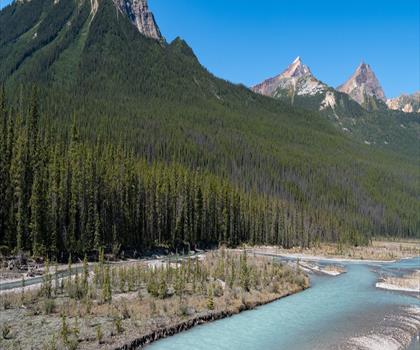
Mount Woolley
Canadian Rockies
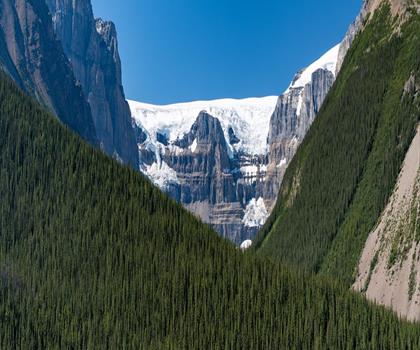
Stutfield Peak
Canadian Rockies
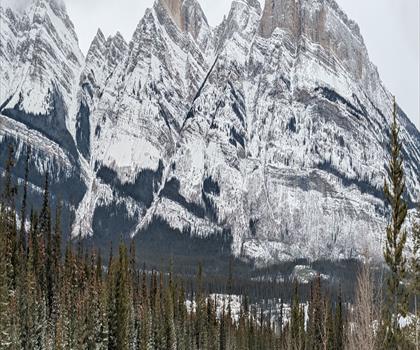
Mount Sarbach
Canadian Rockies
Hiking near Canmore
200 trails to explore ~9 km away
We work hard to provide the most up-to-date and error-free data possible. If something seems incorrect, let us know! Your contribution helps the whole community.
Hikers' opinions
Be the first to review!
No hiker has shared their experience yet. Share your impressions and help other hikers!