

Ready to explore Mount Hector? Here's everything you need to know before you go!
Discover the trail
Trail description
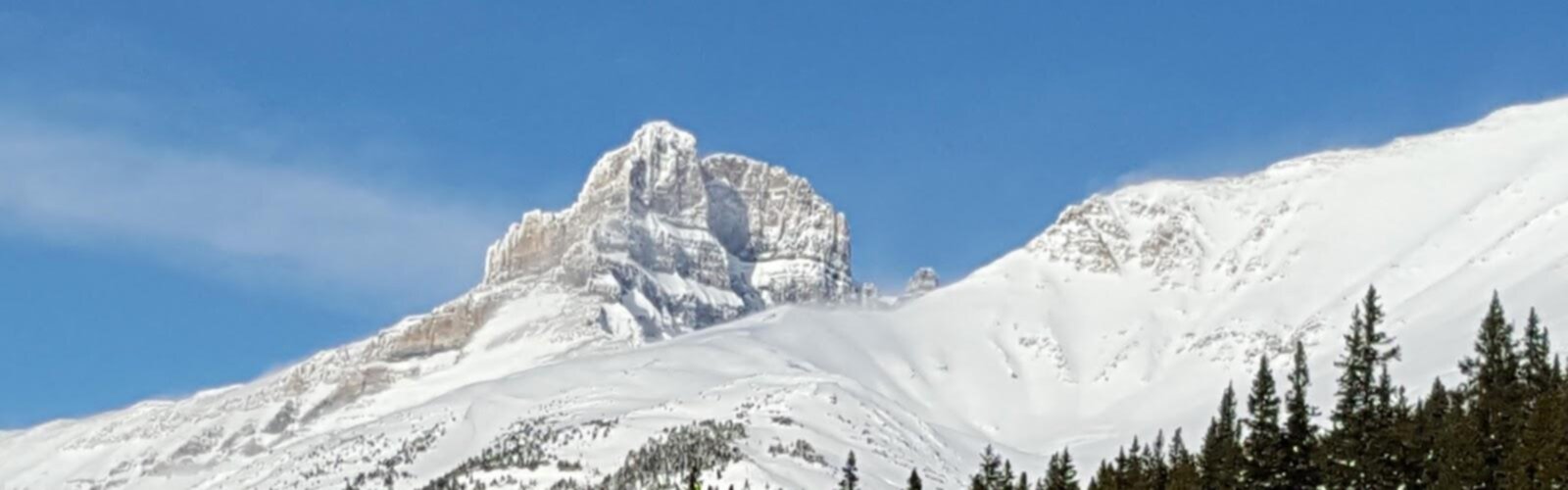
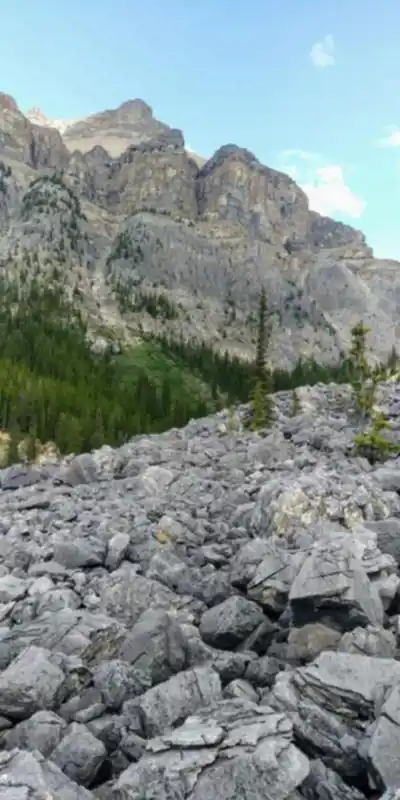
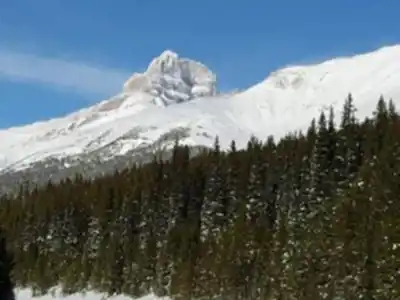
Mount Hector rises to 3,394 meters (11,135 feet) in the Canadian Rockies, making it one of the more challenging peaks accessible from the Icefields Parkway. This mountain attracts experienced hikers seeking a demanding ascent with exceptional panoramic views and relative solitude compared to busier Rockies destinations.
The mountain's remote location along Highway 93 means you'll encounter fewer crowds than at popular spots like Lake Louise or Moraine Lake. This isolation creates an authentic wilderness experience where the sound of your footsteps and the wind through the peaks become your primary companions. The summit rewards climbers with sweeping views across the Continental Divide and deep into the heart of Banff National Park.
Trail Access and Route
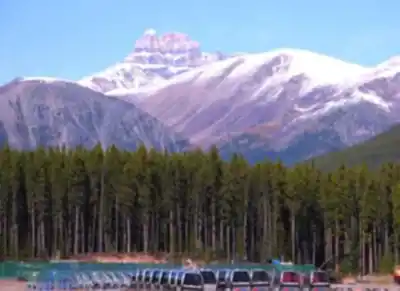
The trailhead begins at Hector Creek, accessed directly from Highway 93 (Icefields Parkway). Look for parking along the highway shoulder near the creek crossing—there's no formal parking lot, so arrive early during peak season to secure a spot. The Icefields Parkway itself is one of the world's most scenic drives, so the journey to the trailhead becomes part of the adventure.
From Hector Creek, the route follows a demanding path that tests both navigation skills and physical endurance. You'll start by traversing dense montane forest where spruce and fir trees create a cool, shaded environment. The trail isn't always clearly marked, so strong map and compass skills are essential—this isn't a hike for those who rely solely on well-maintained trail markers.
As you gain elevation, the forest gives way to subalpine meadows that burst with wildflowers during summer months. Paintbrush, alpine forget-me-nots, and mountain avens create colorful displays against the backdrop of gray limestone cliffs. These meadows also offer your first clear views of the summit, which may seem deceptively close but still requires significant effort to reach.
The Upper Mountain
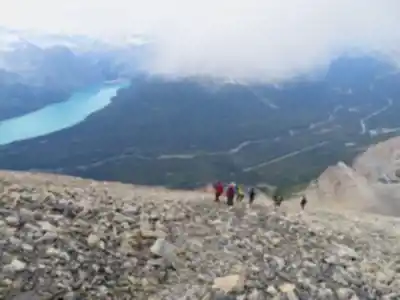
The final approach involves scrambling over rocky slopes and loose scree that demands careful foot placement and steady nerves. The limestone terrain can be slippery when wet, and loose rocks require constant attention to avoid sending debris toward other climbers. This section separates Mount Hector from easier Rockies hikes—you're essentially mountaineering rather than trail hiking.
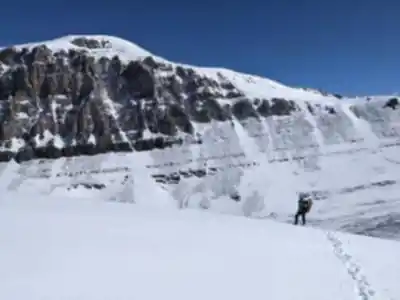
Weather conditions change rapidly at this elevation, and what starts as a clear morning can quickly turn into afternoon thunderstorms or sudden temperature drops. The exposed upper slopes offer no shelter, making proper gear and timing crucial for safety. Many experienced climbers start before dawn to reach the summit and begin descent before afternoon weather systems develop.
Wildlife and Natural Features
Mount Hector's diverse elevation zones support varied wildlife populations. In the lower forests, watch for black bears and the occasional grizzly, particularly during berry season in late summer. The alpine zones host mountain goats that navigate the steep cliffs with remarkable agility—you might spot them on distant ledges or hear their distinctive calls echoing off the rock faces.
Marmots inhabit the meadow areas and often provide entertainment with their curious behavior and sharp warning whistles. Pikas, small rabbit-like creatures, live among the rocky areas and create distinctive hay piles for winter survival. Golden eagles and other raptors soar around the upper peaks, taking advantage of thermal currents rising from the valleys below.
The geological features tell the story of ancient sea beds thrust skyward during mountain formation. Fossilized marine creatures occasionally appear in the limestone, creating unexpected connections to the area's distant past when this region lay beneath tropical seas.
Essential Preparation
This hike demands serious preparation and shouldn't be attempted by novice hikers. Proper mountaineering boots with ankle support are essential for the rocky terrain, and many climbers bring lightweight crampons or microspikes depending on conditions. Weather can shift from summer warmth to near-winter conditions within hours, so layered clothing systems are mandatory.
Navigation tools including detailed topographic maps, compass, and GPS device are crucial since the route isn't always obvious, particularly in the upper sections. Many hikers also carry altimeters to track progress and confirm location during poor visibility conditions.
Water sources exist along the lower portions of the route, but carrying sufficient water for the entire day is recommended since alpine streams can be unreliable. Pack high-energy snacks and a substantial lunch—this isn't a quick morning hike but rather a full-day commitment that can stretch 10-12 hours depending on conditions and your pace.
Safety Considerations
Always inform someone of your detailed hiking plans, including expected return time and emergency contacts. Cell phone coverage is sporadic at best, so don't rely on being able to call for help. Consider carrying a satellite communication device for true emergencies.
Check weather forecasts carefully and be prepared to turn back if conditions deteriorate. The exposed upper mountain becomes dangerous during storms, and lightning strikes are a real concern on the rocky summit areas. Start early to allow plenty of time for descent before afternoon thunderstorms typically develop.
The loose rock and steep terrain create fall hazards that require constant attention. Helmets aren't mandatory but many experienced climbers wear them, particularly when other parties are climbing above. Always be aware of your impact on loose rocks that could endanger climbers below.
The Essential Hiking Checklist
Everything you need for your next hike. Bilingual, printable, 1 page.
Get your free hiking checklistRecommended gear for this trail
As an Amazon Associate I earn from qualifying purchases.


Ready to go?
Everything you need to know before you goStarting Point
The mount hector trails are located in the Kananaskis Country area of Alberta. To get to the start of the trails, take Highway 40 south from Calgary and turn left onto the Smith-Dorrien/Spray Lakes Road (Highway 742). Continue on the Smith-Dorrien/Spray Lakes Road for about 24 kilometers and turn right onto the mount hector Forest Service Road. The trailhead is located about 1 kilometer down the mount hector Forest Service Road.
When?
How much?
As an Amazon Associate I earn from qualifying purchases.
Affiliate links — LGPO may earn a commission at no extra cost to you.
- Hiking shoes Essential
- → Salomon Elixir Tour Mid WP · 203.38 $
- Layered clothing Essential
- Rain jacket Essential
- Trekking poles
- → Black Diamond Trail Ergo Cork · 69.99 $
- Headlamp
- → Petzl Actik Core 625 · 103.95 $
FAQ - Frequently asked questions
Everything you need to knowSimilar hikes nearby
Discover other trails you might enjoy
Fossil Mountain
Canadian Rockies

Snake Indian Mountain
Canadian Rockies
Mushroom Peak
Canadian Rockies
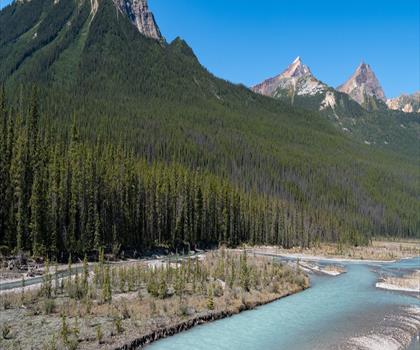
Mount Woolley
Canadian Rockies
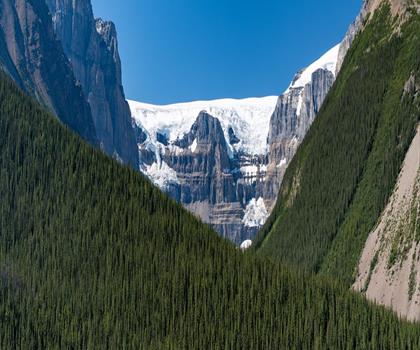
Stutfield Peak
Canadian Rockies
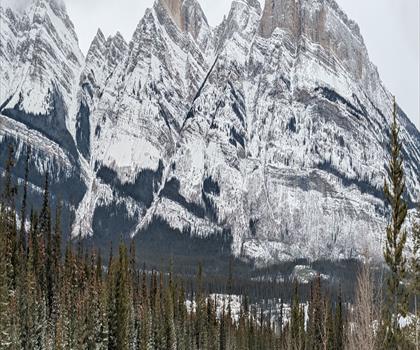
Mount Sarbach
Canadian Rockies
Hiking near Banff
187 trails to explore ~65 km away
We work hard to provide the most up-to-date and error-free data possible. If something seems incorrect, let us know! Your contribution helps the whole community.
Hikers' opinions
Be the first to review!
No hiker has shared their experience yet. Share your impressions and help other hikers!