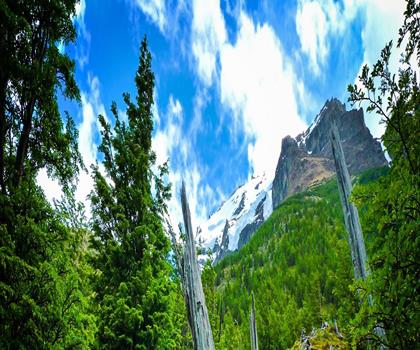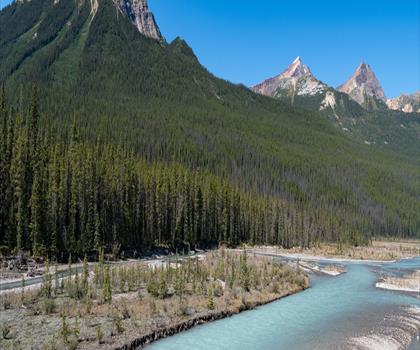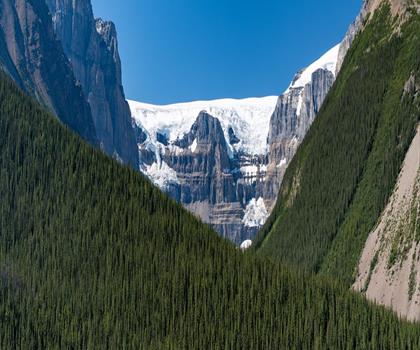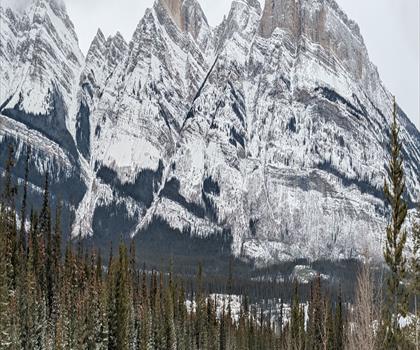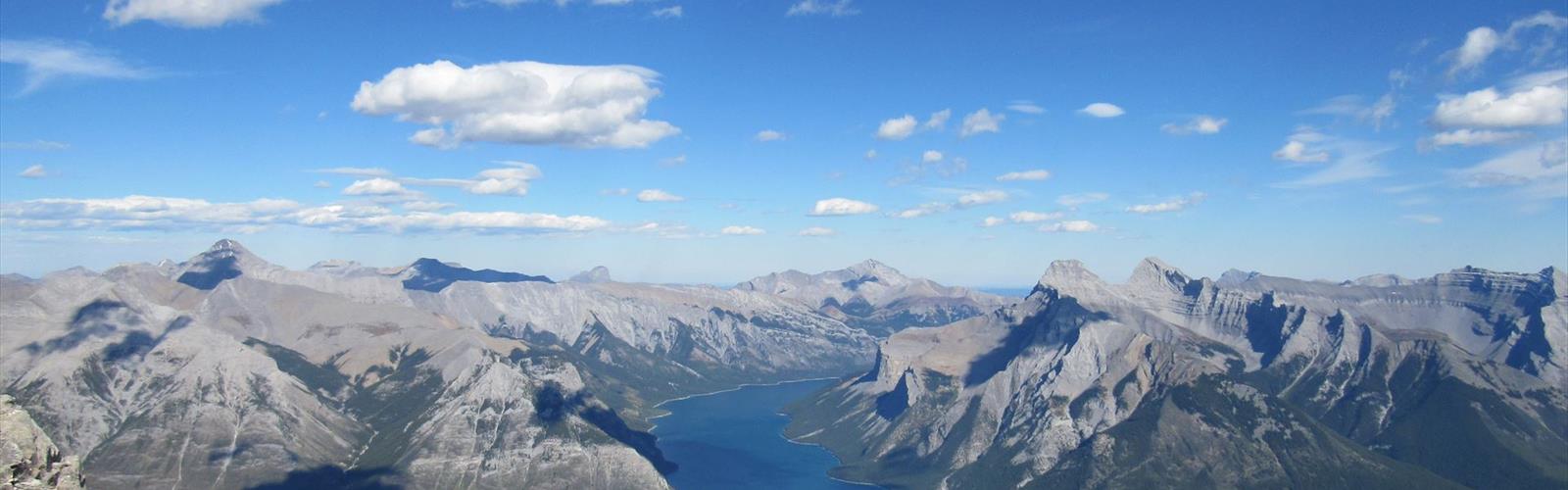
Hiking Mount Inglismaldie - panoramic view  tree outdoor landscape nature mountain sky autumn plant cloud background lake painting forest surrounded distance
--°C
Loading...
See forecast →

Hiking in Mount Inglismaldie: trails, map and practical info

Canadian Rockies • Alberta

5.0 Appreciated by 71 hikers
François Dumaine
By François DumaineContributor since 2013Updated 29/05/2026
Difficulty
Hard
Distance
11 km
Elevation
1,067 ft
Duration
7h
Max altitude
2,877 ft

Tackle a challenging 11.2 km ascent with 1,067 m elevation gain in Alberta's Fairholme Range. This 7-hour hard hike near Lake Minnewanka transitions from popular recreation area into genuine alpine wilderness, rewarding experienced hikers with panoramic Bow Valley views from the 2,964 m summit.

Recommended for :
Intermediate hikers

Ready to explore Mount Inglismaldie? Here's everything you need to know before you go!

Discover the trail
Oh no! We don't have any photos 😢

This trail hasn't been captured yet. Be the first to share your adventure!

Trail description

Description

Mount Inglismaldie rises 2,964 meters (9,724 feet) above sea level as part of the Fairholme Range in Banff National Park, making it one of the more challenging peaks accessible from the Lake Minnewanka area. Named after Inglis F. Maldie, a Scottish nobleman and early explorer of the Canadian Rockies, this mountain demands respect from hikers who attempt its steep and rugged slopes.

The mountain's position in the Fairholme Range provides commanding views across the Bow Valley and surrounding peaks. From the summit on clear days, you'll spot neighboring mountains like Mount Girouard and Mount Peechee standing against the horizon. The elevation gain and technical terrain make this strictly a destination for experienced hikers who are comfortable with steep, rocky ascents and potentially exposed sections.

Trail Access and Approach

Your journey begins near Lake Minnewanka, where the crystal-clear waters and surrounding peaks provide an impressive backdrop before you even start climbing. The lake area itself attracts wildlife, so keep your eyes open for various species that call this pristine environment home. The contrast between starting at the popular lake and ascending into increasingly wild terrain gives this hike a unique character.

As you leave the lake area behind, the trail quickly becomes more demanding. The steep terrain requires steady footing and good route-finding skills. The rugged nature of the ascent means you'll be navigating rocky sections and potentially loose scree, depending on the specific route and recent weather conditions. Finding the right line up the mountain becomes part of the challenge, as the path isn't always obvious through the rocky terrain.

The Climbing Experience

The ascent up Mount Inglismaldie tests your endurance and technical hiking skills from the start. With over 1,000 meters of elevation gain packed into this demanding route, you'll feel the burn in your legs early and often. The steep grades mean you'll gain elevation quickly, but they also demand careful attention to your footing and pace throughout the climb.

Rocky terrain dominates much of the route, requiring sturdy hiking boots with good ankle support and aggressive tread. You'll encounter everything from solid rock slabs to loose scree fields that shift underfoot. The key is maintaining a steady rhythm while staying alert to changing terrain conditions. Some sections will have you using your hands for balance, making this more of a scramble than a traditional hike.

The diverse flora and fauna throughout this pristine environment change dramatically as you gain elevation. Lower sections near Lake Minnewanka support different plant communities than the higher alpine zones you'll encounter as you approach the summit. This ecological diversity adds interest to the challenging physical demands of the climb, giving you something to appreciate during rest breaks.

Weather and Mountain Conditions

Weather conditions can shift rapidly in this mountain environment, a factor that becomes increasingly important as you gain elevation and move into more exposed terrain. The combination of altitude and the mountain's position in the Fairholme Range means conditions at the summit can differ dramatically from what you experience at the trailhead.

Wind exposure increases significantly as you climb higher, and what feels like a calm day at Lake Minnewanka can turn into a battle against strong gusts near the summit. Temperature drops become noticeable with elevation gain, and afternoon thunderstorms can develop quickly in the alpine environment. These factors make timing and weather awareness crucial for a safe ascent.

Summit Rewards

Reaching the 2,964-meter summit delivers panoramic views that justify every challenging step of the demanding ascent. The Bow Valley spreads out below like a detailed map, while the surrounding peaks of the Canadian Rockies create a dramatic alpine landscape stretching to the horizon. Mount Girouard and Mount Peechee are among the notable peaks visible from the top, each telling their own story of the geological forces that shaped this region.

The summit provides a genuine sense of accomplishment that comes from tackling challenging terrain and gaining significant elevation through your own effort. The views stretch far beyond the immediate area, giving you perspective on the vast wilderness of Banff National Park and the scale of the Canadian Rockies. On clear days, the visibility extends for dozens of kilometers in every direction.

Essential Preparation and Gear

This mountain requires serious preparation and appropriate gear for the technical demands you'll face. Sturdy hiking boots with excellent ankle support are non-negotiable given the rocky, steep terrain you'll encounter throughout the ascent. The demanding nature of the climb means you'll need plenty of water—more than you might carry on easier trails—and high-energy food to fuel the sustained effort required over several hours.

Weather-appropriate clothing becomes critical on Mount Inglismaldie due to the significant elevation gain and potential for rapidly changing conditions. Layer systems work best, allowing you to adjust as you climb and as weather shifts throughout the day. Always pack extra insulation and rain protection, even if conditions look favorable at the start. A headlamp is essential in case your descent takes longer than expected.

Checking local conditions before your hike isn't just recommended—it's essential for safety on this challenging peak. Mountain weather can change quickly, and conditions that seem manageable at Lake Minnewanka can become serious challenges higher on the mountain. Park wardens and local weather resources provide the most current information about trail conditions and weather forecasts.

Who Should Attempt This Peak

The technical demands and sustained steep terrain make this hike suitable only for experienced hikers who are comfortable with challenging mountain terrain and scrambling sections. If you're new to serious mountain hiking, consider building your skills on less demanding peaks before attempting Mount Inglismaldie. The combination of distance, elevation gain, and technical difficulty creates a serious undertaking that requires both physical fitness and mountain experience.

Mount Inglismaldie offers something different from many of the more popular peaks in Banff National Park. While it demands serious effort and preparation, it provides access to genuine wilderness experience and spectacular alpine views without the crowds you might encounter on some of the park's most famous mountains. The combination of starting near the accessible Lake Minnewanka area and climbing into serious mountain terrain creates a unique hiking experience that transitions from a popular recreational area into increasingly wild and challenging environment.

Ready to go?

Everything you need to know before you go

Where?

Address
Mount Inglismaldie, Alberta T0L, Canada
GPS coordinates
51.2416666, -115.4216666
Phone
Not available

Starting Point

The mount inglismaldie is located in Alberta. To get to the start of the trails, take Highway 40 west from Calgary to the Kananaskis Village. Turn left onto the Smith-Dorrien Trail (Highway 742) and drive for about 15 km. The trailhead is on the right side of the road.

When?

Opening hours
From sunrise to sunset
Varies by season
Best season
Fall
Spectacular colors
Best time
Early morning
Less crowded
Weather (next days)
Loading

How much?

Entry fees
Adult
Not available
Child
What to bring?
Gear
  • Hiking shoes Essential
  • Layered clothing Essential
  • Rain jacket Essential
  • Trekking poles
  • Headlamp
Download the PDF checklist
Water & food
2L minimum
No water point on the trail
Bring energy snacks for a 4h+ hike
Good to know
Park rules
No dogs
Safety
Download the GPX before you go
Limited cellular coverage on the trail
Slippery after rain
Be careful on rocky sections
In an emergency
Emergency
911
Parking GPS
51.2416666, -115.4216666
Center
Not available

Hikers' opinions

5.0
45 Reviews
S
Sarah
Oct 8, 2025
Attempted this peak in early October but winter conditions were already setting in with fresh snow making the upper sections treacherous. We made the smart decision to turn back for safety reasons. The lower elevation areas offered beautiful fall colors in the larch zones which made the partial ascent worthwhile. This mountain demands careful attention to weather windows and seasonal timing. Planning to return next summer with proper alpine climbing partners and better conditions.
S
Sarah
Oct 8, 2025
Attempted this peak in early October but winter conditions were already setting in with fresh snow making the upper sections dangerous. We made the smart decision to turn back for safety reasons. The lower elevation areas displayed gorgeous fall colors, especially in the larch zones. This mountain demands careful attention to weather windows and seasonal timing. Planning to return next summer with a full alpine climbing team and proper gear.
S
Sarah
Oct 8, 2025
Had to turn back due to rapidly deteriorating weather conditions, but the lower sections offered spectacular fall colors in the larch zones. The fresh snow in early October made the upper reaches extremely treacherous and dangerous for safe passage. This peak absolutely demands respect for seasonal conditions and proper weather windows, definitely planning to return next summer with experienced alpine climbing partners.
S
Sarah
Oct 8, 2025
Attempted this challenging peak in early October but winter conditions were already setting in with fresh snow making the upper reaches quite treacherous. We made the smart decision to turn back for safety reasons. The lower elevation sections offered beautiful fall colors, particularly in the larch zones. This 1067m elevation gain definitely demands respect for weather windows and proper seasonal timing.
S
Sarah
Oct 8, 2025
Attempted this challenging peak in early October but winter conditions forced us to turn back safely. The lower elevation sections offered spectacular fall colors, particularly in the larch zones. This mountain demands careful attention to weather windows and seasonal timing. The approach alone is quite demanding with loose scree sections requiring constant focus and attention.

FAQ - Frequently asked questions

Everything you need to know
Hard
1067.00 m
2877.00 m
7h
No
No
Mount Inglismaldie is rated as a hard difficulty hike. This challenging trail requires good physical fitness and hiking experience due to its steep terrain and significant elevation gain.
The Mount Inglismaldie trail is 11.2 km long and typically takes about 7h to complete. The actual time may vary depending on your fitness level and trail conditions.
Mount Inglismaldie features 1067 m of elevation gain. This significant elevation change contributes to the trail's hard difficulty rating and requires good physical preparation.
Mount Inglismaldie is not recommended for beginners or children due to its hard difficulty rating. The trail's 1067 m elevation gain and 11.2 km distance require significant hiking experience and physical fitness.
Didn't find your answer?
Free 1 pages

The Essential Hiking Checklist

Everything you need for your next hike. Bilingual, printable, 1 page.

Download the free checklist
Top 10 best hiking in Canadian Rockies
Our ranking based on hiker reviews

Hiking near Banff

187 trails to explore ~13 km away

View trails
Did you spot an error?

We work hard to provide the most up-to-date and error-free data possible. If something seems incorrect, let us know!

Update : June 2026